













Gluten has turned into a modern villain. It has become one of those things people avoid first and understand later. If you go by social media, it almost looks like gluten is responsible for every health issue, from bloating after eating bread to brain fog.
But when you actually look at the science and even basic nutrition, the whole discussion becomes surprisingly simple: gluten is a problem for some people, not for everyone. The confusion about whether gluten is “bad” mostly comes from mixing up gluten itself with the foods that commonly contain it.
This article aims to dispel misconceptions about a gluten-free diet.
What Gluten Actually Is (And Why It’s in So Many Foods)
Gluten is just a natural protein found in wheat, barley, and rye. It gives dough that stretch and softness you expect in bread, noodles, pasta, and most bakery items.
It is in many foods because wheat is found in almost all types of food, but it grows easily, stores well, and has been a stable part of human diets for thousands of years. When a food is eaten so commonly, naturally, the protein in that food becomes common too.
There is no hidden process that “creates” gluten. And there is no special system in the body that struggles with it unless someone has a medical condition.
Who Actually Needs to Avoid Gluten? (The Three Conditions)
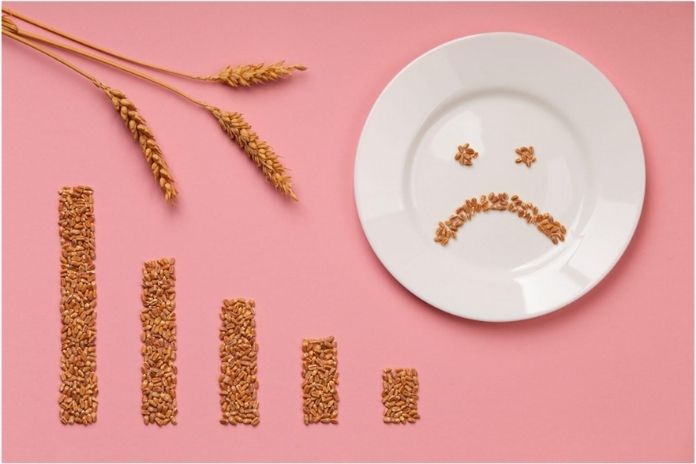
Only a very small group truly needs a gluten-free diet. The rest of the population is being pulled into a trend that does not apply to them.
1. Celiac Disease (Around 1%)
This is an autoimmune disease. When someone with celiac disease eats gluten, their immune system damages the small intestine. Even tiny amounts can trigger reactions. For them, gluten is entirely avoidable.
In this case, food is not just part of the problem; it’s also the treatment. Dietician Anna Taylor puts it simply: for people with celiac disease, a gluten-free diet is the only treatment we have, and when it’s done correctly, it works. The focus isn’t on perfection overnight, but on taking it one meal and one day at a time.
2. Non-Celiac Gluten Sensitivity (NCGS)
The affected individuals do not have celiac disease, but they do experience symptoms, such as bloating, tiredness, and headaches, after eating gluten. The tricky part is that there is no blood test for NCGS. Doctors diagnose it after ruling out other issues.
This uncertainty is well recognised in clinical practice. Dr. Selvi Rajagopal, a specialist in internal medicine, explains:
“We don’t have a clear definition for gluten intolerance or a clear way to explain it. We know that some people eat something that contains gluten and then they don’t feel well or even develop gluten intolerance symptoms.”
3. Wheat Allergy
This is an allergy to wheat proteins. Symptoms appear quickly: itching, swelling, breathing difficulty, and rashes. This is not the same as gluten sensitivity vs celiac disease. Other than these conditions, gluten is not harmful.
For Everyone Else: Is Gluten Harmful?

If you don’t fall into those three conditions, gluten by itself is never harmful. What causes problems for many people is not gluten, but the types of food gluten is usually packaged with and the overeating of such foods—refined flour, high sugar, oils, additives, and heavy snacks.
If someone is regularly eating biscuits, cakes, pizza, white-flour snacks, and then says “gluten made me unhealthy,” then they are missing the bigger picture. The issue is the diet, never the protein. Whole-grain, minimally processed wheat products are still a perfectly reasonable food option for many people.
Why Some People Feel Better When They Cut Gluten (Even Without a Medical Condition)
This is where the confusion begins. People remove gluten and suddenly feel lighter. They assume gluten was the reason. But what they actually removed was a whole category of foods.
Let’s break down the real reasons behind this “I feel better now” effect:
1. Reduced Intake of Processed Foods
The most attractive gluten-containing foods are also the most processed, such as cookies, bakery items, noodles, and fast food. Cutting gluten often means avoiding these foods. Naturally, digestion feels better, and energy improves.
2. FODMAP Sensitivity
Some people are sensitive to certain carbohydrates called FODMAPs found in wheat. The problem is the carb profile, not gluten. But since grain contains both, gluten gets blamed.
3. Placebo and Clean Eating Effect
When someone consciously avoids gluten, they also begin reading labels, cooking more at home, avoiding snacks, and even eating more whole foods. These changes improve health itself, even if gluten has no connection with it.
4. Gut Microbiome Issues
If the gut microbiome is disrupted, then even regular foods feel heavy. Wheat happens to be eaten often, so it’s always easy to think that gluten is the problem. In this case, improving gut health often reduces the issue.
Read More: 15 Symptoms of Gluten Intolerance You May Be Missing
Signs Gluten May Be a Problem for You

If gluten is causing trouble, the body usually gives consistent signs. These are not occasional bloating after overeating; they are repeated, predictable reactions.
Common signs include:
- Regular bloating soon after eating any wheat-based food
- Persistent fatigue without any clear reason
- Unexplained nutrient deficiencies
- Long-term digestive problems
- Rashes, mouth sores, or skin issues linked to meals
- Symptoms that repeat every time you eat similar foods
These signs don’t confirm any issue. They just mean you should check your health properly.
Read More: Are Rice Cakes Healthy? Nutrition Facts, Pros, Cons, and Better Alternatives
How to Tell If You Truly Have a Gluten Issue

This part matters because many people remove gluten before checking.
Do NOT eliminate gluten first
For celiac testing, gluten must be present in the diet. If you remove it before the test, the result may appear falsely normal.
See a doctor for proper evaluation
A doctor may suggest:
- Celiac disease antibody tests
- Allergy panel (if symptoms are immediate)
- Other blood work to check inflammation or deficiencies
An elimination diet can be tried only after ruling out these issues.
If negative: a supervised elimination trial
This involves removing gluten for a set period (usually 2–6 weeks), then reintroducing it.
Symptoms are matched. This is the only reliable approach for NCGS.
Read More: Planning the Perfect Allergy-Friendly Party: Tips for Hosts and Guests
Is a Gluten-Free Diet Healthier? (Pros and Cons)
A gluten-free diet is a medical diet. It becomes healthy only for people who medically require it.
Pros (When Needed)
- Reduces inflammation in diagnosed conditions
- Relief from symptoms
- Better nutrient absorption
- Protects the intestine in celiac disease
- A gluten-free diet benefits overall well-being
Cons (For Others)
- Lower fibre intake
- Higher reliance on refined gluten-free starches
- More blood sugar spikes
- Expensive packaged options
- False sense of “healthy eating.”
Removing gluten when there is no need often complicates the diet unnecessarily.
Read More: Diet for Ulcerative Colitis: What to Eat and Avoid to Manage Flares Naturally
How to Eat Gluten Safely (If You Don’t Have a Sensitivity)
There is no trick to this. Only common daily habits:
- Prefer whole wheat instead of refined flour
- Combine wheat dishes with vegetables or proteins
- Avoid eating wheat-based packaged snacks every day
- Use traditional cooking methods (soaking, fermentation) where possible
- Keep portion sizes balanced
This keeps gluten well within a healthy diet.
When to See a Doctor
It’s worth consulting a doctor if you have gluten sensitivity vs celiac disease or glucose intolerance symptoms, and if you notice:
- Persistent digestive symptoms
- Unexpected weight loss
- Long-term vitamin and mineral deficiencies
- Chronic fatigue
- Skin rashes that appear after meals
- Symptoms that clearly appear after wheat consumption
Early diagnosis prevents long-term issues.
Read More: Unveiling the Health Benefits of Raisin Water: A Natural Elixir
Final Thoughts
Gluten has already become a victim of misinformation. And, rather than checking whether people actually have a condition due to it, they choose gluten-free diets right away, as it sounds cleaner or even trendier.
But in reality, gluten is a problem just for people with specific health-related issues. For every other person, it is like any other food ingredient, always helpful when eaten in sensible forms and harmless when consumed in moderation.
Thus, it is always important to understand your own body rather than following just food trends.
- Only three conditions require “no gluten”: celiac disease, wheat allergy, and NCGS.
- Most people feel better after removing gluten because they remove processed foods.
- Never stop gluten before testing, as it may affect test accuracy.
- Gluten-free diets can be low in fibre and high in refined starch.
- Whole-grain wheat is always safe for most people.
FAQs
1. Should everyone avoid gluten?
No. Only people with medically diagnosed issues need to.
2. Does gluten cause belly fat?
No. Gluten never causes belly fat. Overeating high-calorie refined foods causes belly fat.
3. Are gluten-free products healthier?
Not necessarily. Many are highly processed.
4. Can children eat gluten?
Yes, unless they have celiac or an allergy.
5. What is the easiest way to check for gluten issues?
Start with medical tests before trying any elimination.
References
- Diez-Sampedro, A., Olenick, M., Maltseva, T., & Flowers, M. (2019). A Gluten-Free Diet, Not an Appropriate Choice without a Medical Diagnosis. Journal of Nutrition and Metabolism, 2019.
- FSSAI. (2018). GLUTEN FREE FOODS.
- Jones, A. L. (2017). The Gluten-Free Diet: Fad or Necessity? Diabetes Spectrum, 30(2), 118–123.
- Mayo Clinic. (2021, December 11). Gluten-free diet. Mayo Clinic; Mayo Clinic.
- MedlinePlus. (2015). Learn about gluten-free diets: MedlinePlus Medical Encyclopedia. Medlineplus.gov.
- Niland, B., & Cash, B. D. (2018). Health Benefits and Adverse Effects of a Gluten-Free Diet in Non–Celiac Disease Patients. Gastroenterology & Hepatology, 14(2), 82.
In this Article