













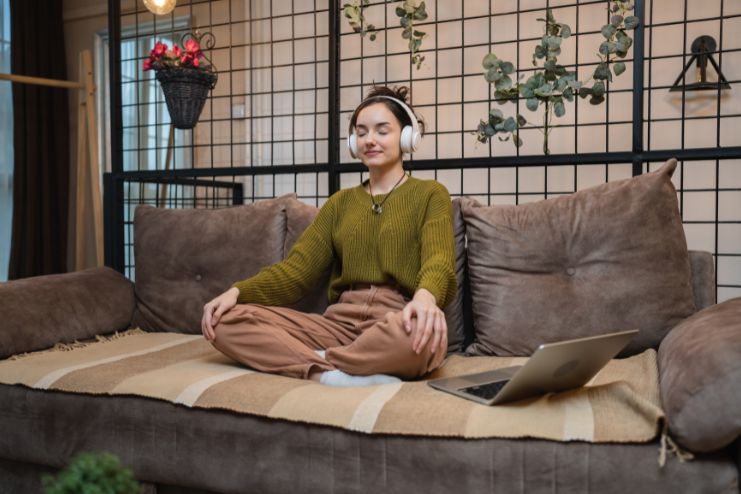
We talk about self-care all the time—on social media, in wellness circles, in throw pillows that say “treat yourself.” But how often do we actually practice it with real intention? Not just five-minute breathwork apps or the occasional face mask, but full days devoted to mental, emotional, and physical reset.
Last month, I decided to find out what would happen if I gave myself a full self-care day once a week. One day, every seven, I did absolutely nothing that wasn’t restorative, joyful, or grounding. I treated it like a sacred appointment with myself. No work. No errands. No guilt.
In this article, I’ll take you through my personal four-week self-care experiment—how it looked, how it felt, what shifted, and why I believe everyone should try scheduling their own weekly self-care day. We’ll also explore myths around self-care, the science behind rest, and how you can create your own sustainable wellness routine.
What I Considered a Self-Care Day

When I think of “self-care,” it’s not about lavish spa days or shopping sprees (though, don’t get me wrong, those have their place). My version was about tuning into my needs and allowing myself the time to truly recharge. It wasn’t about indulging in luxury—it was about embracing intentional, mindful living, where quiet moments and recovery took center stage.
My self-care days often looked like this:
- Disconnecting from work and social media.
- Cooking nourishing meals that filled me up, both physically and emotionally.
- Dipping into a good book, journaling, or practicing meditation.
- Going on long walks, taking naps, and indulging in a soothing skincare routine.
But here’s the key: it wasn’t about “optimizing” the day. It was about sinking into it. Some days, it meant letting out emotions I didn’t even realize I was holding. Other times, it was about laughter, music, or just staring out the window and letting my thoughts drift. Whatever I needed at that moment, that’s what I embraced.
The rules were simple: no to-do lists, no obligations, and no pressure to be productive. Just time to be with myself—no judgment, no expectations, just space to simply be.
Week-by-Week Reflections on My Self-Care Journey

Taking a true self-care day wasn’t easy at first. It was unfamiliar territory for someone used to juggling multiple tasks and constantly pushing forward. But as I gave myself permission to step back, I discovered profound shifts within myself—ones I never would have anticipated.
Here’s a breakdown of how each week unfolded:
Week 1: The Guilt and Discomfort Were Real
The first week was tougher than I expected. Doing nothing felt… wrong. I kept fighting the urge to check emails, tidy up my space, or just finish one small task. The guilt was overwhelming—Was I being lazy? Wasting time? Escaping my responsibilities?
- Guilt surfaced: I felt uneasy when I wasn’t busy, and the urge to constantly “do” was overwhelming.
- Quieting the mind: I struggled to silence thoughts that tied my worth to productivity.
But by the end of the week, something clicked. I realized how deeply I had tied my sense of worth to my accomplishments. That first week was the hardest, but it also showed me how desperately I needed this break. The discomfort pointed to an important truth: I had been running on empty for too long.
Week 2: My Mind Finally Slowed Down
By the second week, the stillness started to feel more comfortable. I woke up without the usual anxiety weighing me down. Sleep improved, and my days felt less chaotic and more present.
- Less anxiety: The early mornings became quieter, more peaceful.
- Physical and mental rest: I found it easier to focus on small moments, like sipping tea or taking a slow walk.
- Emotional clarity: Journaling that week helped me uncover emotions and thoughts that had been buried. It was like the space I created had finally allowed my mind to settle.
The second week taught me the importance of slowing down. It wasn’t just about giving my body a break—it was about giving my mind the space to process everything I hadn’t been dealing with.
Week 3: I Became More Intentional During the Week
As the days passed, I noticed a shift in how I approached the rest of the week. My self-care day wasn’t just a one-off event—it started influencing the way I lived on the other days.
- Increased mindfulness: I became more intentional about protecting my time and boundaries.
- Better productivity: Without feeling burnt out, my focus improved, and I was able to be more productive without the constant hustle.
- Greater clarity: I was starting to realize that self-care wasn’t a luxury—it was a necessity. It became clear that these days of rest were creating a more sustainable rhythm.
Week 4: It Became Something I Looked Forward To
By the end of the month, my self-care days had transformed. What began as an uncomfortable experiment had turned into a practice I genuinely looked forward to.
- Creativity blossomed: I started exploring new hobbies, like painting and writing poetry. These creative outlets helped me connect more deeply with myself.
- Stronger relationships: I found myself engaging more intentionally with others, showing up with more calm, clarity, and presence.
- A grounding anchor: My self-care day became more than just a pause—it grounded me and made everything else feel more aligned.
By the fourth week, I wasn’t just practicing self-care—I was living more consciously and with greater care. This experiment showed me that taking time for myself wasn’t just about resting—it was about thriving in all areas of my life.
Read More: 18 Ways to Boost and Improve Mental Health for a Better Life
What Changed—Mentally, Physically, and Emotionally

When I started dedicating one full day a week to intentional rest, I didn’t expect radical shifts. But slowly, the changes began stacking up—and they weren’t subtle. It wasn’t about escaping life, but returning to it with more clarity and calm.
- Mentally: My mind felt less cluttered. Lesser anxiety and more clarity in my decision-making. I stopped overthinking every little thing and started trusting my instincts more.
- Physically: I started waking up feeling rested. No more dragging myself through the day on caffeine and autopilot. My digestion even improved—probably because I was eating slower and with more intention.
- Emotionally: The biggest shift. I felt more grounded and in tune with myself. I wasn’t snapping over small things. I became gentler with myself and others. My self-talk softened.
The stress didn’t magically disappear. But I created a system to recover from it. That made all the difference. I no longer lived in constant survival mode—I gave myself space to feel, breathe, and reset.
Read More: 25 Amazing Self Care Tips To Love Yourself Better!
Common Myths About Self-Care
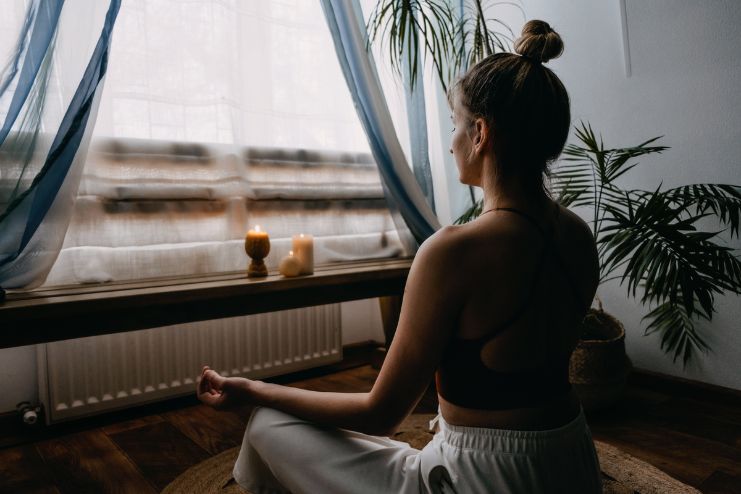
We all like the idea of self-care. But most of us have been sold a version that feels out of reach—too expensive, too indulgent, or just not realistic. The truth? Self-care isn’t about fancy face masks or weekend retreats. It’s about giving yourself what you actually need.
Let’s debunk some myths that keep getting in the way:
- “Self-care is selfish.”
This one’s loud and wrong. You can’t pour from an empty cup. When you rest, you show up better for everyone around you. It’s not selfish—it’s service with boundaries.
- “It has to be luxurious or expensive.”
Some of the best self-care is completely free. A quiet walk. Turning off your phone. Sitting in silence. It’s not about money—it’s about attention.
- “I don’t have time.”
Everyone’s busy. But we make time for what we value. Even 2 hours of focused rest can shift your whole week. Start small. You’ll feel the difference.
Once I stopped believing these lies, self-care stopped feeling like a luxury and started feeling like a lifeline. And guess what? It became so much easier—and guilt-free.
The Science Behind Taking a Break
If you’ve ever felt guilty for resting, here’s something to hold on to: your brain needs downtime. And no, that’s not just a “nice-to-have”—it’s backed by science. Rest isn’t laziness. It’s maintenance.
- Cognitive performance: Studies show regular rest improves memory, decision-making, and creative thinking. Your brain literally works better when you pause.
- Emotional balance: Recovery time helps lower cortisol (the stress hormone) and supports emotional regulation. It’s like emotional first aid.
- Physical health: Rest isn’t just mental—it impacts your body too. It lowers inflammation, supports your immune system, and even benefits heart health.
Neuroscientists, psychologists, and wellness experts—they all agree. We’re not wired to go full-speed, 24/7. Breaks aren’t a weakness. They’re how you stay strong. Taking time off is not a risk to your productivity—it’s an investment in it.
Read More: 20 Health Benefits of Meditation According To Science
Lessons I Learned (And Why You Should Try It)

This wasn’t just a feel-good project. It was a reset that changed how I live—and how I want to live moving forward. I didn’t just learn how to take care of myself. I remembered why it mattered in the first place.
- Rest isn’t something you earn—it’s something you need to schedule. Waiting until you’re exhausted to stop is not a strategy.
- Self-care isn’t indulgent—it’s maintenance. You don’t wait for your car to break down before giving it a tune-up. Same goes for you.
- Small rituals make a big impact. Lighting a candle, journaling for 10 minutes, taking a long shower—these tiny acts, repeated regularly, lower your stress baseline over time.
- Doing nothing is not a waste. Sometimes, the most healing thing you can do is pause. No agenda. No pressure. Just space to be.
If you’re running on fumes, try this: block off a day. Or a half-day. Or even two hours. Make it yours. No errands. No obligations. Just care. You’ll be surprised how much it gives back.
Conclusion
What began as a quiet rebellion against burnout turned into a radical act of self-respect. Taking one day each week to pause wasn’t about being lazy or escaping—it was about finally listening. Listening to the mind that needed stillness, the body that craved rest, and the heart that had been whispering for attention. Through four weeks of intentional self-care, I discovered that recovery isn’t a luxury—it’s a life skill.
The biggest shift wasn’t external—it was internal. I stopped measuring my worth by how much I produced and started honoring how I felt. I no longer saw rest as a reward I had to earn but as a rhythm my life needed. That one self-care day became a reset button that grounded the chaos, softened the stress, and restored parts of me I didn’t even know were tired.
So if you’ve been running on fumes, hear this: you don’t need permission to pause. Start with one day—or even one hour—that’s fully yours. Unplug. Slow down. Feel. Rest. Not to escape life, but to return to it with a clearer mind, a fuller heart, and a stronger sense of who you are beneath the noise.
References
- https://www.nimh.nih.gov/health/topics/caring-for-your-mental-health
- https://www.mentalhealthfirstaid.org/2022/03/how-and-why-to-practice-self-care/
- https://www.webmd.com/mental-health/psychological-benefits-of-routine
- https://stellishealth.com/how-to-establish-a-self-care-routine-that-actually-sticks/
- https://mhanational.org/resources/creating-healthy-routines/
- https://www.goodhousekeeping.com/health/wellness/g25643343/self-care-ideas/
- https://www.snhu.edu/about-us/newsroom/health/what-is-self-care
In this Article