







My heart started beating fast, and soon I broke into a sweat with my feet trembling and my mind blank. This was something that left me shaken for the longest time, until I came to know more about it. The situation I faced was a classic case of a panic attack. It can happen to anyone, and only with the right knowledge can you find ways to prevent or treat it.
Did you ever have a wave of fear wash over you, your heart racing, breath caught short, and a feeling that something is wrong when all seems okay? If so, you may have had a panic attack.
Understanding how to know if you’re experiencing a panic attack can be a lifesaver. These attacks can be intimidating, but they’re also more prevalent and more tractable than you may realize. Here, we will discuss the most important panic attack symptoms, how to distinguish them from anxiety attacks, and what to do in a panic attack to take back control.
Read More: 12 Ways To Stop Panic Attack – Know How To Tame The Demons Inside
What Is a Panic Attack?
A panic attack is a sudden attack of extreme fear or bodily distress that builds extremely fast. Most panic attacks reach a peak within 10 to 20 minutes, but those are forever minutes. Some only have one or two in their lifetime, but others experience them more often, usually without notice.
While they may feel very scary, panic attacks aren’t dangerous. They are the body’s overreaction to something that feels threatening, either real or imagined, and are a burst of adrenaline, fast breathing, and increased body sensations.
Typical triggers include:
- Chronic burnout or stress
- Trauma or unconscious emotional problems
- Phobias (e.g., flying, crowds, heights)
- Life changes
- Some medications or stimulants, such as caffeine
For many, however, there is no apparent trigger at all, and so the experience is even more disorienting.
Key Symptoms of a Panic Attack
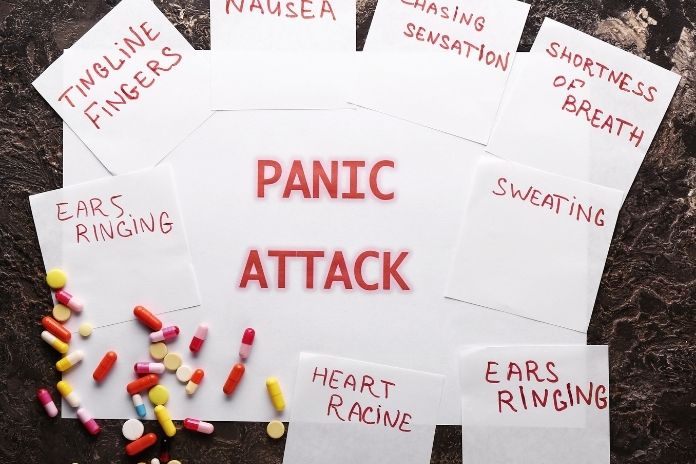
Panic attacks have both physical and psychological signs that erupt rapidly and intensely. Here’s how to identify them:
Physical Signs
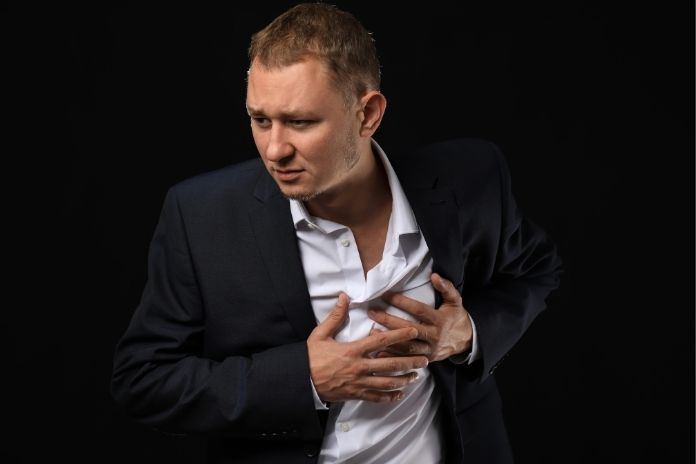
These are usually the most visible and troublesome physical symptoms of a panic attack:
- Racing or Pounding Heart (Palpitations):
Your heart feels like it will explode out of your chest. This is your body’s automatic “fight or flight” response taking hold—even when no threat exists.
- Shortness of Breath or That You Can’t Breathe:
Rapid and shallow breathing, and you feel like you are choking. Other individuals even hyperventilate or gasp for air, which can make dizziness worse.
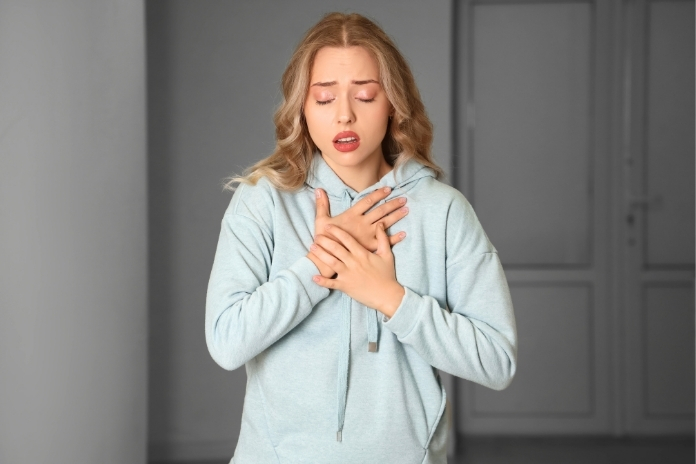
- Chest Pain or Tightness:
The hurt may feel like a heart attack, inducing confusion and fright. It is most often caused by tension in the muscles and shallow breathing, not heart trouble.
- Sweating, Chills, or Sudden Flushing:
You may break out in a cold sweat, be clammy, or have hot flashes as your nervous system attempts to stabilize your body temperature under perceived danger.
- Trembling or Shaking:
Adrenaline might cause your hands, legs, or whole body to shake involuntarily, which can be scary if you don’t know why it’s occurring.
- Nausea or Digestive Disturbance:
Your stomach responds vigorously to fear. You can feel queasy, bloated, or even need to vomit.
- Dizziness or Lightheadedness:
The room could spin around, or you could feel as if you were going to faint. Hyperventilation and the adrenaline rush usually cause this.
- Tingling or Numbness (Paresthesia):
A pins-and-needles feeling, particularly in the hands, feet, or face, is typical with intense anxiety. It feels disorienting and contributes to the feeling of panic.
They often intensify very quickly and may feel off track with what’s happening. This disconnection between reality and feeling is part of what makes panic attacks so frightening.
Read More: Why Are Women More Prone to Anxiety Than Men?
Emotional and Cognitive Symptoms
 The mental aspect of a panic attack can be just as horrifying:
- Overwhelming Feeling of Dread or Doom:
You may feel that something awful is going to occur, even if there is no real threat. It’s an illogical fear, but it sure does feel extremely real at the time.
- Fear of Losing Control or “Going Crazy”:
Most people fear they’re cracking up or losing their minds. It’s a normal response to overwhelming stress, not an indication of a mental breakdown.
- Depersonalization:
Some feel as if they’re detached from themselves or that the world around them isn’t real. They have an “out-of-body” feeling. It’s your brain attempting to deal with overload.
- Fear of Dying:
Because the symptoms resemble a heart attack or severe illness, it’s common to feel like you’re dying, even though the episode is temporary and harmless.
Panic Attack vs. Anxiety Attack: What’s the Difference?
Although the terms are often used interchangeably, panic attacks and anxiety attacks are not the same:
 Understanding this difference makes it easy to opt for the right coping mechanisms and treatment methods.
What to Do If You’re Having a Panic Attack
Panic attacks are beyond your control, but you can cope. These are easy and tested ways of helping you weather the storm:
Practice Grounding Techniques

Grounding helps in bringing your attention back to the here and now and decreases the blinding spiral of fear.
- Use the 5-4-3-2-1 Technique:
In this technique, you name 5 things you see, 4 things you feel, 3 things you hear, 2 things you smell, and 1 thing you taste. This activates your senses and breaks up racing thoughts.
- Name Objects or Colors Close to You:
For this, you must verbally identify what you notice around you.”The wall is blue. There’s a lamp on the table. That’s a chair.” This brings your brain back to the present and keeps you in touch with reality.
- Hold On to a Grounding Object:
A rough object, a cold water bottle, or a rock in your hand can make you physically feel grounded.
Concentrate on Your Breathing
Tight breathing feeds the symptoms of panic. Taking control of your breath again can break the cycle.
- 4-4-6 Breathing:
Breathe in deeply for 4 seconds, hold for 4 seconds, and slowly breathe out for 6 seconds. This exercise relaxes your nervous system and reduces your heart rate.
- Box Breathing:
Breathe in for 4 seconds. Hold for 4. Breathe out for 4. Hold for 4. Repeat for a few rounds to restore rhythm and concentration.
- Belly Breathing:
Put one hand on your chest and the other on your stomach. Breathe so that only your stomach moves. This activates your body’s relaxation response.
Remind Yourself: This Will Pass
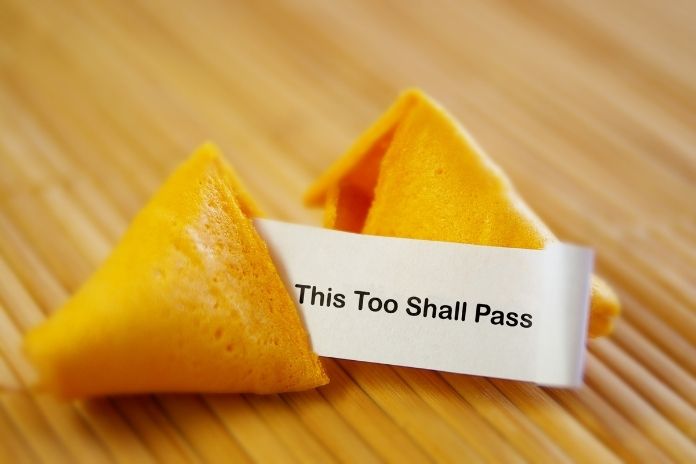
A panic attack always passes, although it may not seem like it at the time.
- Use Reassuring Self-Talk:
Say to yourself: “This is a panic attack. It’s unpleasant, but this too shall pass.”
Calling it by name makes it easier.
- Avoid Fighting the Attack:
Resisting panic can increase its intensity. Try to accept the sensations without judgment, knowing they’re temporary.
Move or Stretch Gently

Movement helps release the adrenaline that floods your system during a panic attack.
- Walk Slowly or Pace:
Gentle walking signals your body that you’re safe and helps your nervous system return to baseline.
- Shake It Out:
Lightly shake your arms or stretch your limbs. This can break the freeze response and reset your system.
- Stretch Your Neck and Shoulders:
Tension tends to accumulate in these regions. Gradual, deliberate motion can lead to rapid relief.
When to Ask for Help

When panic attacks occur regularly or start interfering with everyday life, a professional can help:
- Therapy, particularly Cognitive Behavioral Therapy (CBT), is among the strongest solutions. It allows you to learn triggers and change thought patterns.
- Medication, including SSRIs or anti-anxiety medication, can be prescribed for continued control.
- A medical exam might be required to exclude heart or thyroid problems, particularly if your symptoms are new or unexpected.
Final Thoughts
They can feel like a tidal wave of fear and physical discomfort, but in all truth, panic attacks are treatable and manageable. The first useful step is knowing the signs. With the proper tools, support, and attitude, you can cut down on their frequency, master the present moment, and cease fearing the fear itself.
You don’t have to fear a panic attack as ways to relieve stress are always available. Taking help is not taboo, and it can only make things better. Remember, you must understand what’s going on inside your body and mind.
References
- https://www.ncbi.nlm.nih.gov/books/NBK279297
- https://adaa.org/learn-from-us/from-the-experts/blog-posts/consumer/ssris-and-benzodiazepines-general-anxiety
- https://www.practo.com/healthfeed/panic-attacks-signs-and-symptoms-27068/post
- https://www.nimh.nih.gov/health/publications/panic-disorder-when-fear-overwhelms
- https://www.betterhealth.vic.gov.au/health/conditionsandtreatments/panic-attack
In this Article