










“High-protein,” “lean muscle formula,” and “fat-burning blend,” you’ll see plenty of these claims on a protein powder label that might catch your eye without revealing what will really help you in your quest for fitness and health. Many products use flashy marketing to mask high sugar content, artificial ingredients, cheap protein sources, or inflated protein counts that sound good but really don’t provide much. With every company claiming it has the best “effect,” it can be tough to know which supplement is best for you.
In practice, when assessing a protein powder, only a few label components are significant. What matters most when reading a protein powder label is explained in this article, rather than concentrating on hype.
Read More: Top PCOS-Friendly Protein Powders for Energy & Metabolism Support
Start with the Protein Content per Serving
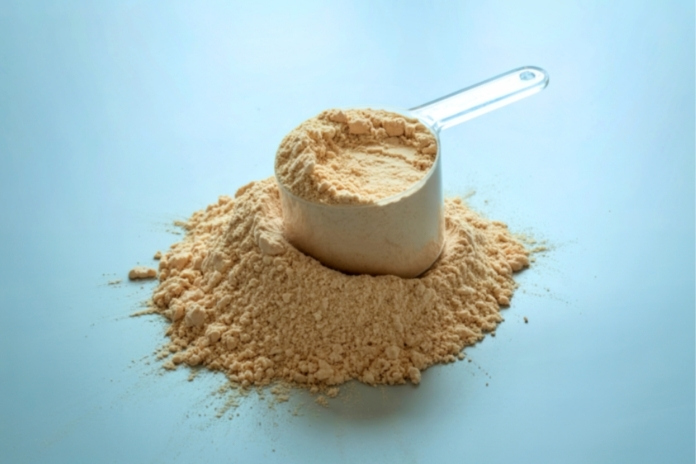
The first thing to look for when selecting a protein powder is the grams of protein per serving, not the label’s stated scoop size. Brands differ greatly in scoop sizes, with some appearing larger merely to give the impression that the product is more generous. The amount of real protein in each serving is what counts, as it directly impacts daily protein intake, muscle repair, and recovery.
Here’s why that matters. A product’s protein content per scoop decreases when its actual protein content is lower, and its carbohydrate, fat, or filler content is higher. The tub runs out faster, and the price per gram also goes up if you need a larger scoop to achieve the same protein goal.
The idea is not that bigger scoops are inherently detrimental. The problem is that serving size might mask a product’s actual protein density. The protein density on the label becomes more significant than the headline number when you are aiming for a certain amount, like 25-30 grams of high-quality protein after working out.
Check the Protein Source First
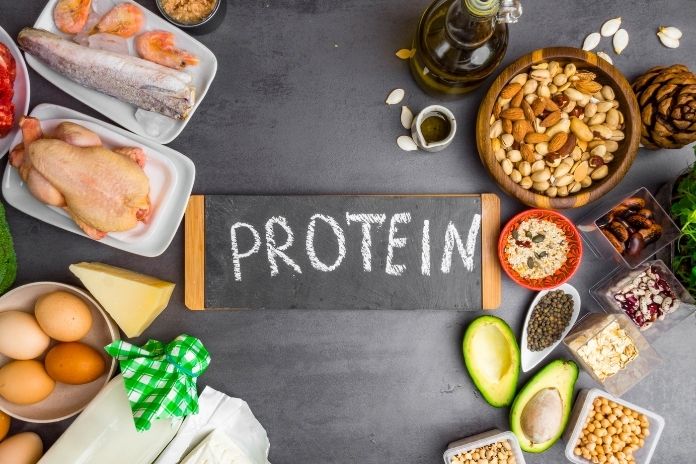
When buying protein powder, the source of the protein is essential, as there are both plant- and animal-based options. Since they all serve a specific purpose and meet diverse dietary needs, it’s necessary to choose one that aligns with your health goals.
Whey protein: Also made from milk, whey is a complete protein that your body can absorb quickly and provides all the essential amino acids. Whey protein powders like our organic superfoods powder are ideal for post-workout recovery.
Casein Protein: Derived from milk, casein provides amino acids slowly during digestion. People often use it to support muscle recovery overnight.
Pea Protein: Usually not a complete protein unless paired with other sources, pea protein provides a plant-based alternative that is high in iron and readily digestible.
Soy Protein: Vegans and vegetarians can consume soy protein, a complete plant-based protein that supports heart health and offers other health benefits.
Hemp Protein: Made from hemp seed, it contains less protein than other sources but is high in fiber and omega-3 fatty acids.
You should verify whether the protein is complete or needs supplementation by checking labels that identify the protein source.
Look at the Amino Acid Profile (or Leucine Content)
We must consider the amino acid profile alongside the overall protein content. We can classify proteins into two groups: complete and incomplete proteins. Complete proteins contain all of the essential amino acids and the amino acids your body cannot produce by itself. Incomplete proteins do not include, or do not contain enough of, crucial amino acids.
While plant-based protein powders such as hemp, brown rice, and pumpkin seed protein are incomplete, animal-based protein powders like whey and casein are complete.
To guarantee that all of the required amino acids are present in sufficient numbers, you should ideally use a complete protein powder. Make sure the plant-based protein you select incorporates a variety of protein sources, like rice, hemp, and peas. Even though they come from different protein sources, a good combination can supply all the required amino acids.
The quantity of branched-chain amino acids (BCAAs), which may lessen muscle pain after exercise, is another aspect you must check. Three to four grams of BCAAs should be present in plant-based protein powders, but five to six grams should be present in animal-based protein powders.
Read More: Replenish Your Energy: 6 Best Protein Powders for Men’s Muscle Recovery
Scan the Ingredient List (Shorter Is Better)

You may learn a lot about the quality of a protein powder by quickly looking over the ingredient list. Shorter ingredient lists are often preferable since they tend to contain fewer artificial additives and fillers.
The first few ingredients make up the majority of the product because they are listed in descending order of weight. A premium protein source should ideally be at the top. If sugar, syrups, or fillers appear first on the ingredient list, the product is more of a dessert than a supplement.
Check your protein supplement’s ingredient list for any counterfeit ingredients, fillers, or additives. Typical additions consist of:
- Thickeners
- Sweeteners
- Flavors
Small doses may enhance texture, but excessive use might lead to gastrointestinal distress and contribute extra calories.
Watch for Added Sugars and Sweeteners
Manufacturers sweeten protein powders with added sugars and natural or artificial sweeteners.
Stevia, monk fruit, and agave nectar are examples of natural sweeteners. Additionally, aspartame and sucralose are examples of artificial sweeteners.
Check out the Nutrition Facts label if you’re sensitive to artificial sweeteners or prefer natural solutions.
Be wary of added sugar. Even a small amount may lessen a protein powder’s nutritional value and health benefits.
Understand Calories, Fats, and Carbohydrates
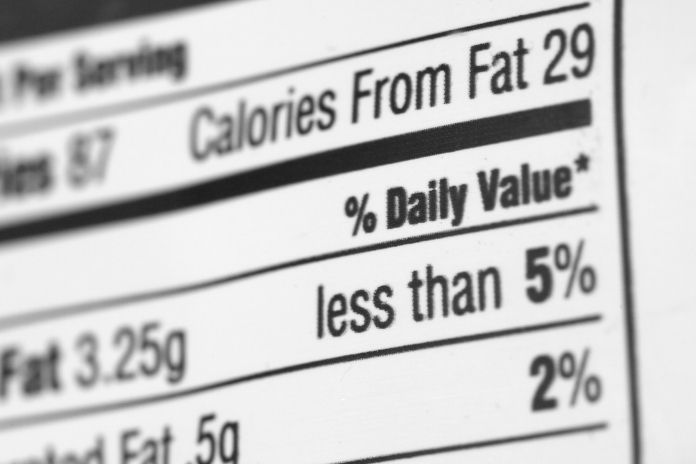
Protein powders can vary widely in their calorie, fat, and carbohydrate content, despite many consumers purchasing them under the impression that they are naturally low in calories.
Therefore, it’s very crucial to align the macronutrient composition with your individual objectives rather than the product’s marketing claims. Lean or low-calorie is not usually implied by the term “fitness.”
The type of protein and any additional ingredients determine each meal’s calorie count. For instance, proteins with added sugar will have more calories overall.
Choose a lean protein source with 100–120 calories per serving. You could go higher than that if you want to gain weight or bulk up. However, if that is your objective, you might also want to consider a mass gainer.
It’s critical to differentiate bulk gainers from elemental protein powders. To encourage weight gain, mass gainers contain substantially more calories and carbohydrates, and sometimes extra fats. The primary goal of regular protein powders is to provide protein with minimal additives.
Protein Percentage: A Quick Quality Check
A protein powder should ideally contain servings that fall within the range of the maximum amount of protein the average human body can effectively process from a single meal for anabolic purposes, so it can perform its fundamental function and initiate muscle protein synthesis.
Based on a model of 0.4 grams of protein per kilogram of lean body weight per meal, the majority of people should try to consume between 20 and 30 grams of protein per meal. Because of this, any serving size of at least 25 grams, whether it’s a bar or a powder, is ideal as a supplemental protein source.
Read More: Shake Up Your Protein Game: 7 Delicious Protein Shakes Available on Amazon
Fortified Ingredients and “Extras” to Be Cautious About
Fortified additives, or “extras,” are often included in protein powders to provide the impression that the product is more sophisticated or advantageous. Some additions are merely marketing gimmicks with less actual value, but others can be beneficial.
Although extra vitamins and minerals seem like a nice-to-have, most individuals already get enough micronutrients through a multivitamin or balanced diet.
Excessive fortification may occasionally lead people to exceed the recommended intake. You must prioritize the protein quality over any unnecessary additional nutrients.
Third-Party Testing and Safety Indicators
Since the FDA doesn’t regulate protein supplements, third-party testing will ensure that you’re actually getting what the label says when and in the amount the label says. Look for seals or certifications that confirm independent testing. Some of the biggest names in third-party testing are ConsumerLab, NSF International, and U.S. Pharmacopeia (USP).
A label can still be third-party tested without one of these seals, but you may need to do some digging into the brand to be sure.
Third-party testing means “what’s in the bottle is what’s on the label.” It doesn’t mean the product is any more nutritious or effective than one that hasn’t been tested.
Marketing Claims You Can Mostly Ignore
The big marketing promises on protein powder packages are meant to grab your attention, but many of them don’t actually mean anything. Terms like “clean,” “lean,” “advanced,” and “premium” aren’t regulated either. These marketing words don’t promise better ingredients or results. A product labelled “premium” can still be loaded with fillers, excess sugars, or shoddy protein. Marketing Claims to Ignore:
- “Clean ingredients,” “natural flavors,” and “workout fuel” are all unclear terms that don’t ensure quality and may conceal fillers, artificial sweeteners, or additives.
- “High protein” on processed foods typically refers to a highly processed product with additives and isolates rather than a healthier whole food.
- “Sugar-free/no added sugar” typically refers to sugar alcohols or artificial sweeteners, which might upset your stomach.
Read More: 15 Homemade Protein Shakes For Weight Loss You Should Try
Standard Protein Powder Label Mistakes People Make
“Fillers,” added “sugars,” and “scoops” make users feel as if they’re gaining more protein, also known as protein spiking. Pollutants like heavy metals may go unnoticed, allergies may be ignored, and marketing promises may be blindly believed.
Purchasing Based on Price Rather Than Quality: Many consumers choose the least expensive option without considering the nutritional information. Cheap tubs often contain low protein content, artificial sugars, and unnecessary fillers. Supplements are occasionally manufactured with less costly or lower-quality raw materials or with less stringent quality control.
Not Knowing the Difference Between Blends, Isolates, and Concentrates: Protein concentrate has higher levels of lipids and carbohydrates than isolate. For those who exercise moderately or are looking for a more affordable, well-balanced powder, it is an excellent daily protein. Usually, concentrate has a protein concentration of 70-80%.
Ignoring the Ingredient List: Consumers often fail to read the label. Some protein powders contain long lists of stabilizers, thickeners, and flavor enhancers. Even though these substances are usually safe, they may upset your stomach or reduce the nutritional value of the product.
Thinking All Textures and Flavors Are the Same: Taste and texture are more important than most people realize. You won’t use a protein if it tastes chalky or doesn’t combine well. Inconsistency and financial waste can result from these perceptions. Brands differ in texture, particularly in concentrate, isolate, and blends.
Conclusion
While it may always take some effort, learning how to read the protein powder label can pay off big time for your fitness and health accomplishments. It helps you make informed choices rather than relying on misleading claims or attractive packaging.
When you focus on real things like protein content, protein source, ingredient quality, macronutrients, and safety testing, you’ve got a much better shot at picking a product that actually gets you where you’re going instead of letting your choice be derailed by shiny packaging and outrageous marketing claims.
References
- Lindsay Boyers, CN. (2025, October 1). Understanding protein powder labels: How to choose the best protein for you.
- U.S. Food and Drug Administration. How to understand and use the Nutrition Facts label.
- Alisa Bowman. (October 11, 2024). Ingredients to look for in a protein powder.
- Jordan Glenn, PhD. (2026, January 12). Supplement guide | How to read protein labels for quality and density.
- Sophia, Burnett. Protein powder: The what, why, & how to choose.
In this Article