










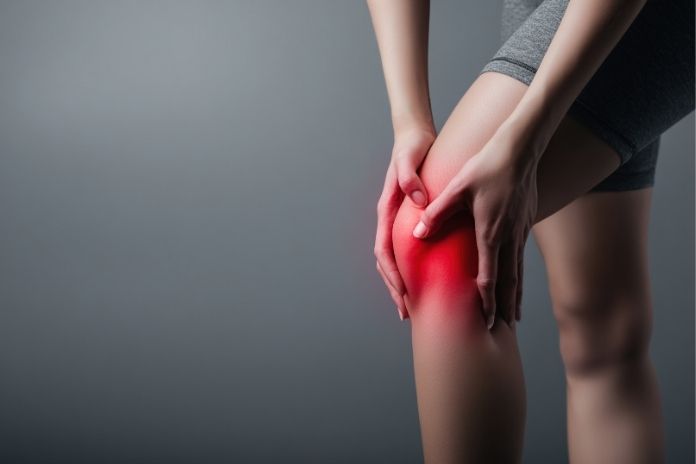



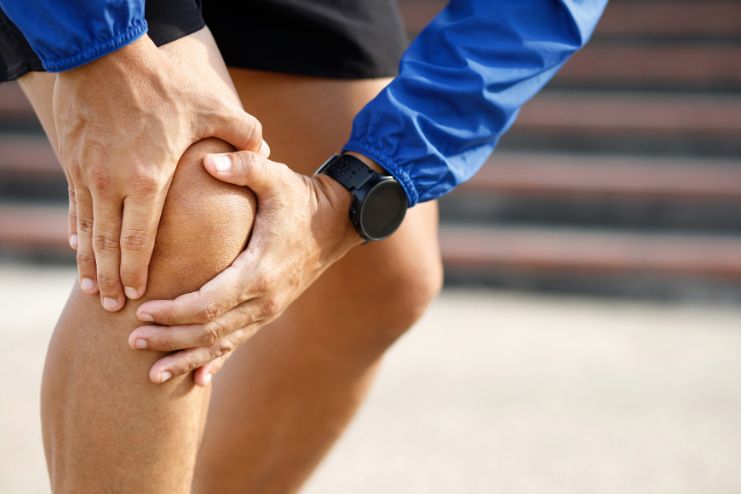
The knees are some of the hardest-working joints in the body, absorbing force and stabilizing movement during every workout. Whether you’re squatting, running, or jumping, your knees are constantly at work—and if not properly cared for, they can quickly become a weak link in your fitness routine.
Conditions like patellofemoral pain syndrome (runner’s knee), meniscus tears, and tendonitis are all too common, sidelining even dedicated athletes. But knee pain isn’t inevitable. With the right approach, you can strengthen, support, and protect your knees through smart exercise habits that future-proof your movement and enhance performance.
This guide breaks down practical, evidence-based strategies that anyone can use to keep their knees strong and safe, whether your goal is to run farther, lift heavier, or simply stay active without discomfort.
Why the Knees Are Vulnerable During Exercise
The knee joint is a powerful yet delicate structure. It acts as a hinge, connecting the thigh bone (femur) to the shin bone (tibia), while the kneecap (patella) glides over the joint to provide leverage and stability.
Though incredibly efficient for movements like bending and straightening, the knee isn’t built to withstand excessive twisting, lateral forces, or abrupt impacts, making it especially vulnerable during physical activity.
Unlike the hip or shoulder, which are ball-and-socket joints designed for multi-directional movement, the knee is primarily built to flex and extend in a single plane. That makes it susceptible to injury when forced to move beyond its natural range, such as during sudden changes in direction, uneven landings, or improper form.
During exercise, especially in high-impact or repetitive activities, the knees absorb considerable stress. Three major factors heighten the risk of injury:
- Improper form: Letting your knees collapse inward during squats or lunges, locking your knees on landing, or allowing them to track too far forward places excessive stress on internal stabilizers like the ACL, MCL, and meniscus. These small misalignments, when repeated, can compound over time into serious injury.
- Overtraining: Skipping rest days or overloading the joint without enough recovery increases the risk of chronic inflammation, patellar tendinitis, and stress fractures. Without time to heal, even minor irritations can develop into long-term issues.
- Weak supporting muscles: The knee relies on a kinetic chain of muscles, including the quadriceps, hamstrings, glutes, and calves, for support and alignment. When these muscles are underdeveloped or imbalanced, the knee compensates, absorbing force it wasn’t designed to handle. This often leads to overuse injuries and joint instability.
High-impact activities like running on concrete, jumping exercises (plyometrics), or heavy lifting with poor technique amplify these risks. Every squat rep, stride, or landing multiplies the force on your knee joint, sometimes up to four to six times your body weight, which can gradually wear down cartilage or inflame tendons and ligaments.
In a 2020 study published in the Orthopaedic Journal of Sports Medicine, researchers found that neuromuscular training significantly reduced risky knee biomechanics, specifically valgus collapse and poor landing form, that are linked to ACL injuries. Participants who underwent a targeted training program showed measurable improvements in movement patterns during single-leg landings.
Signs Your Knees Need Attention
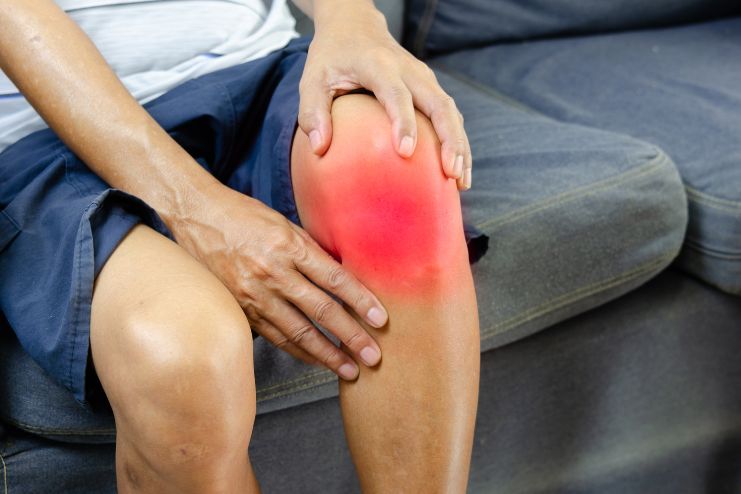
Your body is always sending signals, and when it comes to your knees, paying attention to those early warning signs can mean the difference between a quick adjustment and a long-term injury. While some mild soreness or fatigue after a tough workout is normal, especially when trying new exercises, persistent or unusual knee symptoms should never be ignored.
Here are key signs that your knees may need rest, modification in your training, or a visit to a healthcare professional:
- Mild discomfort that worsens after workouts: If your knees feel fine during exercise but start to ache hours later, or the next day, and that discomfort keeps escalating over time, it may signal an overuse injury like patellar tendinitis or runner’s knee. These injuries often start subtly and can worsen without proper rest and care.
- Clicking, popping, or grinding noises: An occasional painless “pop” is often harmless and caused by gas bubbles in the joint. But if you notice repeated clicking, grinding, or locking, especially when paired with pain or swelling, it could point to meniscus tears, cartilage wear, or joint tracking issues that need attention.
- Swelling or stiffness: Swelling that develops after exercise, even if mild, indicates inflammation or joint irritation. Left untreated, it can limit your range of motion, make everyday movements harder, and increase your risk for further injury.
- Sharp or dull pain during specific movements: If squats, lunges, stairs, or running trigger sharp, stabbing pain or a deep ache inside or around the knee, it’s a red flag. This kind of mechanical pain often leads people to unconsciously change how they move, which can create compensatory strain on other joints like the hips or ankles.
When in doubt, it’s always safer to modify your routine, take rest days, and consult a physical therapist or sports medicine professional. Catching and addressing these early symptoms can prevent more serious injuries and keep you active in the long run.
Dr. Sean Rockett, a Sports Medicine Orthopedic Surgeon, writing for CrossFit emphasized that “Most often, knee pain occurs as a result of overuse, injury, or degeneration … While surgery is sometimes warranted, some knee pain can be treated with physical therapy and proper movement patterns to keep the joint and tendons strong and healthy while recovering.”
How to Protect Your Knees While Working Out
Knee health starts with a proactive approach. Incorporate these strategies into every training session to strengthen, support, and protect your knees.
1. Warm Up the Right Way
Skipping warm-ups is a recipe for injury. Dynamic stretching before exercise primes your muscles, lubricates joints, and prepares your neuromuscular system for movement.
Why dynamic stretching matters: Unlike static stretching (holding a position for 30+ seconds), dynamic warm-ups increase blood flow, activate muscles, and enhance flexibility without reducing power.
Sample knee-friendly warm-up moves:
- Leg swings: Forward/backward and side-to-side to loosen hips and hamstrings.
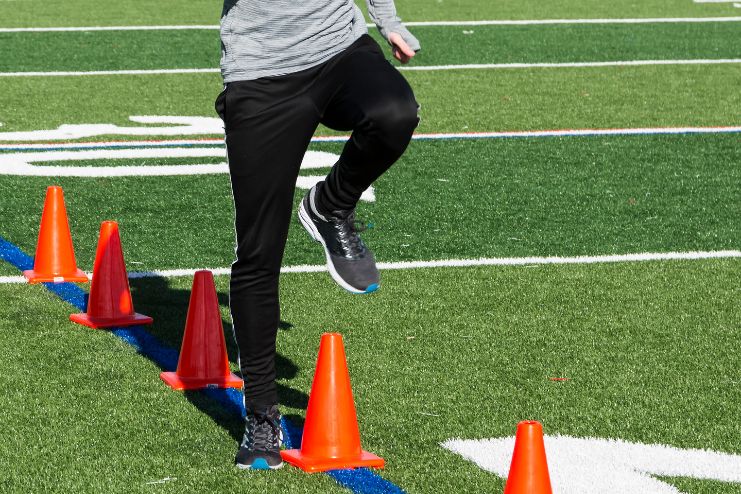
- High knees: Light jogging in place with knees lifted to activate hip flexors and quads.
- Bodyweight squats: Slow, controlled squats to practice form and engage the glutes and quads.
Aim for 5–10 minutes of these movements before every workout.
2. Strengthen Key Muscle Groups
Strong muscles stabilize and offload stress from your knee joint, reducing injury risk. Focus on these essential groups:
- Quadriceps: Control knee extension and absorb shock during landings.
- Hamstrings: Balance the pull of quads and prevent hyperextension.
- Glutes: Control hip and knee alignment, preventing inward collapse.
- Calves: Support lower leg stability, which is important for running and jumping.
Effective knee-strengthening exercises (low-impact options):
- Wall sits: Strengthen quads without excessive joint strain. Slide down a wall into a seated position, knees at 90 degrees, and hold for 20–60 seconds.
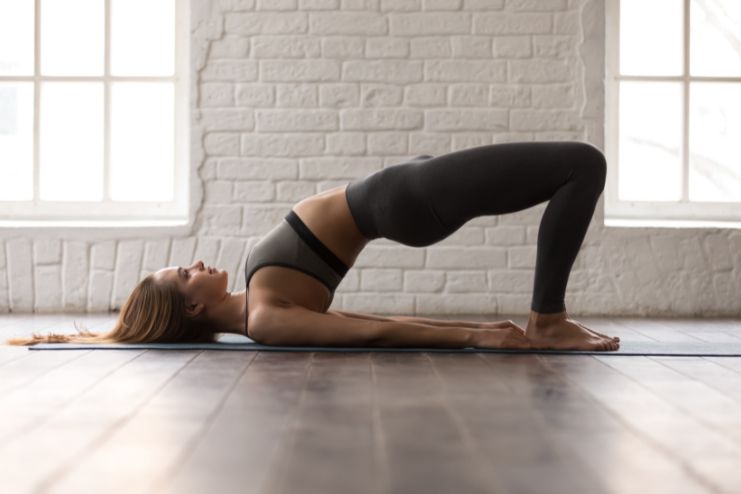
- Glute bridges: Strengthen glutes and hamstrings. Lie on your back, knees bent, lift your hips while keeping your shoulders grounded.
- Hamstring curls: Use a resistance band or stability ball to perform controlled curls, building hamstring strength.
Aim to train these muscle groups 2–3 times weekly, progressing resistance gradually.
3. Improve Your Form and Alignment
Poor exercise form is one of the leading causes of knee injury. The key is alignment, specifically ensuring your knee stays in line with your ankle during lower body movements.
- Knee-over-ankle alignment: When squatting or lunging, your knee should track directly over your second toe, avoiding inward (valgus) or outward (varus) deviation. This alignment reduces ligament stress.
- Avoid locking knees: Standing or lifting with hyperextended knees increases joint strain and risks ligament damage. Keep a slight bend at the top of movements.
- Engage your core: A strong core helps stabilize the pelvis, maintaining proper knee positioning during dynamic exercises like lunges or jumps.
Practicing form in front of a mirror or recording your movements can help identify and correct alignment issues.
4. Modify High-Impact Workouts
High-impact exercises like jump squats, box jumps, or long-distance running can overload knees if not performed with caution or if done excessively. While these exercises can build power and endurance, they aren’t knee-friendly for everyone, especially those with previous injuries or joint pain.
Joint-friendly modifications:
- Replace jump squats with step-ups, which still engage quads and glutes but minimize landing impact.
- Swap running for cycling or swimming, which provide excellent cardiovascular benefits with less joint stress.
- Use equipment like an elliptical machine, which offers low-impact motion with similar benefits to running.
These adjustments reduce strain while maintaining fitness goals.
5. Wear Proper Footwear
Your shoes play a vital role in knee health by absorbing shock and maintaining lower-body alignment.
How footwear affects knees:
- Poorly cushioned or worn-out shoes fail to absorb impact forces, transferring them directly to the knees.
- Shoes lacking proper arch support can cause your foot to overpronate (roll inward) or supinate (roll outward), throwing off knee alignment and increasing injury risk.
When to replace athletic shoes: A good rule is every 300–500 miles for runners or when the soles show uneven wear. For gym shoes, consider replacing them every 6–12 months, depending on use.
In a 2018 systematic review, softer and thicker midsoles were shown to reduce impact forces and loading rates at the knee during running—a cushioning effect that helps absorb shock.
6. Add Mobility and Flexibility Work
Joint mobility and muscle flexibility are essential for healthy, pain-free knees. Tight muscles around the knee and hips can pull joints out of alignment or limit the range of motion.
Effective mobility practices:
- Foam rolling: Targets tight quads, IT bands, and calves, improving tissue elasticity and reducing tension.
- Stretching: Focus on dynamic stretches before workouts and static stretches after.
- Yoga or Pilates: Both enhance flexibility, balance, and mobility, benefiting overall knee health.
Sample stretches:
- IT band stretch: Cross one leg behind the other and lean sideways to stretch the outer thigh.
- Hip flexor stretch: Kneel with one foot forward, shift weight to stretch the hip of the back leg.
Dedicate at least 10 minutes post-workout or on rest days to mobility work for long-term knee health.
Read More: 10 Lying Leg Curl Alternatives: Make Your Knees Stronger
Bonus Tips for Long-Term Knee Health
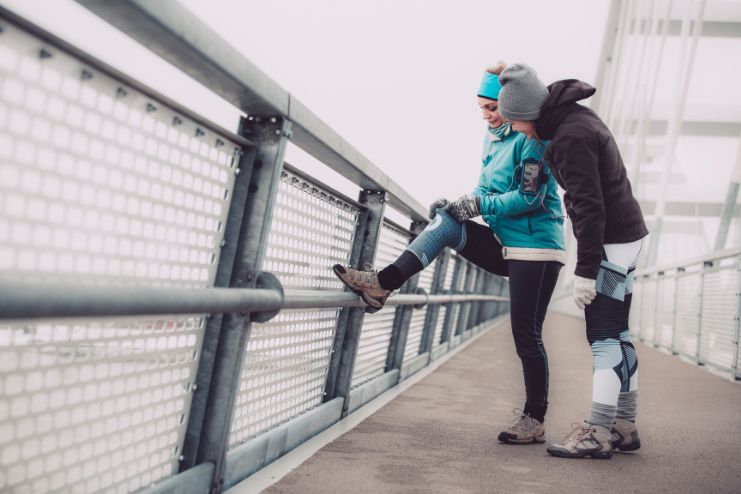
Protecting your knees isn’t just about how you move during a workout; it’s about how you support your body day in and day out. Building habits that prioritize joint care both in and outside the gym is the key to maintaining strong, pain-free knees well into the future.
Here are some powerful strategies to incorporate into your fitness lifestyle for long-term knee resilience:
Cross-Training to Reduce Repetitive Stress
Doing the same movement over and over, especially high-impact ones like running or jumping, can wear down knee cartilage and overstress tendons. Cross-training introduces variety, giving certain joints and muscle groups time to recover while still improving your fitness.
- Alternate high-impact workouts with low-impact options like cycling, swimming, rowing, or yoga.
- This not only prevents overuse injuries but also improves muscle balance, reducing strain on the knees.
Supportive Gear: Sleeves and Braces
For those with prior knee injuries or instability, using support gear strategically can make a big difference.
- Knee sleeves provide light compression, warmth, and increased proprioception, your body’s sense of joint position and movement. This can help reduce injury risk during squats, lunges, and jumping exercises.
- Knee braces, especially those with hinges or straps, may be recommended during post-injury rehabilitation or for sports with lateral movement, offering added stability and support.
Note: Support gear should never replace good form or strong muscles, but it can be an effective supplement in specific situations.
Read More: 10 Must-Have CrossFit Gears To Encourage Your Fitness Goals!!
Nutrition for Joint and Cartilage Health
What you eat directly affects your joints’ long-term health. A joint-supportive diet helps reduce inflammation, protect cartilage, and support tissue repair.
- Omega-3 fatty acids (from fatty fish like salmon, walnuts, and flaxseeds) combat inflammation in the joints.
- Vitamin D (from sunlight, fortified foods, or supplements) aids calcium absorption and supports bone health.
- Collagen and gelatin-rich foods (like bone broth or collagen supplements) may help improve cartilage elasticity and hydration.
- Antioxidants (from berries, leafy greens, and turmeric) help neutralize free radicals that contribute to joint degeneration.
“A well‑balanced diet is very important for bone and cartilage health,” emphasizes Dr. Vinod Dasa, a Board‑certified Orthopedic Surgeon specializing in hip and knee surgery. “Proper hydration with water, calcium, vitamin D, and protein consumption is important for bone and muscle strength.”
Respect Recovery: Rest Days Are Productive Days
Knee injuries often occur when the body is overworked and under-recovered. The tissues around your joints, ligaments, tendons, and cartilage need time to repair and rebuild after strenuous workouts.
- Schedule regular rest days in your weekly routine.
- Listen to your body: if your knees feel sore, swollen, or fatigued, consider swapping a heavy leg session for mobility work, stretching, or gentle movement like walking or yoga.
- Prioritize sleep, it’s when the body performs most of its tissue repair and inflammation control.
Making these habits part of your lifestyle sets the foundation for long-term success, whether you’re chasing personal bests in the gym or simply aiming to stay active, independent, and pain-free as the years go by. Smart training isn’t just about performance today; it’s about protecting your ability to move freely and fearlessly for life.
When to See a Professional
While many knee aches resolve with rest and modifications, persistent or worsening symptoms require evaluation by a healthcare provider.
Seek professional care if you experience:
- Pain that doesn’t improve with rest or worsens over time.
- Difficulty bending or straightening the knee may indicate ligament or meniscus injury.
- Inability to bear weight is a potential sign of serious damage requiring prompt treatment.
A physical therapist can assess movement patterns, strengthen weak muscles, and correct faulty mechanics. For more severe or sudden injuries, an orthopedic specialist can order imaging like X-rays or MRIs and discuss treatment options.
Timely care can make the difference between a quick recovery and long-term issues.
Conclusion
Your knees are the unsung heroes of your fitness journey, bearing load after load without complaint until something goes wrong. Taking care of them isn’t weakness—it’s wisdom and longevity thinking.
Building resilient knees requires consistent, intentional habits: proper warm-ups, perfect form, comprehensive strengthening, balanced training with recovery, and listening to your body’s signals.
Whether chasing a marathon PR, building gym strength, or staying active with age, your knees will be with you every step. The care you give them now determines your future movement, freedom, and strength.
Train smart. Move mindfully. Protect your knees, not because you’re fragile, but because you’re in this for the long run. When your knees are strong, your performance has no limits—and neither do you.
References
- https://www.centerforortho.com/blog/know-your-knees-protecting-a-complex-and-vulnerable-joint
- https://www.webmd.com/osteoarthritis/features/6-ways-to-ruin-your-knees
- https://pmc.ncbi.nlm.nih.gov/articles/PMC2465407/
- https://laorthospecialists.net/5-essential-steps-for-protecting-your-knees-during-exercise/
- https://www.manipalhospitals.com/baner/blog/preventing-knee-pain-during-exercise/
- https://www.highmountainortho.com/4-common-gym-exercises-cause-knee-injuries/
- https://www.orthopedicsportsdoctor.com/blog/how-to-protect-your-knees-during-exercise
- https://www.health.harvard.edu/pain/take-control-of-your-knee-pain
- https://www.arthritis.org/health-wellness/healthy-living/managing-pain/joint-protection/tips-for-healthy-knees
- https://www.samitivejhospitals.com/article/detail/10-essential-tips-for-avoiding-knee-damage
- https://www.ndtv.com/health/ensure-long-term-knee-health-with-these-tips-8747996
- https://joshuaharrismd.com/how-to-keep-your-knees-healthy-long-term/
- https://www.hopkinsmedicine.org/health/wellness-and-prevention/making-knees-new-again
- https://www.asterhospitals.in/blogs-events-news/aster-prime-hyderabad/top-5-tips-take-care-of-your-knees
In this Article