










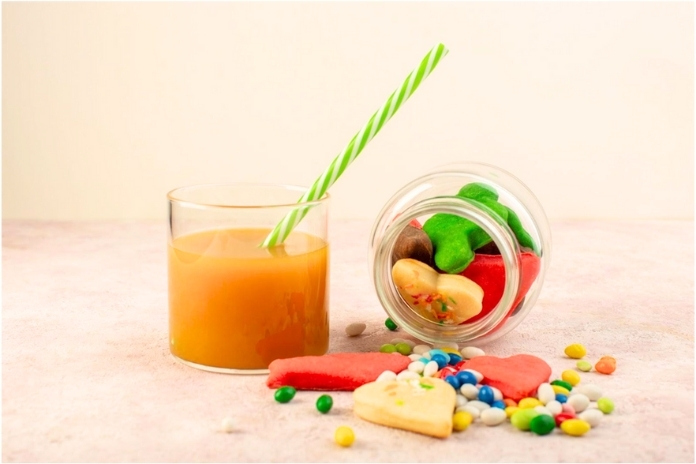

Most advice about sweet cravings sounds the same: drink water, eat fruit, distract yourself, cut sugar. And yet, people who follow this advice still find themselves standing in front of the fridge at night, spoon in hand, looking for something sweet.
That’s because a sweet tooth is rarely about sugar alone. It is not a moral weakness. It is not a lack of willpower. And it is definitely not solved by “just controlling yourself”.
A sweet tooth is usually a pattern created by biology, habits, and timing. Once you understand the pattern, cravings no longer feel mysterious, and they slowly lose their grip.
This article explains why sweet cravings form, what actually keeps them alive, and how to make them fade without feeling restricted or punished.
What a “Sweet Tooth” Really Is

A sweet tooth is not a constant desire for sugar. It is a learned response.
Your brain links sweetness to:
- quick energy
- emotional relief
- mental reward
- stress calming
- familiarity
Over time, the brain stops asking “Am I hungry?” It starts asking, “Which sweet can I eat?”
This is why someone can feel full after dinner and still crave dessert. The craving is not coming from the stomach. It is coming from neurochemical expectation.
Individual Differences in Sweet Response
Max Planck’s research shows that high-cravers release more immediate dopamine from sugar before gastric signals. A PMC review study notes that dopamine antagonists (substances that block or dampen dopamine’s signals) reduce sweet value variably across people, suggesting personalized patterns.
Why Sweet Cravings Feel So Strong

Sweet foods activate dopamine, the same chemical involved in motivation and reward.
But dopamine does not just create pleasure; it creates anticipation.
When sweets are eaten:
- irregularly
- after restriction
- during stress
- as a “treat.”
…the brain learns to overvalue them.
This is why:
- The first bite feels euphoric
- The second bite feels normal
- The third bite feels unnecessary, but still happens
The strength of a sweet craving is not about taste. It is about how rare, emotional, or forbidden the food feels.
Blood Sugar Swings That Fuel Sweet Cravings
Many sweet cravings are not emotional; they are reactive.
When meals are:
- Very low in protein
- Mostly refined carbohydrates
- low in fiber
- Delayed for long hours
- Eaten in small portions repeatedly
Blood glucose rises and falls quickly. The drop creates urgency. The body responds to falling blood sugar levels with stress hormones. That internal stress is felt as restlessness, irritation, a shaky feeling, mental fog, or a strong desire for something sweet.
The craving is not the problem. The swing is the problem. Very few people connect their craving at 4 pm or 9 pm with what their lunch actually contained. Part of the problem is that many meals feel balanced but quietly push blood sugar up faster than expected.
“If you make bread, there is no additional sugar. But in all the bread at the grocery stores, there is a teaspoon of sugar in every slice,” says Dr. Domenica Rubino, an endocrinologist.
When meals rely heavily on these foods, the rise-and-drop cycle becomes easier to miss, and the craving may show up later.
Glycemic Load and Brain Fuel
High-glycemic-load post-carb breakfasts spike blood sugar fast, then crash it, revving up the brain’s ventral striatum—a reward center that screams for more food.
This creates intense “fast fuel” hunger signals mid-morning. Pairing carbs with protein, fat, or fiber (e.g., eggs on toast) slows the absorption of sugar for steady energy.
Result: fewer cravings and steadier brain fuel, according to studies in Nutrients.
Undereating and Dieting Can Make a Sweet Tooth Worse
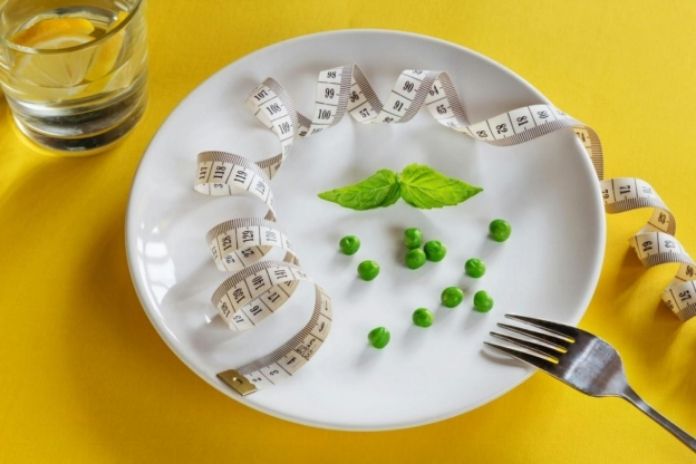
Trying to eat “less” is one of the fastest ways to increase food fixation. As clinical dietician Beth Czerwony explains,
“If you do not eat the whole day because you’ve been busy or you’re not hungry, then you’ll be way past hungry by the time you get home. And then, you’ll end up having one big meal right before bed or stopping at a drive-thru.”
When the body senses an energy shortage:
- Hunger hormones rise
- Stress hormones increase
- Appetite regulation becomes chaotic
The underlying mechanism is that energy deficits upregulate D1 dopamine neurons in the dorsal striatum, biasing survival toward calorie-dense sweets, according to a 2025 study.
The brain becomes biased toward high-reward foods, especially sugar. This is why people who diet “clean” all day:
- Crave sweets intensely at night
- Lose control around desserts
- Feel guilty after eating sugar
The craving is not a failure response. It is a predictable survival response. A sweet tooth often calms down not when sugar is cut, but when enough food is eaten regularly.
Stress, Sleep, and Emotional Triggers

Stress and sleep directly change how your brain responds to sweet taste. When you are sleep deprived:
- Hunger hormones increase
- Impulse control reduces
- Reward seeking increases
Your body is not asking for sugar. It is asking for rest. But the brain accepts sugar as a temporary substitute.
Emotional stress works similarly. Sweet foods lower stress perception for a short period. Not because they solve the problem, but because they reduce nervous system arousal briefly.
A very common hidden pattern is high workload days, emotional pressure, and mental overload, followed by strong evening sugar seeking. This is not emotional weakness. It is nervous system fatigue.
Remember: Not all emotional eating is bad. The problem starts when sweets become the only coping tool. When life feels heavy, the brain looks for the fastest comfort it knows. That comfort is often sweet.
Can a Sweet Tooth Actually Go Away?
Yes, but not by fighting it. A sweet tooth fades when:
- blood sugar becomes stable
- Food is no longer scarce
- Sweets stop being emotionally charged
- meals feel satisfying
Cravings do not disappear overnight. They lose urgency. You stop thinking about sweets all day. You stop feeling out of control around them. You can eat them occasionally without obsession. That is what “going away” actually looks like.
Evolutionary Roots
Humans evolved a sweet preference for ripe fruit energy because it was rarely available then, but modern hyperpalatable foods bypass this occasional availability by being readily available and easy to overconsume.
Hence consuming sugar only occasionally can mimic how it was consumed historically and help prevent dependence.
So the real problem is constant exposure, not sweetness itself.
Eating Habits That Help a Sweet Tooth Fade
The most effective changes are boring—but powerful.
1. Protein at every meal
Protein reduces reward-driven eating and stabilizes appetite signals.
2. Carbs paired with fat or fiber
This slows sugar absorption and prevents crashes.
3. No long fasting gaps (unless intentional and well-tolerated)
Hunger makes cravings louder.
4. Eat enough earlier in the day
Under-fuelled mornings often create over-cravings at night.
5. Predictable meals
The brain calms down when food feels reliable.
None of this requires cutting sugar completely.
Smarter Ways to Satisfy Sweet Cravings
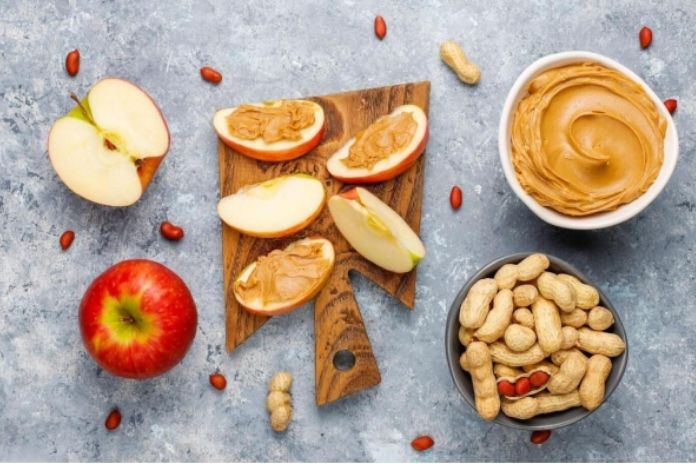
Ignoring cravings often backfires. Overindulging reinforces them. The middle path works best.
Examples:
- fruit with nut butter instead of fruit alone
- dark chocolate after a meal instead of on an empty stomach
- yogurt with dates instead of sugary desserts
- homemade sweets eaten mindfully, not secretly
The goal is not to replace sugar with “healthier sugar”. The goal is to remove urgency.
When sweets stop feeling special, the craving weakens.
The Role of Artificial Sweeteners
Artificial sweeteners are not evil, but they are misunderstood.
They:
- provide sweetness without calories
- can help reduce sugar intake in the short term
- Do not fix the craving pattern long-term
For some people, frequent artificial sweetness:
- keeps the brain expecting a sweet taste
- increases the desire for real sugar later
- disconnects sweetness from satiety
This does not mean they must be avoided. It means they should not become the main strategy. A sweet tooth fades when the need for sweetness reduces, not when sweetness is endlessly substituted.
Read More: Dark Chocolate and Heart Health: How a Sweet Treat Supports Circulation
Habit Changes That Reduce Automatic Sugar Seeking
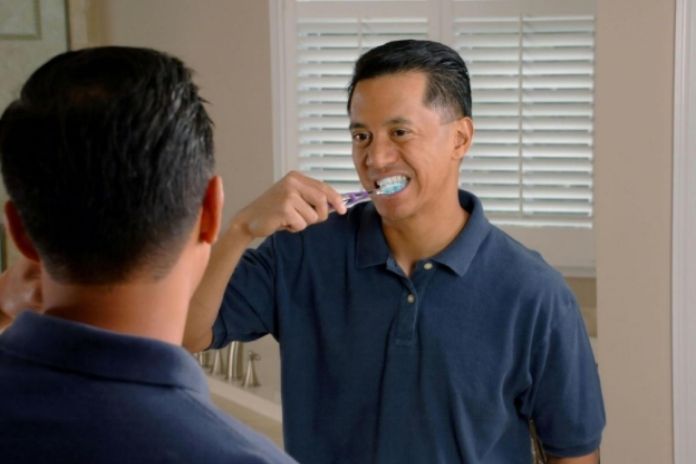
Sweet cravings often happen automatically. Simple habit shifts help:
- Brushing teeth after dinner
- Changing evening routines
- Not keeping trigger foods visible
- Eating sweets intentionally, not casually
- Reducing screen-snacking
These are not discipline tools. They are environmental controls. You don’t fight cravings; you make them less frequent.
Read More: How to Control Your Sweet Tooth in 15 Steps
When Sweet Cravings May Signal a Health Issue
Sometimes cravings are persistent despite good habits. Possible contributors:
- iron deficiency
- magnesium deficiency
- poor sleep quality
- insulin resistance
- hormonal fluctuations
- chronic stress
This does not mean cravings always signal disease. But if sweet cravings feel compulsive, extreme, or unmanageable, it is worth investigating rather than blaming behaviour.
Read More: Craving Sweets? Try These Delicious Low-Sugar Desserts!
How Long Does It Take for a Sweet Tooth to Calm Down
For most people:
- 7–10 days: cravings feel less intense
- 2–3 weeks: patterns start shifting
- 4–6 weeks: sweets lose urgency
This assumes adequate food intake, stable meals, reduced restriction, and better sleep. There is no detox timeline. The nervous system simply learns that food is safe and available.
Read More: Maple Syrup vs. Honey: Which Sweetener Is Better for Your Health?
Final Thoughts
A sweet tooth is not a failure of willpower, something to defeat. It is something to understand and outgrow.
The brain doesn’t crave sugar randomly. It reaches for sweetness when something else is missing: stable energy, adequate food, emotional relief, or simply the reassurance that pleasure is still allowed.
The irony is that the harder you fight sweet cravings, the stronger they often become. Restriction creates scarcity. Scarcity amplifies desire. And desire, when denied repeatedly, eventually turns into compulsion.
But when you approach cravings mindfully instead of with shame, something shifts. You start noticing patterns that show your body is trying to solve a problem.
The solution isn’t to eliminate sugar entirely or replace it with endless substitutes. It’s to build a foundation where cravings lose their urgency.
- Undereating and irregular meals often worsen sugar cravings
- Stable blood sugar reduces craving intensity naturally
- Artificial sweeteners may help in the short term, but do not retrain the brain.
- When sweets become just another food option rather than a rare treat or guilty pleasure, they naturally occupy less mental space
- Long-term studies on craving reduction focus heavily on sugar avoidance, but very little research examines meal timing, adequacy, and predictability as craving-regulation tools
- Research is also needed on examining fiber-protein combos in diverse population
FAQs
1. Should I completely stop eating sugar to lose my sweet tooth?
No. Complete avoidance often strengthens cravings instead of reducing them.
2. Why do I crave sweets even after eating enough?
Habit, stress, or emotional association, not hunger.
3. Are fruit cravings the same as sugar cravings?
Not always. Fruit cravings often indicate energy or carbohydrate needs.
4. Can stress alone cause sweet cravings?
Yes. Stress increases the brain’s need for quick comfort.
5. Do sweet cravings mean poor self-control?
No. They usually reflect unmet physiological or emotional needs.
References
- Cleveland Clinic. (n.d.). How To Stop Your Cravings for Carbs. Cleveland Clinic.
- Cleveland Clinic. (2023, March 16). How To Break Your Sugar Addiction. Cleveland Clinic.
- Daza, E. J., Wac, K., & Oppezzo, M. (2019). Effects of Sleep Deprivation on Blood Glucose, Food Cravings, and Affect in a Non-Diabetic: An N-of-1 Randomized Pilot Study. Healthcare, 8(1), 6.
- Avena, N. M., Rada, P., & Hoebel, B. G. (2007). Evidence for sugar addiction: Behavioral and neurochemical effects of intermittent, excessive sugar intake. Neuroscience & Biobehavioral Reviews, 32(1), 20–39.
- Jacques, A., et al. (2019). The impact of sugar consumption on stress driven, emotional and addictive behaviors. Neuroscience & Biobehavioral Reviews, 103, 178–199.
- Malik, T., et al. (2021). Sugars and sweet taste: Addictive or rewarding?
- Max Planck Society. (n.d.). How does sugar influence our brain? Max Planck Institute for Metabolism Research.
- Harvard T. H. Chan School of Public Health. (n.d.). Cravings. The Nutrition Source.
- Westwater, M. L., Fletcher, P. C., & Ziauddeen, H. (2016). Sugar addiction: The state of the science. European Journal of Nutrition, 55(Suppl 2), 55–69.
In this Article