













Did you know that just 150 minutes of moderate cardio per week can reduce your risk of cardiovascular disease by up to 30%? Despite this powerful statistic, many fitness enthusiasts still approach cardiovascular exercise haphazardly, missing out on its incredible benefits.
Cardiovascular exercise is widely regarded as one of the most effective workouts for improving overall fitness and heart health. While many people skip cardio and jump straight into strength training, cardiovascular exercise remains a cornerstone of comprehensive fitness programs. Regular cardio training is particularly valuable for reducing the risk of heart disease and improving overall cardiovascular health.
Before beginning any cardio routine, it’s important to set realistic, achievable goals. This approach not only helps you maintain proper form and technique but also maximizes the benefits you’ll gain from your workouts. By implementing smart strategies and techniques, you can make your cardio workouts more effective and efficient.
The optimal cardio session should last 20-30 minutes and include moderate to high-intensity exercises. By focusing on both intensity and duration, you can maximize cardiovascular benefits while saving time for other aspects of your fitness routine.
Read More: Zone 2 Cardio: Why Everyone’s Talking About This Low-Intensity Workout
Ways to Make Your Cardio Smarter
11. Focus on Your Heart Rate
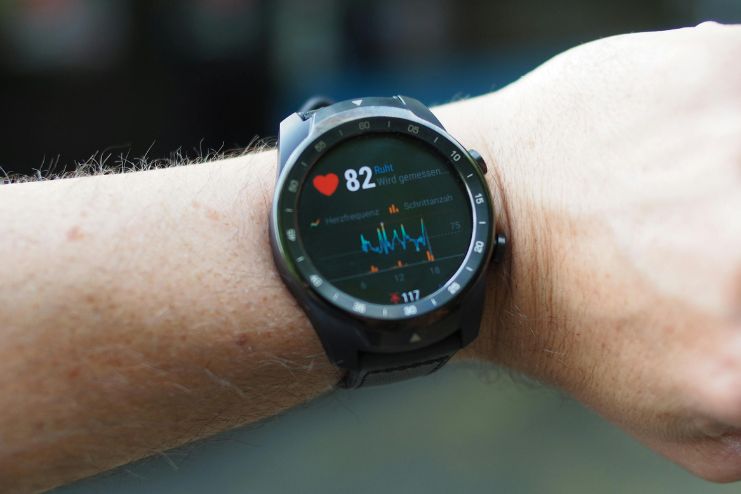
Monitoring your heart rate during cardio workouts is essential for maximizing effectiveness. Fitness experts consistently recommend tracking heart rate to measure workout intensity accurately. Even when you feel like you’re working hard, a heart rate monitor provides objective data about your actual effort level.
Heart rate monitoring helps you track changes throughout your workout, allowing you to adjust intensity as needed for optimal benefits. Rather than exercising blindly, you’ll have a clear target to guide your training. This approach ensures you’re working at the right intensity level and using proper techniques throughout your session.
Dhanalakshmi V, chief physiotherapist, Manipal Hospitals, Bangalore, explained, “Those with a sedentary lifestyle must rely on two things when starting any exercise routine: the intensity (calculated as maximum heart rate, which is 220 minus their age) and the BORG scale.” The Borg Rating of Perceived Exertion (RPE) measures the intensity of one’s workout.
22. Monitor Heart Rate Recovery
Analyzing how quickly your heart rate drops after intense exercise provides valuable insights into your fitness level. Experts recommend checking how rapidly your heart rate decreases after 2-3 minutes of high-intensity work.
While many people focus on how their body responds during high-intensity exercise, they often overlook heart rate recovery patterns. According to fitness professionals, you should aim for a heart rate drop of at least 10 beats per minute after completing your workout. This recovery rate indicates good cardiovascular fitness and proper training adaptation.
33. Develop Cardiac Strength
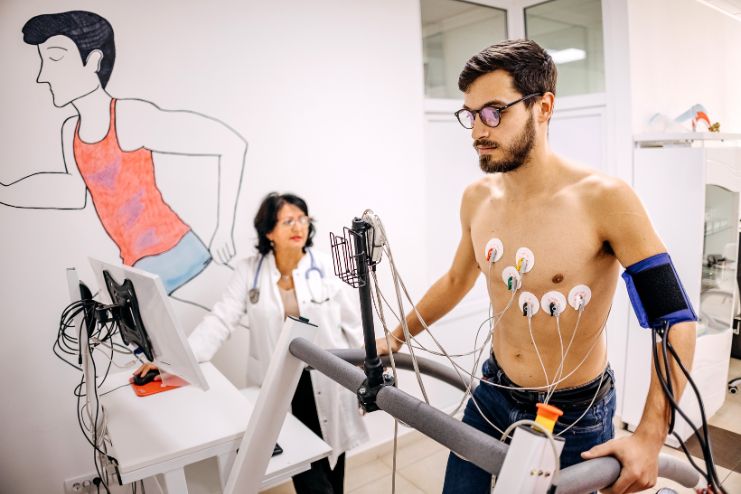
Cardiac strength refers to your body’s ability to sustain high-intensity exercise for extended periods. You can build this capacity by strategically using interval training during your workouts.
Try running on a treadmill at maximum effort for 20-30 seconds, then walk to allow your elevated heart rate to recover. During the high-intensity phase, your heart rate should reach 85-90 percent of maximum, then decrease to around 60 percent during the recovery walk. This pattern of elevating and recovering your heart rate builds cardiac strength and delivers significant health benefits.
Read More: Outdoor Cardio Gear: Essential Accessories for Running and Cycling
44. Improve Your Anaerobic Threshold
Your anaerobic threshold is the point at which it becomes nearly impossible to take in enough oxygen to support high-intensity exercise. This threshold typically occurs at around 85 percent of your maximum heart rate.
To assess your current threshold, try the “talk test” after high-intensity exercise. You should be able to speak 2-4 words in one breath. If you can do this easily, you can handle more intense exercise. If you can’t manage even a few words, you may be working above your threshold. Improving your anaerobic threshold allows you to sustain harder workouts for longer periods.
55. Include Slower-Paced Cardio Sessions
While high-intensity cardio is important, incorporating slower-paced sessions provides valuable benefits. Low-intensity cardio serves as an excellent recovery tool and helps increase overall training volume without the stress of high-intensity work.
Consider adding slow cardio on alternate days between high-intensity sessions. This approach increases blood flow to working muscles by 65-70 percent, promoting recovery and maintaining fitness. However, avoid making low-intensity cardio the foundation of your program if your primary goal is improving cardiovascular fitness and health benefits.
Read More: Best Cardio Exercises for Daily Fat Burning
6Conclusion

Implementing these smart cardio strategies will help you maximize your workout efficiency and results. By monitoring heart rate, focusing on recovery patterns, building cardiac strength, improving your anaerobic threshold, and incorporating varied intensities, you’ll develop a well-rounded cardiovascular fitness program that delivers lasting health benefits.
Ready to transform your cardio routine? Start by implementing just one of these strategies this week. Track your heart rate during your next workout, or try a simple interval training session. Your heart—and your future self—will thank you for taking this smart approach to cardiovascular fitness.
Frequently Asked Questions
How often should I do cardio workouts?
The American Heart Association recommends at least 150 minutes of moderate-intensity cardio or 75 minutes of vigorous-intensity cardio per week. This can be broken down into 3-5 sessions depending on your fitness level and goals.
What’s the best time of day to do cardio?
There’s no universally “best” time for cardio. The most important factor is consistency. Some people prefer morning cardio for increased energy throughout the day, while others find evening workouts help them unwind. Choose a time that fits your schedule and allows you to be consistent.
Should I do cardio before or after strength training?
This depends on your primary goals. If cardiovascular fitness is your main objective, do cardio first when you have the most energy. If building muscle is your priority, do strength training first. For general fitness, either order is acceptable.
How do I know if I’m working at the right intensity?
Use the methods outlined in this article: monitor your heart rate, use the talk test, and pay attention to your perceived exertion. You should be able to maintain a conversation during moderate exercise, but only speak a few words during high-intensity work.
Is it normal for my heart rate to stay elevated after exercise?
Yes, it’s normal for your heart rate to remain elevated for several minutes after exercise. However, it should gradually decrease. If your heart rate doesn’t begin to drop within 2-3 minutes or takes an unusually long time to return to normal, consult with a healthcare professional.
Can I do cardio every day?
While daily light activity like walking is generally safe, high-intensity cardio should be limited to 3-5 times per week to allow for proper recovery. Include rest days or low-intensity activities to prevent overtraining and reduce injury risk.
What should I eat before and after cardio?
Before cardio, eat a light snack with carbohydrates 30-60 minutes prior if needed. After cardio, focus on hydration and consider a snack combining carbohydrates and protein within 30-60 minutes to support recovery.
How long does it take to see results from cardio?
You may notice improvements in energy and mood within a few weeks. Cardiovascular fitness improvements typically become noticeable after 4-6 weeks of consistent training, while more significant changes in body composition may take 8-12 weeks.
7References
- https://www.nhlbi.nih.gov/health/heart/physical-activity/benefits
- https://pmc.ncbi.nlm.nih.gov/articles/PMC6172294/
- https://www.mayoclinic.org/healthy-lifestyle/fitness/in-depth/exercise-intensity/art-20046887
- https://www.ncbi.nlm.nih.gov/pmc/articles/PMC6306777/
- https://pmc.ncbi.nlm.nih.gov/articles/PMC6763680/
- https://pmc.ncbi.nlm.nih.gov/articles/PMC3438148/
In this Article