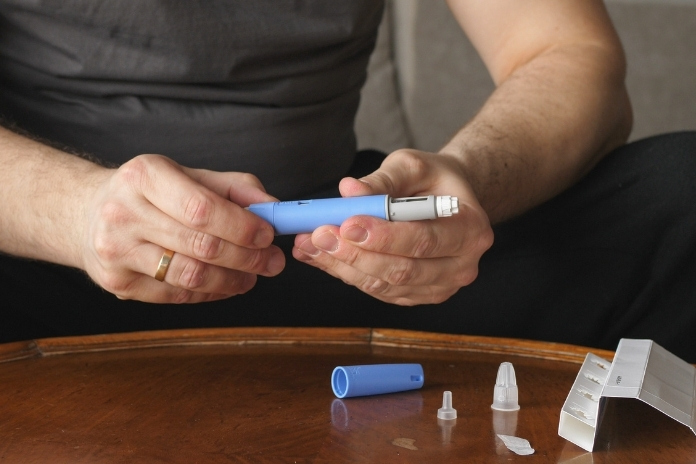














Every November, National Diabetes Month shines a light on the millions of people living with diabetes, and the daily choices that shape their health. It’s a time to raise awareness, share knowledge, and inspire habits that make a real difference.
One powerful, yet often overlooked, factor in diabetes management is sleep.
Quality rest isn’t just about feeling refreshed – it directly influences blood sugar regulation, insulin sensitivity, and overall metabolic health.
When sleep is cut short or disrupted, the body produces more cortisol, a stress hormone that raises blood sugar, while becoming less responsive to insulin. Over time, this combination can make glucose control more difficult.
In fact, research from the National Institute of Diabetes and Digestive and Kidney Diseases shows that even people with prediabetes may experience higher blood sugar levels when they don’t get enough sleep.
Simply put: better sleep means better blood sugar balance and a healthier life.
Read More: How Stress Impacts Insulin Resistance and Diabetes Management
How Sleep Affects Blood Sugar Levels
Sleep plays a vital role in keeping blood sugar levels steady. During restful sleep, the body repairs itself and regulates key metabolic processes, including insulin sensitivity and glucose metabolism.
When sleep is disrupted or cut short, these systems fall out of balance.
Cortisol, the body’s primary stress hormone, rises, prompting blood sugar to spike. At the same time, the body becomes less responsive to insulin, making it harder to keep glucose levels stable.
For people with diabetes, the effects of poor sleep can be especially challenging. Blood sugar fluctuations can worsen symptoms such as fatigue, irritability, and blurred vision. Over time, chronically high glucose levels increase the risk of complications, including heart and vascular problems.
Diabetes is also linked to a higher risk of sleep disorders, particularly sleep apnea, a condition that interrupts breathing during sleep. Sleep apnea can further impair glucose regulation, creating a difficult cycle between poor sleep and poor blood sugar control.
The good news: improving sleep quality can help stabilize blood sugar levels, ease symptoms, and support overall health for people with diabetes.
The Importance of Sleep Hygiene for Diabetes Management

Sleep is essential for overall health, yet it’s often one of the first things neglected amid work, family, and daily responsibilities. For people living with diabetes, getting consistent, high-quality sleep is even more important, and sometimes, more difficult.
Most adults need at least seven hours of sleep per night, while older adults (65 and above) may benefit from closer to eight. Practicing good sleep hygiene – the daily habits and routines that promote restful sleep – can make a significant difference in diabetes management.
Quality sleep helps regulate blood sugar levels, hormone balance, and insulin sensitivity. In contrast, poor sleep can disrupt these systems, increasing the risk of unstable glucose levels and diabetes-related complications.
To improve sleep hygiene:
- Stick to a routine: Go to bed and wake up at the same time every day, even on weekends.
- Create a calming pre-sleep ritual: Try light reading, meditation, or a warm bath to signal to your body that it’s time to rest.
- Set up your sleep environment: Keep your bedroom cool, dark, and quiet for better sleep quality.
- Limit screens and stimulants: Avoid caffeine, nicotine, and electronic devices in the hour before bed.
By building these habits, people with diabetes can support deeper, more restorative sleep — a key factor in stable blood sugar, better energy, and overall well-being.
Read More: Stress Management Tools: 7 Relaxation Aids for Calming the Mind and Body
Foods and Supplements That Support Sleep in Diabetes Management

Certain foods and supplements can play a valuable role in managing diabetes by promoting steady blood sugar levels and supporting restful sleep.
Foods rich in tryptophan, magnesium, and other sleep-supporting nutrients can help the body relax and maintain glucose balance throughout the night.
- Magnesium-rich nuts like almonds and walnuts encourage muscle and mental relaxation. They’re also low in carbohydrates, making them diabetes-friendly options that won’t cause blood sugar spikes.
- Bananas, high in potassium and vitamin B6, help the body produce serotonin, a neurotransmitter that promotes calm and supports the sleep–wake cycle.
- Whole grains such as oats and brown rice provide complex carbohydrates that stabilize blood sugar and support steady insulin release, key to falling asleep more easily.
Supplements can also aid sleep when used with caution and medical guidance.
- Melatonin, a hormone that regulates the body’s internal clock, may help people with diabetes who struggle with irregular sleep patterns.
- Magnesium supplements can further support relaxation and sleep quality, but should be taken only under a healthcare professional’s advice to avoid potential interactions with diabetes medications.
By combining these foods and supplements with mindful sleep habits, individuals with diabetes can better support balanced blood sugar, deeper rest, and overall health.
Read More: How Your Diet Impacts Diabetes
Conclusion
Sleep is a powerful yet often overlooked part of effective diabetes management. By understanding how rest influences blood sugar levels, and supporting it through good sleep hygiene, balanced nutrition, and mindful supplementation, people with diabetes can strengthen both their glucose control and overall well-being.
Prioritizing quality sleep isn’t just about feeling rested; it’s a proactive step toward reducing symptoms, preventing complications, and supporting long-term health. Within a comprehensive diabetes care plan, sleep deserves the same attention as nutrition and physical activity.
Embrace sleep as an essential part of your self-care routine, a quiet but vital ally in building a healthier, more balanced future.
References
- https://www.cdc.gov/diabetes/php/toolkits/new-beginnings-sleep-health.html
- https://diabetesjournals.org/care/article/47/3/331/154247/Waking-Up-to-the-Importance-of-Sleep-in-Type-2
- https://www.diabetes.org.uk/guide-to-diabetes/life-with-diabetes/sleep-and-diabetes
- https://www.everydayhealth.com/hs/type-2-diabetes-care/sleep-better/
- https://www.niddk.nih.gov/health-information/professionals/diabetes-discoveries-practice/the-impact-of-poor-sleep-on-type-2-diabetes
- https://www.webmd.com/diabetes/sleep-affects-blood-sugar
- https://www.sleepfoundation.org/physical-health/sleep-and-blood-glucose-levels
- https://pmc.ncbi.nlm.nih.gov/articles/PMC6123041/
- https://diabetesjournals.org/spectrum/article/29/1/14/32183/Sleep-Apnea-in-Type-2-Diabetes
- https://pmc.ncbi.nlm.nih.gov/articles/PMC4224959/
- https://diatribe.org/lifestyle/sleep-hygiene-checklist-people-diabetes
- https://www.diabetesdefa.org/collection/sleep-hygiene
- https://www.nccih.nih.gov/health/diabetes-and-dietary-supplements-what-you-need-to-know
- https://www.medicalnewstoday.com/articles/324881#best-snacks
- https://health.clevelandclinic.org/foods-that-help-you-sleep
In this Article