














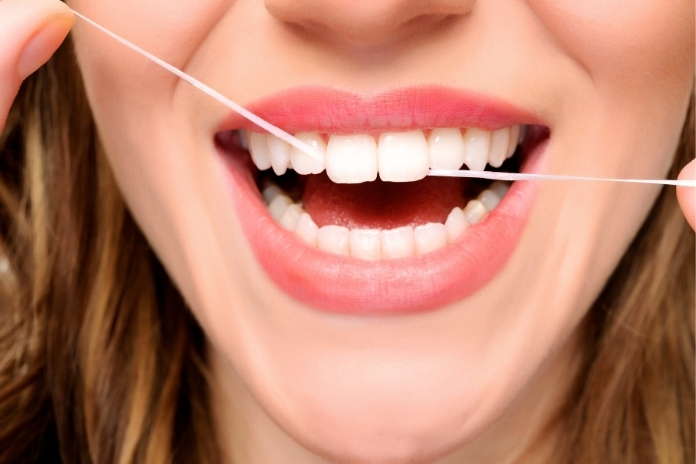
Brushing and flossing often feel like automatic routines—but how consistently do you really do them? The answer to that simple question highlights a major gap in most people’s oral hygiene: brushing reaches only about 60–65% of tooth surfaces.
That’s where flossing becomes essential. Flossing removes trapped food particles and breaks up the bacterial film that forms between teeth before it hardens into plaque. Yet many people floss irregularly—or skip it entirely—raising their risk of gum disease, cavities, and even tooth loss.
Flossing regularly and correctly helps keep both your teeth and gums healthier. With a gentle, gliding motion, floss can clear away debris and bacteria from tight spaces your toothbrush simply can’t reach.
In this article, we’ll cover how often you should floss, expert recommendations from dental professionals, and practical tips to help you build an oral hygiene routine that supports lifelong dental health.
Read More: Best Oral Hygiene Routine Beyond Brushing and Flossing
So, How Often Should You Really Floss?
One of the most common questions dentists hear is how often you should floss. The answer is simple: floss once a day. The key is consistency, so build it into your daily routine. Keeping your floss right next to your toothbrush can serve as a handy visual reminder.
Set aside a few minutes for each flossing session. That’s enough time to clean between every tooth and make sure the floss moves gently through all those tight spaces.
You can choose traditional dental floss or opt for floss picks. Many people find floss picks easier to maneuver, and they’re especially helpful for children who may struggle with long strands of floss. If that’s the case in your household, using floss picks can make daily flossing feel more manageable and more likely to stick.
For people with wider gaps between their teeth, thicker dental picks can work well as a substitute. Otherwise, regular daily flossing with standard floss is still your best bet.
What Happens If You Don’t Floss Regularly
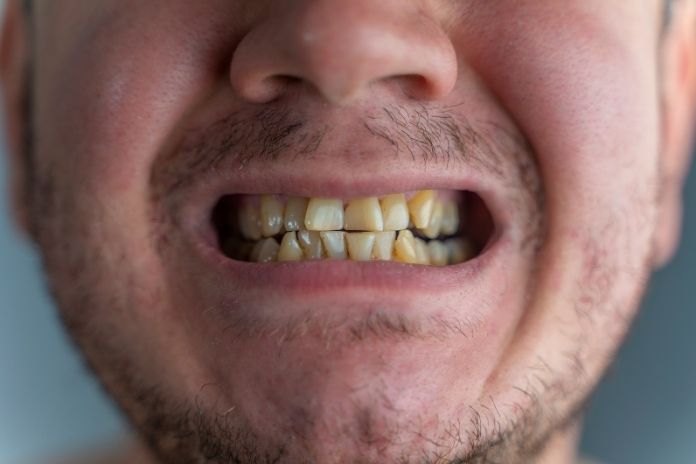
When you skip flossing, your toothbrush can’t remove all the debris and bacteria left between your teeth. Over time, this buildup can lead to serious problems for your teeth and gums. In fact, according to the CDC, only about one-third of American adults floss every day. Here’s what can happen when flossing isn’t part of your routine:
Buildup of Plaque and Tartar
Within about two weeks of not flossing, plaque and tartar start forming between your teeth—areas your toothbrush simply can’t reach. This sticky, bacteria-filled film can damage enamel, cause bad breath, and harden into tartar that requires a dentist to remove.
Higher Risk of Cavities
The acids produced by plaque bacteria eat away at tooth enamel. Brushing can clean the front and back of your teeth, but without flossing, those acids stay trapped between teeth, increasing your risk of cavities. Untreated cavities can lead to significant decay and, in severe cases, may require root canals or even tooth extraction.
Bleeding Gums
When plaque builds up near the gumline, it irritates the gums and can lead to bleeding, swelling, and tenderness. Ignoring these symptoms may result in gingivitis, deeper gum pockets, and eventually gum disease—all of which require professional treatment.
Cosmetic Concerns
If plaque and tartar sit on your teeth for too long, they can cause staining and yellowing—especially between teeth. These discolorations can be challenging to remove once they’ve set in. Internal decay can also develop without obvious symptoms until the tooth darkens, impacting the look of your smile and possibly your confidence.
Gum Disease
Gum disease starts when plaque causes the gum tissue to pull away from the teeth, creating pockets where bacteria thrive. Early gum disease (gingivitis) leads to red, swollen gums. Advanced gum disease (periodontitis) occurs when bacteria spread deeper, damaging the bone that supports your teeth. At this stage, gums may recede, and teeth may become loose.
Loose Teeth
Inflammation and gum recession weaken the fibers that keep your teeth stable. With timely dental care and consistent home care, loose teeth can sometimes re-tighten—but recovery depends on the extent of the problem. Daily brushing and flossing, along with regular dental checkups, are essential to preventing tooth loss.
Bad Breath
Food particles left between teeth feed bacteria that produce foul-smelling sulfur compounds. Without flossing, these odors linger, increasing the likelihood of chronic bad breath (halitosis).
Potential Impact on Overall Health
Oral inflammation can affect more than just your mouth. Research has found associations between gum disease and health issues involving the heart, lungs, brain, and metabolic systems. Poor oral health has been linked to higher risks of heart disease, respiratory infections, dementia, rheumatoid arthritis, osteoporosis, and challenges in managing type 2 diabetes.
Maintaining good oral hygiene, including daily flossing, is one of the simplest ways to protect both your smile and your long-term health. If you have concerns about gum disease or dental pain, it’s always best to consult a dental professional.
Read More: Effortless Oral Care: The Top 7 Water Dental Flossers for Superior Dental Hygiene
Best Flossing Routine — Step-by-Step

Proper flossing is key to a gentle, thorough clean. Using the wrong technique or too much force can irritate your gums. Here’s how to floss like a pro:
- Start with the right length: Use a piece of floss about the length from your palm to your shoulder (roughly 18–24 inches).
- Wrap and position: Wrap most of the floss around the middle finger of one hand, and the rest around the middle finger of your other hand, leaving about 2 inches (5 cm) of floss between your fingers.
- Guide with control: Use your thumbs and index fingers to guide the floss gently between your teeth, moving it in a careful back-and-forth motion.
- Shape it around the tooth: Curve the floss into a “C” shape around each tooth, sliding it down to the gumline.
- Clean with up-and-down strokes: Move the floss up and down to remove plaque and debris, don’t snap it or force it.
- Use clean sections: As you move to each new tooth, unroll about an inch of fresh floss from your fingers.
If traditional string floss feels awkward or difficult, many people find that floss picks or water flossers make the process quicker and easier, especially for kids, people with braces, or anyone with limited mobility.
Water Flosser, Floss Picks, and Other Alternatives
Some people find traditional string floss difficult to use—whether due to age-related changes in dexterity, medical conditions, or simply personal preference. The good news is that several effective alternatives can help you keep your teeth and gums clean. Here are some popular substitutes:
Water Flossers (Oral Irrigators)
Water flossers use a targeted stream of water to clean between teeth and below the gumline. Research shows they can help reduce symptoms of gingivitis, such as bleeding gums, even though they may not remove plaque as effectively as string floss.
If you have limited wrist movement or difficulty positioning the device, ask your dentist about alternative water-flossing systems. Some patients may even benefit from custom mouth trays that deliver water to all teeth at once.
Interdental Brushes
These small brushes are designed to fit between the teeth and often have a larger handle for better grip. Studies show that they can temporarily reduce plaque and help ease symptoms of gingivitis. They’re especially useful for people with larger spaces between their teeth or those who have dental work such as bridges.
Other Flossing Tools
- Floss Tape: A wide, flat ribbon of floss that may feel gentler and glide more easily between tight teeth.
- Floss Picks and Holders: Handy tools that keep the floss taut and easier to maneuver, especially for kids or people with limited mobility.
- Floss Threaders: Needle-like tools that help you guide regular floss under dental appliances like braces or retainers.
No matter which option you choose, look for the ADA Seal of Acceptance, which indicates that a product has been tested for safety and effectiveness.
Read More: Do Charcoal Toothpastes Really Work or Damage Enamel?
Expert Insights — What Dentists Recommend

“Flossing every day is more about habit than timing,” several dentists stress. To keep gums healthy and prevent long-term oral health problems, dental specialists agree that flossing is essential.
The American Dental Association and the majority of general dentists recommend daily flossing to maintain healthy gums and protect tooth enamel, as long as you floss once daily and do it correctly. It doesn’t really matter if you floss at night or in the morning as long as you do it regularly.
Incorporate flossing into your daily regimen, either before or following brushing, to help eliminate food particles and plaque and preserve good tooth health.
Flossing reaches spots that a toothbrush can’t. “People need to floss their teeth to help prevent cavities in between teeth,” says Sneha Mohan, D.M.D., a dentist with Midtown Dental Group in New York City. “A toothbrush’s bristles or a water flosser can’t do that, so flossing is the gold standard to help prevent decay between teeth.”
Conclusion
Though it might seem like a very small thing to do, flossing affects far more than just the gaps between your teeth. Floss is the unsung partner of your daily brushing routine, working below the radar to keep your breath fresh, protect your gums, and stave off plaque. Brushing gets the glory, but flossing steps in to literally fill those gaps and guard your whole mouth.
It’s pretty motivating once you think about what can happen if you don’t floss: tartar buildup, gum disease, and perhaps even an impact on your overall health. Choose a tool you’ll stick to, whether it’s classic floss, a water flosser, or single-use picks.
Read More: Why Do My Gums Bleed When I Brush? Causes and Remedies
FAQs
Is it better to floss before or after brushing?
Flossing can be done either before or after brushing. The most important thing is to incorporate flossing into your regular schedule. While some individuals prefer to floss last so their mouth feels extra clean, others prefer to floss first to remove the food particles and plaque before brushing.
Can I floss more than once a day?
The term “over-flossing” does not exist. Our teeth are invaded by bacteria several times a day, particularly after meals. You may get rid of it before it settles in by flossing.
What’s the best floss for sensitive gums?
According to studies, water flossing reduces inflammation, gingival bleeding, and plaque just as well as string flossing, and may even be better. Water flossing is a better option than string floss for persons with sensitive gums, fixed appliances like braces or implants, and dexterity problems.
Does mouthwash replace flossing?
No, mouthwash can freshen your breath and reduce bacteria, but it cannot remove food particles or the sticky film between your teeth. The only way to clean the spaces between your teeth that your toothbrush cannot reach is to brush and floss.
Is bleeding during flossing normal?
Your gums may bleed a little when you first start flossing if you haven’t been flossing regularly. It occurs due to bacterial and plaque accumulation around the gum line. In around a week, the bleeding should stop with mild daily flossing. See your dentist or dental hygienist if your gums continue to bleed.
Can I skip flossing if I use a water flosser?
Even if you use a water flosser, you still need to use regular floss since string floss is more successful at removing plaque than water floss.
References
- Dr. Yasmika Reddy. (2020, February 7). How often should you floss?
- Dr. Michael O’Neill. (2025, April 4). How often should you floss?
- Kevin Bowcutt. (2022, March 6). How often do I need to floss? Bowcutt Dental.
- Sherri Gordon. Health.com. (Updated on November 20, 2025). How often do you need to floss your teeth?
- Fleming, Eleanor ; Nguyen, Duong ; Woods, Phillip D. (2018). Prevalence of daily flossing among adults by selected risk factors for periodontal disease—United States, 2009-2014.
- Dr. Joshua Wright. (2024, July 9). 10 things that happen when you don’t floss.
- Eastern Virginia Pediatric Dentistry. How to floss your teeth.
- American Dental Association. Flossing. MouthHealthy.
- Penn Dental Medicine at PHMC on Cedar. (2025, June 16). How flossing teeth helps more than just your smile.
- UnitedHealthcare. 5 tips for flossing the right way.
In this Article