












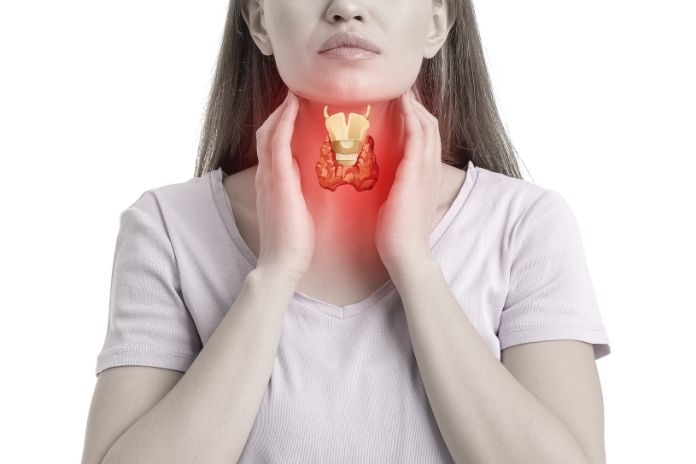
Graves’ disease in women is the leading and most common cause of hyperthyroidism, or an overactive thyroid gland. It affects women about 7–8 times more than men. It occurs due to the interplay between immunity and women’s hormonal physiology.
The thyroid hormones T3 and T4 affect almost every organ system, from the reproductive system and bone metabolism to the heart and circulation, even mood and energy regulation.
This means a condition such as Graves’ Disease in women can impact menstrual cycles, fertility, pregnancy results, and even bone health. These aspects are less emphasized when we generally talk about thyroid disease.
Dr Tracy Tylee is an associate professor of medicine at the University of Washington in Seattle. She also serves as a program director in the Division of Endocrinology for their fellowship and shares thoughts on Graves’ disease in women.
She says, “Graves’ disease is one of the most common causes of hyperthyroidism in the United States due to antibodies targeted against the thyroid-stimulating hormone receptor. These antibodies essentially turn on the thyroid and lead to uncontrolled thyroid hormone production.”
In this article, you will learn why Graves’ Disease occurs more frequently in women. We will also understand the connection between Graves’ disease and bone health, menstruation, fertility, and pregnancy outcomes. Let’s also understand about Graves’ disease and hypothyroidism in women, and the impact on mood, weight, and overall health.
Read More: What It Means If You’re Always Cold: Hormones, Iron, and Thyroid Explained
Key Takeaways — What You’ll Learn
- The mechanisms behind Graves’ disease are more common in women
- How excess thyroid hormone affects menstrual regularity, fertility, and pregnancy
- Why women with Graves’ are at a higher risk of bone mineral loss & osteoporosis
- Practical steps to support reproductive and skeletal health, along with thyroid treatment
Why Graves’ Disease Affects Women More Often
Autoimmune Factor and Hormonal Influence
Women are more prone to autoimmune disorders, and Graves’ is no exception. Estrogen and other female sex hormones regulate immune cell activity. Thus, it increases the susceptibility to autoimmune thyroid disorders.
Pregnancy, the postpartum period, and menopause are periods when hormones keep fluctuating. These changing hormones, coupled with immune shifts, trigger or worsen Graves’ disease. In fact, the postpartum period is considered a high-risk period.
Predisposing genetic factors include specific HLA types, such as HLA-DR3, and CTLA-4 gene variants. The types can be found more often in women with Graves’.
When It Usually Appears
Women usually develop Graves’ Disease in their 30s, 40s, and 50s. The condition also often co‐exists with other autoimmune conditions. For example, rheumatoid arthritis, lupus, and type 1 diabetes. All these conditions are more common in women in the age of childbearing age to the perimenopausal years.
Menstrual and Reproductive Health Effects

1. Irregular or Absent Periods
When thyroid hormone levels are too high, as they are in Graves’, it can disrupt the hypothalamic-pituitary-ovarian axis. Thus, women face issues including lighter periods, shorter cycles, and fewer ovulations. Not just this, but the periods may even stop, a condition known as amenorrhea.
In contrast, underactive thyroid (hypothyroidism) often causes heavier or prolonged bleeding. However, with Graves, it tends to become lighter and less frequent.
2. Fertility Challenges
The luteal phase may be shortened due to irregular ovulation, leading to lower conception rates in women with untreated Graves’.
Autoantibodies, such as TSH‐receptor antibodies, along with a disrupted hormonal balance, may also increase the risk of miscarriage.
3. Pregnancy and Postpartum Considerations
Pregnancy comes with several hormonal and immune changes. These fluctuations can either flare up the Graves’ disease or regulate it. However, there is a risk involved if the condition is not properly managed.
Women with Graves’ face higher risks of preterm birth, preeclampsia, low birth weight infants, and neonatal hyperthyroidism. This is due to antibody transfer if the disease is left untreated.
After delivery, the condition often worsens or rebounds. These postpartum thyroid changes are important to monitor.
Radio-iodine therapy is contraindicated in the treatment of Graves’ when a woman plans pregnancy or is pregnant. Anti-thyroid medications require special attention, as their doses must be closely monitored to avoid harm to the fetus.
Read More: The Complete Guide to Iodine-Rich Foods: Boost Your Thyroid Health Naturally
How Graves’ Disease Affects Bone Health
1. Thyroid Hormones and Bone Turnover
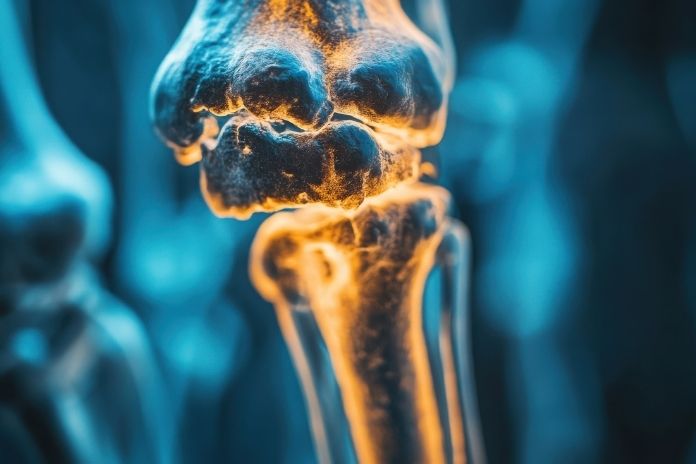
Excess thyroid hormone promotes bone turnover, with bone resorption surpassing the rate of bone formation. This will lead to the loss of bone mineral density (BMD), thinning of cortical bone, and weak trabecular bone.
According to one study, overt hyperthyroidism decreases the bone remodelling cycle time from about 200 days to about half, causing measurable mineral loss.
Post-menopausal women are already at an increased risk of osteoporosis; adding excess thyroid hormone makes it riskier.
2. Menstrual Irregularities Compound Bone Loss
Since regular menstruation supports normal levels of estrogen, which protects the bones, maintaining a healthy menstrual cycle is essential for bone health in women. Women whose periods are irregular (as in Graves’ Disease) lose an additional bone-protective factor.
Hence, excessive thyroid hormone and low or irregular estrogen could lead to double harm to skeletal health.
3. Reversibility After Treatment
Fortunately, treatment of hyperthyroidism and regulating the thyroid hormone levels can slow or stop bone loss, and over time, bone density often improves.
We must opt for certain supportive measures, such as including calcium, vitamin D supplementation, and weight-bearing and strength training in our daily routine. These tips might help in skeletal recovery.
Emotional, Metabolic & Body Changes in Women

1. Anxiety, Mood Swings, and Sleep Problems
Thyroid hormones affect metabolism, heart rate, and nervous system activity. High levels of these hormones produce symptoms such as feeling “wired,” anxious, restless, irritable, and mood swings.
Since many of these symptoms overlap with common issues in women, such as anxiety, perimenopause, and sleep problems, Graves’ often goes misdiagnosed or unrecognized.
2. Weight Fluctuations and Muscle Weakness
A sudden or fast weight loss despite normal or even increased appetite is common. Patients may lose muscles in the upper arms, thighs, and shoulders.
These changes can be particularly stressful for women who are concerned with weight or recovering from childbirth.
3. Hair and Skin Changes
The dermatologic/metabolic changes of hyperthyroidism include thinning hair, brittle nails, warm/flushed skin, and increased sweating.
These physical changes can affect self-image and emotional well-being. The changes take a toll, especially in women who may already be dealing with other hormonal shifts, for example, pregnancy and menopause.
Read More: 8 Period Symptoms That Might Actually Be a Thyroid Issue
Managing Graves’ Disease in Women — A MultiSystem Approach

1. Medical Management
- Anti-Thyroid Medications: First-line treatment includes anti-thyroid medications such as methimazole and propylthiouracil.
- Therapies/ Treatments: Radioactive iodine (RAI) therapy or thyroidectomy may be advised depending on severity, treatment response, and pregnancy plans.
- Symptomatic Treatment: Beta-blockers may be used for a short duration to manage symptoms (tachycardia, tremor).
Pregnant women or those trying to conceive require special management. These techniques include avoiding RAI, anti-thyroid drugs with the safest pregnancy profile.
2. Protecting Reproductive Health
If you have Graves’ and are of childbearing age, you must track your menstrual cycles and discuss fertility goals early with your endocrinologist.
- Before Pregnancy: The thyroid hormone levels should be within the target range; adjust medication appropriately.
- During Pregnancy: If a woman is pregnant, she needs more frequent thyroid and antibody tests and must consult both the endocrinologist and obstetrician.
- Post-Delivery: You must watch for postpartum flare-ups of Graves’ after giving birth.
3. Supporting Bone & Overall Health
- Calcium Intake: Aim for 1000–1200 mg/day with an adequate amount of vitamin D to help bone recovery (or per your doctor’s recommendation).
- Exercise:Resistance training and weight‐bearing workouts are important to promote bone formation and maintain muscle mass.
- Lifestyle: Graves’ ophthalmopathy risk is increased with smoking. It likely worsens autoimmune activity. Limiting excessive caffeine and alcohol also supports hormone balance.
- Period Tracking: Track your cycles. Discuss the return of regular cycles with your doctor. In case of irregularity in periods, it is essential to maintain the bone-protective effect of estrogen.
4. Lifestyle & Stress Management
Stress and immune dysregulation are interconnected. Since autoimmune diseases may be triggered or worsened by both physical and emotional stress, incorporating mindfulness, yoga, relaxation techniques, or good sleep hygiene may help.
Good sleep, a diet rich in whole grains and lean proteins, plenty of fruits and vegetables, and limiting processed foods also support metabolic stability and bone health.
Quick Summary
Graves’ disease affects women differently due to the interrelationship between the hormonal, reproductive, and immune systems. It can disrupt menstrual cycles, complicate fertility and pregnancy, increase the risk of early bone loss, affect mood, weight, and energy.
Early diagnosis and appropriate management play a very important role, considering thyroid hormone as well as reproductive and bone health.
If you are a woman living with Graves’ Disease, keep this in mind: your thyroid is part of a much larger system, not just a small gland in your neck. The way it interacts with your hormones, bones, mood, and body is complex. Furthermore, speak with your endocrinologist about the bigger picture that extends beyond thyroid numbers.
Proactive care through monitoring cycles, ensuring bone support, managing stress, and lifestyle helps restore normal function and quality of life. Your thyroid may be in overdrive, but you still have choices!
References
- https://womenshealth.gov/a-z-topics/graves-disease
- https://www.bonehealthandosteoporosis.org/patients/treatment/calciumvitamin-d/get-the-facts-on-calcium-and-vitamin-d/
- https://pubmed.ncbi.nlm.nih.gov/35192205/
- https://pmc.ncbi.nlm.nih.gov/articles/PMC3736466/
- https://pmc.ncbi.nlm.nih.gov/articles/PMC10420332/
In this Article