












When you believe in something firmly, it shapes your attitude and behaviour. What we see on the outside is deeply connected to something that has been wired in us since a long time. Early experiences mould us and make us respond in a certain way in specific situations.
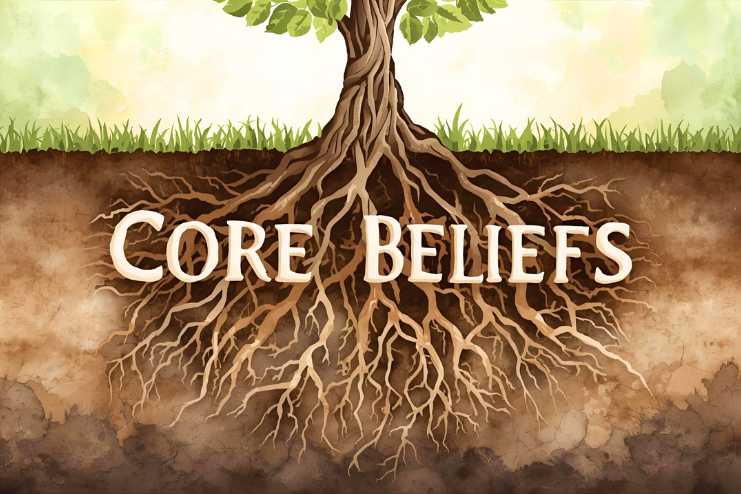
Have you ever found yourself reacting to situations in ways that felt completely normal at the time, yet leaving you feeling uneasy, bad about yourself, or even unsafe, without quite knowing why?. These patterns usually stem from core beliefs, assumptions you have about yourself, others, and the world. Grasping the development of core beliefs is key to understanding their rigidity, and how gentle awareness can transform them.
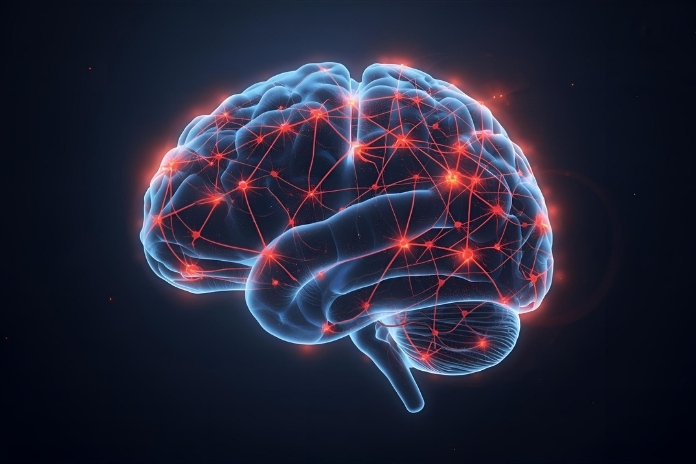
Core beliefs take shape during early childhood but keep evolving through life’s experiences. Neuroscience indicates that repeated cycles of thought and emotion strengthen neural pathways so that some beliefs become automatic and unchangeable.
Both developmental psychology and the science of the brain can help us understand why some beliefs stay the same and others change, providing us with an understanding of our reactions and behaviors.
Knowledge about how beliefs are developed is the beginning of changing the ones that are no longer serving us and developing thought processes that are congruent with growth and resiliency.
In this article, we will discuss how the core beliefs form in detail.
The Absorbent Mind: Birth to Age 7

The first years of life are a delicate window for the development of core beliefs. Dr Maria Montessori wrote about this time as the “absorbent mind,” when children soak up their surroundings nearly without thinking about it. During this period, children have not yet developed critical thinking skills to filter out experiences, so everything they hear, see, and touch is taken for granted as absolute truth.
Primary caregivers set the tone for these early beliefs. Nurturing, supportive communications build confidence and curiosity, but repeated criticism or disregard can create feelings of inadequacy or fear.
Children also learn behaviors by observing; when they observe action and emotion in others, their mirror neurons activate, establishing a neurological basis for imitation and learning.
For instance:
- A child often cautioned, “Be careful, the world is dangerous,” can internalize an unconscious sense of danger.
- Encouraging them to venture out makes the child resilient, inquisitive, and assertive.
- Simple everyday transactions, such as smiles, praise, or even subtle disapproval, are indelibly impressed upon self-worth and image.
Understanding the origins of early beliefs allows caregivers to promote development, fostering positive frameworks without guilt. Understanding how deeply embedded these early patterns can become highlights the importance of nurturing interactions in formative years.
Read More: AI in Mental Health: How Technology Is Revolutionizing Diagnosis and Treatment
Family Dynamics and Belief Formation

Family relationships continue shaping beliefs well beyond early childhood. Parenting style strongly influences how children perceive themselves and the world.
For instance:
- Children raised in authoritarian households may feel “I’m not enough,” whereas authoritative parenting encourages problem-solving and confidence.
- Permissive parenting can make the child entitled, indisciplined, while neglectful parenting may create feelings of invisibility or unworthiness.
As surprising as it may sound, sibling roles and birth order also influence the formation of beliefs.
- Firstborn children often develop a strong sense of responsibility and a tendency toward perfectionism.
- Middle children may sometimes feel overlooked or struggle to define their unique place within the family.
- Youngest children often become adaptable and outgoing, though they may also develop a degree of dependence on others.
Cultural and religious context adds to shaping our core beliefs, layering norms and expectations that will form a child’s sense of self and moral compass.
Family functioning also includes boundaries and emotional environment. Enmeshment, in which personal boundaries become blurred, can send the message that one’s needs don’t matter. Whereas emotional neglect is a sense of being unloved or not seen. Sometimes, unresolved fears, biases, and limiting thoughts of the parents unconsciously pass on to the kids and influence their beliefs.
- Parenting style, sibling relationships, and family climate all have insidious but lasting effects.
- Cultural, religious, and generational patterns impact identity and worldview.
- Having an awareness of family dynamics enables adults to trace the roots of limiting beliefs with kindness.
The Role of Traumatic Events
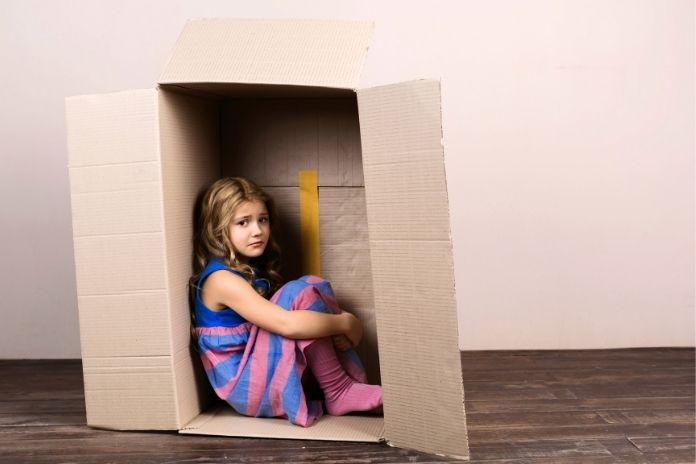
Trauma, either single or cumulative, may leave a lasting impression on belief systems. Big-T traumas, such as abuse or severe accidents, and little-t traumas, like constant criticism or bullying, form beliefs as safety nets. The brain’s amygdala stores these emotionally charged events as children become reactive to threats.
Early trauma is especially powerful since children’s brains are more responsive to development. Chronic exposure to injury can produce beliefs such as “I am in danger” or “I am not good enough,” which tend to carry on well past adulthood.
- Trauma-based beliefs tend to feel unmanageable because they were created in response to real threats.
- Trauma in early childhood leaves a deeper mark because of the increased sensitivity of the developing brain.
- Identifying beliefs as protective helps with gentle reframing instead of indulging in self-blame.
Knowledge of the role of trauma brings context, helping people change strategically, substituting old protective beliefs with newer ones.
Read More: A Parent’s Guide to Childhood Mental Health: How to Spot and Support Issues
The Neuroscience of Belief Formation
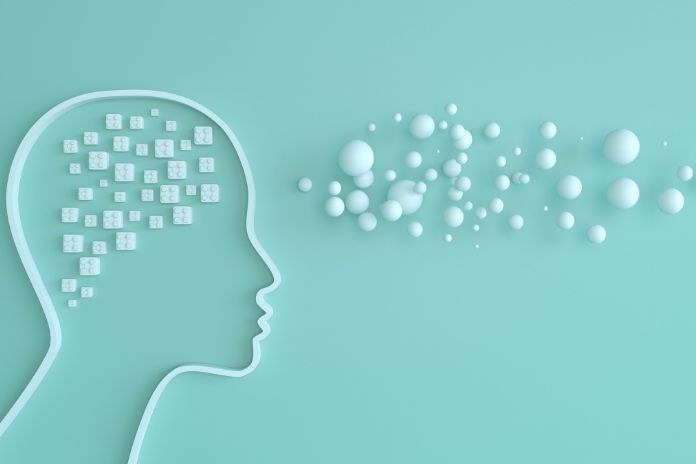
Beliefs linger on because repeated thoughts and feelings reinforce neural pathways, making repeated mental patterns automatic reactions. With time, often used connections become strong “highways” in the brain, while underused pathways remain narrow and less accessible. That is why firmly held beliefs, particularly negative ones, seem easy and automatic.
The brain’s negativity bias will promote negative experiences by preferring threat-related learning for survival. Emotional memories, tagged by the amygdala, are especially robust, with procedural memory helping beliefs to control behavior automatically.
But the brain is still plastic. Neuroplasticity helps with new experiences, directed cognitive reframing, and practice to create other routes. These help in shaping automatic responses increasingly over time.
- Repeated rehearsal of pathways makes neural routes stronger.
- Amygdala encoding and procedural memory store negative thoughts.
- Neuroplasticity gives us hope: effortful intention can make new, adaptive patterns of belief.
Confirmation Bias: How Beliefs Reinforce Themselves

Most of us tend to pay attention to and remember information that confirms beliefs while ignoring or forgetting information that challenges them. A person believing “I am unlucky” remembers failures but overlooks successes. While a person believing “people are untrustworthy” remembers betrayals, but forget helpful incidents.
This self-perpetuating cycle reinforces neural connections, embedding beliefs deeper in procedural memory. The more the brain tries to explain experiences in terms of a core belief, the easier it feels. Conscious strategies like mindfulness, reflective journaling, and challenging automatic thoughts can disrupt this cycle, giving room for more balanced and flexible views.
- Confirmation bias causes beliefs to feel justified even if the evidence is mixed.
- Neural reinforcement reinforces automatic responses that are consistent with current beliefs.
- Awareness and reflection break cycles, allowing room for change.
Beliefs That are Formed during Adulthood
Belief formation continues beyond childhood. Significant life events such as divorce, loss of a job, or illness can restructure self-view, views of others, and worldview in general. Adult trauma, relationships, and exposure to new cultural views also form new beliefs or change old ones.
Beliefs shaped during adulthood tend to be less malleable because they are processed with mature cognitive abilities. Reflection, conscious decision-making, and intentional behavioral changes facilitate reshaping beliefs more efficiently than those formed in early childhood. This highlights that personal growth and transformation are lifelong processes.
- Life transitions and relationships continue to influence belief systems.
- Mature cognition allows adults to consciously change limiting core beliefs.
- Growth and adaptation remain possible throughout life.
Read More: How to Talk to Your Kids About Mental Health
Conclusion
Understanding how core beliefs form provides insight into why certain thoughts feel automatic and unchangeable. Experiences in childhood, family dynamics, trauma, and repeated patterns all contribute to shaping one’s adaptive beliefs. Recognizing these origins fosters self-compassion and reduces self-blame.
Though initial programming sets firm foundations, the neuroplasticity of the brain permits deliberate change. Through identifying beliefs with their origin, people are able to develop empowering thought patterns, systematically replacing self-limiting beliefs with those beneficial for growth and strength.
- Early beliefs were functional at the time, but can be deliberately redone.
- Self-compassion is supplemented by knowledge of belief origins.
- Deliberate practice and neuroplasticity facilitate significant change.
FAQ
-
Can core beliefs change by themselves?
A few shift automatically with new experience, but most deeply ingrained beliefs need effort, reflection, or therapy to change meaningfully.
-
At what age are core beliefs completely formed?
Core beliefs start developing during early childhood (birth–7 years) and mostly harden by adolescence, but adult life can still generate or change beliefs.
-
Do all childhood experiences generate core beliefs?
No. Only emotionally relevant, repeated, or high-impact experiences become core beliefs, particularly when consistently reinforced by caregivers or the environment.
References
In this Article