












We have all been hearing a lot about imitation crab meat of late. However, is this trendy food worth it? Can we have it when on a diet? How to make this decision? Let’s explore this together.
What Is Imitation Crab (Surimi)?
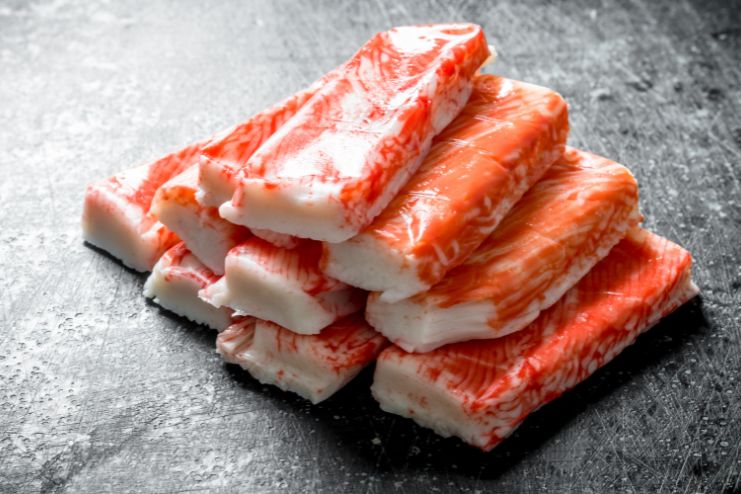
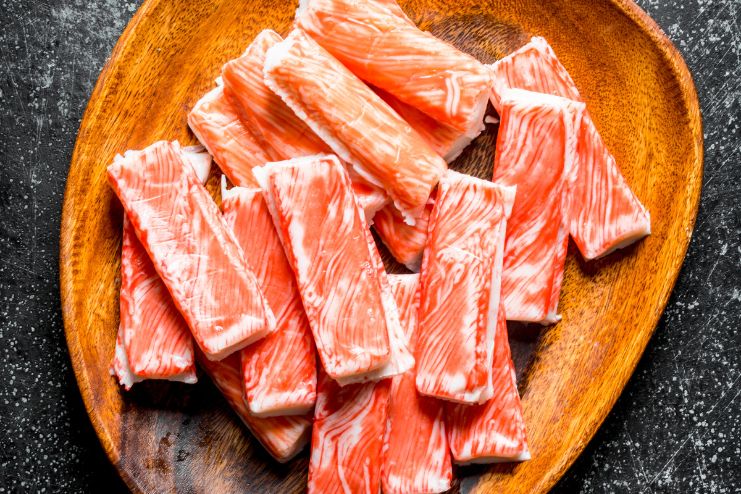
Imitation crab, or surimi, is a favorite seafood alternative composed mostly of a processed fish paste. Although it’s visually similar to crab meat and tastes like it, it’s a mixture of white fish, seasonings, and fillers engineered to mimic the real stuff. Developed in Japan as an affordable substitute for crab, it’s now common in sushi, seafood salads, and snack packs.
Surimi is a white fish paste made from deboned white fish, typically Alaskan pollock. The fish is finely ground, washed, and purified to a smooth paste, which serves as the base for imitation crab products.

Read More: Quick and Healthy Sheet Pan Dinners: Minimal Effort, Maximum Flavor
How Imitation Crab Is Made (Pollock + Starch + Flavoring)?
To make imitation crab meat out of surimi, manufacturers mix it with the following ingredients:
- Starch (tapioca or wheat) to bind and thicken the paste
- Vegetable oil for moisture and texture
- Flavorings, such as artificial crab or actual crab extract
- Egg whites or other binder agents
- Coloring agents such as carmine or paprika extract for appearance
- Preservatives like sorbitol and sodium benzoate are used to prolong shelf life
The finished product is cooked, molded into stick or flake form, and packaged for sale.
Why It’s Used Instead of Real Crab?
Imitation crab is popular for its convenience, ubiquity, and low cost. In contrast to genuine crab meat, it’s affordable, perennially available, and pre-cooked—perfect for fast meals and instant dishes.
Does Imitation Crab Have Protein?
Several consumers believe imitation crab contains the same level of nutritional content as crab meat, particularly regarding protein. Yet, it lacks in amount and quality.
Whereas actual crab meat has around 18–20 grams of protein per 100 grams, imitation crab contains only roughly 6–8 grams. It is thus not a good alternative for people looking for high-protein foods.
Comparison: Imitation Crab vs Real Crab vs Tuna vs Chicken
Let us compare the nutritional values of imitation crab with real crab, tuna, and chicken breast.
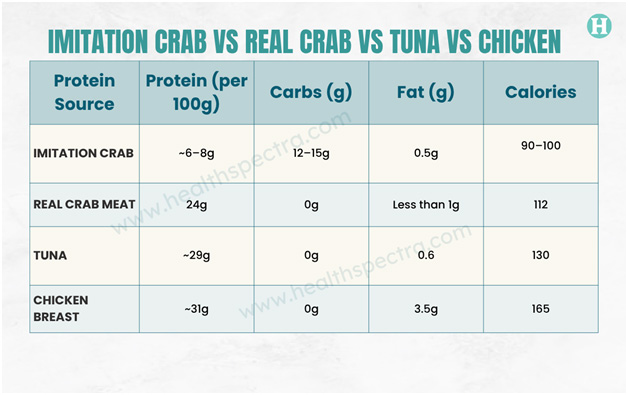 Takeaway: Imitation crab has less than half the protein of real crab and significantly less than other lean proteins.
Protein per 100g or Serving:
The average serving size (85g) of imitation crab has 6 grams of protein, too little to support daily protein requirements, especially in weight management diets.
Quality of Protein:
Imitation crab does not have a complete amino acid profile and thus is a lower-quality protein source. Actual crab and other intact proteins provide all nine essential amino acids, whereas surimi-based foods are diluted with starches and fillers.
Imitation Crab Nutrition: What You’re Eating
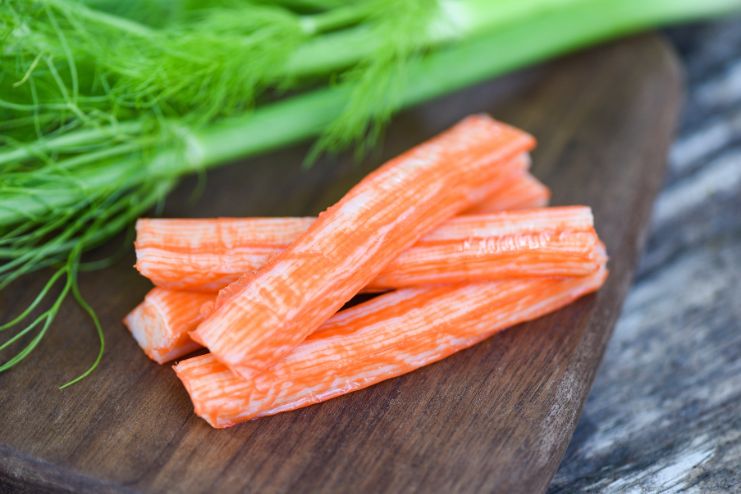
Knowing what’s in imitation crab can help you make informed dietary decisions. It does have some benefits, but it’s also full of additives and lacks nutrient density.
Macronutrient Breakdown of Surimi:
- Protein: 6–8g per 100g
- Carbohydrates: 12–15g, primarily from added starches
- Fat: Less than 1g
- Calories: 90–100 per serving
Micronutrients:
Imitation crab does contain some important micronutrients:
- Vitamin B12: Approximately 25% daily value(DV) per serving
- Selenium: 30-40% DV, maintaining immune and thyroid function
- Sodium: 400-500mg per serving, well over half the daily recommended limit
- Trace minerals: Smaller amounts of phosphorus, magnesium, and calcium
Is Imitation Crab Keto or Low-Carb Friendly?
No. Imitation crab contains 12–15 grams of carbs per serving and is not appropriate for ketogenic or low-carb diets. The added starches and sugars can interfere with blood sugar and ketone levels.
Read More: The Power of Macronutrients: Understanding Proteins, Carbs, and Fats in Your Diet
Is Imitation Crab Healthy or Processed Junk?
Imitation crab may look like seafood, but it is an ultra-processed food that does not have the nutritional content of actual seafood.
Imitation crab is an ultra-processed food because of:
- Multiple stages of refinement
- Excessive levels of additives and artificial constituents
- Chemical color and flavoring agents
- These characteristics make it less healthy than absolute seafood
Additives added:
- MSG: Can cause adverse reactions such as headaches in susceptible individuals
- Colourings: Contains carmine (insect-based) and synthetic colours
- Gluten: Contained in wheat starch, so not suitable for celiac or gluten-sensitive consumers
Common Allergens:
These are some ingredients found in imitation crab:
- Fish (pollock)
- Egg whites
- Crab extract (from shellfish)
- Wheat (which contains gluten)
These make it difficult for people who have shared food allergies.
Sodium Content and Health Impact
One serving of imitation crab may have 20–25% of your daily recommended sodium intake.
Too much sodium can:
- Increase blood pressure
- Greater risk for cardiovascular disease
- Produce water retention
Is Surimi Healthy in Any Way?

Although imitation crab is by no means a superfood, it does possess a few useful advantages that may be appealing to cost-conscious or calorie-conscious consumers.
Benefits of Imitation Crab:
- Low-fat: Less than 1g per serving
- Affordable: Much less expensive than fresh seafood
- Convenient: Ready-to-eat and pre-cooked, requiring less time and effort
Disadvantages of imitation crab include:
- Provides fewer vitamins and minerals than actual seafood
- Comprises several artificial and processed ingredients
- Rich in refined carbohydrates with poor satiety
Can It Be Part of a Balanced Diet Occasionally?
Yes. When had occasionally, once or twice a week, and with whole foods such as vegetables and legumes, imitation crab can be included in a balanced diet. But it should not be used as a main source of protein.
Read More: Reduced Protein Intake Associated With Reduced Cardiovascular Risks, New Study Suggests
Is Imitation Crab Good for Weight Loss?

Although commonly thought to be a low-calorie choice, imitation crab contains nutritional disadvantages that make it less than suitable for healthy weight reduction.
Surimi is low in fat and calories and fits a calorie-deficient diet. It contains fewer than 100 calories per serving and can be a great addition to well-planned meals.
It is high in carbs, low in protein, and not ideal for all weight-loss diets. This can make you hungry faster. This makes it incompatible with high-protein or low-carb diets
Also, it is less satisfying than real crab, tuna, or chicken. It has a higher glycemic load that could lead to spiking of blood sugar and rebound hunger
When It Might Help vs When to Avoid It
When it can help:
- Imitation crab can be a great addition to low-calorie meals
- When convenience and affordability are the primary focus
Avoid:
- When on high-protein, low-carb, or clean diets
- If focusing on long-term satiety and muscle maintenance
Healthier Alternatives to Imitation Crab
For people seeking to improve their dietary options, several healthier and more nutrient-rich alternatives are available. These include:
Real Crab:
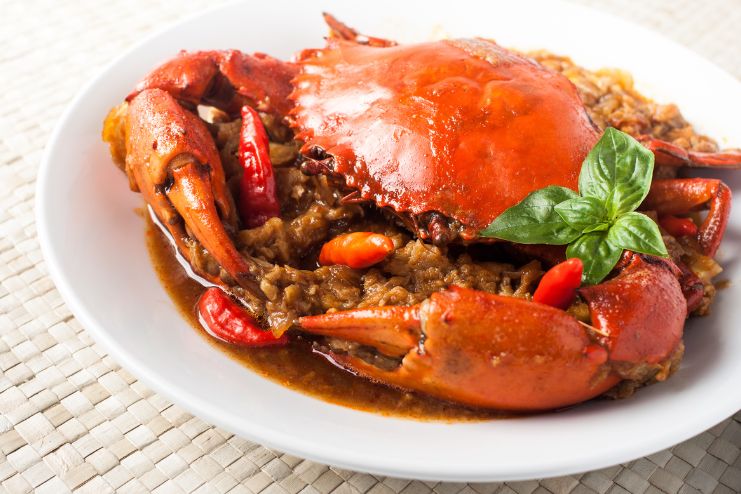
Real crab is high in protein and comprises the necessary nutrients. Includes omega-3s, vitamin B12, and zinc, while being less processed and more filling
Tuna or Salmon (Fresh or Canned):
Tuna is a very good lean protein option. It is not just high in omega-3 fatty acids and selenium, but also easy to prepare and versatile
Tofu or Tempeh (For Vegetarians):
Tofu or tempeh is a plant-based protein with the extra benefits of fiber and phytonutrients, ideal for vegans and people avoiding seafood.
Egg Whites or Chicken Breast:
These are the Sources of complete protein. They have low fat and carbohydrate content, and are easy to add to any food.
Final Takeaway: Should You Eat Imitation Crab?
Imitation crab is a cheap and easy alternative, but it is nutritionally lacking. With high carbs, low protein, and excessive processing, it is not as good a choice for those who are health and wellness oriented.
Restrict to 1–2 servings/week because of sodium and additives. It is also advised to opt for whole-food protein sources when available for healthier results. Beware of your allergies before including it in your diet. Eat right, healthy, nutrient-rich meals!
FAQ Section
Can You Have Imitation Crab on a Diet?
Yes, as long as it’s eaten in moderation alongside nutrient-rich foods. It’s low in fat but high in carbs, so portion control is key.
Is Imitation Crab Suitable for Muscle Building?
No. The low protein and poor amino acid profile make it not ideal for muscle repair or building. Use chicken, fish, or legumes instead.
How Much Imitation Crab Is Safe to Have in a Week?
Limit to 1–2 servings a week. Overconsumption can lead to high sodium intake and increased exposure to additives.
Is Surimi Bad for Your Gut Health?
It can be a problem for individuals with sensitivities to additives such as MSG, gluten, or carrageenan. Whole, unprocessed proteins support gut microbiome balance.
In this Article