











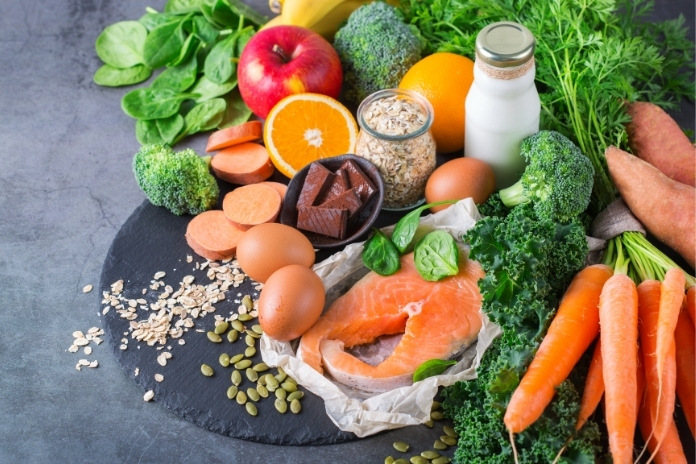

Introduction – Why Beans Are a Smart Protein Choice
Beans often sit quietly in the pantry, seen as “cheap carbs” or “side dishes” rather than front-row health foods in the protein category. But the truth is: many beans deliver substantial protein, along with fiber, minerals, and a low cost.
If you’re vegetarian or vegan, avoiding animal protein, budget-conscious, or simply want to add variety to your plates, beans are your stealthy protein ally.
We’ll delve into which beans pack the most protein, the health benefits beyond just “more grams,” how to cook & include them (not the usual “soak and stir-fry” sermon), and what to keep in mind. And yes, we’ll look beyond the usual “beans are good for gut health” claims.
What Counts as “High-Protein Beans” & How Much Protein Do They Have
So what exactly makes a bean “high-protein”? A simple way to look at it: if one cup (cooked) gives you roughly 15 grams or more of protein, that’s a solid protein source – not just a side. Some beans even contain a higher amount.
Illustrative numbers
These aren’t trivial amounts – when you build meals around them, they meaningfully contribute toward your daily protein goal.
Incomplete vs complete protein
Beans are great, but often they don’t alone provide every essential amino acid in the “ideal” ratio – i.e., the same as some animal proteins.
However, you can easily fix it by pairing those beans with grains like rice, millet, or quinoa. This way, they give you a complete amino acid profile (yes! This is something that many vegetarians are already doing without thinking about it). This is classic plant-based protein wisdom.
Read More: 12 Roles Of Proteins In The Body – Know The Importance!
Top High-Protein Bean Varieties
Here are beans that shine in terms of protein (and overall nutrition), with a new take: how they work in everyday use, not just “cook and eat”.
Soybeans / Edamame
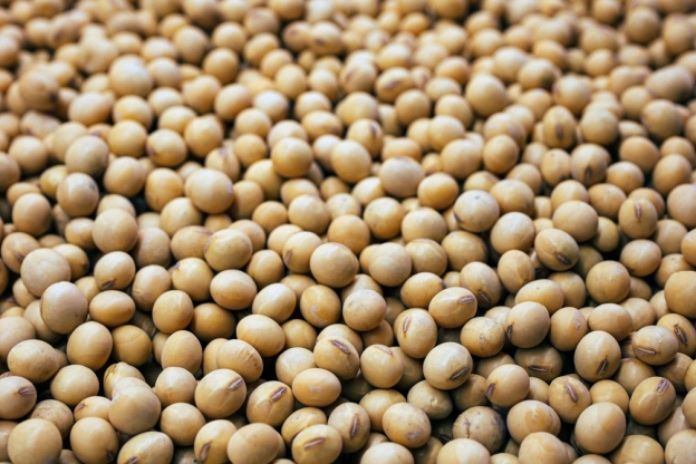
Soybeans are true protein powerhouses: mature soybeans can deliver ~30+ g protein per cup.
They are among the few plant foods with a fairly “complete” amino acid profile, making them particularly useful if you’re relying fully on plant protein.
Use edamame in unconventional ways – e.g., blitzed into a dip with spices, tossed into chilled summer rice bowls, or pureed into a “bean-burger” base. It adds texture plus a protein punch.
Tip: If you use frozen edamame, thaw them halfway in salads instead of fully cooking them – to keep that “bite” and avoid mush.
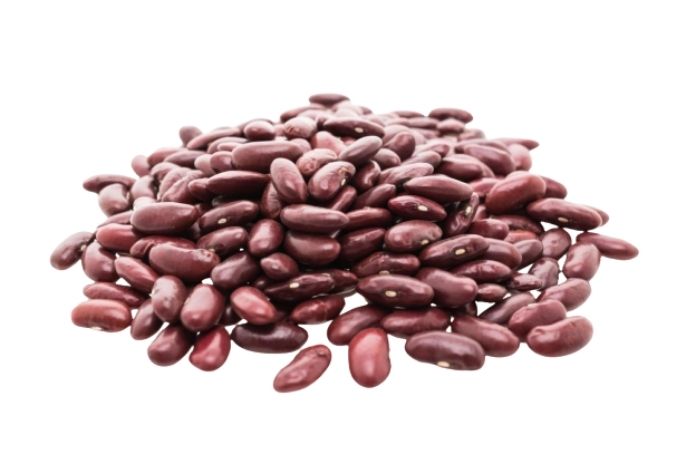
Kidney Beans, Black Beans, Navy Beans
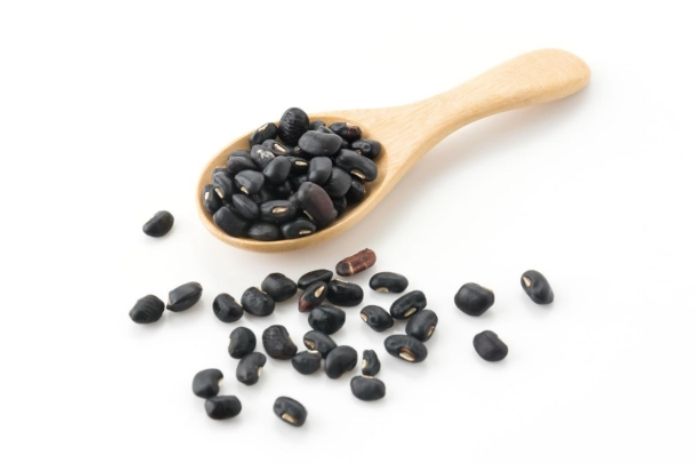
These are your steady workers. Each gives roughly 15g of protein per cup.
They are also fiber- and iron-rich, folate-rich, and affordable, making them ideal for regular rotation.
A simple idea that works well: Rather than using the usual chilli style alone, you can try:
- Black bean-corn quinoa salad with citrus-cumin dressing
- Kidney bean “meat-less” tacos with quick slaw
- Navy bean and sweet-potato mash as a side, replacing potato alone (up the protein quietly)
Tip: Add a few nuts or seeds to give it a crunch and make it more interesting.
Lentils & Adzuki Beans
Lentils contain approximately 17–18g of protein per cup when cooked.
Adzuki beans aren’t often discussed, but they contain about the same amount, around 17g.
A practical approach: You can toss lentils in a salad or try adzuki in a mild coconut curry – it goes really well with light spice and coconut milk.
Tip: Lentils cook quickly compared to most beans, making them ideal for weekdays when you don’t want to wait forever. Use red or green lentils as a weekday shortcut to boost protein without a long soak time.
Other Emerging / Under-Utilised Beans
For those who like variety, beans such as the winged bean, moth bean, or lupin bean are featured in research for their high protein content and nutrient profiles.
For example, a “top-10” listing shows lupin beans contain more than 14 g of protein per boiled cup.
Here’s one more way to use them: Try one new “less-familiar bean” each season. It’s not just for “specialty foodie” – it also adds diversity in your gut microbiome and keeps meals interesting.
Read More: 8 Best Plant-Based Proteins for Muscle Building
Health & Nutritional Benefits of Beans
Let’s look at benefits beyond “more grams of protein” – the layers of value in including high-protein beans.
1. Plant-based protein with a favourable fat profile
Beans give you plenty of protein but with almost no saturated fat or cholesterol (unlike many animal sources).
That means if you are trying to get proteins from plant sources for heart health, or even ethical reasons, then beans are always a strong foundational choice.
2. High-fiber + protein combination gives satiety and metabolic benefit
Beans offer both fiber and protein in one small package. This combination can help manage hunger, support weight management, and help balance blood sugar levels.
This is precisely why some experts suggest rethinking our approach to protein sources. According to Dr. Christopher Gardner, a research professor of medicine, meat – even lean cuts – should be considered lower on the protein priority list because it contains no fiber.
Beans, on the other hand, provide that missing fiber, supporting appetite regulation and overall metabolic health for many people.
3. Micronutrients galore
Many beans bring iron, folate, magnesium, and potassium along with protein.
If you’re relying less on meat, this is helpful (meat often supplies iron/ zinc), so beans help fill multiple gaps.
4. Blood sugar & cardiovascular relevance
The high fiber + low-fat profile helps with insulin sensitivity, blood sugar control, and lowering LDL cholesterol.
So you’re not just eating beans to “get protein” – you’re supporting broader metabolic health.
Read More: The Power of Macronutrients: Understanding Proteins, Carbs, and Fats in Your Diet
How to Incorporate Beans Into Your Diet
Here’s the practical part – but with emphasis on changing the routine (not the same old “beans in a salad every week”).
Smart preparation & cooking tips
- If you’re using dry beans, soak them overnight if you can. Then throw out the water, which also helps alleviate the gas issue by leeching out undigestible sugars that cause it.
- Canned beans work well too, just rinse them good under water, and you will get rid of the extra salt and that weird can taste.
- Throw in spices early – cumin, turmeric, coriander, whatever’s lying around – makes them taste like food, not filler.
- One-pot recipes are the way to go. Just toss in beans, a grain of your choice (brown rice, quinoa, whatever you’ve got), and some veggies. Fewer dishes, a complete meal, and you’re done.
Meal ideas (with a little twist)
- Bean bowls: Mix black beans with quinoa (or brown rice if you prefer), add some roasted veggies, and drizzle tahini or a squeeze of lime on top. Super easy, filling, and works great for next-day lunch too.
- Burger style: Mash kidney beans or lentils with oats, onion, carrot, chilli flakes. Shape them, bake or air fry, add whole grain buns and salad on top, and your burger is ready.
- Cold lentil salad: Add lentils, chopped peppers, feta or tofu, mint, and lemon. Stays fine in the fridge for up to 3 days.
- Wraps or tacos: Combine black or pinto beans, avocado, salsa, and pickled onions. Looks simple to prepare and yet it’s high in protein and flavour.
- Bean dips/spreads: Blend white beans or navy beans with olive oil, garlic, and lemon to obtain that perfect dip. Tastes great with veggie sticks or when added to a sandwich.
Portion & pairing suggestions
- If beans are your primary source of protein, about half a cup to one cup cooked is sufficient. Half a cup yields approximately 7–9 grams of protein, while one cup may contain 15 grams or more, depending on the type of bean used.
- If you’re not adding any other protein, have your beans or lentils with rice, millet, or quinoa – that way, you get the full mix of nutrients.
- For muscle or higher-protein goals, mix beans with another plant-based protein, such as tofu, tempeh, or seeds – it provides a nice boost and better overall balance.
Budget & convenience tips
- Dried beans work out a lot cheaper than canned ones or meat when considering protein per gram.
- You can cook a big batch, such as 2 cups of dried beans, which yields around 6 cups of cooked beans. Then freeze them in small portions, about a cup each. Super handy for quick meals later.
- If you’re using canned beans, opt for the low-sodium ones whenever possible. It’s a good idea to keep a few tins in the kitchen for days when you don’t feel like cooking much.
- Also, keep changing the type of beans every week or two – this helps with taste and provides a mix of nutrients as well.
Read More: The Role of Heat Shock Proteins in Muscle Recovery and Longevity
Conclusion
Beans are not your “boring pantry food.”
They’re an affordable, nutrient-rich food to support your protein goals while adding fiber and micronutrients. They may not match animal protein perfectly in terms of the variety of amino acids that animal foods contain, but if you combine them right, they easily hold their own.
So, soak, rinse, mix, and season – and let beans become a regular, satisfying part of your meals, not just a filler on the side.
FAQs
Q1. Which bean has the highest protein per serving?
Among common bean types, mature soybeans (or edamame) lead the pack with ~30 g+ of protein per cup cooked.
Q2. Can beans alone provide enough protein for muscle building?
Yes – if your total daily protein target is met and you vary your plant sources to cover all the essential amino acids, beans can play a significant role.
Q3. How many cups of beans should I eat daily to reap the health benefits?
A good guideline: aim for 1-2 cups of cooked beans per day (as part of meals) if you’re leaning towards a plant-based diet. But it depends on your overall diet, energy needs, and protein target.
Q4. Do beans cause gas or digestive problems?
Yes. Some people experience gas due to the presence of oligosaccharides in beans. To reduce this: soak dried beans overnight, rinse canned beans, start with moderate portions, chew well, and include herbs like cumin or asafoetida.
Q5. Are canned beans as good as dried beans for protein and nutrition?
Yes, essentially the protein & nutrient content is similar when cooked, but canned may have higher sodium or less control over preparation. Rinsing helps. Dried beans give more flexibility, cost savings, and less added salt.
References
- https://health.clevelandclinic.org/do-i-need-to-worry-about-eating-complete-proteins
- https://www.ncbi.nlm.nih.gov/pmc/articles/PMC10670495/
- https://doi.org/10.1093/jn/nxab323
- https://www.ncbi.nlm.nih.gov/books/NBK570127/table/lipid_diet_cardiov.T.fiber_content_of_se_1/
- https://www.ncbi.nlm.nih.gov/pmc/articles/PMC8398613/#B17-molecules-26-05071
- https://fdc.nal.usda.gov/food-details/175193/nutrients
- https://fdc.nal.usda.gov/food-details/172421/nutrients
- https://fdc.nal.usda.gov/food-details/172424/nutrients
- https://www.nal.usda.gov/sites/default/files/page-files/Protein.pdf
- https://www.ars.usda.gov/news-events/news/research-news/2021/black-beans-help-fix-insulin-resistance-and-gut-bacteria-balance/
In this Article