












For years, fat got a bad rap. Low-fat diets were everywhere, marketed as the key to losing weight, clearing arteries, and staying healthy. Fat-free yogurt, skim milk, dry toast… You know the drill.
But somewhere in that war against fat, we lost sight of a crucial fact: not all fats are bad, and some are absolutely essential.
The truth is, your body needs healthy fats. Without enough good fats, things start slipping, energy dips, your mood wobbles, your skin dries out, and your body starts signaling that something’s missing.
But here’s the catch: those signals aren’t always obvious. You might chalk them up to stress, aging, or just “one of those weeks.” In this article, we’ll unpack the subtle but important signs that you’re not eating enough healthy fats, and more importantly, how to fix it.
From physical symptoms to emotional clues, we’ll help you recognize what your body’s really asking for and show you how to bring fats back into your diet the smart way.
Why Your Body Needs Healthy Fats

Let’s clear something up: fat isn’t just a backup energy source, it’s a core player in how your body functions, from your brain to your hormones to your skin.
Here’s a closer look at why healthy fats are non-negotiable:
1. Hormone Production
Fats are the raw material your body uses to produce critical hormones, including estrogen, testosterone, and cortisol. These hormones affect everything from your reproductive health to your stress response.
Without enough healthy fats in your diet, hormone production can take a hit. The result? Irregular periods, low libido, chronic fatigue, or mood swings that seem to come out of nowhere.
2. Brain Health and Mood
Your brain is made up of nearly 60% fat, and it thrives on omega-3 fatty acids like EPA and DHA. These fats help build and protect neurons, support efficient communication between brain cells, and regulate mood.
When you’re running low on healthy fats, brain fog, forgetfulness, and even symptoms of anxiety or depression can creep in. It’s not just about mental sharpness, it’s about emotional balance too.
3. Absorption of Fat-Soluble Vitamins
Vitamins A, D, E, and K don’t just magically get absorbed into your bloodstream. They need dietary fat as a carrier. That means even if you’re eating nutrient-rich foods, a low-fat diet could block you from actually absorbing these vitamins.
Over time, this can lead to weakened immunity, poor bone health, vision problems, and slow wound healing.
4. Skin and Cell Membrane Integrity
Every single cell in your body is wrapped in a membrane made of fat. That includes your skin cells. Healthy fats, especially omega-6 and omega-3 fatty acids, keep those membranes flexible, strong, and hydrated.
When your intake drops, you may notice dry, flaky, or inflamed skin. In more severe cases, the skin barrier weakens, making you prone to irritation or breakouts.
5. Sustained Energy
According to the American Heart Association, fat is the most energy-dense macronutrient, providing 9 calories per gram.
Unlike carbohydrates, fats deliver slow, steady energy and help keep you satiated for longer periods. Without them, you might find yourself constantly hungry, drained, or dependent on caffeine just to function.
Read More: Understanding Proteins, Carbs, and Fats in Your Diet
Hidden Signs You’re Not Eating Enough Healthy Fats

Let’s break down why healthy fats matter, what happens when you don’t get enough, and how to spot the subtle signs your body might be giving you.
1. Dry, Flaky Skin or a Dull Complexion
Your skin is one of the first places fat deficiency shows up. Healthy fats, especially omega-3s, help lock in moisture, support the skin barrier, and keep inflammation in check.
The fatty acids already present in your skin do three important things: “They decrease trans-epidermal water loss (TEWL), they’re antimicrobial, and they’re anti-inflammatory,” Olga Bunimovich, M.D., a dermatologist at the University of Pittsburgh Medical Center, tells. If any one of those functions is compromised, your skin barrier will be too.
Without sufficient healthy fats, you may experience rough patches, increased sensitivity, or even eczema-like flare-ups. The skin may look dull, feel tight, or become prone to redness and irritation. If your skincare routine isn’t cutting it, your diet might be the missing link.
2. Hormonal Imbalances or Irregular Periods
Fat is a non-negotiable building block for hormones like estrogen, progesterone, testosterone, and cortisol. Without enough, your endocrine system struggles to stay balanced.
Women may experience delayed or missed periods, worsened PMS, or unexplained mood swings. Men might notice reduced libido, lower stamina, or fatigue.
Chronic low-fat eating can mess with both reproductive and adrenal hormone pathways.
3. Constant Hunger or Poor Satiety
Ever finish a meal and feel hungry again an hour later? It might not be a willpower issue; it could be your fat intake.
Healthy fats slow digestion, stabilize blood sugar, and activate satiety hormones like leptin and cholecystokinin. Without them, your meals digest too quickly, and your body keeps asking for more.
Even with enough calories, you may feel unsatisfied and prone to snacking.
4. Brain Fog or Trouble Focusing
Your brain is mostly fat, and it runs best on the right kind. Omega-3 fatty acids, especially DHA, support memory, clarity, and overall mental sharpness.
When fat intake is low, people often report feeling mentally sluggish, distracted, or emotionally flat. You might struggle to retain information, stay engaged in conversations, or even maintain a stable mood.
“Omega‑3 fatty acids, particularly DHA, are critical for maintaining brain structure and function. Low DHA levels are linked to impaired memory, concentration, and overall cognitive clarity.”, says Dr. Francine Welty, MD, Associate Professor of Medicine, Harvard Medical School.
5. Brittle Nails and Excess Hair Shedding
Fats play a direct role in nourishing your hair and nails from the inside out.
When your intake is too low, you might notice weak, peeling nails or hair that feels dry, breaks easily, or sheds more than usual. In some cases, your scalp might feel itchy or flaky as the skin barrier loses integrity.
6. Low Energy or Exercise Burnout
Carbs might be your go-to pre-workout, but fats are what keep you going during longer activities. They’re a slow-burning fuel source that helps maintain stamina and energy reserves.
If you’re constantly dragging through workouts, hitting a wall midway, or taking longer to recover, your fat intake might be too low for your activity level.
7. Frequent Inflammation or Joint Discomfort
Omega-3 fats are natural inflammation fighters. When you’re deficient, you may feel achier, notice more joint stiffness, or take longer to bounce back from soreness.
Chronic low-level inflammation can quietly build up over time, contributing to everything from autoimmune flares to poor sleep and brain fog.
Why You Might Be Missing Healthy Fats (Without Realizing)
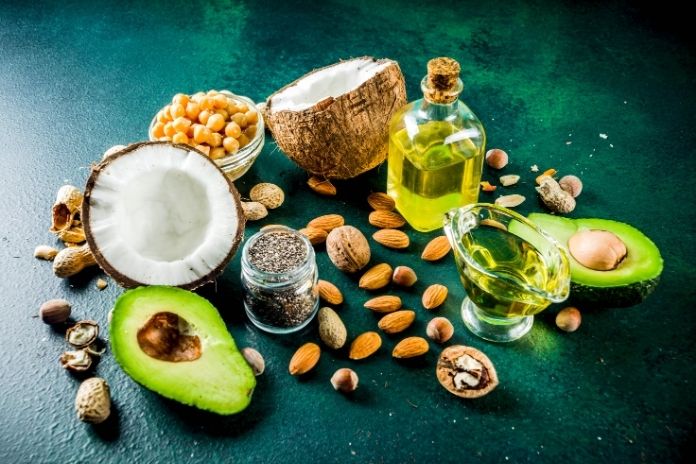
Even if you think you eat well, there’s a good chance you’re not getting enough of the right fats. And it’s not always your fault; some habits are hardwired into the way we’ve been taught to eat. Here’s where things often go wrong:
- Still stuck in the low-fat mindset: The low-fat craze of the ‘80s and ‘90s left a lasting mark. Many people still believe that all fat is bad, so they gravitate toward ultra-low-fat diets (under 20% of total calories).
- Confusing all fats as harmful: Not all saturated fats are villains, and more importantly, this black-and-white thinking causes people to avoid even beneficial fats like monounsaturated (in olive oil, avocados) and polyunsaturated fats (in fish, walnuts, flaxseeds).
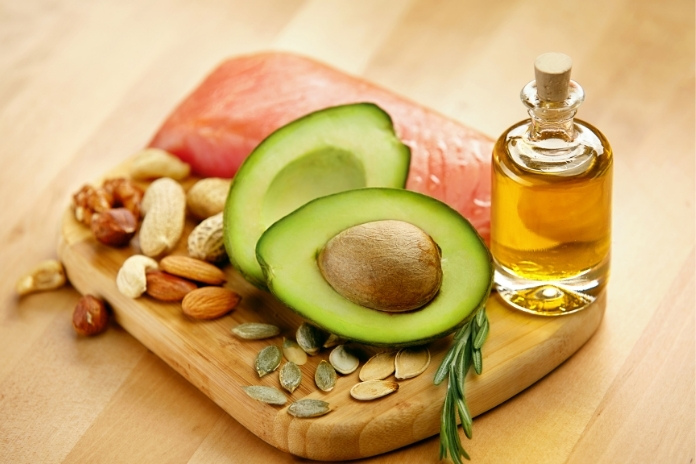
- Missing key sources entirely: If your grocery cart never includes nuts, seeds, avocados, or oily fish like salmon and mackerel, chances are your intake of healthy fats, especially omega‑3s, is falling short.
- Relying on fat-free processed foods: The “fat-free” label might look healthy, but it often means you’re getting a product stripped of nutritional value and packed with extra sugar or starch to compensate. These foods don’t keep you full, don’t nourish your cells, and definitely don’t provide the fats your body craves.
- Underlying digestive issues: Even if your fat intake looks decent on paper, your body might not be absorbing it properly. Conditions like gallbladder disease, pancreatic insufficiency, or celiac-related malabsorption can all disrupt how your body processes dietary fat. The result? Deficiencies that go unnoticed for months or years.
Best Sources of Healthy Fats
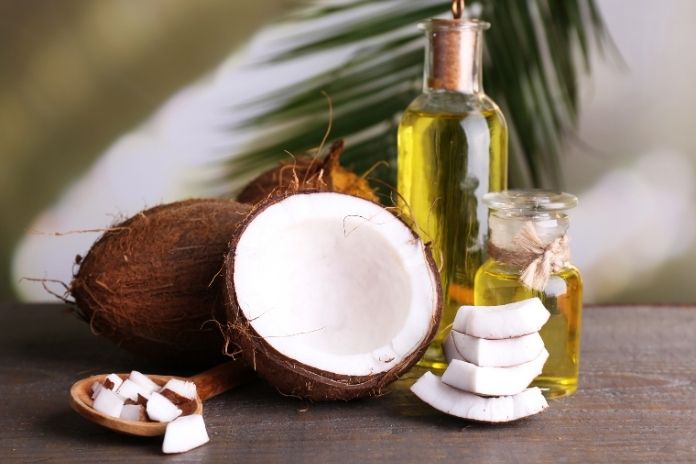
The key is knowing which fats to prioritize. From heart-friendly monounsaturated fats to inflammation-fighting omega‑3s, here’s a breakdown of the best sources to include in your daily meals, without the guesswork.
- Monounsaturated Fats: These fats help lower bad cholesterol (LDL) while maintaining good cholesterol (HDL). They also support heart health and reduce inflammation. Top sources of monounsaturated fats include:
- Avocados– rich in oleic acid and fiber, they support satiety and gut health.
- Olive oil– extra virgin is best, loaded with antioxidants and anti-inflammatory compounds.
- Nuts– especially almonds, cashews, and hazelnuts, which provide vitamin E and magnesium.
- Seeds– such as sesame or pumpkin seeds, which also offer a protein boost.
- Polyunsaturated Fats (PUFAs): These include essential fats your body can’t make on its own. The two major types are Omega‑3 and Omega‑6 fatty acids.
- Omega‑3s:Crucial for brain function, inflammation control, and heart health.
- EPA and DHA:Found in fatty fish like salmon, sardines, and mackerel. These are the most bioavailable forms.
- ALA (alpha-linolenic acid):Found in plant-based foods like flaxseed, chia seeds, and walnuts. However, your body converts only a small amount of ALA to EPA/DHA.
- Omega‑6s:Found in sunflower, safflower, and soybean oils. While essential, balance is key; excessive omega-6 without enough omega-3 may promote inflammation.
- Moderate Saturated Fats: Contrary to outdated advice, small amounts of high-quality saturated fat can fit into a healthy diet.
- Coconut oil:Contains MCTs (medium-chain triglycerides) that are quickly used for energy.
- Grass-fed ghee:Clarified butter with fewer milk solids, rich in butyrate and fat-soluble vitamins.
- Full-fat dairy (in moderation):Yogurt, cheese, and milk, opt for pasture-raised or organic when possible.
Pro tip: Try combining sources. Add chia seeds to full-fat Greek yogurt, top with walnuts and a drizzle of olive oil. You’ll hit all three categories in one go.
Read More: 18 Healthy Fats To Eat For A Healthier Well-Being
How Much Fat Do You Actually Need?
Most experts, including the Dietary Guidelines for Americans (2020–2025), recommend that 20% to 35% of your daily calories should come from fat.
For someone eating around 2,000 calories a day, that means roughly 44 to 78 grams of total fat. Within that, saturated fat should stay under 10% of your daily intake, ideally closer to 6–7% if you’re keeping an eye on heart health.
But we’re not just talking quantity, we’re talking quality.
Prioritize unsaturated fats (monounsaturated and polyunsaturated), and keep saturated fats moderate and from clean sources like grass-fed dairy or coconut oil. And as for trans fats? Skip them entirely; they offer zero benefits and increase your risk of heart disease.
There are also essential fats your body can’t make on its own. The Institute of Medicine recommends:
- 1 grams/day of ALA(a plant-based omega‑3) for women
- 6 grams/day for men
- 12–17 grams/day of linoleic acid(an omega‑6), depending on your age and sex
To make it easier: aim for 2 to 3 servings of healthy fats each day. This could be a handful of nuts, a drizzle of olive oil, half an avocado, or a serving of fatty fish.
Include omega‑3s at least a few times a week, whether from salmon, sardines, flaxseeds, or algae-based supplements.
When to Talk to a Professional
Consult a healthcare provider or registered dietitian if you experience:
- Chronic digestive issues (malabsorption or gallbladder concerns).
- Persistent fatigue or unexplained hormonal symptoms.
- A history of eating disorders or prolonged very low‑fat dieting.
A dietitian can assess your intake, run nutrient panels, and help rebalance your fat needs safely.
Fixing Fat Deficiency: Practical Steps
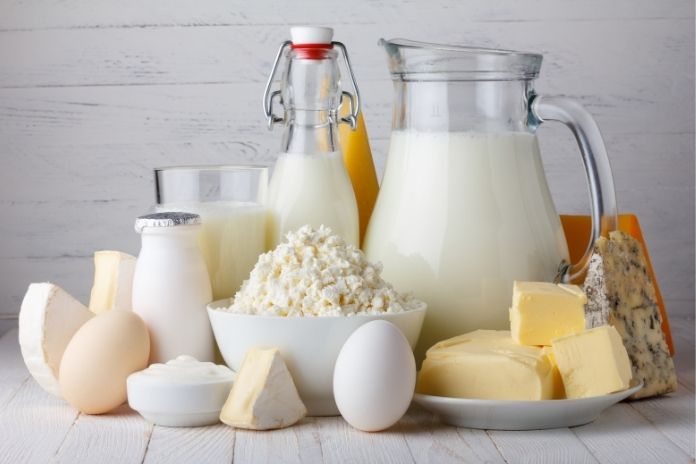
Fixing a fat deficiency doesn’t require a massive diet overhaul. It just takes smart, consistent steps. Let’s break down exactly how to do that.
- Add at least one healthy-fat food per meal: You don’t need to overhaul your diet overnight, just start adding. Drizzle some extra virgin olive oil over cooked veggies, blend avocado into your smoothie, or toss nuts into your oatmeal. These small changes add up and create a solid foundation of fat intake across the day.
- Include omega-3 sources regularly: The body needs omega-3s but can’t produce them on its own. Aim for two servings of fatty fish like salmon or sardines each week. If you’re a vegetarian or don’t eat fish, go for chia seeds, flaxseeds, or walnuts daily. You can also consider algae-based supplements to get preformed EPA and DHA, especially important if you’re on a plant-based diet.
- Don’t fear moderate saturated fats: Coconut oil, grass-fed ghee, and organic dairy can have a place in a healthy diet, especially when they’re replacing ultra-processed foods. These fats can support hormone production and help you feel full longer. Just watch the portion size and prioritize variety.
- Balance your macronutrient mix: Healthy fats don’t mean you ditch carbs or overdo protein. Ideally, your plate should reflect a balanced macronutrient range: 20–35% of total calories from fat, 15–25% from protein, and 45–65% from carbs. Tweak the mix depending on your activity level, goals, and how your body responds.
- Monitor symptoms as feedback: Once you start consistently eating enough fat, your body may let you know it’s working. Noticeable signs of improvement can include softer skin, fewer energy crashes, more stable moods, and stronger hair or nails. These are real signals that you’re on the right track.
The bottom line? Fat isn’t the enemy; it’s a missing piece for many people. Thoughtful, consistent additions can make a serious difference in how you feel, function, and perform.
Read More: Balancing Macronutrients: Crafting a Well-Rounded Diet for Optimal Health
Conclusion
Fat isn’t the enemy. In fact, it’s one of your body’s most vital allies, fueling your brain, protecting your cells, and helping you absorb key nutrients. When you skimp on it, you don’t just lose calories, you lose balance. Dry skin, poor concentration, hormonal shifts, and constant fatigue? Those might not be random. They could be signs your body’s running on empty, where fat should be.
But here’s the thing: fixing a fat deficiency doesn’t mean downing greasy fast food. It’s about being intentional. Drizzle olive oil on your veggies. Toss chia seeds into your oats. Add salmon or flaxseed to your week. A few small shifts in your plate can spark big shifts in your energy, mood, and long-term health.
So stop fearing fat, start using it. Not recklessly, but wisely. When you choose quality fats in the right amounts, you’re not just eating better. You’re setting up your body to thrive.
References
- https://my.clevelandclinic.org/health/articles/fats
- https://www.nhs.uk/live-well/eat-well/food-types/different-fats-nutrition/
- https://www.health.harvard.edu/staying-healthy/know-the-facts-about-fats
- https://www.heart.org/en/healthy-living/healthy-eating/eat-smart/fats/dietary-fats
- https://www.houstonmethodist.org/blog/articles/2019/nov/healthy-fats-and-where-to-find-them/
- https://pmc.ncbi.nlm.nih.gov/articles/PMC5577766/
- https://www.mayoclinic.org/healthy-lifestyle/nutrition-and-healthy-eating/in-depth/fat/art-20045550
- https://www.medicalnewstoday.com/articles/322295
- https://www.webmd.com/diet/ss/slideshow-healthy-fat-foods
- https://pharmeasy.in/blog/10-fatty-foods-you-should-be-eating/
- https://nutritionsource.hsph.harvard.edu/what-should-you-eat/fats-and-cholesterol/
- https://continentalhospitals.com/blog/12-super-healthy-high-fat-foods/
- https://food-guide.canada.ca/en/healthy-eating-recommendations/make-it-a-habit-to-eat-vegetables-fruit-whole-grains-and-protein-foods/choosing-foods-with-healthy-fats/
In this Article