














Salmon, tuna, and sardines get most of the attention when people talk about “healthy fish.” Haddock rarely makes the list, even though this mild, white, North Atlantic fish has an impressive nutrient profile and far fewer drawbacks than many popular seafood choices.
Haddock is part of the cod family, which means it shares the lean, flaky texture people love, but with a slightly richer flavor and a better balance of minerals.
Because it’s naturally low in fat, high in protein, and packed with vitamins and minerals that support heart function, thyroid balance, nerve signaling, and metabolic regulation, haddock is far more than a simple menu option. Its nutritional profile is clean and straightforward, making it ideal for people who want a high-protein, low-mercury seafood option that fits into almost any diet pattern.
This article breaks down the key benefits of haddock backed by current research, explores how it compares to other white fish, examines safety and mercury concerns, and shows simple ways to include it in your weekly meals.
Nutritional Profile of Haddock
A 3.5-ounce (100 g) serving of cooked haddock provides:
- Calories: ~90–100 kcal
- Protein: ~20–22 grams
- Fat: ~1 gram (mostly omega-3 fatty acids)
- Carbohydrates: 0 grams
- Vitamin B12: ~70–90% of the Daily Value
- Vitamin B6, Niacin: Significant amounts
- Minerals: phosphorus, selenium, iodine, potassium
Here’s what these numbers really mean. Twenty grams of lean protein with only one gram of fat makes haddock an efficient protein source, particularly for people who want to build muscle or maintain weight without excess calories. And even though haddock is much leaner than salmon or sardines, it still provides essential omega-3s. It’s a rare balance, lean but still nutrient-dense.
Vitamin B12 stands out the most. Many people, especially older adults and those following restrictive diets, struggle to get enough B12. Haddock naturally provides it in substantial amounts, supporting red blood cell formation, nerve health, and metabolic function.
Iodine and selenium, two minerals that work together to regulate thyroid hormones, are also present in meaningful amounts, making haddock one of the strongest dietary sources for thyroid support.
Top Health Benefits of Eating Haddock

If you’re looking for a fish that’s light, versatile, and genuinely good for your body, haddock is one of those quiet heroes people often overlook. It doesn’t have the rich oiliness of salmon or the strong taste of tuna, but that’s exactly what makes it so easy to work into everyday meals.
What most people don’t realize is that this mild, lean white fish carries a surprising amount of nutritional power, the kind that supports your heart, brain, metabolism, and overall well-being without weighing you down. Once you look at what it actually offers, it becomes clear why haddock deserves a regular spot on the plate.
1. Supports Heart Health
Haddock may not have the heavy omega-3 concentration of salmon, but it still contains EPA and DHA, the two omega-3 fatty acids linked to reduced cardiovascular risk. These fatty acids help maintain healthy triglyceride levels, reduce inflammation in blood vessels, and help prevent arrhythmias.
Because haddock is extremely low in saturated fat, it is an excellent replacement for red meat or processed meats, which are consistently linked to higher heart disease risk. Fish (including lean or “white” fish, not just oily fish) is rich in high-quality protein and other nutrients. Some randomized controlled trials report that fish consumption, compared with non-seafood or red-meat protein, leads to improvement in lipid profile and other metabolic syndrome markers.
The American Heart Association recommends eating fish twice per week for heart protection, and haddock fits neatly into that guideline. It offers omega-3s without the heavy calorie load or strong fish flavor that may turn some people away from oilier fish.
2. A Lean Protein Source for Muscle and Weight Management
“Fish is very low in saturated fat and low in cholesterol,” said Jennifer McDaniel, a spokeswoman for the Academy of Nutrition and Dietetics, and people who follow a Mediterranean-style diet that incorporates seafood appear to be at lower risk for obesity, “but a lot of people don’t think about that and just focus on omega-3s.”
A single serving of haddock provides over 20 grams of high-quality protein. This amount supports muscle repair, satiety, and metabolic function, without the added fats or carbohydrates that can push calorie intake too high.
Because protein slows digestion, meals containing haddock help maintain a stable appetite and reduce overeating later in the day. This makes haddock ideal for:
- High-protein diets
- Weight-loss plans
- Athletes who need lean protein
- Individuals managing blood sugar
- People with digestive sensitivities who tolerate mild fish well
Compared to chicken, haddock provides similar protein levels with the added benefit of omega-3s and micronutrients that poultry lacks. And compared to fattier fish, haddock allows people to increase protein intake without dramatically increasing calories.
Read More: Can You Build Muscle on the Carnivore Diet? What Science and Experts Say
3. Promotes Brain Function and Mood
Haddock contains two critically important nutrients for brain health: vitamin B12 and omega-3 fatty acids. Vitamin B12 supports nerve function, helps form the protective myelin sheath around neurons, and plays a central role in neurotransmitter production. Chronic low B12 is associated with memory problems, reduced cognitive performance, and changes in mood.
Omega-3s support brain development, learning, and emotional regulation. Though haddock is lean, its omega-3 content still contributes meaningfully to overall intake, especially for people who rarely eat fatty fish.
An additional advantage: haddock is a low-mercury fish, making it safer for frequent consumption than larger species such as king mackerel, swordfish, or certain types of tuna. That means people can enjoy its cognitive benefits without worrying about heavy metal buildup.
4. Boosts Thyroid and Metabolic Health
Thyroid health depends on two minerals: iodine and selenium. Haddock provides both naturally and in highly bioavailable forms.
- Iodine enables the thyroid gland to produce T3 and T4, the hormones that regulate metabolism, energy expenditure, and body temperature.
- Selenium helps convert thyroid hormones into their active forms and protects thyroid tissue from oxidative damage.
Many Americans do not consume adequate iodine unless they actively eat seafood or dairy. For people avoiding dairy or consuming only plant foods most of the time, mild iodine deficiency is surprisingly common. Haddock helps close that gap.
5. Strengthens Bones and Nerves
Phosphorus is essential for skeletal strength and cellular signaling, and haddock contains a substantial amount of it. Combined with B vitamins such as B6 and niacin, haddock supports the nervous system, DNA repair, and red blood cell formation. Selenium, an antioxidant mineral found in haddock, supports nerve protection by helping neutralize oxidative damage.
Over time, this may help reduce the risk of cognitive decline and nerve-related conditions linked to inflammation. Because haddock is so easy to digest, it’s often recommended for people who have trouble tolerating richer meats. It provides nutrients needed for bone and nerve health without digestive strain.
Fish has been described as a ‘nutritionally valuable’ food because it supplies easily digestible high-quality protein along with important minerals and vitamins, including phosphorus, selenium, and B-vitamins, that support bone strength, cellular and nerve function, and antioxidant protection.
Read More: 8 Best Products for Supporting Bone Health and Density
6. Supports Immune System and Antioxidant Defense
Haddock offers a mix of immune-supportive nutrients:
- Selenium (powerful antioxidant)
- Vitamin B6 (crucial for white blood cell production)
- Niacin (supports cellular repair and energy metabolism)
- Omega-3s (help regulate inflammation)
Selenium stands out because it is part of enzymes such as glutathione peroxidase, which helps the body neutralize oxidative damage before it spreads. Low selenium intake is associated with weaker immune responses and greater inflammatory stress.
Because haddock naturally contains this mineral at levels difficult to find in most other lean proteins, it offers steady antioxidant support as part of a regular diet rotation.
Haddock vs Other White Fish: How It Compares
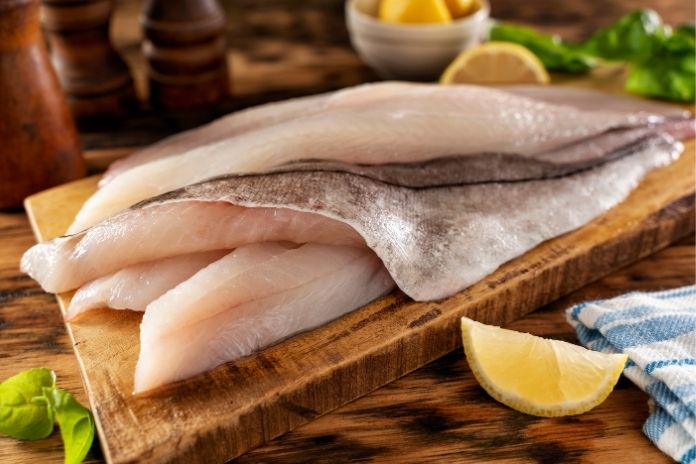
Haddock doesn’t always get the same attention as cod or pollock, but it deserves a spot in the conversation. It’s mild, versatile, and naturally packed with nutrients that make it easy to work into everyday meals. What sets it apart is how it balances flavor with steady nutritional value, especially for heart and thyroid health. It’s the kind of fish that quietly outperforms others once you look a little closer.
Here’s how haddock stacks up against other common white fish:
Haddock vs Cod
Cod and haddock are closely related and often interchangeable. But haddock typically has:
- Slightly more omega-3 fatty acids
- A deeper, slightly sweeter flavor
- More iodine
Cod, on the other hand, is leaner and milder. Nutritionally, both are excellent choices, but haddock edges ahead for thyroid support.
Haddock vs Pollock
Pollock is also lean and low in mercury, but it tends to have slightly lower protein density per serving. Haddock offers a firmer texture and more consistent micronutrient levels.
Haddock vs Tilapia
Tilapia is inexpensive but contains significantly fewer omega-3s and lower iodine levels. Haddock is nutritionally superior for heart and thyroid health.
At a glance: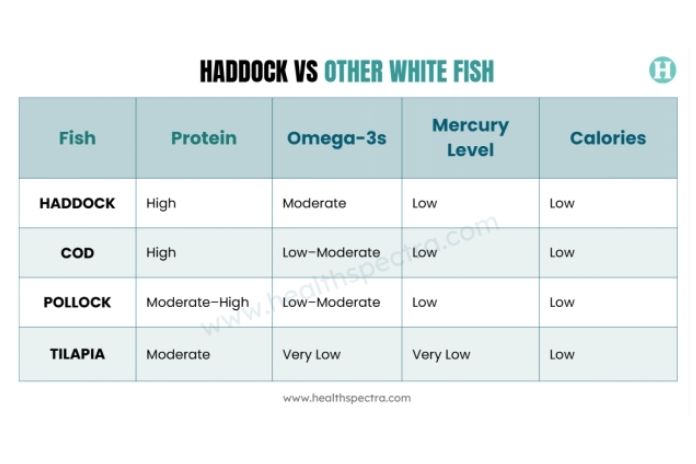 Haddock offers one of the best nutrient-to-calorie ratios among white fish.
Read More: 6 Types of Fish That Naturally Boost Your Vitamin D Levels
Risks and Precautions

Haddock is generally a safe choice for most people, but like any seafood, a few things are worth keeping in mind. The goal isn’t to scare you away from it, just to help you enjoy it without running into avoidable issues. Think of this as the quick checklist that keeps haddock on the healthy side of your plate.
- Mercury Content: The FDA’s 2024 advisory lists haddock as a low-mercury fish, which means it’s safe for regular consumption, even for pregnant individuals, nursing parents, and children. That said, moderation still matters because mercury accumulates over time, not in a single meal.
- Sodium in Processed Haddock: Smoked, salted, breaded, or battered haddock can carry surprisingly high sodium levels. This can increase blood pressure and undo the heart-healthy benefits of the fish itself. Fresh or frozen fillets are your best bet if you want the nutritional advantages without the sodium spike.
- Seafood Allergies: Anyone with a known fish or shellfish allergy should skip haddock completely. Allergy reactions can be sudden, severe, and unpredictable, even if past reactions were mild or infrequent.
How to Add Haddock to Your Diet

Haddock is not only nutritious but also incredibly versatile, making it easy to fit into a variety of meals. Its mild flavor allows it to absorb herbs, spices, and sauces without being overpowering, while its lean, high-protein profile keeps dishes light and healthful. With a few simple techniques, you can enjoy haddock in ways that are both satisfying and nutrient-dense.
Healthy Cooking Ideas
- Bake haddock with lemon, garlic, and fresh herbs for a simple, flavorful meal.
- Grill haddock for tacos, topped with crunchy cabbage slaw and a light sauce.
- Poach haddock gently in olive oil or a flavorful seafood broth to retain moisture.
- Make a lighter haddock chowder using vegetables and a touch of cream for richness.
- Steam haddock with ginger and scallions to highlight natural flavors.
- Try a haddock curry with coconut milk, turmeric, and aromatic spices for a heartier option.
Tips to Maximize Nutrition
- Opt for baking, steaming, or poaching rather than frying to keep calories and fats low.
- Pair haddock with vegetables, whole grains, or legumes for balanced meals.
- Use herbs, citrus, and spices instead of salt to boost flavor without increasing sodium. Store fresh haddock in the coldest part of the fridge and consume within 1–2 days, or freeze immediately to preserve quality.
- Remember that haddock cooks quickly, usually in 10–12 minutes, making it ideal for fast, healthy weeknight dinners.
Quick Recap
Haddock is a lean, nutrient-rich white fish that delivers high-quality protein along with essential vitamins and minerals like B12, selenium, and iodine. These nutrients support muscle maintenance, brain function, thyroid regulation, and antioxidant defenses, making haddock a valuable addition to a balanced diet.
Its mild flavor and low-calorie profile also make it approachable for a variety of meals, from quick weeknight dinners to more elaborate recipes. Regular consumption helps fill nutritional gaps, especially for those limiting other protein sources. Beyond its nutritional content, haddock promotes heart health through its moderate omega-3 content and very low saturated fat.
These components help reduce inflammation, maintain healthy cholesterol and triglyceride levels, and support overall cardiovascular function. Low mercury levels make haddock safe for frequent consumption, including for pregnant individuals and young children. Including it weekly provides a reliable, health-supporting protein source that fits into most diets.
Haddock’s versatility in the kitchen makes it easy to prepare in ways that preserve its nutrients. Baking, steaming, or poaching with herbs, spices, and vegetables maximizes health benefits while keeping meals flavorful and satisfying.
Avoiding heavily processed or fried forms ensures the fish remains heart- and metabolism-friendly. By making haddock a regular part of your diet, you can enjoy a delicious, low-risk protein that consistently supports heart, brain, thyroid, and immune health.
FAQs
Is haddock high in mercury?
No, haddock is classified as a low-mercury fish. It is safe for regular consumption, including for pregnant individuals and young children, when eaten in moderation. Its mercury levels are much lower than those of larger predatory fish such as swordfish or king mackerel. This makes haddock a reliable choice for frequent meals.
How often can I eat haddock per week?
Most dietary guidelines recommend 2–3 servings of low-mercury fish per week. Haddock fits well into this schedule, especially when rotated with other safe fish options. Eating it regularly provides a consistent source of protein, omega-3s, and essential minerals. Overconsumption isn’t necessary to reap its health benefits.
Is haddock better than cod nutritionally?
Both haddock and cod are excellent lean white fish options. Haddock has slightly more iodine and omega-3 fatty acids, giving it a small nutritional advantage. Cod tends to be milder and slightly leaner, but both support heart, thyroid, and metabolic health effectively. The choice can depend on taste preference and dietary needs.
Does the cooking method affect haddock’s health benefits?
Yes, cooking method matters for nutrient preservation. Frying adds extra calories and can oxidize healthy fats, reducing their benefits. Baking, grilling, steaming, or poaching preserves protein, omega-3 fatty acids, and vitamins. Simple preparation methods maintain haddock’s full health potential.
Is frozen haddock as nutritious as fresh?
Freezing haddock preserves most of its nutrients very effectively. Studies show that frozen fish retains protein, vitamins, and omega-3s similar to those in fresh fish. It’s a convenient, safe, and long-lasting alternative without major nutrient loss. Frozen haddock is a reliable option when fresh fish isn’t available.
Can pregnant women safely eat haddock?
Yes, haddock is considered safe for pregnant women due to its low mercury content. Consuming 2–3 servings per week fits well within safety guidelines. It provides high-quality protein, iodine, and other nutrients essential for fetal growth and maternal health. Moderation and variety with other low-mercury fish are recommended.
References
- https://www.verywellfit.com/haddock-nutrition-facts-and-health-benefits-5201139
- https://www.webmd.com/diet/the-health-benefits-of-haddock
- https://foodstruct.com/food/haddock
- https://www.uhhospitals.org/health-information/health-and-wellness-library/article/nutritionfacts-v1/fish-haddock-raw-1-fillet
- https://www.urmc.rochester.edu/encyclopedia/content.aspx?contenttypeid=76&contentid=15034-2
- https://www.precisionnutrition.com/encyclopedia/food/haddock
- https://victoryfarmskenya.com/haddock-nutrition-facts-and-health-benefits/
- https://www.medindia.net/nutrition-data/fish-haddock-raw.htm
- https://www.fatsecret.co.in/calories-nutrition/generic/haddock-(fish)?portionid=47900&portionamount=1.000
- https://www.fisheries.noaa.gov/species/haddock
- https://tools.myfooddata.com/nutrition-facts/174198/wt1
- https://www.strongrfastr.com/foods/haddock-15033
- https://www.nutritionvalue.org/Fish%2C_raw%2C_haddock_nutritional_value.html
- https://www.eatthismuch.com/calories/haddock-3286?a=7.054673721340388%3A0
- https://www.americansportandfitness.com/blogs/fitness-blog/haddock-nutrition-facts-pros-cons
In this Article