













Finding a firm lump under your skin is scary. You might have seen it when bathing, felt it when scratching an itch, or even seen it on your kid when you were getting them undressed. When I first noticed a lump under my thigh, the only thing that came to my mind was the dreaded C-word. Yes, lumps mean cancerous, but is that true for all kinds of lumps?
These small, firm bumps show up anywhere. It might be on your arms, legs, back, or even on your head. They can be painless, tender, or even red.
The good news is that most lumps are harmless and noncancerous (benign). They are most often lipomas (fatty lumps), cysts, or infected lymph nodes that have resolved after infections. Some lumps, however, can indicate a more serious condition, such as skin cancer or soft tissue tumors. It is therefore useful to learn about different types of lumps, their causes, when to consult a doctor, and how to manage them.
Dr. Rachel Reynolds, interim chair of dermatology at Harvard-affiliated Beth Israel Deaconess Medical Center, shares thoughts on lumps under the skin. “People feel a lump and often immediately think it’s cancer,” Dr. Reynolds says. “But that’s quite rare,” she adds.
This article provides a detailed understanding of lumps, which will help you make informed choices if you ever notice a lump on your body.
Common Causes of Hard Lumps Under the Skin
Hard lumps can occur for any reason. They are usually benign, but having a sense of what each one looks like and acts like helps you to understand when to take action
Cysts:
Cysts are soft sacs filled with fluid that form beneath the skin, usually hard or rubbery. They may be as small as a pea or even bigger than a few centimeters. The most common are epidermoid cysts and pilar cysts. Cysts occur when keratin, oil, or skin cells become clogged beneath the skin.
- Where they appear: Face, scalp, back, or neck.
- Symptoms: Typically painless, but can become red, swollen, or inflamed if infected.
- Treatment: Small cysts do not require treatment, but painful or inflamed cysts may be drained by a physician or removed surgically.
Read More: Leukemia – Causes, Symptoms, Treatment
Lipomas:
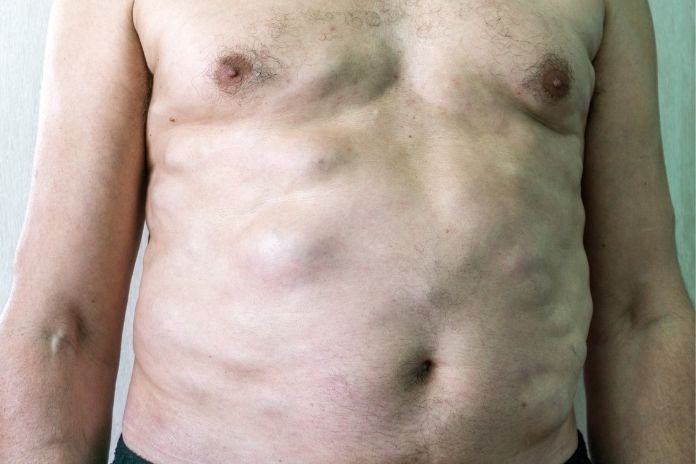
Lipomas are soft, benign tumors made up of fat tissue. They are soft but, on occasion, can be hard, depending on their depth and size. Simply put, they occur due to the slow overgrowth of fat cells.
- Where they occur: Common on shoulders, back, arms, and thighs.
- Symptoms: Typically painless and movable under the skin; rarely painful.
- Treatment: Generally, only monitoring is required. If they become large enough to compress nerves or pose a cosmetic issue, surgery can be performed.
Fibromas:
Fibromas are benign connective tissue growths that can appear anywhere in the body. They are hard, rubbery lumps, maybe a little puffy in appearance.
- Symptoms: Usually asymptomatic, but some are mildly tender.
- Treatment: Not typically necessary, but the fibroma can be removed by surgery if it is limiting movement or causing irritation.
Swollen Lymph Nodes:
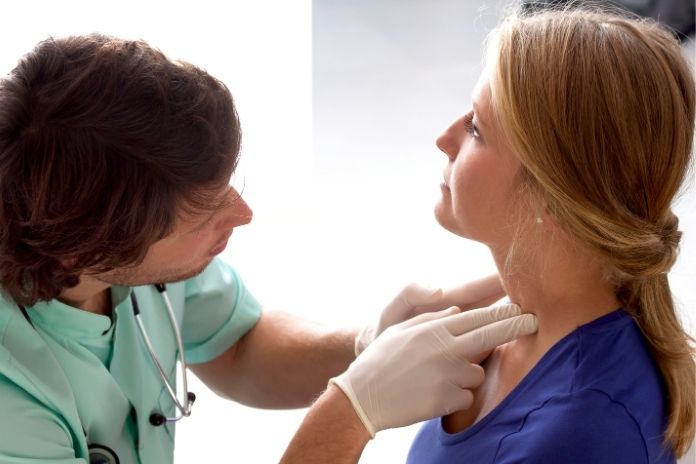
Lymph nodes are a vital part of the body’s immune system, removing bacteria, viruses, and cancer cells. They become swollen with infection or inflammation. They form due to inflammatory conditions, bacterial infections, or viral infections.
- Where they occur: Armpits, groin, neck.
- Symptoms: The lumps are firm, rubbery, and sometimes tender; they usually move freely on the skin.
- Treatment: The majority of swelling will resolve as the infection clears. Hard, firm, or painful nodes require medical assessment to exclude lymphoma or other cancers.
Abscesses:
An abscess is a painful, infected swelling with pus. They are formed when bacteria infect tissue under the skin, and the body seals the infection.
- Symptoms: Painful, red, and warm, with the potential to become large quickly.
- Treatment: Draining by a physician and sometimes antibiotics. Never attempt to lance or squeeze an abscess yourself.
Read More: 9 Early Signs Of Breast Cancer – Know The Risks Before
Injuries/Hematomas:
Trauma may result in lumps formed by blood accumulation beneath the skin, commonly referred to as hematomas.
- How they occur: Impact causes the blood vessels to break and pool under the skin.
- Symptoms: Bruising, swelling, and tenderness.
- Treatment: They usually resolve on their own. Large or painful ones might need treatment.
Serious Causes That Need Attention
While most lumps are benign, some are signs of serious health issues. These must be identified.
Skin Cancer:
- Melanoma: Aggressive, deadly cancer frequently begins as an unusual or darkly pigmented mole.
- Squamous Cell Carcinoma (SCC): Firm, scaly, or ulcerated nodules, which may bleed.
- Basal Cell Carcinoma (BCC): Pearly, waxy, or painless papules or nodules; gradually enlarge but invade local tissue.
Soft Tissue Sarcoma:
Soft tissue sarcoma is one of the rarest types of cancer affecting connective tissues, including fat, muscle, or fibrous tissue.
- Symptoms: Hard, deep nodules that develop progressively and are normally painless at first.
- Treatment: It entails surgery, sometimes in combination with chemotherapy or radiation.
Lymphoma or Leukemia:
- Lymphoma is a type of cancer that affects the lymphatic system, causing painless, swollen lymph nodes, typically in the neck, underarms, or groin.
- Leukemia is a cancer of blood-producing tissues; it may appear as multiple lumps due to swollen lymph nodes or organs.
The symptoms include weight loss, fever, night sweats, and tiredness.
Metastatic Tumors:
These are when metastasis of cancer occurs from another organ to the subcutaneous tissue or the skin.
Symptoms: Fixed masses, non-tender, typically accompanied by other systemic symptoms based on the primary cancer.
Warning Signs a Lump Could Be Cancerous
Early red flag detection is crucial. Seek instant medical attention if you notice any of the following:
- Rapid Growth: Increasing swelling that happens over weeks instead of months.
- Irregular Shape or Hard Texture: Abnormal lumps with a hard texture can be worrying.
- Fixed (Non-Movable) Lump: Unlike benign lipomas, malignancies are immovable against the underlying tissues.
- Recurrent Tenderness or Pain: While most cancers are not typically painful, persistent pain can be a sign of nerve invasion or inflammation.
- Associated Systemic Signs and Symptoms: Sudden weight loss, night sweats, fever, or fatigue may be indicative of a serious underlying condition, such as lymphoma or metastatic cancer.
Remember: Not everything hard or new lump is cancer, but these symptoms do warrant immediate medical evaluation.
Read More: Lump in Armpits – Causes, Diagnosis & Treatment
How Doctors Diagnose a Hard Lump
When you visit a doctor to get the lump checked, they take a systematic approach to determine its cause:
Physical Examination:
- Texture: Whether the lump is hard or soft to touch.
- Mobility: If the lump feels movable and fixed to the skin.
- Size and Shape: They measure the size and record other relevant details.
- Location: The location of a lump on the body determines its relationship to the surrounding muscles, nerves, and lymph nodes.
Imaging Tests:
- Ultrasound: Determines whether the mass is solid, fluid, or mixed.
- MRI or CT Scan: For large or more complicated lumps to view the precise location and size of tissues.
Biopsy:
A biopsy is a process that involves removing a minute sample of tissue to check for cancer cells. It can either be a needle biopsy, incisional biopsy, or excisional biopsy, depending upon the size and location of the swelling.
Blood Tests:
Several blood tests aid in detecting infections, immune responses, or cancer antigens.
These help us in case of more than one lump or widespread symptoms such as fever and weakness.
Physicians also consider a patient’s history, including prior history of cancer, family history, and exposure to risk factors such as UV light, which is most relevant in skin cancers.
Treatment for Hard Lumps Under the Skin
Treatment varies mainly according to the cause of the lump. Not all lumps require medical treatment. Some are benign and will go away on their own, but others will be treated with medication or even surgery.
- Lipomas (Fatty Lumps):
They are not generally treated unless they are large, painful, or have a changed color. If so, removal through surgery or liposuction can be recommended.
- Cysts:
If an infected or inflamed cyst develops, it can be drained by your physician or removed surgically. Antibiotics are also given for infection.
-
- Swollen Lymph Nodes:
These tend to shrink once an infection has been treated. If they do not shrink despite this, further tests may be required to rule out cancer or autoimmune disease.
- Abscess or Infection:
Regular treatment is with warm compresses, drainage, and antibiotics. If untreated, they may cause infection to extend into deeper tissue. - Cancerous Lumps:
If they suspect cancer, the treatment may be surgery, chemotherapy, radiation, or targeted therapy based on the stage and type.
Tip: Avoid squeezing or cutting at home. It can cause infections to worsen or scarring. Always have a health professional evaluate and treat them.
When to See a Doctor
Not every lump is dangerous, but there are some that you just cannot ignore. You need to consult a doctor if you notice:
- A lump that grows quickly or continues to grow for weeks or months.
- Firm, fixed nodules that are fixed to deeper tissues.
- Swollen lymph nodes with sudden loss of weight, night sweats, or recurring fever.
Prevention and Self-Checks
A red, hot, or tender swelling on palpation, suggestive of infection. Any fresh swelling in patients with a history of cancer. Even if the lump is benign, having it examined puts your mind at ease. Early diagnosis generally implies easier treatment.
Leaving a lump alone may not seem to be harmful initially, but at times it will lead to complications:
- Infections Spreading Deeper: Untreated abscesses or cysts can lead to cellulitis (an infection of the skin) or systemic infections.
- Permanent Scarring: Repeated or self-draining irritation cysts can create imprints.
- Compression of Adjacent Structures. Fibromas or lipomas that. are. larger in size. will. compress. nerves. or. vessels, causing. pain. or. numbness.
- Cancer Growth: An uncontrolled malignant growth can spread to the remainder of the body, as well as be more difficult to treat.
The takeaway: most lumps are harmless, but it’s not a good idea to ignore them completely. Having a medical exam done will keep small problems from becoming large ones.
Final Takeaway
Discovering a firm lump on your skin is scary, but keep in mind. Most lumps are harmless and can be treated. Fatty bumps, cysts, or inflamed lymph nodes are usually benign; however, only a physician can determine the underlying cause.
The perfect solution is: Don’t panic, but don’t ignore.
Monitor for changes in size, texture, or pain. Seek early medical advice if the lump is changing rapidly or accompanied by other symptoms. Remember, with early diagnosis and treatment, even the majority of people recover uneventfully and completely. Your health is always worth that extra step of care and guidance, so go for it!
References
- https://www.vinmec.com/eng/blog/watch-out-for-small-hard-lumps-under-the-skin-en
- https://www.pfizer.com/disease-and-conditions/leukemia
- https://www.cancer.org/cancer/types/soft-tissue-sarcoma/about/soft-tissue-sarcoma.html
- https://www.ncbi.nlm.nih.gov/books/NBK470409/
- https://my.klarity.health/what-is-a-fibroma/
- https://www.sciencedirect.com/topics/nursing-and-health-professions/lipoma
In this Article