








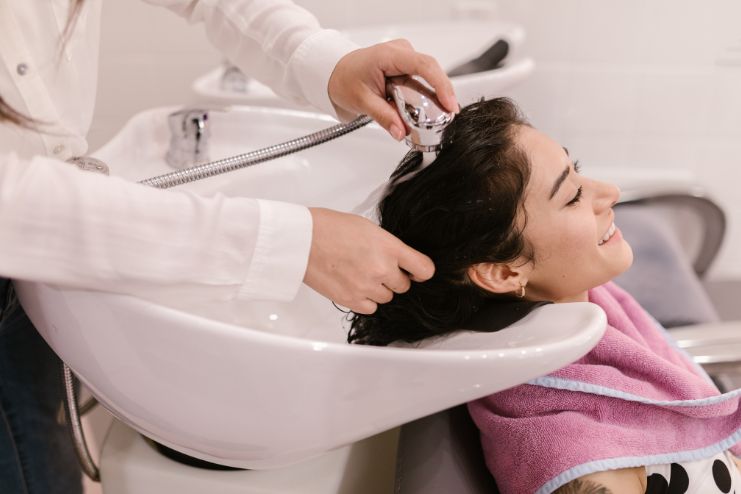
Just like skin cycling transformed skincare, hair cycling is here to revolutionize your wash day. TikTok has given rise to a flood of viral beauty hacks, but among them, hair cycling stands out as both science-backed and sensible.
Unlike static routines that repeat the same shampoo and conditioner combo, hair cycling emphasizes the art of rotation—switching between clarifying, moisturizing, and strengthening hair products based on your hair’s changing needs.
So why is everyone suddenly rethinking their haircare routine? Hair cycling aims to maintain a healthier scalp, reduce buildup, and improve the long-term condition of your hair. It respects the reality that our hair’s needs aren’t constant. With a more mindful approach to product usage, you can avoid common issues like over-moisturizing, protein overload, or flat, dull strands.
In this article, we’ll break down what hair cycling is, how it works, why it’s effective, and how you can create a routine that adapts to your hair type and lifestyle. You’ll learn about building a custom hair cycling schedule, choosing the right products, and the dos and don’ts for long-term hair health. Let’s dive in.
What is Hair Cycling?
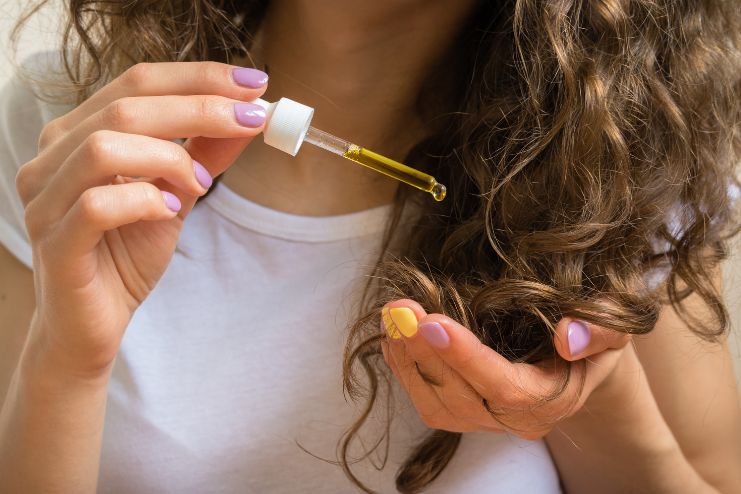
Hair cycling is like giving your strands a schedule—an intentional rotation of haircare products designed to meet your hair’s ever-changing needs. Inspired by the viral skin cycling trend, this method is all about creating a more responsive and balanced routine instead of sticking to a one-size-fits-all shampoo and conditioner combo.
Think of it as syncing your wash days with what your hair and scalp are actually going through—be it dryness, buildup, dullness, or damage.
The core idea?
Instead of using the same products every time you wash your hair, you:
- Alternate between different treatment types—like clarifying shampoos, deep moisture masks, and protein/bond-repair formulas.
- Respond to your hair’s real-time condition—dry, oily, product-heavy, or brittle.
- Prevent “product fatigue”—when your hair gets too used to one formula and stops responding.
Your hair isn’t static—neither should your routine be.
Just like your skin changes based on weather, hormones, stress, and pollution, your hair goes through micro-cycles too. Hair cycling taps into this dynamic nature by adapting care to match the moment, promoting healthier strands over time.
Benefits of Hair Cycling:
- Prevents overloading your hair with moisture or protein.
- Supports your scalp’s natural oil balance.
- Creates room for more intentional, purposeful product use.
- Reduces the chances of buildup, dullness, and breakage.
- Allows for smarter treatment layering and recovery.
By moving away from a fixed routine, hair cycling becomes a flexible approach to better hair days—one wash at a time.
Why Hair Cycling Works
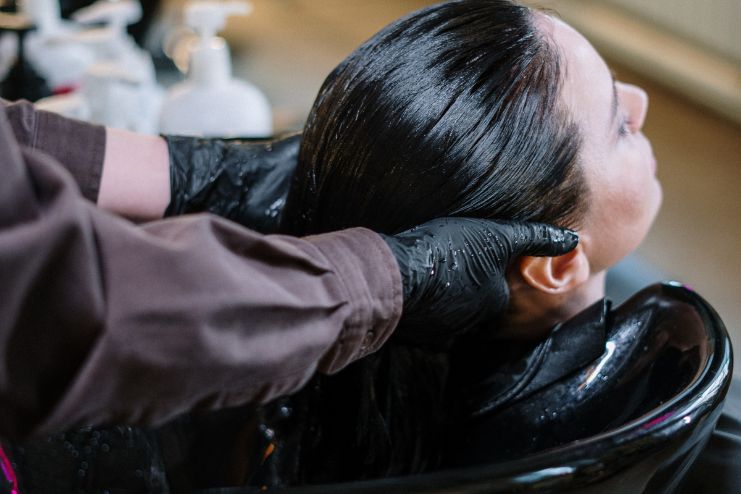
Here’s the truth: your scalp is constantly changing.
From seasonal shifts to hormonal changes and lifestyle habits, your scalp’s oil production and your hair’s needs are anything but predictable. That’s exactly why a static haircare routine often stops working—and why cycling is a total game-changer.
One routine doesn’t fit all weeks:
- Too much moisture? Hello, limp, flat hair.
- Overload of protein? Say hi to straw-like stiffness.
- No clarifying? Cue dullness and itchy buildup.
Hair cycling tackles all these issues head-on by rotating care strategies. Each wash day has a different purpose—detoxify, hydrate, strengthen—so your strands always get what they actually need.
What makes it effective?
- Balances product use: Avoids overuse of heavy oils, proteins, or humectants.
- Supports scalp health: Regular clarifying clears buildup, creating a better base for growth.
- Improves texture over time: Helps restore elasticity, reduce frizz, and revive curl patterns or bounce.
- Enhances absorption: With a clean scalp and thoughtful spacing, active ingredients actually penetrate instead of sitting on residue.
Over time, this responsive routine can bring back your natural shine, reduce breakage, and make styling easier. It’s less about doing more and more about doing the right things at the right time.
The Basic Hair Cycling Schedule
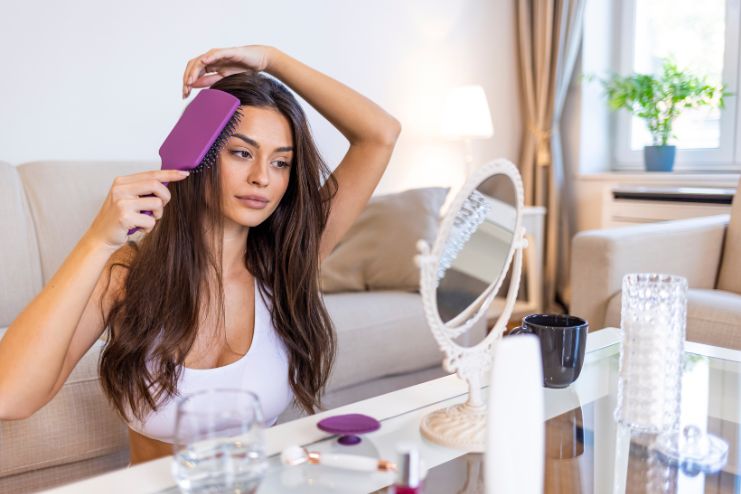
Hair cycling isn’t a strict rulebook—it’s more of a rhythm your hair can dance to. A lot of people (especially on TikTok) follow a simple 3-wash rotation that targets different needs on different days. It’s flexible, effective, and keeps your strands from getting overwhelmed or undernourished.
Wash Day 1: Clarify & Detox
Let’s call this your “clean-slate” wash.
- Use a clarifying or chelating shampoo to deeply cleanse your scalp and get rid of buildup from oils, styling products, pollution, or even hard water.
- Skip the heavy conditioner today and instead go for a lightweight formula that softens without weighing down your roots.
- Ideal for days when your hair feels unusually greasy, dull, limp, or coated, this step literally lifts the weight off your strands.
- Bonus: If you use dry shampoo a lot or haven’t washed in a few days, this is your go-to.
Think of it as pressing reset on your scalp—fresh, clean, and ready to absorb the good stuff in the next washes.
Wash Day 2: Moisture Boost
Now that your hair is clean, it’s ready to drink up all the hydration.
- Use a moisture-focused shampoo followed by a deep conditioner or hydrating hair mask. Look for ingredients like hyaluronic acid, coconut oil, or aloe.
- This wash is especially helpful if your hair is feeling dry, frizzy, or brittle.
- Ideal after a weekend of heat styling, sun exposure, or simply dry weather.
Your strands will thank you with bounce and softness. This is the wash that makes your hair feel alive again.
Wash Day 3: Strengthen & Rebuild
This is your repair day—the one that brings strength back to the game.
- Go for a protein-rich or bond-repair treatment (think keratin, peptides, or amino acids).
- Follow it up with a moisture-locking conditioner to balance strength with softness.
- Best for color-treated, chemically processed, or heat-damaged hair.
- If your hair feels overly soft and stretchy, it’s probably time to bring protein into the mix.
Think of it as weight training for your hair—adding structure, resilience, and bounce.
Read More: Top 7 Psoriasis Shampoos: Gentle Hair Care Products for Scalp Relief
How to Customize Hair Cycling for Your Hair Type
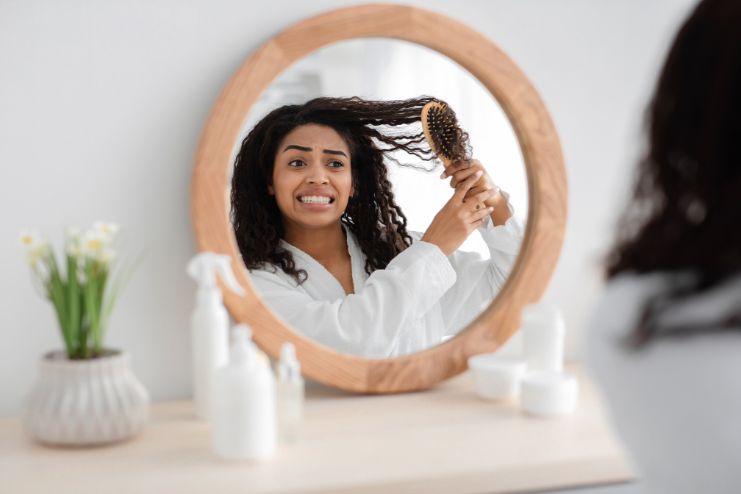
Let’s be real—no two heads of hair are the same. Hair cycling works best when it’s personalized. The good news? You don’t have to overhaul your routine. Just tweak the balance based on your unique hair texture, concerns, and lifestyle. Tailoring your routine:
Oily or Fine Hair:
- Clarify more frequently to avoid any buildup.
- Use lightweight hydrating products that won’t weigh hair down.
- Avoid heavy oils or silicone-rich formulas that coat the scalp.
Dry or Curly Hair:
- Extend the time between washes to retain natural oils.
- Emphasize hydration on most wash days.
- Use richer conditioners and deep treatments often.
Color-Treated or Bleached Hair:
- Increase the frequency of protein/bond repair treatments.
- Avoid sulfate shampoos to preserve color.
- Focus on sealing moisture and protecting the hair cuticle.
The trick is to pay attention to how your hair reacts after each wash and adjust the next step accordingly.
Hair Cycling Do’s and Don’ts
To really make the most of hair cycling, it’s not just about what you do—it’s also about what you avoid. Here’s a quick checklist to help you stay on the right track:
Do:
- Tune into your hair’s changing needs—your perfect cycle might look different in winter than it does in summer.
- Read those ingredient labels! Look for actives like proteins, humectants (like glycerin), and avoid harsh sulfates if your hair is delicate.
- Space out your wash days—every 2 to 4 days is ideal to avoid over-washing and give each treatment time to work.
Don’t:
- Overuse protein treatments—more isn’t always better. Too much protein can actually make your hair stiff or prone to snapping.
- Skip clarifying altogether—even if your hair is dry or curly, your scalp still needs a fresh start now and then.
- Treat cycling like a rigid schedule—you’re not a robot. If your hair needs hydration twice in a row, give it what it’s asking for.
Hair cycling is meant to work with your hair, not against it. Think of it as an intuitive rhythm, not a rulebook.
Scalp Care is the Foundation of Healthy Hair
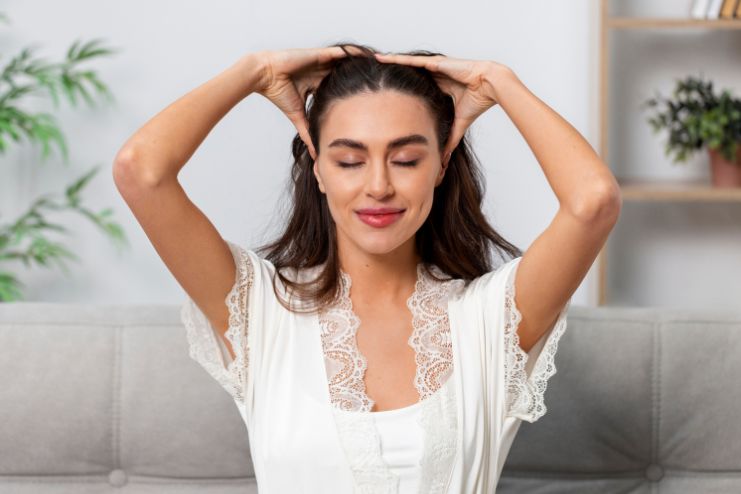
Before we dive into fancy masks, serums, and bond-builders, let’s get one thing straight: healthy hair starts at the scalp. Think of your scalp as the soil your hair grows. If the soil is dry, clogged, or unbalanced, the hair won’t thrive, no matter how many luxe products you use.
Hair cycling supports scalp health by building in regular “resets” that keep your follicles clean, balanced, and ready for growth.
Why Scalp Health Matters:
- A healthy scalp encourages stronger, faster-growing strands.
- It helps reduce excess oiliness, flaking, and inflammation.
- It improves the effectiveness of your products because a clean scalp can actually absorb what you apply.
Clarifying is Key
Using a clarifying or chelating shampoo every 1–2 weeks is like pressing the refresh button for your scalp. It removes:
- Buildup from dry shampoos and styling products.
- Excess sebum (natural oil).
- Environmental debris (pollution, hard water minerals).
- Dead skin cells can clog hair follicles.
If you’re skipping this step, your scalp might be suffocating without you even realizing it.
Add a Little Extra TLC on Clarify Days:
- Scalp scrubs (with salt, sugar, or enzymes) to exfoliate dead skin and detox.
- Massaging brushes to boost circulation, loosen buildup, and promote healthy follicles.
- Pre-wash oils like rosemary, peppermint, or tea tree to soothe irritation and stimulate growth.
These practices don’t just clean—they prep your scalp to better absorb the hydration and protein you give it in the following washes.
Read More: Important Oils For Hair Growth
Deep Conditioning & Bond Repair: Your Hair’s Reset Button
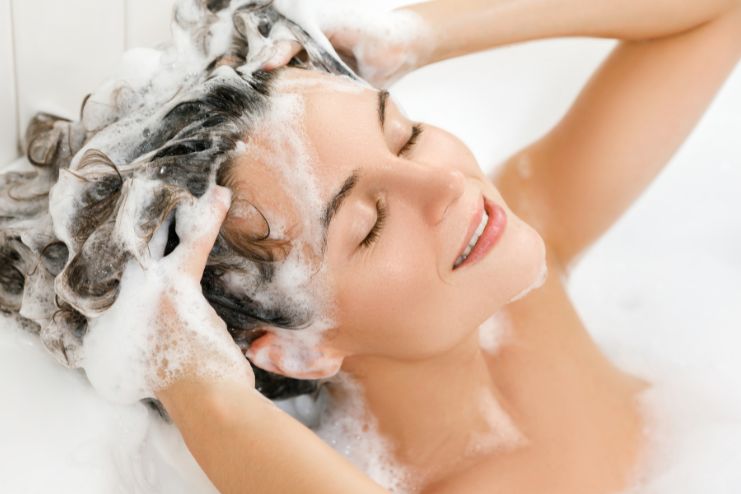
Haircare isn’t just about fixing damage—it’s also about protecting what you have. And that’s where deep conditioning and bond repair come in. These are the “healers” in your hair cycling routine.
Deep Conditioning: Hydration That Goes Deep
- Deep conditioners and masks are rich in emollients, humectants, and fatty acids that restore moisture, reduce frizz, and improve elasticity.
- Use them on your Moisture Wash Day, especially if your hair feels dry, dull, or rough.
- Key ingredients to look for: shea butter, coconut oil, aloe vera, glycerin, panthenol.
This step keeps your hair soft, shiny, and touchably smooth. It also prevents breakage by improving your hair’s stretch and flexibility, so you’re not snapping strands every time you brush.
Bond Repair: For Real Damage Control
- If your hair has been bleached, colored, heat-styled, or chemically processed, bond repair isn’t optional—it’s essential.
- These treatments (like Olaplex, K18, Redken Acidic Bonding, or peptide-based masks) work inside the hair shaft to rebuild broken protein chains.
- Result? Stronger, more resilient hair that’s less prone to breakage, split ends, or that dreaded “mushy” over-processed feel.
Rotate Mindfully—Don’t Double Up
One common mistake? Using both a deep conditioner and a bond builder in the same wash. Resist the urge.
- These products serve different purposes—one hydrates from the outside, the other repairs from the inside.
- Layering them on top of each other can overwhelm the hair and lead to buildup or confusion about what’s working.
Instead, space them out. Stick to hydration on moisture days, and let your bond builder do the heavy lifting on repair days. Give each phase its own spotlight—it deserves it.
Conclusion
Hair cycling isn’t just a trend—it’s a mindset shift. It’s about listening to your hair, understanding its changing needs, and showing up with the right kind of care at the right time. By rotating, clarifying, moisturizing, and strengthening treatments, you break free from one-size-fits-all routines and give your scalp and strands the balance they’ve been craving.
Whether you’re dealing with buildup, dryness, or damage, hair cycling puts you back in control, without overwhelming your hair with too much of one thing. Over time, this thoughtful, intentional approach can transform not just how your hair looks, but how it behaves.
Because when you stop treating every wash day the same, your hair finally gets the chance to thrive.
References
- https://www.allure.com/story/hair-cycling-tiktok-trend
- https://www.vogue.in/content/what-is-hair-cycling-benefits-everything-to-know
- https://www.womenshealthmag.com/beauty/a42221660/what-is-hair-cycling/
- https://www.self.com/story/hair-cycling
- https://kevinmurphy.com.au/us/en/hair-cycling-101-what-it-is-and-why-you-should-try-it-blog.html
- https://lovebeautyandplanet.in/blogs/hair/what-is-hair-cycling
- https://www.glamour.com/story/what-is-hair-cycling
- https://satthwa.com/blogs/hair-care/hair-cycling-why-switching-your-hair-products-could-be-the-secret-to-stronger-hair
- https://www.realsimple.com/what-is-hair-cycling-8730172
- https://www.vogue.in/content/what-is-hair-cycling-benefits-everything-to-know
- https://www.womenshealthmag.com/beauty/a42221660/what-is-hair-cycling/
- https://www.mdhair.co/article/benefits-of-hair-cycling-for-people-with-hair-loss
- https://blog.organicharvest.in/hair-cycling/
- https://www.hgspecialist.com/blogs/advice/hair-cycling-what-you-need-to-know-about-this-trend
- https://www.self.com/story/hair-cycling
In this Article