










Most people automatically grab a ripe, yellow banana because they think that it is the healthiest choice. Its soft texture and sweet taste indicate they are mature, which is often associated with better nutrition.
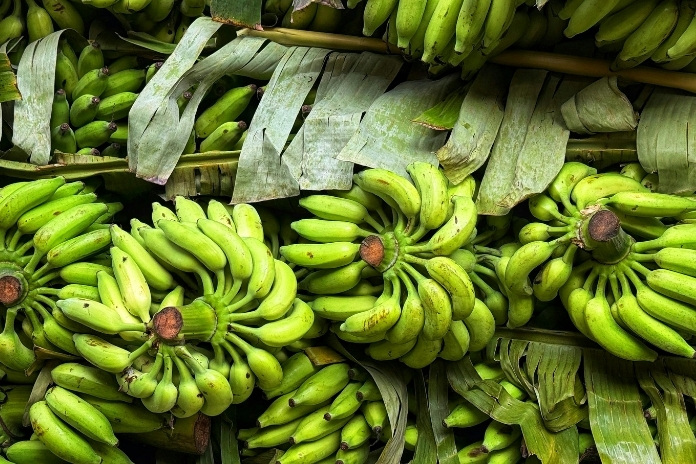
But this common belief overlooks a powerful digestive secret hiding in plain sight- green bananas. Green bananas are firmer and less sweet compared to ripe ones. When it comes to green bananas gut health, these unripe fruits offer unique advantages that go far beyond basic nutrition. They are more than “bananas that aren’t ready yet.”
Green bananas are just bananas picked before they are ripe, so that they can be shipped and stored at the right time. They are firmer, taste a little sour, rich in resistant starch digestion support, more complex carbohydrates, and less sugar than ripe bananas because they are not fully ripe yet. These are some of the reasons why green bananas are so good for your digestive system.
Consider adding them to your diet to help ease bloating and digestive discomfort. You can change your perception of what makes a “good” banana by learning how to aid your digestive system naturally.
In this article, we will cover the science behind green bananas’ benefits, how they are compared nutritionally to yellow bananas, and different tips for incorporating green bananas into our everyday diet for gut health.
Read More: Does Eating a Banana Before Bed Really Help You Sleep? What the Science Says
Green vs. Yellow Bananas — What’s the Real Difference?
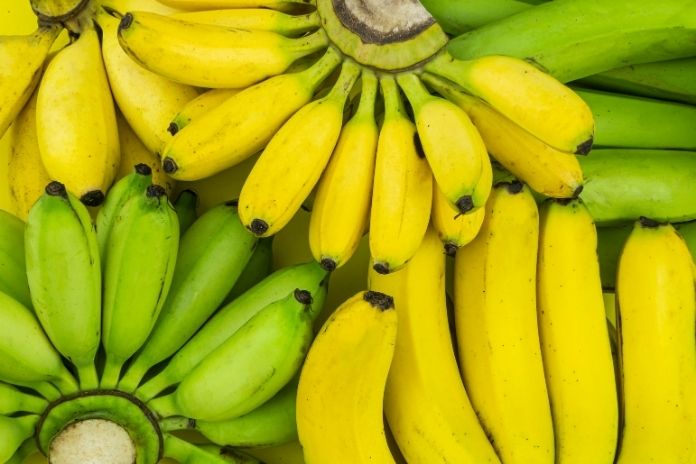
Many people prefer yellow bananas to green ones because they taste sweeter. However, both types offer similar nutritional benefits, even though consumers often associate sweetness with better flavor. Farmers pick bananas while they are still green to prevent them from becoming overly ripe before purchase. For this reason, you may see them in this color at the grocery store.
Green and yellow bananas differ from one another in several ways in addition to color:
Taste: The sweetness of green bananas is usually lower. Additionally, they may have a hint of bitterness.
Texture: Compared to yellow bananas, green bananas are firmer. Some people describe them as having a waxy texture.
Composition: The starch in green bananas is more concentrated. The starch in bananas changes into sugars as they mature and turn yellow.
Furthermore, ripe bananas are easier to peel than green ones.
The Gut Health Power of Resistant Starch
A type of starch known as resistant starch “resists” being broken down in the small intestine. It passes intact to the large intestine, where it works more like dietary fiber rather than being broken down and absorbed as glucose. There, it serves as fuel for good gut bacteria, which produce the butyrate and other short-chain fatty acids that are essential for immunity and gut health.
Unlike the usual carbohydrates found in bread or pasta, resistant starch does not raise blood sugar levels. Instead, it helps stimulate a sense of fullness and a stable metabolism. Because of this, it is the perfect ingredient for those who want to support a healthy microbiome while maintaining weight and stabilizing glucose levels.
How Green Bananas Help Relieve Bloating and Promote Regularity

Scientists are increasingly talking about green bananas, or unripe bananas, as a possible way to help with gas and bloating because they contain a lot of resistant starch and dietary fiber. This resistant starch in the colon acts like a prebiotic, feeding the good bacteria in the gut after it passes through the small intestine.
As these bacteria break down the resistant starch, they produce short-chain fatty acids (SCFAs), which are also known to help keep the colon healthy and keep stool moving. Research has shown that resistant starch in green bananas can help people with their functional GI problems and IBS have more regular bowel movements and firmer stools.
Read More: Banana at Night for Weight Loss: Good Idea or a Mistake?
More Evidence-Backed Benefits of Green Bananas
Green bananas are rich in vitamins A, C, and B6, as well as potassium, magnesium, zinc, phosphorus, and copper. They also include a few other vital health-promoting substances:
Better Digestive Health: The “good” bacteria in your stomach are fed by the pectin and resistant starch found in green bananas. During digestion, your digestive system does not break down resistant starch. Instead, it functions similarly to soluble fiber, which is likewise non-biodegradable. Soluble fiber and resistant starch have numerous health benefits, including improved digestion and overall intestinal health.
Weight Regulation: Foods high in fiber are incredibly filling and good for digestion, helping prevent constipation. Green bananas are a fantastic snack for weight loss because they’re high in fiber. Finding strategies to prevent overeating and to remain full and content makes controlling your weight much simpler.
Blood Sugar: Resistant starch and pectin play a crucial role in blood sugar regulation. Studies suggest that green bananas’ resistant starch and pectin may help keep blood sugar levels stable. Furthermore, compared to yellow bananas, green bananas have a significantly lower glycemic index.
Benefits for Skin Health: Although this is one of the least well-known advantages of green bananas, people should not overlook its benefits for skin health. Green bananas contain vitamins A, B6, and C, which are essential for nourishing and maintaining healthy skin.
How to Add Green Bananas to Your Diet
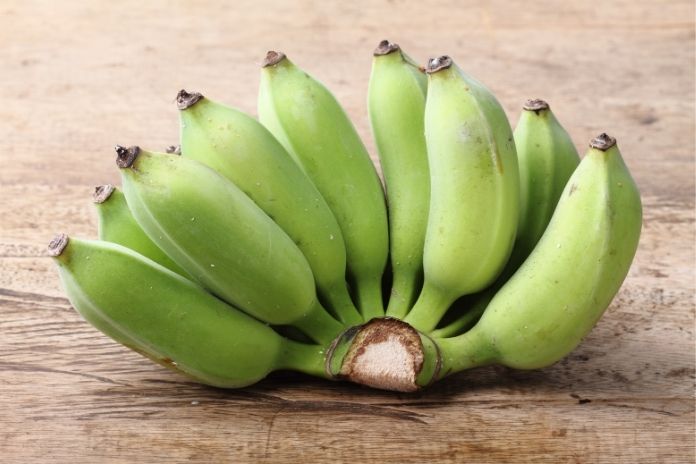
You can consume green bananas raw or cooked, depending on your personal taste. These foods have a slightly sour and starchy flavor, and they pair well with savory dishes. Alternatively, you could enjoy the prebiotic benefits of the green bananas by using green banana flour as a convenient substitute.
You can use this gluten-free flour in place of wheat flour to make a variety of baked goods, such as bread, muffins, and pancakes. You can also use it instead of your regular wheat flour. Green bananas are a great source of nutrition, even though they aren’t as sweet as ripe bananas. Adding them to your diet is a very simple way to support the microbiome’s health.
Tips and Precautions
Beginning with a small amount of green bananas is recommended if you are new to eating them. As your gut bacteria adjust to the sudden increase in prebiotic fuel, you may experience minor bloating or gas at first. It is because of the high resistant starch and fiber content of these foods.
To ensure that your digestive system has sufficient time to adjust to the new environment, you should start with half a green banana and gradually increase your intake.
Individuals with irritable bowel syndrome (IBS) and other sensitive digestive conditions should approach them with extreme caution. Some people may experience discomfort when consuming resistant starch, yet it can be excellent for gut health.
If you are aware that you have a digestive sensitivity, you should first determine your tolerance to green bananas or seek the advice of your dietician before making them a regular part of your diet.
Read More: 4 Benefits Of Eating Banana With Milk – Effective Reasons!
Conclusion
Even though they don’t look as appetizing as ripe bananas, green bananas are worth a second look because of how good they are for your health. Since they are rich in resistant starch and gut-friendly fiber, they act as a natural prebiotic that supports digestion, feeds beneficial bacteria, and reduces bloating.
Green bananas are a brilliant addition to a healthy diet because they keep you full longer and help balance your blood sugar. Ripe bananas, on the other hand, are sweet and give you instant energy. Making small and thoughtful dietary changes is all that is necessary to include green bananas.
In this Article