













Waking to itchy, red eyes stuck together with sticky discharge can be annoying and frightening. The condition, more commonly referred to as pink eye, is one of the most common eye infections globally. Though it typically isn’t harmful, it has the potential to be extremely contagious as well as inconvenient to your routine.
The silver lining? In the majority of instances, pink eye can be treated simply in the comfort of your own home with good hygiene, safety remedies, and a good rest. But first, be informed about what exactly pink eye is, how it is transmitted, and the most effective remedy based on the kind.
This article has all you need to know about pink eye. We will understand what causes it, the symptoms and types are, how to use safe home remedies, and how to avoid it from recurring.
Read More: 8 Innovative Products for Maintaining Eye Health
What is Pink Eye?
Pink eye, also known as conjunctivitis, is inflammation of the thin, clear membrane (conjunctiva) on the white part of your eyeball and the inside of your eyelids.
While the conjunctiva is usually clear, when infected or inflamed, it makes the blood vessels dilate, resulting in redness, swelling, and pain in the eyes. Depending on the cause, the condition can be mildly annoying to highly contagious.
What Causes Pink Eye?
There are a few different types of pink eye, and the cause of it determines how severe and how one should treat it. The most common three are:
- Viral Conjunctivitis: Viral in origin due to adenovirus or viruses associated with the common cold.
- Generally happens in one eye but can also affect the other.
- Easily contagious and transmits itself through coughing, sneezing, or coming into contact with infected surfaces.
- Generally clears up by itself after 4–10 days.
- Bacterial Conjunctivitis: Bacterial conjunctivitis happens due to bacteria such as Staphylococcus, Streptococcus, or Haemophilus influenzae.
- Usually leads to thick, stringy discharge that causes the eyelids to stick together, particularly when waking.
- Highly contagious and is spread by direct contact.
- It can lead to complications if antibiotics are not used to treat it.
- Allergic Conjunctivitis: This is caused by allergens like pollen, dust mites, pet hair or dander, or mold.
- Typically occurs in both eyes and is not contagious.
- Many times it is accompanied by sneezing, a runny nose, and a stuffy nose.
- It is seasonal or year-round, depending on the allergen.
What Are the Symptoms of Pink Eye
Symptoms of pink eye are somewhat different depending on the cause, but the most common signs are:
Viral Conjunctivitis Symptoms:
- Watery discharge
- Sore eyes
- Redness of one or both eyes
- Sensitivity to light
- Usually starts in one eye and spreads to the other
- May come with cold or flu symptoms
Bacterial Conjunctivitis Symptoms:
- Thick, yellow or green discharge that crusts over eyelashes
- Redness and irritation
- Sticky eyelids when awakening
- Swelling of the eyelid
- May cause blurry vision from discharge
- Very contagious by direct or indirect contact
Allergic Conjunctivitis Symptoms:
- Red, watery, itchy eyes
- Burning
- Swollen eyelids
- Runny or stuffed nose, sneezing
- Typically affects both eyes similarly
- Non-contagious, but symptoms will hit in allergy season
Read More: Home Remedies for Healthy Eyes: 6 Tips to Support Vision Naturally
What Does Pink Eye Look Like?
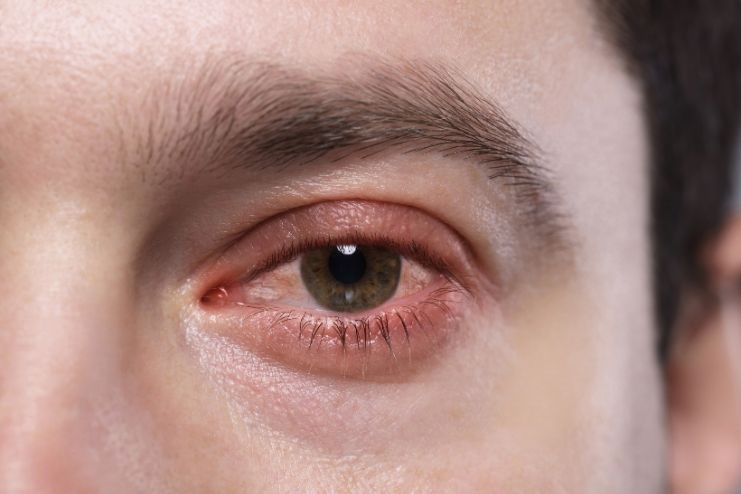
Pink eye generally results in typical redness or a pink color in one or both eyes. The eyes become swollen or watery, and based on the type, you may see discharge, crusting, or itchiness. That being said, not all irritated or red eyes are due to conjunctivitis.
Other things that resemble pink eye are:
- Blepharitis (eyelid inflammation)
- Chalazion (cyst of the eyelid)
- Iritis (inflammation within the eye)
- Dry eye syndrome
- Seasonal allergies
Always look for symptoms such as the type of discharge, itchiness, and the involvement of one or both eyes to help get to the root cause.
How Do You Get Pink Eye?
Pink eye can be transmitted through various means depending on the cause:
- Viral and bacterial conjunctivitis are easily spread by:
- Touching your eyes with dirty hands
- Sharing towels, pillowcases, or makeup
- Respiratory droplets (particularly in viral infections)
- Lack of good hygiene habits in daycare or school environments
Allergic conjunctivitis is not contagious. It results from the body’s immune system overreacting to allergens.
Though not usually dangerous, untreated bacterial conjunctivitis can cause corneal damage in rare cases. It’s important to treat infections early and correctly.
Incubation Period for Pink Eye in Children

What Is an Incubation Period? The incubation period refers to the time between exposure to the infection and when symptoms begin to appear.
- Viral pink eye: Symptoms usually develop 12 hours to 12 days after contact
- Bacterial pink eye: Symptoms can manifest within 24 to 72 hours
- Allergic pink eye: Can develop upon immediate exposure to the allergen
Pink eye (conjunctivitis) caused by a virus or bacteria is most contagious at the beginning and will stay contagious until symptoms resolve or treatment is started. In kids, it can spread rapidly in classrooms or daycare settings if there is no attention to good hygiene.
Keep your child away from school until:
- Discharge and crusting have ceased
- Symptoms are better
- They’ve been taking antibiotics for at least 24 hours (if bacterial)
How to Treat Pink Eye or Conjunctivitis?
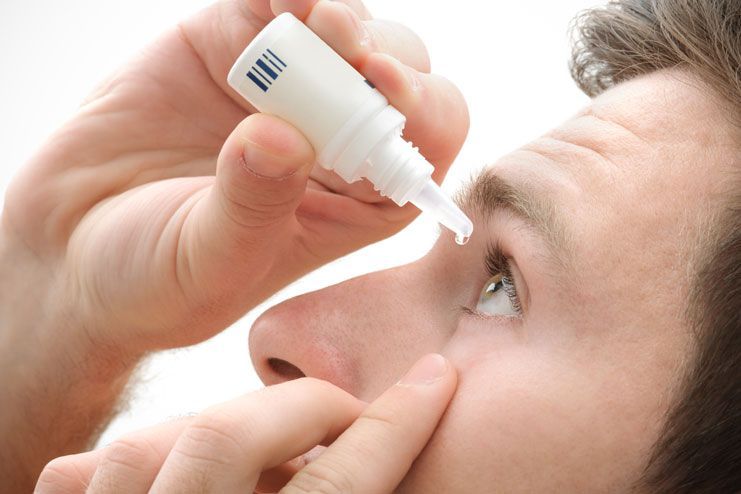
- Viral Conjunctivitis:
- Typically resolves on its own within a week.
- Apply cool or warm compresses to relieve irritation.
- Artificial tears or saline drops can help reduce dryness.
- Do not wear contact lenses until recovery.
- Bacterial Conjunctivitis:
- Treated with antibiotic eye drops or ointments, particularly in moderate to severe cases.
- Improvements are often within 2–3 days of treatment.
- Complete the entire course of medication to avoid recurrence.
- Allergic Conjunctivitis:
- Avoid known allergens whenever possible.
- Use antihistamines, mast cell stabilizers, or eye drops with anti-inflammatory effects.
- Cold compresses will offer temporary itching relief.
Allergy testing or prescription medication might be required for chronic or serious cases.
Home Remedies for Pink Eye Infection Conjunctivitis
These remedies might help relieve symptoms but should not be a substitute for medical attention, particularly in case of bacterial infection. Always use clean material and never touch both eyes with the same object.
- Warm or Cold Compress: Warm compress loosens crusting and reduces discomfort when you have a pink eye (best for viral/bacterial infections).
A cold compress eases itching and inflammation of allergic conjunctivitis.
- Soak a clean washcloth in warm or cold water.
- Squeeze out excess water and apply it over the affected eye for 5–10 minutes.
- Use a new cloth every time and do not reuse.
- Sterile Saline Eye Drops:
- Over-the-counter saline drops wash out irritants and lubricate eyes.
- Safe for adults and children.
- Avoid making saline solutions at home to prevent contamination.
- Artificial Tears:
- Artificial tear drops are available at pharmacies and helpful for dry, itchy, or irritated eyes.
- It can be used multiple times a day.
- Choose preservative-free formulas if you’re using them frequently.
- Chamomile Tea Compress (if no allergies):
- Chamomile tea has mild anti-inflammatory properties.
- Brew a chamomile tea bag, let it cool, and place the bag over your closed eyelid.
- Do not use if you’re allergic to ragweed or pollen, as it may worsen symptoms.
Avoid using:
- Raw honey
- Lemon juice
- Apple cider vinegar
These can cause irritation or infection and are not recommended for eye use.
How to Control and Prevent Pink Eye Infection
Prevention is key, especially in school or shared environments. Here are ways to avoid contracting or spreading pink eye:
- Wash your hands frequently with soap and warm water
- Do not touch or rub your eyes
- Don’t share towels, makeup, contact lenses, or eye drops
- Wash pillowcases, hand towels, and bedsheets regularly during an infection
- Disinfect frequently touched items such as doorknobs and toys
- Replace old contact lens and eye makeup cases after an infection
- Keep kids home until symptoms resolve and discharge clears
Is Pink Eye Contagious?
Is Pink Eye Contagious? Yes, and occasionally, no.
Contagious: Viral conjunctivitis and bacterial conjunctivitis are highly contagious. Spread is through close contact, contaminated surfaces, or respiratory droplets.
Not contagious:
- Allergic conjunctivitis
- Resulting from environmental allergens and not transmitted from person to person
Since symptoms tend to appear similar, it can only be determined by a doctor whether the conjunctivitis is contagious and what type it is. If symptoms worsen, vision is impaired, or the condition persists for longer than a week, get a doctor’s advice.
Final Thoughts
Pink eye can be painful and ugly, but for the most part, it’s treatable and not a serious condition. Knowing what causes it, catching it in its early stages, and following good hygiene can help hasten healing and keep it from contaminating others.
Whether you treat symptoms at home or get medical attention, always follow eye safety. And don’t forget, if your symptoms aggravate, avoid self-diagnosis. Early consultation with an eye specialist can save you from complications of healing.
In this Article