













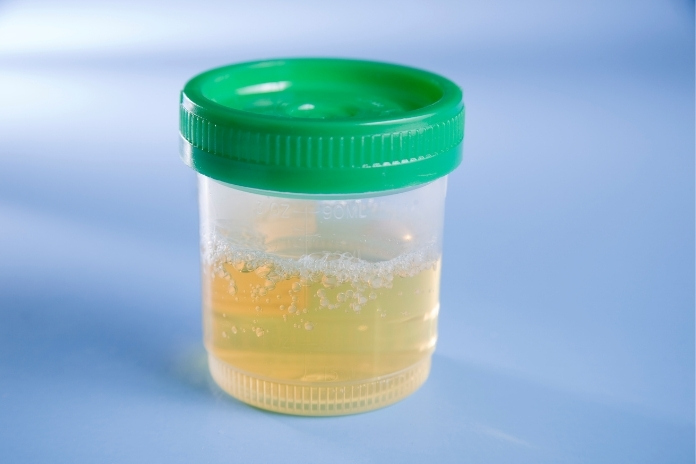
No one gives a second thought when they flush. But if you ever catch a glimpse of bubbly or frothy urine, it can be shocking. The good news is that in most instances, foamy urine is not a cause for concern. However, chronic foam in urine may occasionally indicate an underlying medical condition, such as kidney problems.
This article explains why urine can be foamy, when to expect this, when to consult a doctor, and how to help protect your urinary and kidney systems.
What is Foamy Urine?
Foamy or frothy urine isn’t a disease, exactly. It’s a way to describe the look of your urine. It is bubbly or frothy, like the bubbles in a beer or the bubbles in soap water.
- Normal urine: Usually pale yellow, clear, and not with bubbles that persist.
- Foamy urine: Bubbles in the urine that last longer than a few seconds on the surface.
Cybele Ghossein, MD, a nephrologist at Northwestern Medicine specializing in kidney disease, shares her thoughts on how to differentiate between foamy urine and normal urine. “Bubbles are bigger, clearer, and flushable,” explains Dr. Ghossein. “Foam, on the other hand, is white, and it stays in the toilet after you flush. It can often look like the foam that you see when pouring beer,” she says.
The occasional froth is usually nothing. However, regular, continuous foamy urine, particularly when accompanied by other symptoms, may signal a problem.
Read More: What Does Cloudy Urine Mean? Cloudy Urine Causes And Treatment
Common Causes of Foamy Urine
Here are a few harmless causes that make urine look foamy:
1. Fast Urination:
When urine splashes vigorously into the toilet bowl, air can become trapped, and temporary bubbles will be created. This is one of the most common and harmless causes.
- Typically happens if you have been retaining urine for a while.
- Foam usually dries quickly.
- No treatment was required.
2. Dehydration:
If you’re not drinking sufficient fluids, your urine will be concentrated. Concentrated urine has a higher concentration of solutes, which makes foam more visible.
Typical symptoms include:
- Dark yellow shade.
- Stronger smell.
- Worsens with increased fluid consumption.
However, Dr. Janani Rangaswami, a professor of medicine at the George Washington University School of Medicine and Health Sciences in Washington, D.C., has something more to share. “A lot of patients wrongly infer that if their urine looks concentrated, or if it’s dark yellow, that something is wrong,” she says. “That’s just a reflection of the urine being more concentrated. Usually, drinking more fluids will make it clearer. So there is no reason to get concerned every time you notice a slight change in the color.”
3. Cleaning Agents in the Toilet:
Other times, the foamy urine is not because of your body; it’s from toilet bowl scum. Here’s why:
- Toilets, toilet bowl cleaners, or bleach can give urine a foamy look.
- The foam can be whiter and more durable.
- Check if foam is found in all other toilets to determine the real cause.
4. Diet and Supplements:
Overconsumption of protein will most probably increase the risk of foamy urine temporarily. Some supplements also influence the composition of the urine.
- Protein shakes or very high-protein diets.
- Creatine or amino acid supplements.
Often harmless, if not excessive.
When Foamy Urine Could Signal a Problem

Although most cases are benign, frequent foamy urine can be a sign of conditions that require medical attention.
1. Proteinuria (Protein in the Urine):
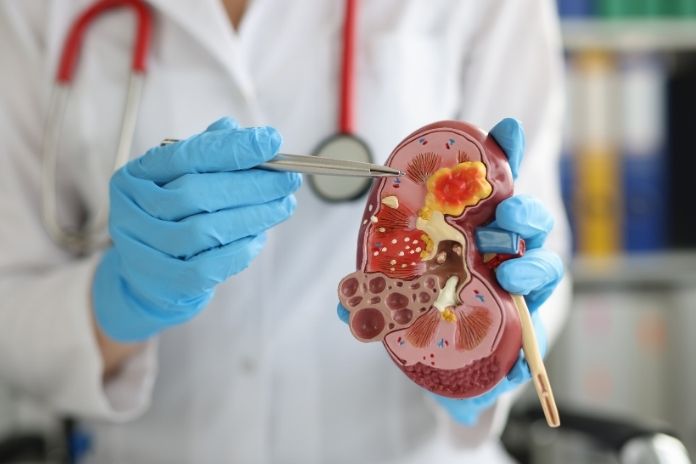
Proteinuria is the most common medical condition that may cause foamy urine. Normally, kidneys filter waste products but not protein. If there is damage to kidney filters (glomeruli), protein may leak through into the urine.
Key Characteristics:
- Can suggest kidney disease.
- At times associated with diabetes or hypertension.
- Requires urine testing for confirmation.
2. Kidney Disease:
Chronic kidney disease (CKD) can affect the kidney’s filtering system, leading to protein loss and the production of frothy urine.
- Early stages often do not exhibit overt symptoms.
- May be accompanied by swelling (edema), fatigue, or alteration in frequency of urination.
- Chronic condition needing management and treatment.
3. High Blood Pressure and Diabetes:
Both diseases can result in gradual kidney damage, and this can lead to proteinuria and frothy urine.
- Diabetes can harm the blood vessels within the kidneys.
- High blood pressure places a burden on kidney filtration.
Managing these underlying conditions is the key to preventing them.
Read More: Why You Always Feel Like You Have to Pee (Even After Going)

4. Urinary Tract Infection (UTI):
Infection may alter the thickness of urine and, in some cases, cause bubbles to form.
- Lead to burning while urinating.
- Urge to urinate often.
- Cloudy or foul-smelling urine.
5. Retrograde Ejaculation (in Men):
A disorder in which semen flows into the bladder instead of going out through the urethra.
- Causes cloudy or foamy urine after ejaculation.
- Benign but can impact fertility.
- It can be due to a drug, surgery, or nerve damage.
6. Rare Causes:
A few rare causes of foamy urine include:
- Amyloidosis: Deposition of misfolded protein in the kidneys.
- Preeclampsia (in pregnancy): Protein in urine and elevated blood pressure.
- Liver Disease: May alter protein handling and affect urine output.
When to See the Doctor

Bubly is rarely a problem, but chronic or increasing foamy urine should be investigated by a physician.
Consult a doctor if you have:
- Foam in the urine is not temporary.
- Puffy hands, feet, or face.
- Nausea, loss of appetite, or fatigue.
- Frequency changes in urination.
- History of diabetes, hypertension, or renal disease.
Testing and Diagnosis
When you visit your doctor regarding foamy urine, they will typically begin with a physical exam and some tests. These tests determine whether and why protein is present in the urine.
Regular diagnostic practices include:
- Urinalysis: Measuring the concentration of protein, red cells, white cells, and glucose in the urine quantitatively.
- Urine protein-to-creatinine ratio (UPCR): Gives a precise evaluation of protein leakage over a day.
- 24-hour urine collection: A more in-depth test to assess protein loss over 24 hours.
- Blood tests: Evaluate kidney function by measuring creatinine, blood urea nitrogen (BUN), and estimated glomerular filtration rate (eGFR).
- Imaging tests, such as CT scans or ultrasound, can be used to detect structural kidney abnormalities.
- Special studies: In some cases, a kidney biopsy may be necessary to confirm a diagnosis, such as glomerulonephritis.
Why testing is important: Kidney disease can be halted from progressing to chronic kidney failure if detected early, so early detection is crucial.
Treatment Options Based on Cause

Treatment of foamy urine is based on the cause. Because foam may result from causes as varied as harmless to life-threatening, physicians manage according to the underlying cause:
Hydration and Lifestyle Changes for Benign Causes:
If foamy urine is caused by dehydration or simply due to excessive urination, the remedy often lies in a simple solution. Adequate hydration throughout the day, reducing excessive salt and protein consumption, and maintaining a well-balanced diet can help curb attacks. A well-hydrated body helps keep urine diluted and unlikely to produce chronic foam.
Blood Pressure and Diabetes Control to Save Kidneys:
Uncontrolled diabetes and high blood pressure are two primary reasons for kidney injury that cause proteinuria (proteins in urine). Maintaining blood pressure within the target range through a combination of diet, exercise, and medication helps reduce the workload on the kidneys. Similarly, controlling blood sugar levels helps prevent the development of long-term kidney disease, such as diabetic nephropathy.
Antibiotics for Foam Related to UTI:
When foamy urine is associated with a urinary tract infection (UTI), antibiotics are used to eliminate the infection. Prompt treatment of UTIs not only corrects symptoms such as burning or urgency but also safeguards the urinary system from additional damage that can exacerbate protein leakage.
Medications (ACE Inhibitors, ARBs) for Kidney Disease Proteinuria:
In cases of foamy urine due to kidney disease, specific medications such as ACE inhibitors (angiotensin-converting enzyme inhibitors) or ARBs (angiotensin II receptor blockers) are typically prescribed. These medications reduce pressure within the kidneys, decrease protein leakage, and delay the progression of kidney damage.
Other Medical Conditions
Less likely, but still so, are other conditions that can cause foamy urine:
- Amyloidosis: Inappropriate protein accumulation in the kidneys
- Multiple myeloma: Cancer of the plasma cells that increases protein in the urine
- Retrograde ejaculation: More common in men having prostate surgery
Read More: Overactive Bladder vs. UTI: How to Know the Difference
Treatment and Prevention Based on The Cause
Treatment depends on the underlying cause of foamy urine. For benign conditions, a physician typically does not recommend treatment; however, if a condition is present, some treatments may be necessary.
Methods of prevention can be:
- Diabetes control: Maintaining blood sugar levels in check through a balanced diet, regular exercise, and medication helps slow the progression of kidney damage.
- Blood pressure control: Through the administration of drugs such as ACE inhibitors or ARBs, and through lifestyle changes, kidney function is preserved.
- Infections: Antibiotics are typically required for UTIs to eliminate the infection and restore urinary function.
- Dietary changes: Proper hydration, avoidance of excessive salt intake, non-smoking, and limited alcohol consumption all help support kidney function.
Prevention & Kidney Health Tips
Here are a few tips that protect the kidneys in the long run:
- Drink adequate water daily
- Consume a balanced diet with few processed foods
- Exercise regularly
- Opt for regular health checks, especially if you have high blood pressure or diabetes
When to See the Doctor
Foamy urine should be checked to determine if it is a persistent issue or if it is associated with other symptoms. Seek medical help if:
- Chronic foaminess is present in multiple urinations
- You have swelling, tiredness, or reduced urine output
- You have risk factors like diabetes, high blood pressure, or a family history of kidney disease
Final Thoughts
Foamy urine is generally not harmful and is often associated with normal conditions, such as increased urination or dehydration. However, when it is a regular occurrence or accompanied by other symptoms, it may indicate kidney disease, diabetes, or urinary tract problems.
Because kidney injury can be asymptomatic, recognizing this subtle symptom and undergoing early testing can have a significant impact on long-term health.
A quick check of the toilet seat before flushing can be a lifesaver!
References
- https://fertilityworld.in/blog/foamy-urine-in-the-morning-symptoms-diagnosis-treatment/
- https://www.msdmanuals.com/home/men-s-health-issues/sexual-function-and-dysfunction-in-men/retrograde-ejaculation
- https://birlafertility.com/blogs/causes-of-foamy-urine-in-men/
- https://www.heart.org/en/news/2025/02/19/no-joke-learning-about-urine-offers-healthy-lessons
- https://share.upmc.com/2021/03/foamy-urine/
- https://www.nm.org/doctors/1376588830/cybele-ghossein-md
In this Article