














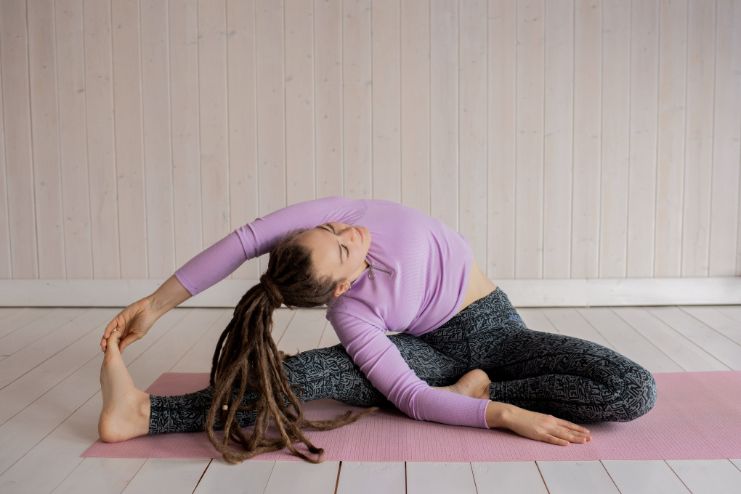
Flexibility often doesn’t get the spotlight it deserves in fitness conversations, but it plays a major role in overall performance and injury prevention. Think about it—being flexible isn’t just about being able to touch your toes or do a split. It’s about giving your body the ability to move freely and efficiently. Whether you’re an athlete, a weekend warrior, or just trying to stay active, incorporating flexibility into your routine can make a noticeable difference in how you feel and function every day.
Adding stretching to your routine is a simple yet powerful way to invest in your long-term health. Not only can it boost your athletic performance, but it also helps you recover faster and feel better overall. Over time, this consistency builds a more resilient, agile body that can handle the demands of both everyday life and intense workouts. So next time you’re tempted to skip the stretch, remember—it’s not just an add-on, it’s a game-changer.
Neck Stretch
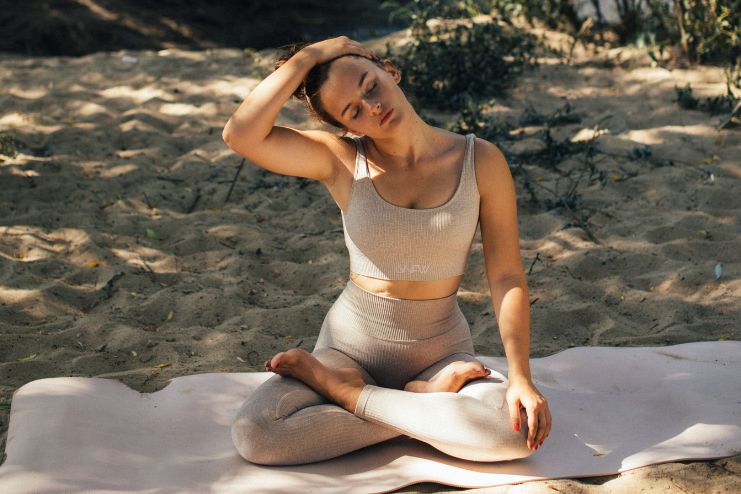
Our necks do a lot more than we give them credit for. From supporting the weight of our heads to helping us maintain posture and mobility, the cervical spine plays a crucial role in daily movement. Unfortunately, it’s also one of the first areas to hold tension, especially if you’re spending long hours at a desk or on your phone. That’s where targeted neck stretches can make a real difference.
Improving mobility and relieving stiffness in this area doesn’t have to be complicated. A simple neck stretch, when done correctly, can help release built-up stress and enhance flexibility over time.
How to Perform a Basic Neck Stretch
This stretch is straightforward and can be done virtually anywhere—whether you’re at home, at work, or just taking a break.
Step-by-Step Instructions:
- Start with posture: Sit or stand tall with your spine straight and shoulders relaxed. Good alignment is key.
- Gently tilt your head: Slowly lean your head to one side, aiming to bring your ear closer to your shoulder.
- Feel the stretch: Stop when you feel a gentle, comfortable stretch along the opposite side of your neck. There should be no sharp pain or discomfort.
- Hold the position: Stay in that position for 15 to 30 seconds, breathing deeply and evenly.
- Repeat on the other side: Slowly return to center and repeat the stretch on the opposite side.
Read More: How To Get Rid Of Neck Pain?
Shoulder Stretch
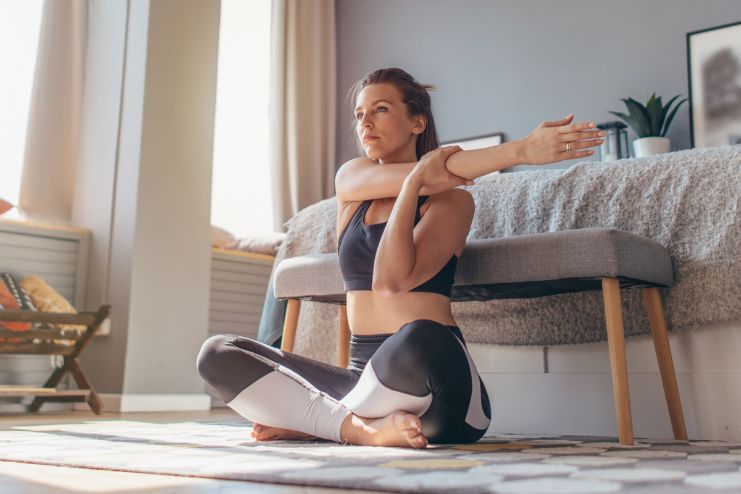
Shoulders are one of the most mobile joints in the body, but with that mobility comes the risk of stiffness and discomfort, especially if you spend a lot of time sitting, lifting, or working at a computer. Maintaining flexibility in this area is essential for avoiding pain, improving posture, and allowing your upper body to move freely and comfortably.
A regular shoulder stretch routine can be a simple yet powerful way to release tightness and support the long-term health of your shoulders.
How to Perform a Basic Shoulder Stretch
This classic shoulder stretch is an effective, go-to movement for loosening up the upper body. It’s easy to do and doesn’t require any equipment.
Step-by-Step Instructions:
- Begin with proper posture: Stand or sit up tall with your shoulders relaxed and your spine straight.
- Cross your arm: Bring one arm across your body at shoulder height.
- Apply gentle pressure: Use your opposite hand to press your arm closer to your chest, just above the elbow.
- Feel the stretch: You should feel a stretch through your shoulder and upper back, not pain.
- Hold and breathe: Stay in this position for 15 to 30 seconds, breathing deeply and evenly throughout.
- Switch sides: Gently return to center and repeat on the other arm.
Chest Opener Stretch
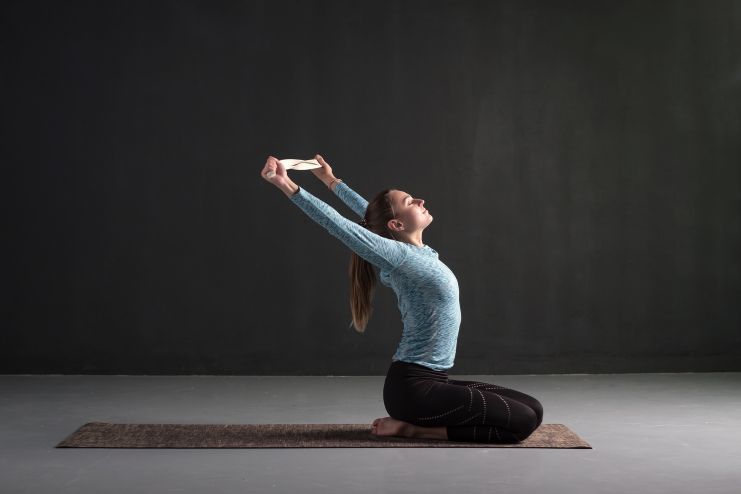
In today’s world of desk jobs, long hours at a computer, and sedentary routines, poor posture has become increasingly common. One of the most effective ways to counteract this is by incorporating a chest opening stretch into your daily movement routine. This simple yet powerful stretch helps combat the effects of slouching, relieves built-up tension in the chest and shoulders, and encourages a more open, upright posture.
By regularly performing this stretch, you can retrain your body to avoid the hunched-forward position that often comes with sitting for extended periods.
How to Perform the Chest Opening Stretch
This stretch is straightforward and doesn’t require any equipment—just a bit of space and mindful movement.
Step-by-Step Instructions:
- Start in a standing position: Stand tall with your feet hip-width apart and shoulders relaxed.
- Interlace your fingers: Bring your hands behind your back and interlace your fingers at the base of your spine.
- Straighten your arms: Gently extend your arms downward and away from your back.
- Lift your chest: As you do so, open your chest forward and upward, feeling a stretch through the front of your shoulders and chest.
- Hold and breathe: Maintain the position for 15 to 30 seconds while taking slow, deep breaths to enhance the stretch.
- Release slowly: Ease out of the position gently to avoid any strain.
Read More: Everything You Want to Know About Tightness in the Chest
Back Stretch
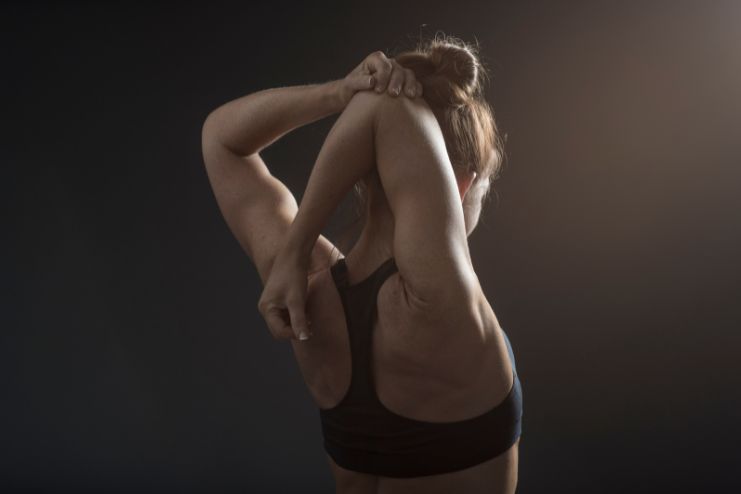
The back carries a lot—literally and figuratively. From sitting at desks to standing for long hours, our daily routines often leave the spine feeling tight, sore, and overworked. Stretching the back regularly is one of the most effective ways to release that tension, promote better posture, and keep the spine mobile and healthy.
Incorporating back stretches into your daily habits supports a supple, flexible spine, which is essential not only for movement but also for long-term health and comfort.
How to Perform a Gentle Back Stretch
A simple back stretch can bring a surprising amount of relief. This version focuses on the lower and middle back and is great for winding down or starting your day.
Step-by-Step Instructions:
- Lie down comfortably: Start by lying flat on your back on a yoga mat or soft surface.
- Bring one knee in: Gently pull one knee toward your chest while keeping the other leg extended on the floor.
- Relax into the stretch: Keep your shoulders grounded and focus on letting your lower back release.
- Hold and breathe: Stay in the position for 15 to 30 seconds, taking slow, deep breaths.
- Switch legs: Return the first leg to the floor and repeat on the opposite side.
This stretch gently decompresses the spine and can ease tension built up from sitting or standing for long periods.
Read More: 8 Best Back Stretchers- Reviews and Buying Guidance
Hip Flexor Stretch
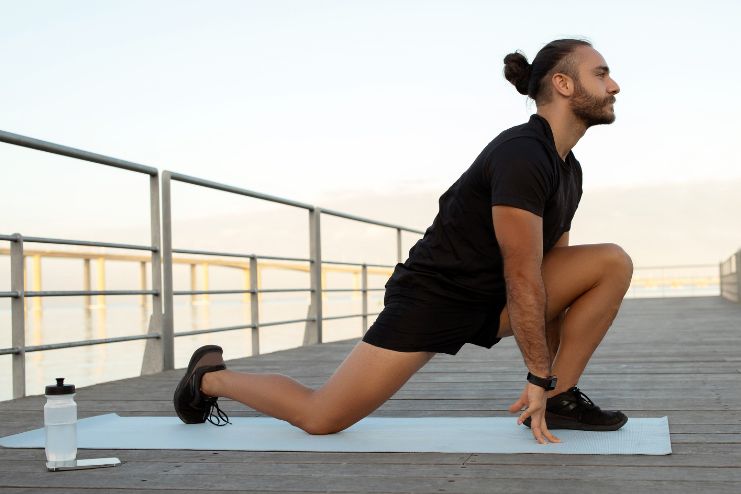
The hips are at the center of nearly every movement we make—walking, running, sitting, even standing still. Unfortunately, they’re also one of the first areas to tighten up, especially with long hours of sitting or intense physical activity. That’s why stretching the hip flexors is essential for maintaining mobility, avoiding strain, and supporting overall lower body health.
Regularly targeting the hip flexors not only helps improve range of motion but also plays a key role in reducing the risk of injury and maintaining proper alignment throughout the body.
How to Perform the Hip Flexor Stretch
This stretch is both beginner-friendly and highly effective. It specifically targets the front of the hips, offering relief from tightness and improving flexibility with consistent practice.
Step-by-Step Instructions:
- Start in a kneeling position: Begin by kneeling on a soft surface or yoga mat, with one knee on the ground and the other foot planted in front, forming a 90-degree angle.
- Shift your weight forward: Gently press your hips forward while keeping your torso upright. You should feel a stretch in the front of the hip of the leg that’s kneeling.
- Engage your core: Keep your abdominals slightly engaged and your spine in a neutral position to avoid excessive arching in the lower back.
- Hold and breathe: Maintain the stretch for 15 to 30 seconds while breathing deeply and steadily.
- Switch sides: Return to the starting position and repeat the stretch with the other leg forward.
Hamstring Stretch
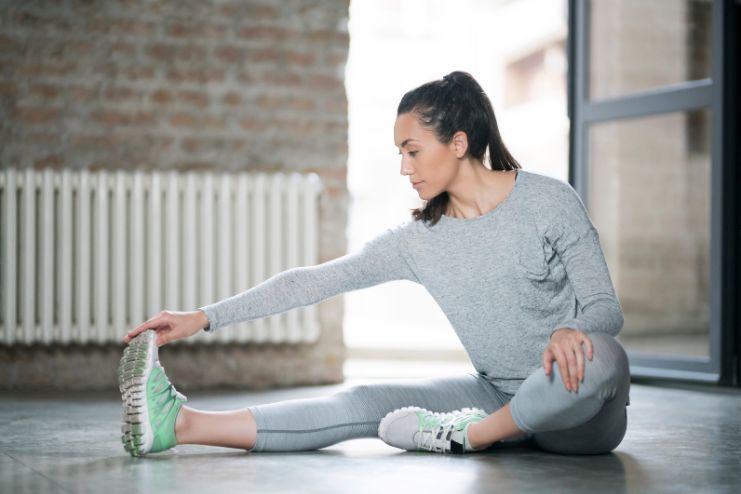
The hamstrings may not always be top of mind, but they play a crucial role in your overall mobility and posture. Tight hamstrings can pull on the lower back, affecting alignment and increasing the risk of strain or injury. Stretching them regularly is a simple, effective way to support your body’s movement and reduce discomfort in both the legs and back.
By keeping your hamstrings flexible, you’re not only protecting yourself from injury—you’re also improving posture, balance, and ease of motion in everyday activities.
How to Perform a Seated Hamstring Stretch
This classic stretch is easy to incorporate into your routine and can be done just about anywhere. It targets the back of the thigh while also encouraging mindful posture and breathing.
Step-by-Step Instructions:
- Start seated: Sit on the floor with one leg extended in front of you and the other leg bent, so the sole of your foot rests against the inner thigh of the extended leg.
- Reach forward gently: With a straight spine, lean forward from the hips and reach toward your toes, only going as far as is comfortable.
- Feel the stretch: You should feel a gentle pull along the back of the extended leg. Avoid rounding your back.
- Hold and breathe: Maintain the position for 15 to 30 seconds, taking deep, slow breaths to relax into the stretch.
- Switch sides: Return to center and repeat with the opposite leg extended.
Read More: Nordic Curls – The Secret Exercise for Bulletproof Hamstrings
Quadriceps Stretch
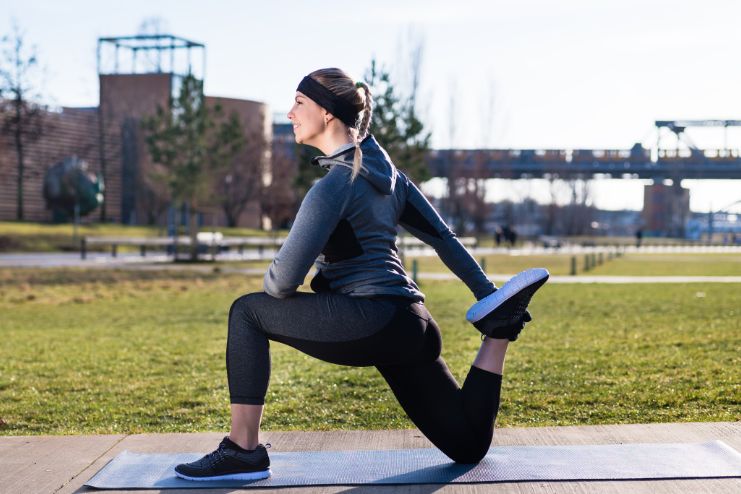
Your quadriceps—those large muscles at the front of your thighs—do a lot of heavy lifting, especially during walking, running, squatting, and climbing stairs. Keeping them flexible not only helps improve movement efficiency but also plays a crucial role in supporting knee health. Tight quads can pull on the knee joint and contribute to imbalances that increase the risk of strain or injury.
Regularly stretching the quadriceps helps maintain optimal function, improves performance, and ensures smoother, pain-free motion during daily activities or workouts.
How to Perform a Basic Standing Quad Stretch
This simple, classic stretch is one of the most effective ways to target the quadriceps and can easily be added to any warm-up or cool-down routine.
Step-by-Step Instructions:
- Begin standing: Stand tall with your feet hip-width apart. Use a wall or chair for balance if needed.
- Bend one knee: Bring your heel up toward your glutes by bending one leg at the knee.
- Hold your ankle: Grab the ankle or foot with the same-side hand and gently pull it in closer to increase the stretch.
- Align your posture: Keep your knees close together, chest lifted, and spine straight to maintain proper form.
- Hold and breathe: Stay in the position for 15 to 30 seconds, breathing slowly and evenly.
- Switch sides: Gently release and repeat on the opposite leg.
Calf Stretch
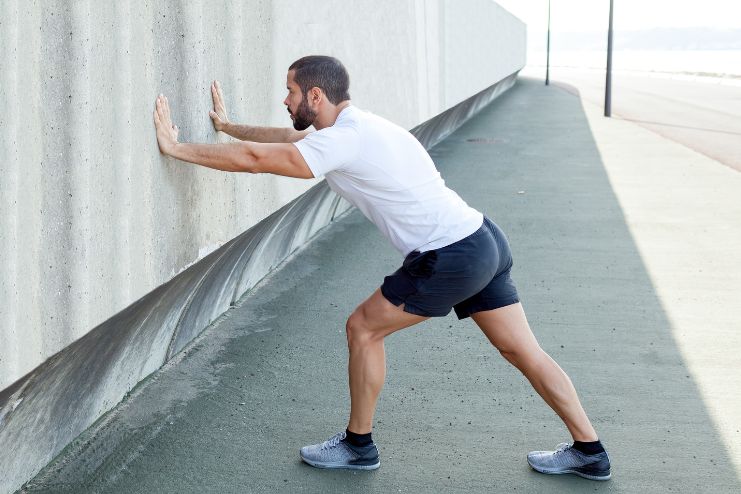
Your calves do a lot of behind-the-scenes work, whether you’re walking, running, jumping, or even just standing. Because they’re so frequently engaged in physical activity, the calf muscles are prone to tightness and strain. Stretching them regularly helps maintain flexibility, improve overall leg mobility, and reduce the risk of injury.
A simple calf stretch, when done with proper form and consistency, can make a big difference in both your performance and your everyday comfort.
How to Perform a Basic Calf Stretch
This stretch is effective, straightforward, and easy to perform anywhere you have a bit of space and a wall or surface for support.
Step-by-Step Instructions:
- Start in a standing position: Face a wall or sturdy surface and place both hands on it for support.
- Step one foot back: Take a step back with one leg, keeping it straight and pressing the heel firmly into the ground.
- Bend the front knee: Lean slightly into the wall by bending your front knee while keeping the back leg straight.
- Feel the stretch: You should feel a stretch along the calf of the back leg.
- Hold and breathe: Maintain the stretch for 15 to 30 seconds while breathing deeply.
- Switch legs: Return to standing and repeat the stretch on the other side.
Conclusion
Stretching might seem like a small part of your routine, but its impact is anything but minor. Whether you’re reaching for your toes or opening up your shoulders, each stretch helps unlock better mobility, reduce stiffness, and lower your risk of injury. The beauty of stretching is that it doesn’t take much time, but the payoff is huge, making your body feel more open, aligned, and ready for whatever your day brings.
What’s even more powerful is how stretching goes beyond the physical. It encourages you to slow down, tune into your body, and notice where you’re holding tension. That kind of body awareness builds mindfulness—a quiet, often overlooked benefit that can help you feel more connected and in control. Whether you’re focusing on your neck, hips, back, or legs, stretching creates space not just in your joints but also in your mind.
So, why not make it a daily habit? You don’t need fancy equipment or a full hour to see results. Just a few targeted stretches woven into your morning routine or cool-down can make you feel more flexible, energized, and resilient. Start small, stay consistent, and watch how your body and overall well-being begin to shift toward a healthier, more vibrant version of you.
References
- https://www.webmd.com/fitness-exercise/fitness-neck-stretches
- https://mayfieldclinic.com/pe-neckex.htm
- https://www.verywellhealth.com/self-assisted-neck-stretches-2696330
- https://www.healthline.com/health/shoulder-mobility-exercises
- https://www.medicalnewstoday.com/articles/324647
- https://www.webmd.com/fitness-exercise/features/how-to-stretch-shoulders
- https://blackroll.com/routine/heart-opening-exercises
- https://www.thehealthy.com/exercise/chest-stretches/
- https://www.masterclass.com/articles/chest-stretches-guide
- https://www.healthline.com/health/lower-back-stretches
- https://www.health.com/lower-back-stretches-for-back-pain-7504553
- https://www.spine-health.com/wellness/exercise/stretching-back-pain-relief
- https://www.hingehealth.com/resources/articles/hip-flexor-stretch/
- https://www.healthline.com/health/fitness-exercise/hip-flexor-exercises
- https://www.hss.edu/article_hip-flexor-stretch.asp
- https://www.usatoday.com/story/life/health-wellness/2023/11/14/how-to-stretch-hip-flexors/71499987007/
- https://www.hingehealth.com/resources/articles/hamstring-stretch/
- https://www.verywellhealth.com/great-hamstring-stretches-296849
- https://www.medicalnewstoday.com/articles/323703
- https://www.knee-pain-explained.com/quadricep-stretches.html
- https://www.hingehealth.com/resources/articles/quad-stretch/
- https://www.mayoclinic.org/healthy-lifestyle/fitness/in-depth/stretching/art-20546848
- https://www.macquariestphysio.com.au/how-important-is-calf-stretching-for-prevention-of-injury/
- https://athleteschoicemassage.ca/home-care/calf-stretch/
- https://www.healthline.com/health/tight-calves
In this Article