











Not all feet are created equal, and that’s what makes them fascinating. Some people have flat feet, where almost the whole sole meets the ground, while others have high arches that barely touch down except at the heel and ball.
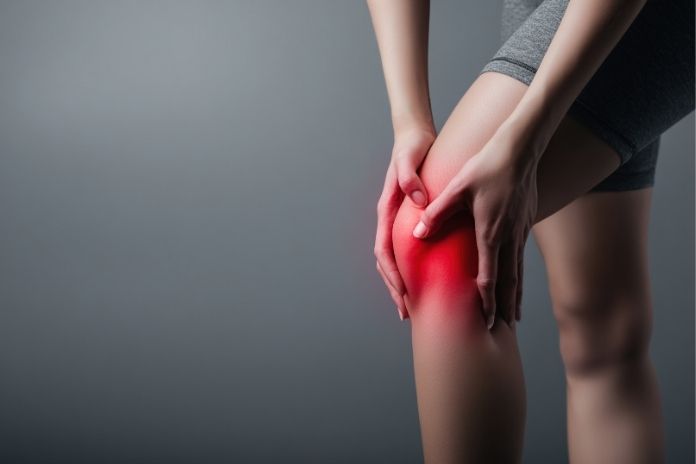
These differences might seem small, but they quietly shape how your body moves, absorbs impact, and handles everyday stress. The way your arch is built can influence everything from your posture and balance to how likely you are to develop foot pain, shin splints, or even knee problems.
The good news? Once you understand your foot type, you can work with it, not against it. Choosing the right shoes, using proper supports, and doing a few simple exercises can make all the difference. It’s about walking, running, or standing with more comfort and less strain. Because when your feet feel good, everything else tends to follow.
Flat feet vs. high arches: what’s the difference?
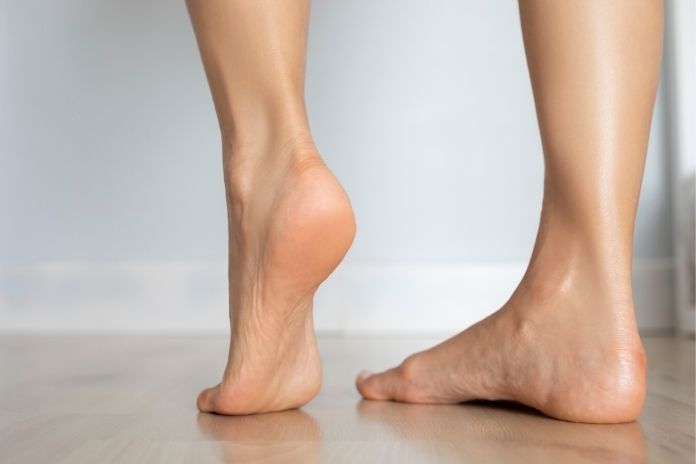
Flat feet (pes planus) have little or no medial arch; when you stand, the entire sole may contact the floor. They can be lifelong (congenital) or develop over time if the arch collapses. High arches (pes cavus) show a very pronounced arch; only the heel and ball of the foot bear most of the load. Arch shape is influenced by genetics, injury, and neuromuscular patterns; it’s also measurable with simple self-checks like the wet-foot test (wet your foot and stand on paper to inspect the print).
Biomechanically, flat feet tend to over-pronate (the foot rolls inward), while high arches are associated with under-pronation or supination (less roll, more pressure on outer edges). These movement patterns change how force travels up the leg and can create joint stress in the ankles, knees, hips, and lower back. A small but consistent body of research documents measurable differences in balance, muscle length, and loading across arch types.
Problems linked to flat feet
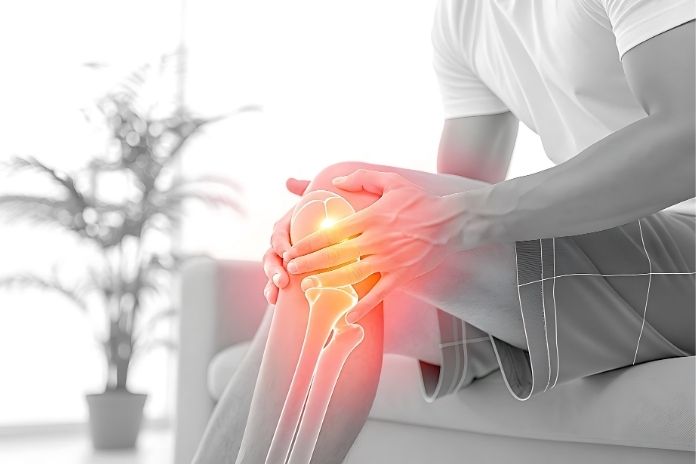
Flat feet themselves are cmmon and often painless, but when they cause trouble, the usual pattern is over-pronation and shock-absorption failure. That can produce:
- Plantar fasciitis and heel pain (the arch collapses and the plantar fascia works overtime).
- Shin splints and medial knee pain from excessive inward rotation of the tibia.
- Tired, achy feet after standing and progressive foot fatigue in people whose foot muscles are overworked or overstretched.
- Contribution to bunions or hallux valgus over time in some people.
Not everyone with flat feet has these problems; many live symptom-free, but if pain, fatigue, or uneven shoe wear appear, an intervention (footwear, exercises, orthotics) usually helps. Clinical reviews link pronated posture to certain overuse complaints, and targeted supports often reduce symptoms.
Problems linked to high arches
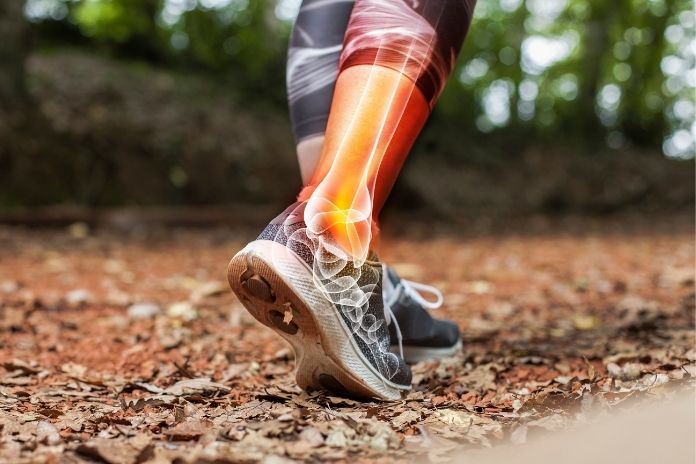
High arches place load on a smaller contact area, so the foot absorbs shock poorly. Typical issues include:
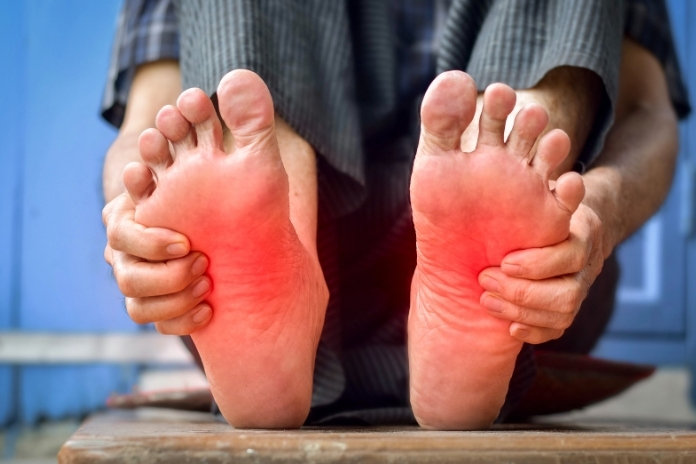
- Excessive pressure on the heel and forefoot can cause heel pain, metatarsalgia (pain under the ball of the foot), and callus formation.
- Plantar fasciitis, high arches are a recognized risk factor because the plantar fascia is under greater tension.
- Ankle instability and frequent lateral sprains are due to a reduced ability to adapt to uneven ground.
- Hammertoes and clawing in rigid high arches over time, and possible progression to arthritis if left unaddressed.
High arches may be congenital or reflect an underlying neuromuscular issue; if a previously normal arch becomes high or painful, seek evaluation to rule out neurologic causes.
How to care for flat feet

Flat feet are more common than you might think, and while they don’t always cause problems, they can sometimes lead to aching arches, tired legs, or even knee and back pain if not cared for properly. The key is support and strength: giving your feet the right foundation while helping the muscles do their job.
Whether your arches have always been low or have flattened over time, simple adjustments in footwear, daily exercises, and (if needed) medical support can make a world of difference. Here’s how to keep flat feet comfortable, strong, and pain-free.
A. Supportive footwear
People with flat feet usually do best in stability or motion-control shoes that offer firm midsoles and built-in arch support. Look for a straight to semi-curved last, a supportive heel counter, and removable insoles (so you can try orthotics). Avoid flimsy ballet flats, cheap sandals, or shoes with zero arch support for long periods of standing. The American podiatry guidance and major clinics recommend starting with a good stability shoe before moving to custom devices.
B. Exercises and stretches
Strengthening your foot’s intrinsic muscles and the calf can improve arch control and reduce fatigue. Effective, easy moves include:
- Short-foot (arch activation): while seated or standing, attempt to “lift” the arch without 23rcurling toes, hold 5–10 seconds, repeat 10 times.
- Toe curls with a towel: scrunch a towel toward you with your toes to strengthen the plantar muscles.
- Calf raises and eccentric calf lowering: improve the gastroc-soleus complex and reduce strain on the plantar fascia.
Regular practice matters, Dr. Emily Splichal, a podiatrist and movement specialist, recommends daily short-foot and simple balance moves to restore function: “When your feet aren’t working optimally, people just can’t stand as long as they used to… Foot fatigue limits their ability to do activities.”
C. Medical options
Over-the-counter arch supports often help mild symptoms; if pain persists, a podiatrist can prescribe custom orthotics to position the foot neutrally. Randomized trials show prefabricated and custom orthoses can reduce plantar-fascia symptoms and improve function, though the size of benefit varies, and orthotics are usually part of a package (stretching, strengthening). In stubborn or progressive deformity, surgical options exist but are rare and reserved for structural, painful conditions.
How to care for high arches
High arches can look elegant, but they’re not always easy on your feet. Because the arch is so elevated, less of the sole touches the ground, meaning your weight gets unevenly distributed across the heel and ball of the foot. Over time, that can lead to soreness, instability, or a higher risk of ankle sprains and pressure-related pain.
The good news? With the right care, high-arched feet can feel just as comfortable and supported as any other type. Choosing well-cushioned shoes, keeping your calves and arches flexible, and using supportive insoles when needed can all help absorb impact and protect your joints. Here’s how to give your high arches the balance and comfort they deserve.
A. Supportive footwear
High-arched feet need cushioning and flexibility; shoes with good shock absorption, a slightly curved last, and soft midsoles reduce pressure on toes and heels. Avoid overly rigid, narrow shoes that concentrate the load. Removable cushioned insoles or gel pads can help distribute pressure; brands with cushioned, flexible models (Hoka, Brooks, ASICS, certain comfort lines) are commonly recommended. Always try shoes on and walk for several minutes before buying.
B. Exercises and stretches
High arches benefit from flexibility work and balance training:
- Plantar-fascia stretch (towel or standing calf/tibial stretches) to reduce tension at the heel.
- Achilles and calf stretches, tight calves are common with high arches and increased forefoot load.
- Balance and proprioception drills (single-leg balance, wobble board) to reduce ankle sprains.
These measures aim to improve shock absorption and ankle control rather than “flatten” the arch. Evidence supports stretching and strengthening to reduce symptoms in both arch extremes.
C. Medical options
Cushioning orthotics that improve shock absorption (rather than rigid arch correction) are the typical prescription for symptomatic cavus feet. In severe, progressive deformities or when neurologic disease is identified, surgery may be considered to redistribute pressure or correct alignment, but that’s uncommon and requires specialist evaluation.
Read More: 11 Best Cross Training Shoes for High Arches!
Flat feet vs high arches: which is worse?
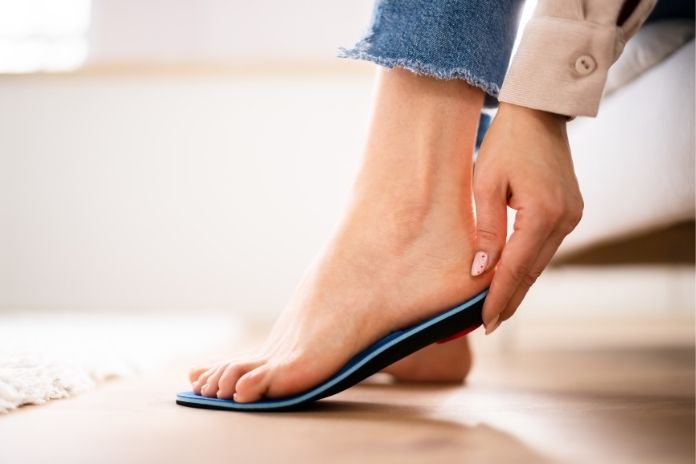
Neither foot type is inherently “worse.” Each produces a predictable pattern of stresses: flat feet can overload medial structures and lead to pronation-related injuries; high arches concentrate force on the heel and forefoot and raise the risk of lateral sprains. The practical point is this: unsupported biomechanics, not the arch shape itself, cause most problems.
Early attention (right shoes, targeted exercises, and when needed) prevents chronic pain and joint wear across the kinetic chain. A 2013 review and more recent biomechanical studies show both arch extremes can affect gait and injury risk, so individualized care is best.
When to see a doctor
Make an appointment if you have:
- Persistent foot pain is limiting activity despite proper shoes and basic exercises.
- Recurrent ankle sprains or a feeling that your ankle “gives way.”
- Progressive deformity (worsening bunion, hammer toes) or sudden change in foot shape.
- Neurologic symptoms (numbness, weakness) or non-healing wounds.
A podiatrist or orthopaedic foot specialist can examine gait, recommend imaging if needed, fit custom orthotics, and design a rehab plan. As Dr. Matthew Paden (DPM) says: “Often when people are having painful feet related to the flat foot, it can be easily treated with an orthotic… this often gives people great relief throughout the day.”
FAQs
Can flat feet turn into high arches (or vice versa)?
Major changes in arch shape are uncommon in adults. Flat feet may develop if supporting structures weaken; new high arches are more often related to neuromuscular causes and warrant evaluation.
Are kids with flat feet at risk later in life?
Many children have flexible flat feet that resolve with growth. Persistent, painful, or rigid flat feet should be assessed early; treatment in childhood is often simple and effective.
Do barefoot/minimalist shoes help or harm?
Minimalist shoes can strengthen foot muscles for some people, but transitioning too quickly or using them with an unstable foot type can worsen symptoms. If you try them, progress slowly and combine with strengthening exercises.
Can exercises alone fix arch problems?
Exercises greatly reduce symptoms and improve function, especially when paired with appropriate footwear or insoles. Structural deformities or severe pain sometimes need orthotics or specialist intervention.
Conclusion
Flat feet and high arches may seem like opposite problems, but they share one simple truth: your feet work best when they’re supported, balanced, and strong. Both conditions change how your body absorbs shock and distributes pressure, which can ripple up through your ankles, knees, and even your hips over time. But the good news is that most of these issues can be managed, and often prevented, with a bit of awareness and consistent care.
Start by getting to know your feet. A quick wet-print test or a professional gait assessment can reveal your arch type and how your body moves. From there, it’s about making smart choices: stability and firm support for flat feet, cushioning and flexibility for high arches. Pair that with simple daily exercises, like arch lifts, toe curls, and calf stretches, to build strength and improve control.
And if pain lingers or you notice changes in your foot shape, don’t ignore it. A podiatrist can help with orthotics, tailored exercises, or other interventions before small problems turn into chronic ones. With the right foundation, literally, your feet can carry you comfortably through everything life puts in your path, keeping you active, balanced, and pain-free for years to come.
References
- https://www.footandankleclinics.com/blog/what-is-the-difference-between-flat-feet-and-high-arches.html
- https://www.podfitadelaide.com.au/flat-and-high-arch-feet
- https://treadlabs.com/blogs/insoles-reach-your-stride/arch-height-101-how-to-tell-if-you-have-high-arches
- https://selectflex.com/blogs/arch-support/flat-feet-vs-high-arches-1
- https://fasafw.com/blog/what-is-the-difference-between-flat-feet-vs-arched-feet/
- https://www.lagunawoodspodiatry.com/blog/1158072-high-arches-vs-flat-feet-understanding-your-foot-structure-and-how-it-affects-you/
- https://myairfeet.com/12-insights-on-flat-feet-vs-arched-feet/
- https://www.mayoclinichealthsystem.org/hometown-health/speaking-of-health/how-to-determine-foot-arch-type
- https://www.ctfoot.com/new-blog/2025/2/3/the-difference-between-flat-feet-and-high-arches
- https://www.walkaroo.in/blogs/all/flat-feet-or-high-arches-walkaroo-s-supportive-footwear-options-explained
- https://www.gothamfootcare.com/blog/know-your-arch-type/
- https://www.henryford.com/Blog/2024/12/High-Arches-Or-Flat-Feet
- https://www.fasthewoodlands.com/post/do-i-have-a-flat-foot-or-a-high-arch
- https://relefordinstitute.com/post/normal-feet-vs-flat-feet-difference-between-flat-and-arched-foot
- https://www.webmd.com/a-to-z-guides/features/how-much-do-you-know-about-your-feet-arches
- https://www.idahofoot.com/blog/arch-type.cfm
- https://yourfootdoctor.in/blogs/blogs/do-you-have-high-arches-flat-feet-or-something-in-between
- https://www.nbcnews.com/select/shopping/how-to-determine-foot-arch-type-rcna146100
- https://www.physio-pedia.com/Arches_of_the_Foot
In this Article