














Over the past years, concerns about fiberglass being used in mattress production have emerged. Many people claim to experience strange cases of itching or coughing and find glittering dust at home, only to trace it back to their mattresses.
It’s a paradox that makes sense. The headlines would have you believe that all modern mattresses are dangerous, but that’s just not true. Not all mattresses have fiberglass, but some do. It can become a problem if the fiberglass escapes its barrier, which can lead to a health and home hazard.
This article discusses why some mattresses utilize fiberglass, who is most vulnerable to it, what the true fiber health risks are, and what you should do to protect yourself if you’re affected.
What Is Fiberglass – and Why Is It Used in Mattresses?
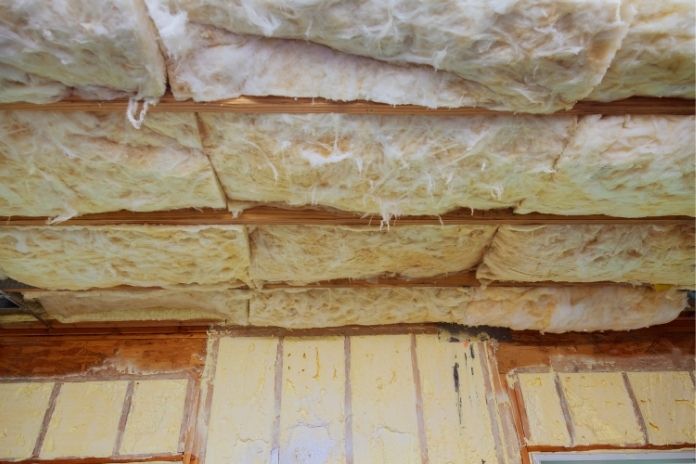
Fiberglass is basically super-thin glass strands spun into fibers. Those fibers are tough and light. The best part from the manufacturers’ point of view: they are fire-resistant.
In mattresses, fiberglass is mainly used as a fire-retardant layer. Newer safety regulations indicate that mattresses must resist open flames for a specified time, which gives occupants a window to leave the space on time. To achieve such standards, a fire barrier layer inside the mattress is necessary.
People like fiberglass because it can provide fire resistance without relying on chemical flame retardants, which have become suspect as possible hormone disruptors. From a regulatory standpoint, fiberglass enables a company to market mattresses as “chemical-free” while still passing flammability laws.
Read More: How to Prevent Bed Sores on a Bedridden Patient: Nurse-Approved Tips
Do All Mattresses Contain Fiberglass?
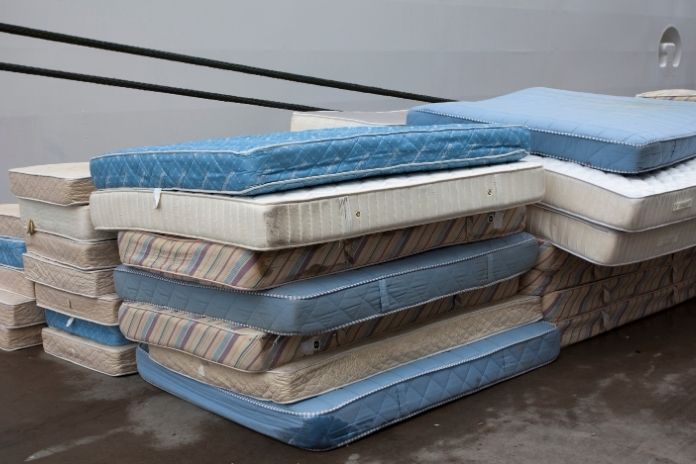
The common question we all face while selecting or checking a mattress is whether all mattresses have fiberglass in them. Even though it seems like the likely answer, really, it’s not necessarily yes. Do mattresses contain fiberglass? Some do, but many don’t.
It is mostly found in memory foam beds, particularly in the lower to mid-price range. Foam is naturally flammable, and it requires a fire barrier. Fiberglass tends to be a popular choice, as it’s super cheap and does its job well enough.
The budget mattresses, in particular, those from overseas or those sold online at significantly low prices, are more likely to use fiberglass as a fire barrier. At the high end, different materials such as wool or treated rayon are generally used. So, it is not right to assume that every mattress has fiberglass, but the sensible thing is not to judge by price.
Where Fiberglass Is Located Inside a Mattress
Fiberglass is not designed to be visible in normal use. In a mattress that contains fiberglass, it is often woven into a thin lining that is strictly a fire retardant. This fire retardant is inserted between the exterior material and the foam. This keeps the fiberglass in place if it is sealed.
Problems begin when this barrier is disrupted. Removing the cover of the mattress is one of the primary ways this barrier can be disrupted. Many of the covers have zippers. These zippers tend to give the appearance that the cover can be washed. However, this may disrupt the barrier by causing the fibers to be dispersed into the air.
Health Risks of Fiberglass Exposure From Mattresses
Fiberglass is not described as toxic, and although “non-toxic” is not always descriptive of its unpleasantness, discomfort, and nuisance of exposure.
Skin & Eye Irritation
Many problems with fiberglass mattresses appear with symptoms on the skin. When the small glass fibers come into contact with the body, they may find their way into the top layers of the epidermis. This causes irritation, which would be described as constant itching, reddening, or tingling. When they enter the eyes, the individual may experience redness, weeping, and discomfort.
Respiratory Symptoms
If the fiberglass spreads in the air and you inhale it, it might cause irritation in your throat, coughing, a tightness in your chest, and difficulty breathing. This can be especially concerning for children, older adults, and people with respiratory conditions like asthma.
Why Fiberglass Isn’t “Toxic” but Can Still Be Harmful
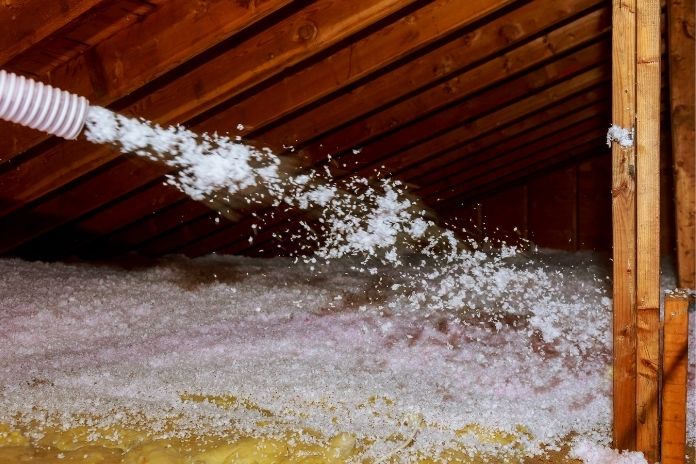
Many people equate “non-toxic” with “harmless,” but these two are not the same. Fiberglass is a clear example of how a material can be non-toxic yet still cause harm. The fact that fiberglass isn’t toxic makes it sound like it isn’t harmful either. It does not poison the skin, eye, or respiratory tissues but makes them physically irritated.
The body can definitely take in the sharp fibers that have a knack for getting into the eyes, lungs, and skin. This becomes even more problematic when the body gets regular exposure through the presence of a mattress full of such fibers. Even if it isn’t considered toxic, its effects can still be pretty serious.
How to Tell If Your Mattress Contains Fiberglass
You cannot predict whether you have a fiberglass-filled mattress, as that requires closer scrutiny. You can start by examining the label found inside the mattress itself, called the law tag or materials label.
When you notice the presence of the words “glass fiber” or “glass fibers” or “fiberglass” or “silica fiber” or even more general descriptions such as “fire barrier sock,” you can tell the presence of fiberglass. When you come across the label stating that the covering should be left intact at all times, that should raise your suspicions.
At home, you can notice fibers shedding through these visible signs:
Fine, glitter-like fibers that reflect light, especially near vents or temperature changes, can be a sign of fiberglass shedding.
What to Do If You Think Your Mattress Is Releasing Fiberglass
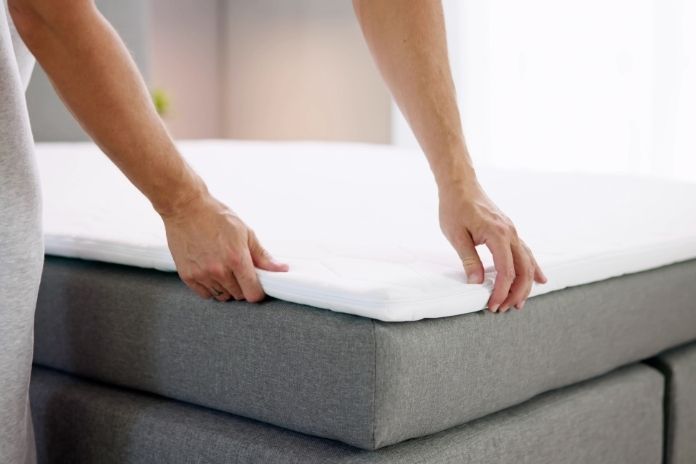
If fiberglass exposure is suspected, we must be careful. Try to avoid the use of a conventional vacuum, shaking the bedding, or washing the mattress cover. Such actions can only raise fibers into the air and worsen the condition. Isolate the mattress and, if possible, keep people and pets out of the room. Wear protective clothing in case you need to touch anything.
When contamination is everywhere, it is usually the safest route taken by most people, either to have professionals clean or replace the mattress entirely. When fiberglass is released, it might be extremely difficult to ever remove completely.
Read More: How to Make Your Home Asthma-Friendly: Room-by-Room Tips for Every Space
Is Sleeping on a Fiberglass Mattress Safe If It’s Intact?
Yes, provided that the fire barrier is maintained. If the mattress itself is sound and the cover has never been removed, the risk of exposure to the fiberglass is minimal. When it comes to health-related issues involving the fiberglass found in mattresses, the biggest danger comes to light only after the barrier that protects one from it is damaged.
Carefully following the instructions that come with it helps to keep the risk to a minimum.
How to Choose a Mattress Without Fiberglass
Avoiding fiberglass starts with informed buying decisions.
Mattresses that use wool, natural latex, or cotton-based fire barriers are far less likely to contain fiberglass. Transparency matters, as reputable brands clearly disclose their fire barrier materials rather than using ambiguous language.
Before purchasing, ask directly what material is used for fire resistance and whether the mattress contains glass fiber. A brand that avoids the question is often answering it indirectly.
Fiberglass vs Other Mattress Fire Barriers

Fiberglass is not the only material available for creating a fire barrier. Wool is very special because it has natural flame-resistance and breathability. However, it simply costs more. Rayon, which is made from plant cellulose, may be fire-treated and is softer than fiberglass.
Silica blends are a sort of compromise between fiberglass and other products, offering fire protection for less brittleness but still requiring fire barriers to be sealed. Ultimately, each material varies in terms of safety, expense, and endurance.
When Fiberglass Exposure Requires Medical Attention
Medical evaluation is recommended if fiberglass exposure symptoms persist or worsen. Continuous respiratory discomfort, eye injuries, or skin reactions that do not improve may indicate prolonged exposure requiring professional care.
Read More: Circadian Rhythms: Unlocking the Secrets of Your Body’s Internal Clock
Key Takeaway
Fiberglass is used in mattresses for fire safety, not comfort. The risk remains low as long as the mattress stays intact and sealed.
Understanding whether your mattress contains fiberglass allows you to protect your health, your home, and your peace of mind.
References
- Tom’s Guide – Fiberglass in Mattresses
Daniels, F. (2023, November 5). How to know if your mattress has fiberglass inside — and if it’s safe to sleep on. Tom’s Guide. - Hempitecture – The Disguised Dangers of Fiberglass Insulation
Hempitecture. (2025, April 2). The disguised dangers of fiberglass insulation. - WebMD – How to Remove Fiberglass from Skin
WebMD Editorial Contributors. (2025, October 4). How to get fiberglass out of skin. - LA Mattress Store – Is Fiberglass in Mattresses Dangerous
LA Mattress Store Editorial Team. (2025, November 5). Is fiberglass in mattresses dangerous? LA Mattress Store. - Sleepopolis – What You Need to Know About Fiberglass in Mattresses
Caffrey, D., & Covello, C. (2025, September 20). What you need to know about fiberglass in mattresses.
In this Article