







Smoking every day and heavy drinking ages us faster. We all know this. However, imagine stepping outside on a blistering hot day. The air is thick, your skin begins to burn, and your body craves shade instantly. Heat is what most of us consider a temporary annoyance. We assume it to be something to be avoided with an air conditioner or an iced drink.
But recent research indicates something much more disturbing: intense heat does not just leave us sweaty and exhausted, it actually makes us age prematurely. Scary but true!
Researchers now think that heat stress, repeated over and over, can speed up ageing in a similar way to the damage decades of smoking or binge drinking do. As global warming powers record-breaking heatwaves every year, this is more than a fleeting seasonal issue. It’s a chronic illness that could affect how we age, how well we keep disease at bay, and how long we will live.
How Heat Stresses the Body
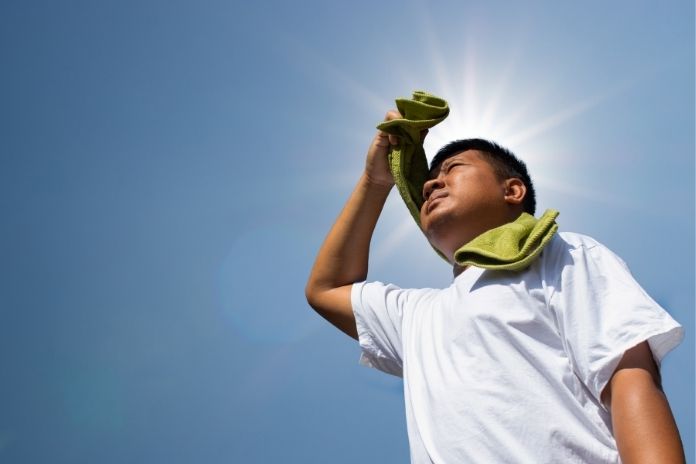
The body is set up to keep its own temperature stable, but too much heat can cause trouble. That’s what occurs:
- Heart and circulation overload. In warm weather, your blood vessels widen to release heat. That gets your heart beating faster and harder, and the risk of heart strain goes up. Even minor heat raises the risk of a pre-existing heart attack or stroke.
- Dehydration and electrolyte imbalance. The body’s natural cooling mechanism is sweating, but it loses essential salts like sodium and potassium, and water. Cells die if not replenished, leaving you weak, dizzy, and at increased risk of long-term cell damage.
- Cellular stress and oxidative damage. Heat increases the production of unstable molecules called free radicals. Free radicals kill DNA, proteins, and cell membranes. This damage accumulates, causing cells to age more rapidly.
- Chronic inflammation. Repeated exposure to severe heat informs the immune system that the body is under assault all the time. This low-grade inflammation causes several age-associated diseases, including arthritis, Alzheimer’s, and heart disease.
In short, too much heat is not just an external annoyance, but it impacts the functions of your organs, cells, and systems, pushing them toward early aging.
According to a new study in Science Advances, an adult living in a US state like Arizona could be biologically 14 months older as compared to someone living in Washington State.
Study co-author Jennifer Ailshire, senior author of the study and professor of gerontology and sociology at the USC Leonard Davis School, says, “It’s really about the combination of heat and humidity, particularly for older adults, because older adults don’t sweat the same way. We start to lose our ability to have the skin-cooling effect that comes from that evaporation of sweat,” explained.
Read More: Top After-Sun Lotions: Soothe & Hydrate Sun-Damaged Skin
Making Comparisons to Smoking and Alcohol

Doctors compare heat to smoking and alcohol because all three stress the body in rather similar ways.
- Smoking hastens aging by breaking down collagen in the skin, reducing blood flow, and burdening the body with toxins that cause oxidative stress. That is why smoking causes people to develop wrinkles sooner and is likely to develop heart disease.
- Alcohol adds its own price tag. It leads to dehydration of the body, liver damage, and systemic inflammation throughout the body. Chronic use leaves a long-lasting impact on physical and mental health.
Heat can seem different, but it leads to faster aging through the same biological processes: dehydration, oxidative stress, tissue inflammation, and organ stress.
So scientists now place extreme heat in the same category as smoking and alcohol use. It’s a lifestyle factor that steadily degrades long-term health, even if we don’t notice the damage at first.
Symptoms of Premature Aging due to Heat Exposure
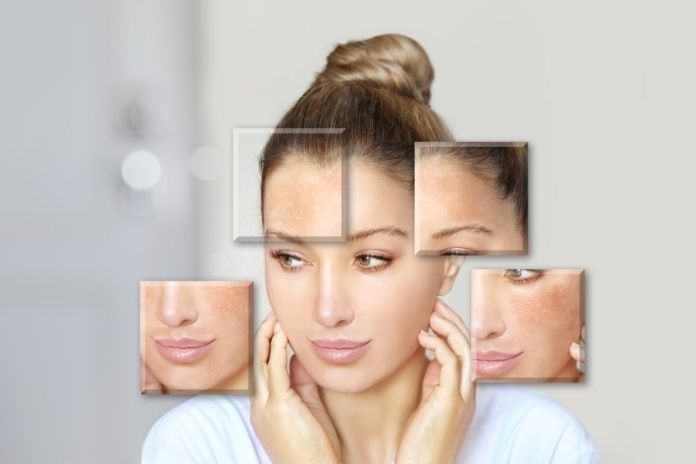
Symptoms of heat-induced aging can surface on the outside and beneath the skin of the body.
- Skin Changes: Collagen and elastin are destroyed faster by heat and UV. The result? Wrinkles, sagging skin, spots, and uneven texture, earlier than they should’ve taken place. These are classic signs of sun-damaged skin that you must be aware of.
- Weakened Immunity and Fatigue: Chronic heat stress uses up energy reserves, and people become constantly fatigued. It also weakens the immune system, leading to longer healing times and increased vulnerability to infection.
- Cardiovascular Stress: As mentioned before, continuous stress to the cardiovascular system with repeated exposure to heat leads to premature aging of cardiac and blood vessels, thereby raising the risk of hypertension, heart disease, and even stroke.
- Cognitive Impairment: Studies have shown that repeatedly exposed older individuals can experience memory problems, slowness in thinking, and reduced concentration, indicating that the brain is also affected by heat-induced aging.
These impacts don’t necessarily show up right away, but over years of exposure, making the body feel and look older than its actual age.
Read More: The Sunlight Diet: Can Eating Seasonally Improve Your Health?
Who’s Most at Risk?
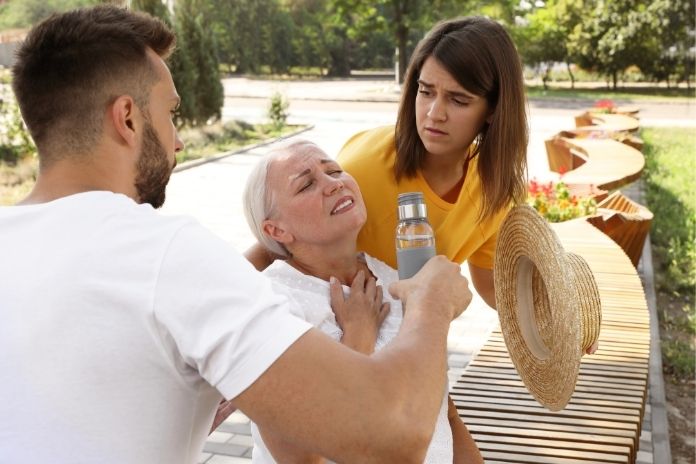
Not all people are equally at risk of the impact of heat on aging. Certain populations are far more susceptible:
- Older Adults: The body loses the ability to regulate temperature effectively as one grows older. Seniors are thus more at risk of heat illness, as well as long-term impairment.
- Children: The younger body heats up faster, and their cooling system is not yet developed, placing them at higher risk of heat stress and dehydration.
- People with Chronic Disease: People with heart disease, diabetes, kidney disease, or lung disease already have dysfunctional systems, and heat does their damage quickly.
- Outdoor Workers and Athletes: People who spend long periods of time in direct sun, construction workers, farmers, delivery drivers, or marathon runners. These people subject themselves on a daily basis to greater damage.
- Urban “Heat Island” Residents: A lot of concrete and little green in such cities traps heat, leaving night temperatures far behind. Residents here may never have the opportunity to fully cool down, which raises long-term risk.
Identifying these high-risk groups is crucial for prevention, as they require additional protection and early intervention to mitigate risks.
Doctor-Suggested Ways to Protect Against Heat-Accelerated Aging
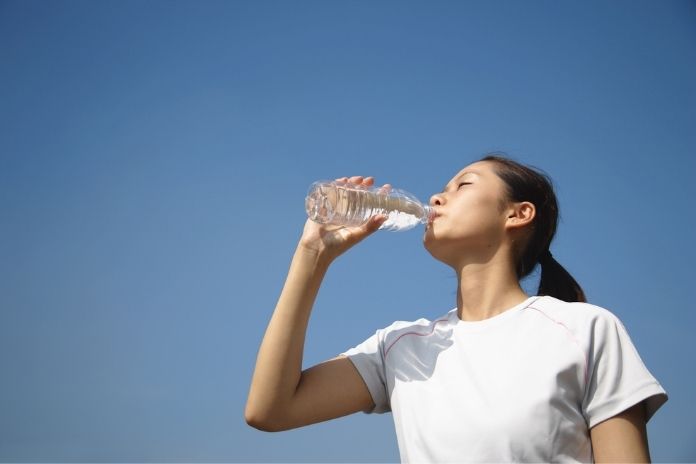
The bright news is that, as with quitting smoking or cutting down on alcohol, there are things you can do to protect yourself from the heat’s aging effects. Doctors recommend:
- Remember to stay hydrated. Don’t wait until you feel thirsty. Drink water regularly throughout the day, and if you’re sweating heavily, replace lost salts with electrolyte drinks.
- Limit heat exposure during peak hours. Midday sun is most intense. Whenever possible, plan outdoor activities for early morning or evening when it’s cooler.
- Do not forget to protect your skin every day. Use a broad-spectrum sunscreen, wear wide-brimmed hats, and choose lightweight but protective clothing to block both heat and UV damage.
- Be mindful of your drinks. Alcohol and caffeine act as diuretics, making dehydration worse. Stick to water or cooling herbal teas during heatwaves.
- Use fans, air conditioners, or visit cooling stations during a heatwave. Even cooling indoor spaces a few degrees makes a difference to your body.
- Listen to your body. Headaches, dizziness, nausea, or excessive fatigue are warning signs. Stopping and cooling down right away can prevent further damage.
These steps not only protect you from heatstroke but also reduce the hidden long-term stress that heat causes to your body.
Read More: Sun Safety Tips: Protecting Skin Health to Prevent Cancer
Conclusion
Heat extreme isn’t just a question of wet clothes and hot nights. It is an insidious stress that occurs stealthily, much the same as smoking or binge drinking, to drive the body into age acceleration. From wrinkled skin to heart strain to memory loss, the price of heat is amassed unobtrusively over the years.
But the message isn’t scary; it just means we must take precautions. Like we’ve learned to avoid cigarettes or drink less for better health, we can modify our habits to keep heat from exacting its price. Hydration, sun protection, and wiser cooling aren’t just handy; they’re an investment in your overall health and life expectancy.
The weather may be heating up, but let the heat not steal years from your life with the correct habits. Small steps will not just add to your life, but make it meaningful!
References
- https://www.betterhealth.vic.gov.au/health/healthyliving/how-alcohol-affects-your-body
- https://pmc.ncbi.nlm.nih.gov/articles/PMC8615052/
- https://www.nia.nih.gov/health/brain-health/how-aging-brain-affects-thinking
- https://pmc.ncbi.nlm.nih.gov/articles/PMC8615052/
- https://ash.org.uk/resources/view/how-smoking-affects-the-way-you-look
- https://pmc.ncbi.nlm.nih.gov/articles/PMC10303253/
- https://www.sciencedirect.com/topics/medicine-and-dentistry/heat-exhaustion
- https://www.scientificamerican.com/article/repeated-heat-waves-can-age-you-as-much-as-smoking-or-drinking/
- https://www.nature.com/articles/d41586-025-02729-x
In this Article