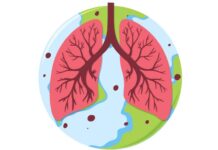














Your lungs play a vital role in providing the energy you need to carry out in daily activities at optimal levels. Every time you take a breath, you help your body dispose of waste gases (i.e., carbon dioxide), fuel your muscles, and have a supply of oxygen to deliver to your cells.
I’m sure you’re already aware of the numerous benefits associated with exercise. You undoubtedly consider how it may strengthen your heart, reduce your waist size, increase your level of fitness, and even elevate your mood. However, did you know that physical activity can also support lung health?
After the age of thirty-five, our lung function and capacity naturally start to decline, very slowly.
Asthma is one disease that can significantly accelerate the decline of lung function and capacity, resulting in breathing difficulties and shortness of breath.
Certain exercises can boost lung capacity, helping you maintain healthier lungs and ensuring your body gets the oxygen it needs.
Fortunately, you can improve your lung health without resorting to expensive medical procedures/tools or relying on medical professionals. You can use simple exercise techniques to become healthier, breathe more easily, and feel better!
Read More: Mindful Moments: 8 Mindfulness Exercises to Infuse Joy into Your Workday
Why Lung Capacity Matters

Understanding key aspects of how your body functions, such as lung capacity, is essential for an active and healthy approach. Your lungs are vital to your health, from day-to-day activities to your long-term cardiovascular health.
The total amount of air your lungs can hold is defined as lung capacity. While lung capacity typically decreases with age, detrimental lifestyle choices may speed this process. Because lung capacity directly affects energy levels, fitness, and overall health, it is essential to maintain lung fitness.
While minor changes in lung capacity may not be noticeable, larger changes can make routine activities, such as exercising or walking up stairs, more difficult.
Outlined below are general guidelines for what constitutes “good” lung capacity, taking into account age, gender, and degree of exercise. In general:
- Adult men usually have a lung capacity of around 6 liters, although this may vary based on height and body composition.
- Adult women typically have a lung capacity of around 4 liters, although their capacity can vary based on age and height, similar to men.
People generally use less than half of their lung capacity in their daily lives. However, as they push their lungs, these capacities improve. Your respiratory system is put under more strain when you exercise or engage in other demanding activities.
With practice, your lungs improve at taking in oxygen and circulating it across the body. The same effect can be achieved through specific breathing exercises. And in a lot of situations, you don’t even need to get out of your chair.
Read More: Best Exercises to Strengthen Your Joints Without Stressing Them: Low-Impact Moves That Work
Exercises to Increase Lung Capacity

1. Diaphragmatic Breathing
When you practice diaphragmatic breathing, also known as belly breathing, your diaphragm performs the majority of the work in breathing.
People having chronic obstructive pulmonary disease (COPD) benefit most from this method. In this condition, the diaphragm might not function as effectively. This technique will be particularly effective when you are well-rested.
Procedure
- Sit back, or you can lie down, and let your shoulders drop.
- Put a hand on your chest and another on your abdomen.
- Inhale through your nose for two seconds, allowing the breath to fill your belly and rest in your stomach. Your chest should not noticeably rise and fall as much as your belly should.
- Push on your belly and exhale for two seconds through your pursed lips.
2. Humming
When exhaling, humming raises the body’s nitric oxide levels. By widening blood vessels and assisting your brain in reestablishing connections, nitric oxide increases the amount of oxygen that reaches the areas of your body that require it.
Procedure
- Maintain proper posture, whether sitting comfortably in a chair or on the ground.
- Put your hands on your stomach.
- Keep your mouth shut. Feel your tummy grow and your fingers push apart as you inhale deeply and slowly through your nose.
- As you release the breath, hum while keeping your lips shut. As your tummy drops, notice how your hands lower.
- For one to three minutes, keep taking deep belly breaths while humming with each exhale.
3. Pursed-Lip Breathing
By keeping your airways open for longer, pursed-lip breathing can slow down your breathing and reduce the effort required. It enhances the exchange of carbon dioxide and oxygen, thereby facilitating lung function. For novices, this breathing technique is frequently more straightforward than diaphragmatic breathing.
Procedure
- Breathe in slowly through your nose.
- As if you were about to puff out some air or ‘pout’.
- Breathe out gently through your pursed lips, and take as much time as possible. The time it took to breathe in should be at least double that of this.
- Repeat.
Read More: Advanced Pilates Challenge: 10 Intense Exercises for Seasoned Practitioners
4. Alternate Breathing through the Nostrils
Yoga gave rise to the practice of alternating nostril breathing, which involves pinching one nostril while breathing through the opposite nostril, then switching and repeating the process. Focus on your breathing, keeping it smooth and gentle.
Procedure
- Find a comfortable seated position and place your left hand on your knee.
- As you exhale, lift the right hand to face and use the thumb to gently block the right nostril.
- Once you have breathed in with your left nostril, close it with your fingers.
- Breathe in through your right nostril, then release and exhale, sealing your right nostril.
- Exhale through your left nostril.
- After repeating for up to five minutes, exhale through the left nostril to complete the practice.
5. Stretching the Ribs
Another breathing technique that might help you expand your lung capacity and cleanse your lungs is the rib stretch. It’s quick and straightforward to learn. Chronic lung diseases, such as COPD, may be better served by utilizing the above exercise up to three times a day.
Procedure
- Exhale and straighten.
- Inhale as deeply as you can.
- Stand with both hands on your hips, with your thumbs pointed forward and your pinkies on the small of your back. Hold for 20 seconds (if you can).
- Breathe out gently.
- Disengage and repeat three times.
6. Straw Breathing
Using drinking straws to aid with the exercise, straw breathing is a method that functions similarly to pursed-lip breathing. Created to assist divers in using snorkels and diving equipment, it is still acknowledged as a beneficial lung-strengthening exercise today.
It has the same advantages as diaphragmatic breathing exercises, but it also requires the use of your diaphragm to be done correctly.
Procedure
- Make use of a small-diameter straw.
- Put the straw between your lips, still facing forward. To prevent the straw from pointing down, hold it between your fingers.
- Inhale through your nose as usual.
- Exhale through the straw as you typically would. Make an effort to maintain a relaxed expression and a soft smile.
- After you’ve nearly finished exhaling, remove the straw and close your mouth, making sure to exhale as naturally as possible through your nose.
- Remove the straw and take two to three natural breaths.
- Put the straw back in your mouth and repeat when you’re ready.
- Depending on your comfort level and expertise, perform this exercise for five to ten minutes.
Read More: Movement That Soothes: Exercises That Lower Cortisol Naturally
Advice on how to keep your Lungs Healthy

The proper medical attention and lifestyle modifications can often alleviate reduced lung capacity. Before starting any new fitness regimen, consult with a physician.
You may safeguard your lung health in the following ways:
- Try to give up Smoking if you do: The most remarkable risk factor for lung disease is smoking. The best thing you can do for your lungs if you smoke is to stop.
- Limit your Exposure to Outdoor air Pollution: Try to stay indoors when air quality is poor, especially if you have lung issues.
- Schedule Regular Exercise: Regular exercise helps people having lung issues breathe more easily and also strengthens their lungs. On most days of the week, aim to incorporate at least 30 minutes of moderate-intensity exercise.
- Have a Well-Rounded Diet: A diet rich in whole grains, fruits, and vegetables provides your body with the essential nutrients it needs to maintain optimal lung function.
- Maintain Current Vaccinations: Get vaccinated against the flu, COVID-19, pneumonia, and RSV to prevent lung infections.
- If necessary, put on Protective Gear: Wear a suitable face mask to protect your lungs if you operate with chemicals, dust, or other irritants.
Read More: 5 Essential Exercises to Avoid When Dealing with Back Pain
Conclusion
A healthy and strong lung system leads to more energy, stamina, and overall vitality. Simple, easily done, yet practical lung exercises will add oxygen to your system, strengthen your respiratory muscles, train your body, and improve your overall ability to function in your daily life, as well as during exercise.
Lung exercises can be great for everyone. Young adults, retirees, or anyone with lung health issues. They aren’t just for athletes.
With 1-5 minutes of focused lung exercises each day, you will notice an increased depth of breath, as well as rate and effectiveness.
Take control of your lung health now, before your breathing is compromised. Start today by trying a few of those simple exercises to improve your endurance, take care of your lung health, and build a strong foundation for your whole future.
References
https://www.kcrehabpt.com/post/7-ways-physical-therapists-may-help-you-improve-your-lung-capacity
https://www.goodrx.com/well-being/movement-exercise/breathing-exercises-for-better-lung-capacity
https://www.lung.org/lung-health-diseases/wellness/exercise-and-lung-health
https://www.healthline.com/health/how-to-increase-lung-capacity#pursed-lips-breathing
https://oraclehealthcare.com.au/what-is-a-healthy-lung-capacity/
https://www.othership.us/resources/breathing-exercises-strengthen-lungs
In this Article