














Every time you light a candle, spritz on perfume, or use a scented lotion, you’re making a choice that reaches far beyond your nose. Behind every fragrance lies a fascinating story of origin, chemistry, and impact on both your health and the environment.
Humans have infused their lives with fragrance for thousands of years – from ancient Egyptian incense rituals to Greek and Roman flower-based oils. But with the invention of synthetic fragrances in the late 1800s, the fragrance industry transformed forever.
Today, most scented products draw their aroma from two main sources: essential oils derived from plants, and synthetic compounds created in laboratories.
While they may smell similar, these two types differ dramatically in how they’re made and what they mean for your health, the planet, and your wallet.
In this article, we’ll cut through the marketing buzzwords to help you make informed choices. Because when it comes to fragrance, “natural” isn’t always safer, and “synthetic” isn’t always bad.
Read More: Breathe Better: 8 Essential Oils to Soothe Asthma Symptoms
What Are Essential Oils?
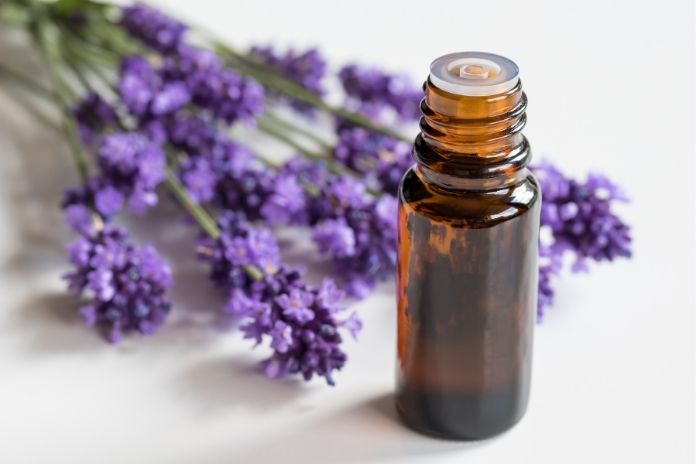
Essential oils are highly concentrated plant extracts that capture a plant’s scent, flavor, and beneficial compounds. Depending on the source, these oils can be extracted from flowers, leaves, bark, seeds, or roots using three primary methods:
Steam Distillation – The most common method, where steam vaporizes plant compounds that are then condensed back into oil. Used for lavender, cinnamon, and basil, among others.
Cold Pressing – Mechanically pressing citrus peels to extract oils without heat or chemicals, preserving fresh aroma and integrity.
Solvent Extraction – Using chemical solvents to extract delicate compounds from flowers like roses and jasmine. The resulting product is sometimes called an “absolute.”
“There are thousands of different plants that can be used to produce different extracts,” says Dr. Susan Rabizadeh, chief of dermatology at Cedars-Sinai.
You’ll find essential oils in perfumes, cosmetics, cleaning products, and food flavorings, prized for both fragrance and potential therapeutic benefits.
The food, flavoring, cosmetics, and tobacco industries have all generated substantial research on essential oils. The taste, mood-altering, and preservation properties of essential oils are what most fascinate them. A number of these businesses have also carried out in-depth studies on the safety and toxicity of essential oils.
Some of this research has been published in cosmetics and plant product publications, but the majority remains proprietary and is not typically accessible to consumers. As our understanding of essential oils expands, these journals are crucial information sources.
What Are Synthetic Fragrances?
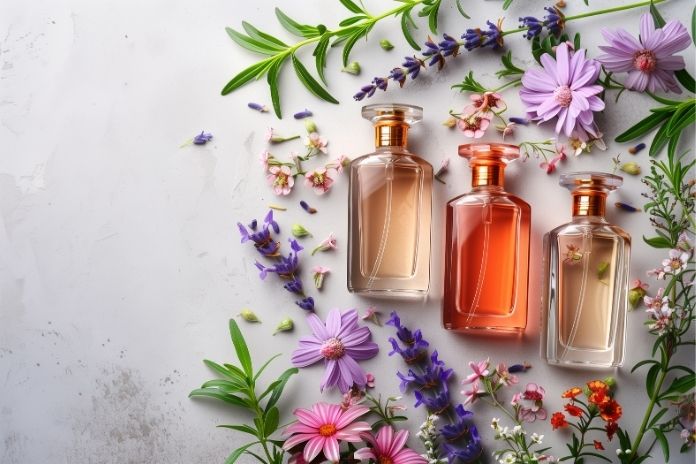
Unlike natural scents, synthetic fragrances are lab-created compounds designed to replicate natural aromas, sometimes so precisely that distinguishing them becomes nearly impossible. Roughly 95% of synthetic fragrance ingredients are derived from petroleum.
One major advantage is sustainability. Rather than harvesting rare flowers or using animal-derived ingredients like musk from deer, synthetic fragrances protect ecosystems and endangered species while reducing strain on natural resources.
You’ll encounter synthetic fragrances in lotions, candles, air fresheners, laundry detergents, soaps, and perfumes. Their affordability and longer-lasting scent profiles make them popular in commercial products.
However, synthetic fragrances come with concerns:
- Unclear labeling – Many products simply list “fragrance” or “parfum” without ingredient specifics
- Health concerns – Some compounds are linked to skin irritation, allergic reactions, hormone disruption, and respiratory issues. Common synthetic allergens include limonene, linalool, benzyl salicylate, and hydroxycitronellal
- Environmental impact – Volatile organic compounds (VOCs) can contribute to air pollution and harm aquatic life
Not all artificial odors are foul; linalool is what gives lavender and many other flowers their flowery scent. Steam distillation of specific essential oils produces many common natural ingredients. Manufacturers create synthetic linalool by making a mirror image of the natural molecule.
Synthetic linalool is an approved ingredient on the International Fragrance Association safe synthetic ingredient list, as determined by the Research Institute for Fragrance Materials.
Synthetic ingredients may be a better choice due to their reduced environmental harm from harvesting and processing, as well as transportation restrictions.
Read More: 6 Invigorating Orange Essential Oils to Uplift Your Mood
Are Essential Oils Actually Safer?
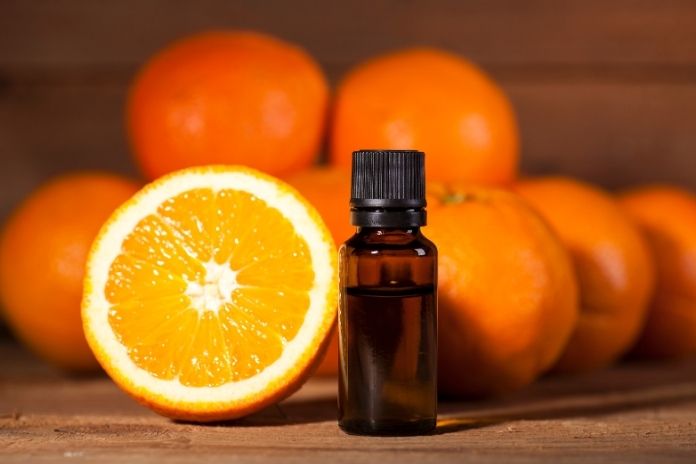
Essential Oils: Natural But Potent
Pros:
- Free of synthetic chemicals
- Sourced from renewable plants
- Potential aromatherapy benefits
Cons:
- Short-lasting (1–2 hours typically)
- Limited scent diversity
- Resource-intensive production
- Can cause serious harm if misused
Critical Safety Considerations:
- Dosage is everything – High concentrations can contribute to tumor growth, liver damage, and severe skin irritation. Always follow dilution guidelines and never apply undiluted oils directly to skin.
- Purity varies – Not all essential oils are 100% pure. Many are diluted with carrier oils or contain synthetic additives. Always read labels carefully.
- Application method matters – An oil safe for inhalation may be dangerous topically. Oils like thyme, oregano, clove, and cinnamon bark can cause burns even at 3–5% concentrations.
- Drug interactions – Essential oils may interact with medications, affecting how drugs are metabolized.
- Phototoxic reactions – Certain citrus essential oils, such as bergamot, lime, lemon, and orange, can cause burns or long-lasting discoloration when applied to the skin and subsequently exposed to sunlight.
However, according to Daniela Niculet, an Essential Oil Specialist and founder of The Oil Stories, only cold-pressed citrus oils pose this risk. Steam-distilled versions are generally not phototoxic, and the reaction typically occurs only above certain dilution thresholds.
Synthetic Fragrances: Consistent But Complex
Pros:
- Longer wear time (6–12 hours)
- A wider variety of scents is possible
- More affordable and accessible
- Consistent performance
Cons:
- Potential toxicity from certain compounds
- Environmental persistence in water and soil
- Common allergen trigger
- Often lack ingredient transparency
“Fragrance is a complex material as it can contain thousands of ingredients,” says cosmetic product developer Ginger King. “Many companies do not disclose what the actual composition is.”
Fragrances can cause irritation, allergic reactions, headaches, and even worse. “Stay away,” says Redondo Beach, CA dermatologist Annie Chiu, MD. “These can cause cancer, asthma, kidney damage, birth defects, nervous system disorders, allergic reactions, and so much more.”
Read More: 14 Beneficial Essential Oils For High Blood Pressure (2 Which Are Not)
Special Considerations for Sensitive Skin
Understanding Your Skin’s Needs
For individuals with eczema, psoriasis, rosacea, or asthma, dermatologists often recommend fragrance-free products entirely, even when fragrance comes from “natural” sources.
“Because fragrances are usually a mixture of numerous chemicals, it is very difficult to hone in on the particular chemical one may be sensitive to,” says Dr. Nina Desai, a board-certified dermatologist in Manhattan Beach.
Fragrance Regulations: A Global Patchwork
It’s important to note that fragrance regulation varies significantly between countries. The European Union requires the disclosure of 42 specific fragrance allergens when present at concentrations above certain thresholds, whereas the United States has less stringent requirements.
This means that a product labeled as “safe” in one country may contain ingredients that are restricted elsewhere.
When to Consult a Dermatologist
- History of skin sensitivity or chronic skin conditions
- Taking medications that might interact with topical products
- Experiencing unexplained skin reactions
- Considering essential oils for therapeutic use
A dermatologist can provide personalized guidance on safe dilution ratios, suitable application methods, and potential interactions with ingredients.
Read More: 9 Essential Oils for Sleep That Drive Insomnia Away
Decoding Product Labels: What to Look For
Understanding Label Language
- Fragrance-free – Contains no added fragrance ingredients, though products may still have a natural scent from base ingredients
- Unscented – May contain masking fragrances to neutralize odors from other ingredients. Unscented does not mean fragrance-free
- Parfum or Fragrance – Can contain dozens to hundreds of undisclosed ingredients
- Natural fragrance – Derived from plant sources, but may still cause reactions
Reading Ingredient Lists
Some naturally occurring fragrance compounds must be listed individually on product labels in the EU when present above 0.001% in leave-on products, due to their potential to cause allergic reactions in sensitive individuals. These include:
- Limonene (citrus scent)
- Linalool (floral, lavender-like)
- Geraniol (rose-like)
- Citronellol (rose, citrus)
- Eugenol (clove, cinnamon)
These compounds are naturally found in many essential oils, such as citrus, lavender, rose, and clove oils.
EU regulations require that they be listed separately when isolated or present above a certain threshold, even if they are part of a natural essential oil blend.
This can sometimes cause confusion. Seeing these names on a label doesn’t necessarily mean the product contains synthetic ingredients or that the essential oils they come from should be avoided.
Rather, it’s a regulatory requirement to help consumers identify potential allergens, especially in sensitive individuals.
For essential oil products, check for:
- Percentage concentration (lower is often safer)
- Carrier oil dilution
- Organic certification
- Batch testing information
- GC/MS Testing
- Latin names listed on labels
Making Your Choice: A Practical Guide
The best fragrance choice depends on your individual needs, skin type, health history, and personal values. Here’s how to decide:
Choose Essential Oils If:
- You prefer plant-based ingredients
- You’re interested in aromatherapy benefits
- You don’t mind reapplying fragrance frequently
- You can invest time in learning proper dilution and safety
Choose Synthetic Fragrances If:
- You want a long-lasting scent
- You prefer consistent performance
- Budget is a primary concern
- You want access to rare or impossible-to-extract scents
Consider Fragrance-Free If:
- You have sensitive skin or respiratory conditions
- You’re pregnant or nursing (hormonal changes can increase sensitivity)
- You prefer to minimize chemical exposure
- You’ve experienced fragrance-related reactions
Safe Testing Protocol
Before using any new fragrance product:
- Patch test – Apply a small amount to the inner wrist or behind the ear
- Wait 24-48 hours – Monitor for redness, itching, or irritation
- Start small – Use minimal amounts initially
- Test one product at a time – Avoid introducing multiple new fragrances simultaneously
Conclusion
Neither synthetic fragrances nor essential oils are universally “safe” or “unsafe.” Both can cause adverse reactions depending on the individual, concentration, and method of use.
The key to safe fragrance use is being informed and cautious. Read labels carefully, start with low concentrations, patch test new products, and consult healthcare professionals when in doubt, especially if you have pre-existing skin or respiratory conditions.
Fragrance is deeply personal. What matters most is finding what works for your body, lifestyle, and values, while prioritizing your health and safety.
Frequently Asked Questions
Q: Are “natural” fragrances always better than synthetic ones?
A: No. Natural doesn’t automatically mean safer. Both essential oils and synthetic fragrances can cause allergic reactions, skin irritation, and other adverse effects. The key is understanding your individual sensitivities and using products appropriately.
Q: How can I tell if a fragrance is causing my skin problems?
A: Stop using all fragranced products for 2-4 weeks and see if symptoms improve. Then reintroduce products one at a time, patch testing each for 48 hours before full use. Keep a diary of products used and any reactions.
Q: Can I be allergic to essential oils?
A: Yes. Essential oils contain the same allergenic compounds found in synthetic fragrances, often in higher concentrations. Common culprits include citrus oils, lavender, and tea tree oil.
Q: What’s the difference between perfume, eau de toilette, and cologne?
A: The difference is fragrance concentration: perfume (15-40%), eau de parfum (8-15%), eau de toilette (4-8%), and cologne (2-5%). Higher concentrations last longer but may increase reaction risk for sensitive individuals.
Q: Are there fragrance-free alternatives that still smell good?
A: Yes! Look for products scented with single essential oils at low concentrations, or try naturally scented options like coconut oil, shea butter, or products with natural vanilla or cocoa scents from food-grade ingredients.

References
- https://cris.msu.edu/news/essential-oils/essential-oils-an-overview/
- https://www.privelabel.com/post/the-quick-guide-to-natural-vs-synthetic-fragrances
- https://www.intechopen.com/chapters/71260
- https://www.takingcharge.csh.umn.edu/are-essential-oils-safe
- https://jintegrativederm.org/doi/10.64550/joid.nt5zgk07
- https://www.cedars-sinai.org/provider/susan-rabizadeh-484208.html
- https://www.gracekingdombeauty.com/about/
- https://lp.puredermatologymb.com/
- https://lifestyle.howstuffworks.com/style/body-scents-fragrances/difference-between-all-natural-and-chemical-based-fragrances.htm
- https://www.thederminstitute.com/
- https://www.takingcharge.csh.umn.edu/what-does-research-say-about-essential-oils
- https://ifrafragrance.org/transparency-list
- https://rifm.org/#gsc.tab=0
In this Article