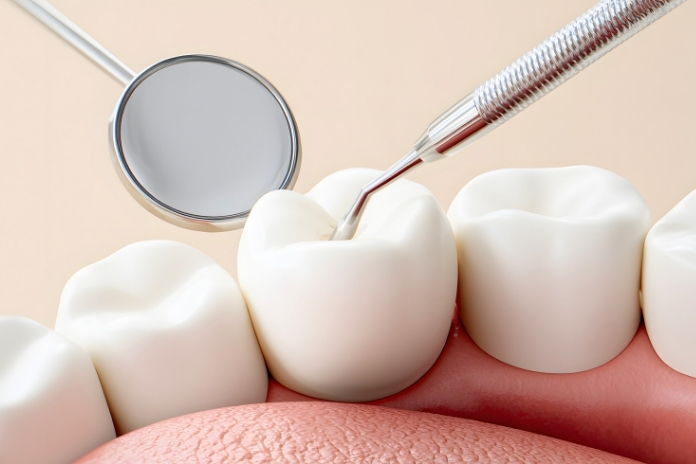











Oral cancer is a serious health concern that often goes unnoticed in its early stages, largely because the early warning signs are subtle and can be mistaken for everyday mouth issues like canker sores or gum irritation. By the time symptoms become more obvious, the cancer may already be advanced, making treatment more complex and outcomes less favorable.
According to the American Cancer Society, an estimated 54,540 new cases of oral cavity and oropharyngeal cancers were expected to be diagnosed in the United States in 2023, with more than 10,000 deaths linked to these diseases.
Certain lifestyle and environmental factors increase risk, most notably tobacco use, heavy alcohol consumption, HPV infection, and excessive sun exposure to the lips. But it’s important to remember that oral cancer can affect anyone, even people without these risk factors.
What makes awareness so critical is that early detection dramatically improves survival rates and quality of life after treatment. Knowing what to look for, persistent mouth sores, unexplained lumps, difficulty swallowing, or voice changes, and seeking timely medical evaluation can literally save lives.
What is Oral Cancer?
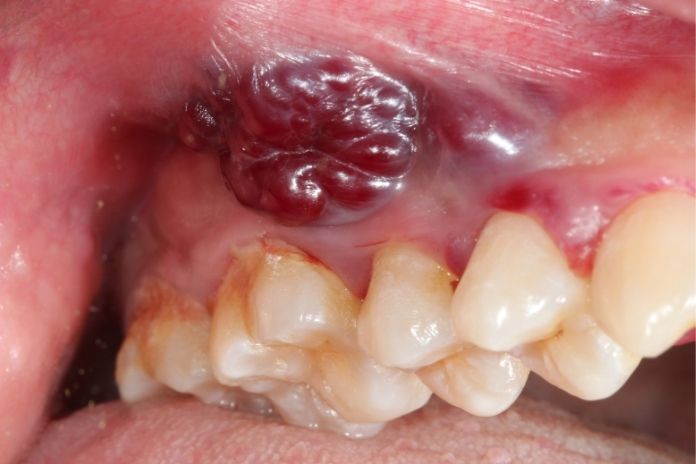
Oral cancer refers to cancers that arise in the tissues of the mouth or throat, including the lips, tongue, gums, cheeks, the floor of the mouth, the hard and soft palate, and even the sinuses. At its core, it is caused by the uncontrolled growth of abnormal cells that can invade surrounding tissue and, if untreated, spread to other parts of the body.
Unlike common mouth problems such as ulcers or infections, oral cancer doesn’t usually heal within a week or two. Lesions or patches caused by oral cancer often persist for weeks, sometimes appearing as red or white spots, thickened areas, or sores that bleed easily.
Because pain is not always present in the early stages, these changes can be overlooked, delaying diagnosis. Recognizing the difference between ordinary mouth irritation and suspicious changes is essential for catching oral cancer early, when treatment is most effective.
Read More: 11 Measures To Prevent Cancer Risk – For the Better World
Why Early Detection Matters

Early detection of oral cancer is vital because it greatly improves treatment outcomes and can reduce the need for aggressive interventions. When oral cancer is identified at an early stage, the five-year survival rate can be as high as 83%, according to the MD Anderson Cancer Center.
In contrast, once the cancer spreads to lymph nodes or distant organs, survival rates drop sharply, and treatment becomes more complex, often involving extensive surgery, radiation, or chemotherapy.
Detecting oral cancer early doesn’t just save lives; it can also preserve function and quality of life, including speech, chewing, and appearance. Regular dental check-ups play a critical role, as dentists are trained to spot subtle changes in the mouth that might go unnoticed by patients.
In addition, self-examinations can help you recognize unusual patches, sores, or lumps early. Being proactive and attentive to your oral health provides the best chance of catching issues before they progress, making timely treatment far more effective.
“Oral cancer detected in its earliest stages is not only more treatable, it often requires less aggressive therapy and allows us to preserve vital functions like speech and swallowing. The five-year survival rate can exceed 80% when we catch it early, but it drops significantly once it spreads. That’s why regular dental exams and patient awareness of changes in the mouth are absolutely critical.” – Ann Gillenwater, M.D., Director of the Oral Cancer Prevention Clinic, MD Anderson Cancer Center.
Risk Factors for Oral Cancer

While anyone can develop oral cancer, certain factors increase the likelihood of its onset. Understanding these risks can help you take preventive measures, make informed lifestyle choices, and recognize when to seek medical attention.
Many risk factors are related to habits, infections, or environmental exposures, while others involve age, gender, or overall oral health. Being aware of these can significantly improve early detection and reduce long-term complications.
Several factors can increase the risk of developing oral cancer:
- Tobacco Use: Smoking or chewing tobacco products significantly raises the risk of oral cancer, contributing to cell damage in the mouth over time.
- Alcohol Consumption: Heavy and prolonged alcohol use is a major risk factor, especially when combined with tobacco use.
- HPV Infection: Human papillomavirus, particularly HPV type 16, is linked to an increased risk of oral and oropharyngeal cancers.
- Age and Gender: Men over 40 are more likely to develop oral cancer, although the disease can occur in anyone.
- Poor Oral Hygiene: Chronic irritation from poor dental care, such as untreated gum disease or persistent sores, may contribute to cancer development.
- Sun Exposure: Excessive sun exposure, particularly to the lips, increases the risk of lip cancer over time.
Understanding these risk factors is crucial because many of them are preventable or manageable. By avoiding tobacco and excessive alcohol, practicing good oral hygiene, protecting your lips from the sun, and staying vigilant for early signs, you can significantly lower your risk of developing oral cancer.
Early Symptoms and Signs of Oral Cancer
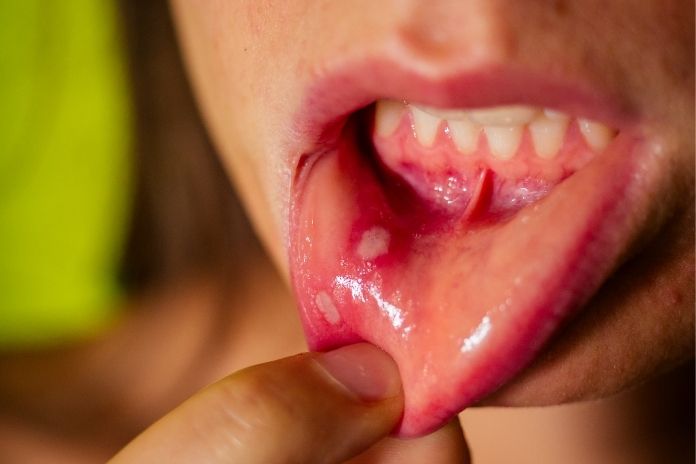
Being attentive to changes in your mouth is critical for detecting oral cancer at an early, more treatable stage. While many of these symptoms can also arise from minor conditions, persistent or unusual changes should never be ignored. Regular self-examinations, combined with routine dental check-ups, can help you identify warning signs early. Key symptoms to watch for include:
- Persistent Mouth Sores or Ulcers: Sores or ulcers that do not heal within two to three weeks may indicate oral cancer. Even if they are painless, persistent lesions should be evaluated promptly.
- Unusual Red or White Patches: White patches (leukoplakia) or red patches (erythroplakia) on the gums, tongue, or lining of the mouth are often precancerous. Any new or persistent patches warrant professional assessment.
- Lumps or Thickened Areas: Any unusual lumps, bumps, or areas of thickened tissue in the mouth, gums, lips, or under the tongue should be examined by a healthcare provider.
- Chronic Sore Throat or Hoarseness: Persistent throat discomfort, difficulty swallowing, or changes in the voice may be early signs of oral or oropharyngeal cancer.
- Pain, Tenderness, or Numbness: Unexplained pain, tenderness, or a tingling/numb sensation in the mouth, lips, or tongue should be taken seriously.
- Loose Teeth or Ill-Fitting Dentures: Teeth that suddenly become loose or dentures that no longer fit properly can be indicative of underlying tissue changes, including cancer.
- Unexplained Bleeding: Bleeding from the gums, tongue, or any oral lesion without an obvious cause should be promptly evaluated.
“As oral and maxillofacial surgeons, we see firsthand how catching oral cancer early makes all the difference; it lets us use less invasive methods, preserve speech and swallowing, and dramatically improve patient survival.” – Dr. J. David Morrison, President of the American Association of Oral and Maxillofacial Surgeons (AAOMS)
Early detection of oral cancer dramatically improves treatment success and survival rates. If you notice any of these signs lasting longer than two weeks, schedule a dental or medical evaluation without delay. Combining self-awareness with regular professional check-ups is the most effective strategy for catching oral cancer before it advances.
Read More: New Technique Finds Earlier Detection Of Mouth And Throat Cancer
When to See a Doctor or Dentist
If you notice any of the warning signs of oral cancer lasting longer than two weeks, it’s crucial to schedule an appointment with a healthcare professional without delay. Persistent sores, unusual patches, lumps, pain, or unexplained bleeding should never be ignored, even if they seem minor or painless at first.
Early evaluation by a dentist or physician allows for prompt diagnosis, which significantly increases the chances of successful treatment and reduces the need for more invasive interventions. Professionals can perform thorough oral examinations, recommend imaging or biopsies if needed, and provide guidance on next steps.
Even if you don’t have obvious symptoms, regular dental check-ups are important for preventive care. Dentists are often the first to detect subtle changes in the mouth that may indicate early-stage oral cancer. Being proactive about oral health, through self-checks and professional visits, gives you the best chance of catching potential problems early, improving outcomes, and protecting long-term oral and overall health.
How Is Oral Cancer Diagnosed?

Diagnosing oral cancer usually involves a combination of physical examination, laboratory tests, and imaging to confirm the presence of cancer and determine its stage. Early detection and accurate diagnosis are critical for guiding effective treatment. The typical steps include:
1. Visual and Physical Examination
A healthcare professional, often a dentist, ENT specialist, or primary care doctor, will carefully inspect the mouth, throat, lips, gums, tongue, and neck for any suspicious lesions, lumps, or patches. They may also palpate the area to check for thickened tissue, lumps, or swelling. This thorough examination helps identify potential problems that are not always noticeable to the patient.
2. Biopsy
If a suspicious area is found, a small tissue sample will be taken for laboratory analysis. A biopsy is the definitive method for diagnosing oral cancer, as it allows pathologists to examine the cells and determine whether they are malignant. Biopsies can be done in-office using local anesthesia and provide critical information about the type and aggressiveness of the cancer.
3. Imaging Tests
Imaging studies such as X-rays, CT scans, MRI, or PET scans may be recommended to assess whether the cancer has spread to nearby tissues, lymph nodes, or distant organs. These tests help doctors stage the cancer accurately, which is essential for planning the most effective treatment approach.
Early and accurate diagnosis dramatically improves the chances of successful treatment. If any suspicious symptoms persist, seeking prompt evaluation from a qualified healthcare professional is essential for timely intervention and better outcomes.
Prevention Tips

While it’s not possible to prevent every case of oral cancer, several lifestyle choices and proactive habits can significantly reduce your risk. Being mindful of these factors, along with regular monitoring, can help protect your oral health over the long term.
- Quit Smoking and Limit Alcohol: Tobacco use, whether smoked or chewed, is one of the leading risk factors for oral cancer. Heavy alcohol consumption further compounds the risk, especially when combined with tobacco. Quitting smoking and moderating or eliminating alcohol intake are among the most effective ways to lower your chances of developing oral cancer.
A study of 10,657 men who underwent oral inspections found that regular habits of smoking, alcohol use, and chewing betel quid were associated with a very high risk of developing oral cancer, odds ratio (OR) ~ 46.9 (95% CI 31.8-69.0).
- HPV Vaccination: Human papillomavirus (HPV), particularly type 16, is strongly linked to oral and oropharyngeal cancers. Vaccination against HPV can help protect against the strains most commonly associated with these cancers, making it a key preventive measure for adolescents and young adults.
Vaccination was shown to reduce the prevalence of oral HPV infections in young adults by about 88% in a study by MD Anderson.
- Good Oral Hygiene: Maintaining proper oral care, regular brushing, flossing, and prompt treatment of dental issues, helps prevent chronic irritation and infections that may contribute to cancer risk. Healthy gums and oral tissues are less likely to develop precancerous changes.
- Healthy Diet: A diet rich in fruits, vegetables, and whole foods provides antioxidants and other nutrients that support cellular health and may reduce cancer risk. Limiting processed foods and excessive sugar also contributes to overall oral and systemic health.
- Regular Dental Check-ups: Routine dental visits allow professionals to identify early warning signs of oral cancer before they become serious. Dentists can detect subtle changes, such as white or red patches, lumps, or sores that persist, and recommend timely follow-up testing or specialist referrals.
Combining healthy lifestyle choices with vigilant self-care and regular professional check-ups offers the best chance to reduce your oral cancer risk and catch any issues early, when treatment is most effective. Prevention is a continuous, proactive process that empowers you to protect your long-term oral and overall health.
The Bottom Line
Oral cancer can develop quietly, often without obvious pain or discomfort in its early stages. That’s why recognizing the warning signs and acting quickly is so critical; early detection can dramatically improve treatment success and long-term outcomes. Regular self-examinations, combined with routine dental check-ups, give you the best chance of spotting suspicious changes before they progress.
If you notice persistent sores, unusual patches, lumps, or other changes in your mouth that do not heal within two weeks, don’t wait; consult a healthcare professional promptly. Taking action early isn’t just about treatment; it’s about preserving your oral health, your overall well-being, and your quality of life.
Raising awareness matters. Share this information with friends, family, and colleagues to help others recognize the importance of early detection and preventive care. For reliable guidance on oral cancer and ways to reduce your risk, visit the American Cancer Society’s website.
Remember: Being proactive about your oral health is one of the most powerful steps you can take to protect yourself and potentially save a life.
References
- https://www.mdanderson.org/cancerwise/oral-cancer-symptoms-by-stage.h00-159699123.html
- https://www.mayoclinic.org/diseases-conditions/mouth-cancer/symptoms-causes/syc-20350997
- https://www.ucsfhealth.org/covid/17-cancer-symptoms-you-shouldnt-ignore
- https://drgirhedental.com/blog/signs-to-look-out-for-mouth-cancer-at-home.php
- https://www.apollo247.com/health-topics/oral-cancer/guide-warning-signs-oral-cavity-cancers
- https://www.nhs.uk/conditions/mouth-cancer/symptoms/
- https://www.moffitt.org/cancers/oral-cavity-mouth-cancer/faqs/six-oral-cancer-symptoms-you-should-not-ignore/
- https://saphaltaincancercare.com/blog/mouth-cancer-symptoms-causes-treatments/
- https://dramitchakraborty.com/blog/signs-of-head-and-neck-cancer
- https://www.hackensackmeridianhealth.org/en/healthu/2024/07/30/cancer-of-the-mouth-what-you-need-to-know
- https://www.smiline.com/why-oral-cancer-is-a-growing-concern-early-signs/
- https://caryfamilydentistry.com/2024/11/29/signs-and-symptoms-of-mouth-cancer/
- https://theneemtree.co.uk/blog/uncategorized/6-overlooked-symptoms-of-mouth-cancer-you-should-never-ignore/
- https://theneemtree.co.uk/blog/uncategorized/6-overlooked-symptoms-of-mouth-cancer-you-should-never-ignore/
- https://www.hoag.org/cancer/early-warning-signs-of-oral-cancer-what-you-need-to-know/
In this Article