














As we age, our digestive system often becomes a little more temperamental. Constipation, acid reflux, bloating, and occasional indigestion tend to show up more frequently, and that’s not just a coincidence.
Over time, the muscles and nerves that coordinate digestion naturally lose some of their strength and responsiveness, while acid production in the stomach may decline. The result? Food moves more slowly, nutrients aren’t absorbed as efficiently, and your digestive comfort can take a hit.
Lifestyle and health factors can amplify the problem. Reduced physical activity, lower water and fiber intake, and the use of certain medications all play a role. Chronic conditions like diabetes, Parkinson’s disease, or thyroid issues can further slow digestion or interfere with the gut’s normal rhythm.
The good news is that small, consistent adjustments, from diet tweaks to gentle exercise, can often make a noticeable difference in easing these age-related digestive challenges.
How Aging Affects Digestion
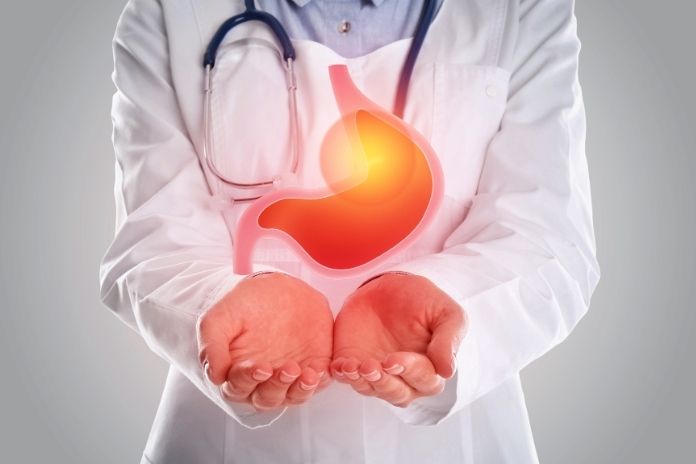
As we grow older, our digestive system naturally changes, and many people start noticing more frequent bloating, constipation, or heartburn. These shifts aren’t just inconvenient; they reflect real physiological changes in the gut, from slower muscle contractions to altered enzyme and acid production.
Even nutrient absorption can decline, making it harder for the body to get what it needs from food. Lifestyle factors, medications, and chronic health conditions often amplify these effects. Understanding how aging affects digestion is the first step to managing discomfort and maintaining gut health well into later life.
- Slower Metabolism: The body’s metabolic rate naturally declines with age, leading to slower digestion and reduced nutrient absorption. This slowdown can result in digestive discomfort and a decreased ability to process certain foods.
- Reduced Stomach Acid Production: Lower levels of stomach acid can impair digestion and increase the risk of infections. This condition, known as hypochlorhydria, can lead to malabsorption of essential nutrients like vitamin B12 and calcium.
- Changes in Gut Motility: The muscles in the gastrointestinal tract may weaken, leading to constipation and bloating. A study publishedin Nutrition Today notes that “the digestive system is quite resilient to the normal aging process,” but comorbidities and other lifestyle factors contribute to most digestive health issues associated with aging.
- Altered Gut Microbiome: The balance of beneficial bacteria in the gut changes with age, potentially leading to digestive issues. Research indicates that the altered gut microbiota of older individuals increases intestinal permeability and activates the immune system, resulting in chronic inflammation, frailty, and morbidity.
As you age, the muscles and nerves in your digestive tract naturally become less active or coordinated, making it harder for food to move along smoothly, said Erica Chung, MD, a gastroenterologist at the Montefiore Health System in Bronx, NY.
“Taking certain medications, such as narcotics or antidepressants, having other health conditions, such as diabetes or Parkinson’s disease, and changing lifestyles, such as being less physically active, eating less fiber, or drinking less water, can also play a role,” Chung said.
Read More: 10 Natural Ways to Restore Your Digestive System
Common Causes of Stomach Pain in Older Adults
As we grow older, stomach pain and digestive discomfort are common complaints, but the reasons behind them often vary. Changes in muscle strength, enzyme production, gut motility, and stomach lining make the digestive system more sensitive and prone to irritation.
Additionally, medications, lifestyle factors, and chronic conditions can worsen these issues. Understanding the common causes of abdominal pain in older adults can help you identify manageable issues, seek timely care, and differentiate between minor discomfort and potentially serious conditions.
A. Indigestion and Acid Reflux
As we age, the lower esophageal sphincter, the muscle that keeps stomach acid from rising into the esophagus, can weaken. This allows acid to flow backward, causing heartburn, a sour taste, and chest discomfort.
Known as gastroesophageal reflux disease (GERD), it becomes increasingly common with age. Chronic reflux can also damage the esophagus lining, so managing symptoms through diet, posture, and medications when needed is important.
B. Constipation and Slowed Gut Transit
Reduced physical activity, certain medications (like opioids or anticholinergics), and lower fiber and fluid intake all contribute to slower bowel movements. This can lead to bloating, cramping, and abdominal pain. Maintaining hydration, increasing dietary fiber, and staying active can help improve gut transit and reduce discomfort.
C. Gallstones
Gallstones form when bile hardens into small stones, often causing sharp pain in the upper right abdomen, especially after fatty meals. The risk increases with age, particularly in women over 40. Symptomatic gallstones may require medical treatment or surgical removal to prevent complications like infection or bile duct obstruction.
According to Medscape, gallstones become more common after age 40, particularly in women. They can cause pain in the upper right abdomen and may require surgical intervention if symptomatic.
D. Gastritis andUlcers
With age, the protective lining of the stomach can thin, increasing vulnerability to inflammation (gastritis) or ulcers. Long-term NSAID use, heavy alcohol consumption, and Helicobacter pylori infection are common contributors. Symptoms can include burning stomach pain, nausea, and indigestion. Proper medical management is essential to prevent bleeding or other complications.
E. Food Intolerances
Enzyme activity can decline with age, making it harder to digest certain foods. Lactose intolerance is particularly common, leading to gas, bloating, cramps, and diarrhea after consuming dairy. Identifying trigger foods and using enzyme supplements or dietary modifications can alleviate symptoms.
F. Serious Conditions
Some abdominal pain may signal more serious conditions such as colon cancer, diverticulitis, or inflammatory bowel disease. Red-flag symptoms include unexplained weight loss, blood in the stool, severe persistent pain, or changes in bowel habits. Timely medical evaluation is critical to rule out or treat these serious issues.
According to the Cleveland Clinic, conditions such as colon cancer, diverticulitis, and inflammatory bowel disease become more prevalent with age. Red-flag symptoms include unexplained weight loss, blood in stool, and severe, persistent pain.
When Stomach Pain Is a Warning Sign
While occasional stomach discomfort can be normal, especially as we age, some symptoms should never be ignored. These “red flags” may signal a serious underlying condition that requires prompt medical attention.
- Sharp or Sudden Pain: Pain that appears abruptly and is intense may indicate conditions such as gallstones, pancreatitis, or a perforated ulcer. Don’t dismiss sudden abdominal pain; it’s often a signal that the body needs urgent care.
- Fever with Abdominal Pain: When stomach pain is accompanied by a fever, it could indicate an infection or inflammation, such as appendicitis, diverticulitis, or a urinary tract infection. Monitoring for fever alongside pain can help distinguish minor issues from more serious ones.
- Vomiting Blood or Black Stools: Blood in vomit or stools is a medical emergency. It could point to gastrointestinal bleeding, ulcers, or more severe conditions that require immediate evaluation.
- Pain Lasting More Than a Few Days: Persistent pain, even if mild, should not be ignored. Chronic discomfort may signal digestive disorders like gastritis, inflammatory bowel disease, or even early warning signs of cancer.
- Significant Changes in Bowel Habits: Sudden or persistent diarrhea, constipation, or alternating patterns in bowel movements could indicate digestive system problems. Any noticeable change from your normal pattern warrants a checkup to rule out conditions such as colon cancer, infections, or malabsorption issues.
Key takeaway: While occasional stomach pain can be harmless, recurring, severe, or unusual symptoms should always prompt a visit to a healthcare professional. Early detection can prevent complications and improve outcomes.
Read More: 7 Warning Signs and Side Effects of Poor Digestion You Shouldn’t Ignore
Tips for Supporting Digestive Health as You Age
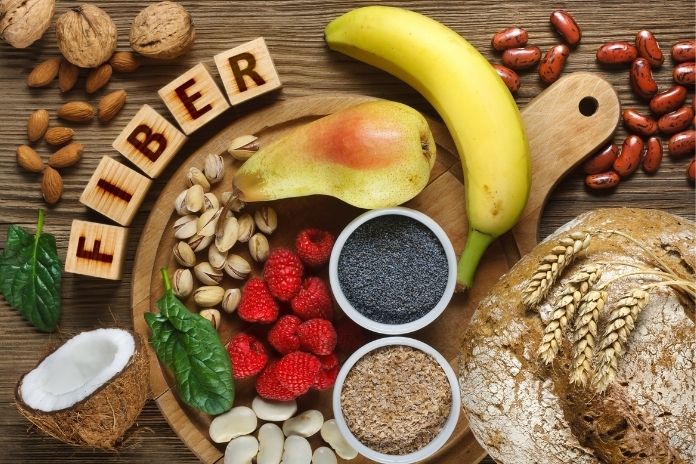
Maintaining a healthy digestive system becomes increasingly important as we grow older. Simple lifestyle and dietary choices can go a long way in keeping your gut functioning smoothly and reducing discomfort. Here’s how:
- Eat a High-Fiber Diet: Incorporate whole grains, fruits, vegetables, and legumes into your meals. Fiber adds bulk to stool and helps move it through the digestive tract, reducing constipation and supporting regular bowel movements. Soluble fiber, found in oats, apples, and beans, also feeds beneficial gut bacteria, supporting overall gut health.
- Stay Hydrated: Adequate water intake is essential for softening stool and preventing constipation. As we age, the sense of thirst can diminish, so it’s important to consciously drink fluids throughout the day. Herbal teas, soups, and water-rich fruits like watermelon can contribute to hydration.
- Regular Exercise: Physical activity stimulates gut motility, improves digestion, and supports overall health. Even moderate exercise, like walking, swimming, or yoga, can reduce bloating, promote regularity, and strengthen abdominal muscles that aid digestion.
- Limit NSAIDs, Alcohol, and Processed Foods: Long-term use of nonsteroidal anti-inflammatory drugs (NSAIDs), excessive alcohol, and highly processed foods can irritate the stomach lining, worsen acid reflux, and disrupt gut microbiota. Moderation and careful management of medications are key to reducing digestive stress.
- Consider Probiotics and Gut-Friendly Foods: Probiotics, found in yogurt, kefir, kimchi, sauerkraut, and other fermented foods, help maintain a healthy balance of gut bacteria. Prebiotic foods like garlic, onions, and asparagus feed beneficial microbes, supporting digestion, reducing inflammation, and potentially enhancing immune function.
Small lifestyle changes can go a long way in easing these digestive problems and keeping your gut healthier over time.
“Don’t forget fiber,” said Subhankar Chakraborty, MD, PhD, a gastroenterologist at the Ohio State University Wexner Medical Center. He recommends eating 25 to 35 grams of fiber per day, from foods such as whole grains, fruits, and vegetables.
He also advises eating smaller, slower meals, exercising most days, drinking plenty of water, and avoiding lying down right after eating.
Read More: Gut Health Hacks: The Best Morning Foods to Kickstart Digestion
Frequently Asked Questions (FAQs)
Q: Is stomach pain normal as you get older?
Mild, occasional stomach discomfort can happen due to natural changes in digestion, such as slower gut motility and reduced stomach acid. However, persistent, severe, or unusual pain is not typical and may signal an underlying issue. Regular monitoring and discussing symptoms with a healthcare professional can help identify problems early.
Q: Can stress worsen stomach problems in seniors?
Yes, chronic stress can significantly impact digestive health. Stress can worsen symptoms like bloating, cramps, or acid reflux and may trigger conditions such as irritable bowel syndrome. Managing stress through exercise, mindfulness, and relaxation techniques can help protect gut health.
Q: Do supplements or medications increase stomach discomfort?
Certain medications and dietary supplements can irritate the stomach lining, slow digestion, or cause side effects such as constipation or heartburn. Examples include NSAIDs, iron, and some painkillers. Always discuss your medications and supplements with a healthcare provider to reduce digestive side effects.
Conclusion
While mild, occasional stomach discomfort can be part of the natural aging process, due to slower digestion, reduced stomach acid, or changes in gut motility, it shouldn’t be dismissed outright. Understanding what’s normal versus what signals a problem is key to maintaining digestive health.
Persistent, severe, or unusual pain may indicate underlying conditions such as acid reflux, gallstones, ulcers, or even more serious issues like colon cancer. Red-flag symptoms, including blood in stool, unexplained weight loss, or prolonged pain, require timely medical attention to prevent complications.
Maintaining gut health through a balanced diet, adequate hydration, regular exercise, and mindful use of medications can make a significant difference. Combined with early medical evaluation when needed, these habits not only ease digestive discomfort but also support overall well-being and quality of life as we age.
References
- https://emedicine.medscape.com/article/776663-overview
- https://www.health.com/gastritis-causes-8722399
- https://www.eatingwell.com/article/7918810/why-you-become-more-sensitive-to-certain-foods-as-you-age/
- https://www.michiganmedicine.org/health-lab/aging-and-digestive-health-6-factors-watch
- https://www.uchicagomedicine.org/forefront/gastrointestinal-articles/2024/january/stress-stomach-pain-when-to-see-a-doctor
- https://www.msdmanuals.com/home/digestive-disorders/biology-of-the-digestive-system/aging-and-the-digestive-system
- https://journals.lww.com/nutritiontodayonline/fulltext/2023/07000/resiliency_of_the_digestive_system_during_aging.6.aspx
- https://pubmed.ncbi.nlm.nih.gov/26560524/
- https://www.uclahealth.org/news/article/how-keep-your-digestive-system-healthy-you-age
- https://www.elitecarehc.com/blog/7-most-common-causes-of-abdominal-pain-in-seniors/
- https://www.mayoclinic.org/symptoms/abdominal-pain/basics/causes/sym-20050728
- https://pmc.ncbi.nlm.nih.gov/articles/PMC4306086/
- https://www.aafp.org/pubs/afp/issues/2006/1101/p1537.html
- https://www.msdmanuals.com/home/digestive-disorders/symptoms-of-digestive-disorders/chronic-abdominal-pain-and-recurring-abdominal-pain
- https://my.clevelandclinic.org/health/symptoms/24530-lower-abdominal-pain
- https://www.nhs.uk/live-well/eat-well/digestive-health/good-foods-to-help-your-digestion/
- https://gi.org/topics/digestive-health-tips/
- https://www.hopkinsmedicine.org/health/wellness-and-prevention/your-digestive-system-5-ways-to-support-gut-health
- https://www.webmd.com/digestive-disorders/ss/slideshow-digestion-tips
In this Article