




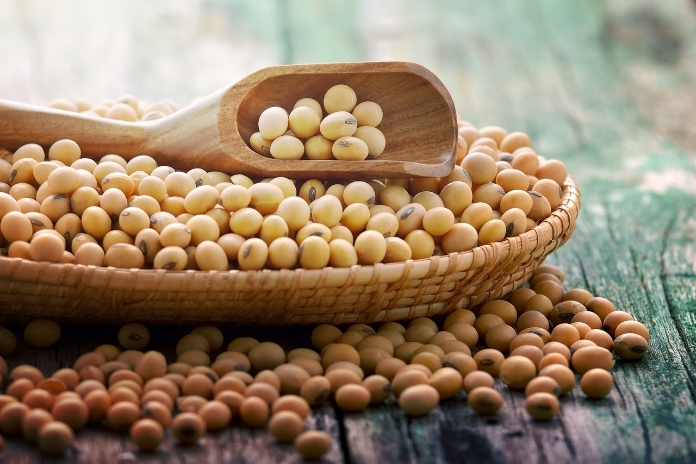
From a comforting glass of soy milk at night to a handful of crunchy edamame on the couch, soy has been branded as the “natural ally” for women in midlife. Wellness blogs, supplement companies, and even dietitians often emphasize it as a plant-based fix for hot flashes, night sweats, mood swings, and those restless nights that come with menopause. The pitch is simple: soy contains plant estrogens, so it should work like a gentler, food-based alternative to hormone therapy.
But here’s the catch: does it actually deliver? Or is it another case of clever marketing wrapped in the glow of “plant-powered” health claims?
The truth is less clear-cut. Some women swear by soy for relief, while others notice no change at all. The science shows mixed results, with effectiveness hinging on details like how your gut bacteria process soy isoflavones, the form you eat it in (whole foods versus supplements), and
To understand where it helps and where it falls short, we need to dig into what research and clinical experience actually reveal.
Quick Take: Soy and Menopause
Soy gets a lot of attention as a “natural” menopause remedy. The science doesn’t call it a miracle cure, but it does show some real, if modest, benefits. Here are the essentials:
What it is: Soy contains isoflavones, plant-based compounds that act like very weak estrogens (phytoestrogens) in the body. They bind to estrogen receptors, though not nearly as strongly as natural estrogen or hormone therapy.
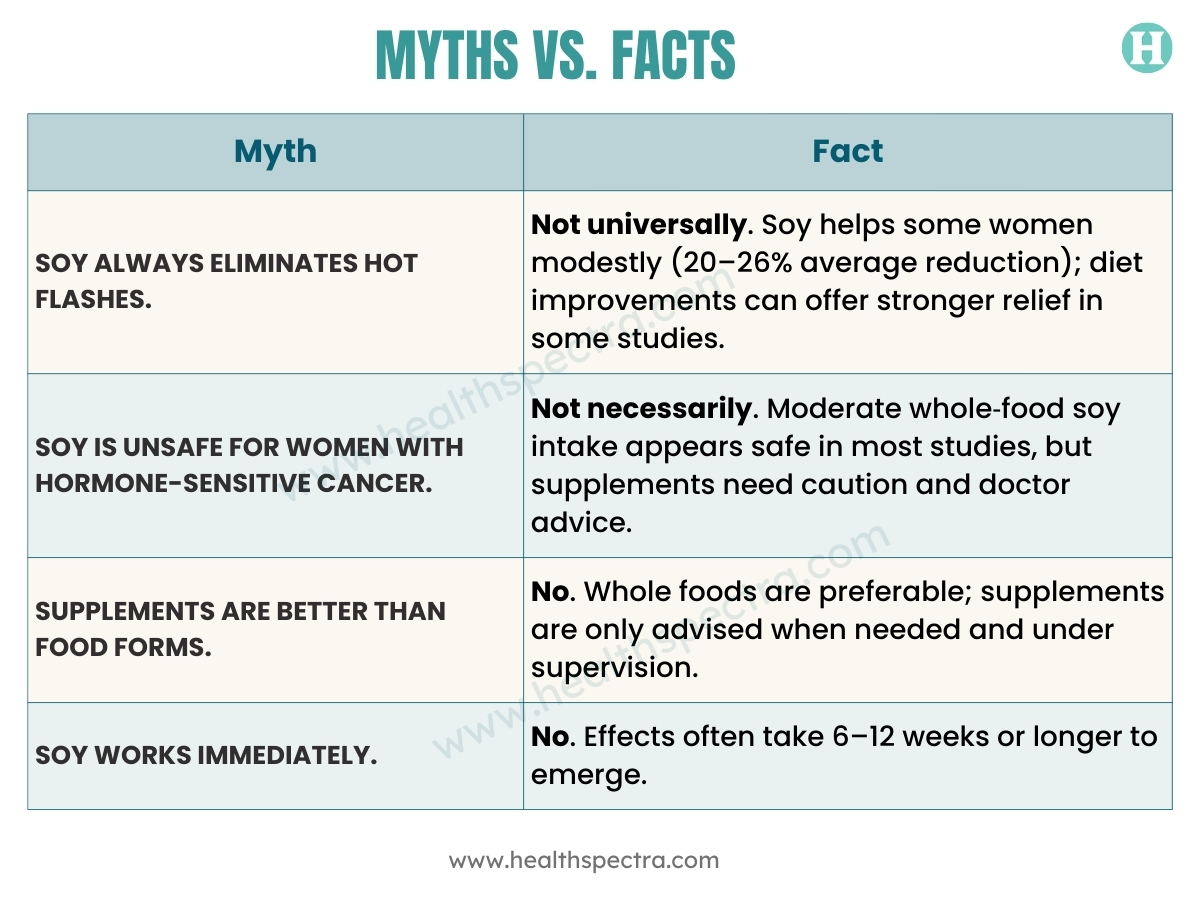
The evidence: Clinical trials and meta-analyses suggest soy can reduce hot flashes and night sweats by about 20–26% in frequency or severity. Relief is real for some women, but the effects are modest compared with standard hormone therapy.
Variation: Not everyone benefits equally. Results depend on:
- Genetics (some women metabolize soy differently).
- Gut microbiome (especially the ability to produce equol, a potent isoflavone metabolite).
- Baseline symptoms (women with more severe hot flashes often report more relief).
- Dosage and form (food vs supplement, consistent intake matters).
Food vs supplement: Whole soy foods, like tofu, tempeh, edamame, and soy milk, are the safest bet. They deliver protein, fiber, and other nutrients alongside isoflavones. High-dose soy supplements can work for some, but they should be used carefully and ideally under medical guidance.
Safety: Soy is generally considered safe for most women. Importantly, large trials show phytoestrogens don’t appear to raise endometrial thickness or disrupt hormone levels. Still, women with a history of estrogen-sensitive cancers (like certain breast cancers) should check with their doctor before adding soy.
Read More: 20 Natural Remedies For Menopause – Fight Away The Symptoms
Why Soy Is Linked to Menopause Relief

Menopause is marked by a steady drop in estrogen levels, and that shift ripples through the body. The result? Hot flashes, night sweats, irritability, trouble sleeping, and a gradual impact on bone density and heart health. Hormone therapy can be effective, but not every woman can or wants to take it, so researchers have looked for gentler, food-based alternatives.
That’s where soy comes in. Soybeans are rich in isoflavones, a class of phytoestrogens (plant-derived compounds that act a bit like estrogen). Isoflavones can bind to estrogen receptors, though they do so far more weakly than the body’s own estrogen. Think of it as a “soft signal” compared to the strong signal of natural hormones. The idea is that this mild activity might be enough to ease symptoms caused by estrogen decline without the risks tied to hormone therapy.
The cultural link added fuel to the research. Women in countries with traditionally high soy consumption, such as Japan and parts of China, report fewer and milder hot flashes compared with Western populations. While lifestyle, genetics, and diet patterns as a whole also play a role, the soy connection was too striking to ignore. This observation helped launch decades of studies into whether soy could be a natural alternative for managing menopausal symptoms.
Read More: What Is Genitourinary Syndrome of Menopause? Early Signs and Relief Options
What the Research Says

Soy’s role in menopause has been studied for decades, with the most attention on hot flashes and night sweats, but also on bone and heart health. The takeaway: soy shows benefits for some women, but results are inconsistent.
a) Hot Flashes and Night Sweats
This is the area where soy has been tested the most.
A large review of clinical trials found that soy isoflavone supplements reduced hot flash frequency by about 20% and severity by around 26%. That means if you were experiencing five hot flashes a day, soy might bring that down to four, not life-changing, but meaningful for some women.
More recently, a study combining a low-fat, plant-based diet with half a cup of cooked soybeans daily showed much stronger effects. Within 12 weeks, moderate-to-severe hot flashes dropped by more than 80%, and nearly 60% of women reported being free of them entirely. Researchers believe the combination of diet and whole soy foods made the difference.
Still, earlier trials using isolated supplements often found little or no effect. A 2003 study published in JAMA comparing isoflavone supplements (Promensil, Rimostil) to a placebo found only slight, non-clinically important reductions in hot flash frequency and no significant improvement in menopause-related quality of life.
Takeaway: Whole soy foods within a healthy diet appear more effective than soy pills alone, but results vary.
b) Bone Health
As estrogen levels fall, bone loss accelerates. Soy isoflavones have been tested as a gentler alternative to hormone therapy. Some long-term studies suggest they can slow bone loss in early postmenopause, but findings are inconsistent. A few trials show modest benefits for bone density, while others show little effect.
Takeaway: Soy may help preserve bone strength, but it shouldn’t be relied on as the main prevention strategy for osteoporosis.
c) Heart Health
Menopause increases cardiovascular risk, and soy seems to help most through its protein rather than its isoflavones. Eating soy protein has been shown to modestly lower LDL cholesterol, especially when whole foods like tofu, soy milk, and edamame are part of the diet. Results are less consistent when isolated protein powders or extracts are used.
Takeaway: Soy protein can support heart health, but only as part of a broader dietary pattern.
d) Limitations of the Research
Why the mixed results? Several reasons:
- Studies differ in dose, form (foods vs supplements), duration, and participant background.
- Placebo effects are large in menopause research, with women in placebo groups often reporting noticeable relief.
- Most studies last only a few months, so we know less about long-term outcomes.
Overall picture: Soy can ease menopause symptoms for some women, particularly hot flashes, but it isn’t a guaranteed fix. Whole soy foods seem to deliver the most consistent benefits, while supplements alone are less reliable.
Soy Foods vs. Soy Supplements
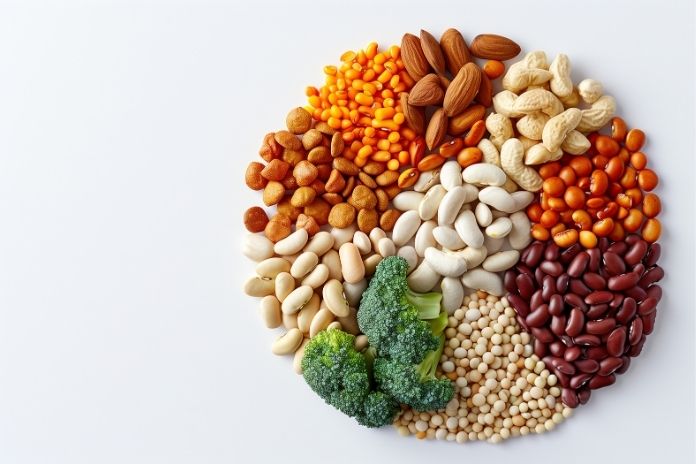
When it comes to soy for menopause, the form matters. Most studies distinguish between whole soy foods, like tofu, soy milk, edamame, and tempeh, and concentrated supplements that deliver isolated isoflavones in capsule or powder form. Both have their place, but they’re not equal in safety, consistency, or overall health impact.
Whole Soy Foods
Pros
- Offer more than just isoflavones: you also get protein, fiber, healthy fats, and, in fortified products, calcium and vitamins.
- Well tolerated and safe in typical dietary amounts (about 1–2 servings per day).
- Less risk of accidentally consuming very high phytoestrogen levels.
Cons
- Isoflavone levels vary by food type and preparation. A cup of soy milk may have very different amounts compared to a block of tofu.
- Harder to achieve the consistent, clinical trial-level doses that supplements provide.
Bottom line: Whole soy foods deliver broad nutrition and are considered the safest way to include soy in the diet.
Soy Supplements
Pros
- Provide controlled, measurable doses of isoflavones, making it easier to mimic clinical trial conditions.
- Certain formulations (especially those higher in genistein, one of the main isoflavones) have shown greater efficacy in reducing vasomotor symptoms in some studies.
Cons
- Quality control is uneven; supplements can be mislabeled or contaminated.
- High doses may pose theoretical risks, particularly for women with a history of hormone-sensitive cancers, even though most data so far suggest they are generally safe.
- Regulatory oversight of supplements is weaker than for foods or prescription drugs, so reliability varies by brand.
Dr. Claude Lebernian Hughes, MD, an OB-GYN at Duke, offers a balanced take: “Soy has gained prominence in recent years as a rich source of isoflavones, an estrogen-like substance found in plants that produces many of the same effects, though more weakly than human estrogen does. Whole soy foods such as tofu, soy milk and edamame are preferable to more highly processed products. While soy can help decrease some menopausal symptoms, even natural products may not be risk-free and should be taken in moderate amounts.”
Bottom line: Supplements can deliver precise doses but carry more uncertainty. If used, they should be chosen from verified brands, at doses studied in clinical trials, and ideally under medical supervision.
What Doctors Say
Doctors and researchers don’t all agree on soy, but there’s a growing consensus: soy can help some women, especially with mild to moderate menopause symptoms, but it’s not a replacement for hormone therapy in severe cases. Here’s how the medical community frames it.
The Power of Diet
Dr. Neal Barnard, MD, who led a recent dietary intervention study, stresses that soy works best when it’s part of a broader eating pattern: “This study shows the effectiveness of a dietary intervention for menopausal symptoms.”
In his trial, women following a low-fat plant-based diet with daily soybeans saw dramatic reductions in hot flashes, underscoring that food context matters just as much as the soy itself.
Clinical Consensus
Professional panels reviewing the evidence describe soy isoflavones as a reasonable first-line option for women with mild to moderate hot flashes. They emphasize that while soy won’t match the potency of hormone replacement therapy (HRT), it offers a gentler, lower-risk alternative for women who either cannot or do not want to use hormones.
Systematic reviews highlight that dose and composition matter. Isoflavone supplements providing more than 18.8 mg of genistein, the most active isoflavone, were roughly twice as effective at reducing hot flash frequency as supplements with lower genistein levels. This helps explain why results across studies can look so different.
Safety Profile
One of the biggest concerns about soy is whether its estrogen-like compounds could stimulate hormone-sensitive tissues. A recent meta-analysis involving over 3,200 postmenopausal women found no adverse effects of soy isoflavones on endometrial thickness, vaginal health, or circulating hormone levels. In other words, the evidence to date suggests soy does not behave like full-strength estrogen in the body.
Doctors generally agree that whole-food soy is safe for most women. The caveat: women with a history of breast, ovarian, or uterine cancers should speak with their oncologist before taking concentrated isoflavone supplements. Moderate intake from foods, like tofu, soy milk, or edamame, appears safe in most cases, but individual medical guidance is crucial.
The Bottom Line from Experts
- Whole soy foods are a safe, nutrient-rich option that may ease symptoms.
- Supplements can be effective, but only at certain doses and with careful product selection.
- Soy is not a substitute for HRT in severe menopause, but it can be part of a broader relief strategy.
- Medical consultation is essential for women with cancer histories or complex health backgrounds.
How to Add Soy Safely to Your Diet
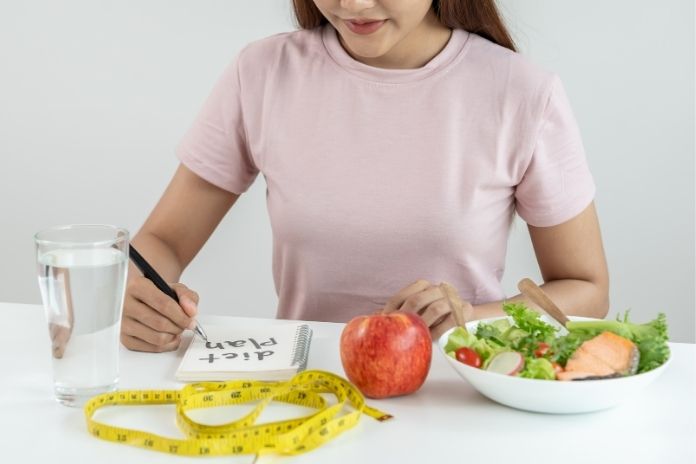
If you want to try soy for menopause relief, food is the safest starting point. Experts generally recommend 1–2 servings of whole soy foods per day, which fits easily into most diets and comes with added nutrients beyond isoflavones.
Everyday Serving Ideas
- ½ cup cooked edamame or soybeans, snack on them plain or sprinkle with sea salt.
- 100–150 ml soy milk, pour into coffee, blend into smoothies, or add to breakfast cereal.
- ½ cup tofu (about 100 g), pan-fry, stir-fry, or cube into soups.
- A few slices of tempeh or soy-based meat alternative, grill, bake, or add to sandwiches.
Consistency matters: regular intake over weeks is more effective than occasional servings.
Pair with a Menopause-Friendly Diet
Soy works best as part of a nutrient-rich eating pattern that supports overall health during menopause. Focus on:
- Plenty of fruits, vegetables, whole grains, and legumes for fiber and antioxidants
- Calcium and vitamin D sources (fortified soy milk, leafy greens, or supplements if needed) to protect bones.
- Healthy fats like olive oil, nuts, flaxseed, or fatty fish support heart health.
- Lower saturated fat intake to balance cholesterol levels.
If You’re Considering Supplements
- Choose products that list standardized amounts of isoflavones, with genistein above 18.8 mg/day if possible.
- Stay within the doses commonly used in clinical studies, typically 40–60 mg/day of isoflavones.
- Avoid high-dose or unregulated products, and never start supplements without talking to a healthcare provider, especially if you have a history of hormone-sensitive cancers.
Set Realistic Expectations
Soy isn’t a quick fix. Benefits usually begin after 6–12 weeks of consistent use, and improvements are often modest rather than dramatic. Think of soy as one piece of a larger lifestyle approach rather than a stand-alone cure.
 Conclusion
So, does soy actually help with menopause symptoms? The evidence says yes, but it’s not a magic fix. Whole soy foods like tofu, soy milk, and edamame can bring modest but real relief, especially for hot flashes, with studies showing about a 20% drop in frequency and a 25% drop in severity. For many women, even that small shift makes daily life more comfortable.
The strongest results happen when soy isn’t working alone. Diets rich in plants, low in saturated fat, and supported with calcium and vitamin D have shown dramatic improvements. In some studies, hot flashes dropped by over 80% when soy foods were part of a bigger lifestyle change. This suggests soy is most effective as one piece of a broader menopause-friendly diet, not just as a supplement or capsule.
Safety is generally excellent with 1–2 servings of whole soy per day, while supplements should only be used under medical guidance. The takeaway is simple: for mild to moderate symptoms, soy is a safe, practical first step. For severe or persistent symptoms, it can be a helpful addition, but medical therapies, including hormone replacement, should also be considered with a qualified doctor.
References
- https://pmc.ncbi.nlm.nih.gov/articles/PMC2981010/
- https://pmc.ncbi.nlm.nih.gov/articles/PMC2891137/
- https://www.webmd.com/vitamins/ai/ingredientmono-975/soy
- https://jamanetwork.com/journals/jamainternalmedicine/fullarticle/1106084
- https://www.betterhealth.vic.gov.au/health/healthyliving/soybeans
- https://sniglobal.org/the-new-menopause-hormone-therapy-and-the-role-of-soy-foods/
- https://www.opensciencepublications.com/fulltextarticles/IJG-02-104.html
- https://www.medicalnewstoday.com/articles/317765
- https://www.mdpi.com/2072-6643/11/11/2649
- https://www.hopkinsmedicine.org/health/conditions-and-diseases/introduction-to-menopause
- https://www.mayoclinic.org/diseases-conditions/menopause/diagnosis-treatment/drc-20353401
- https://www.medanta.org/patient-education-blog/10-things-women-should-know-about-menopause
- https://www.everydayhealth.com/menopause-pictures/how-diet-can-cause-and-improve-symptoms-of-menopause.aspx
- https://www.templehealth.org/about/blog/5-facts-about-menopause
- https://www.jeanhailes.org.au/health-a-z/menopause/about-menopause
- https://health.clevelandclinic.org/menopause-diet
- https://www.pcrm.org/clinical-research/fighting-hot-flashes-with-diet
- https://zoe.com/learn/isoflavones
In this Article