













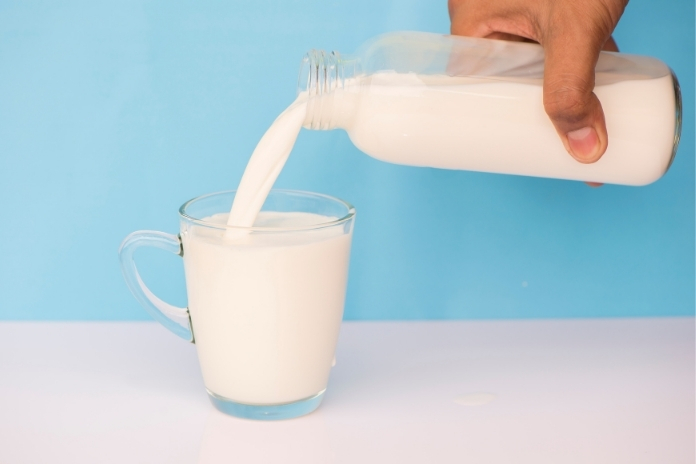
When you think of hydration, water’s the default answer. It’s simple, clean, calorie-free, and essential for life. No debate there. But here’s where it gets interesting: some research suggests that milk might actually hydrate you better than water.
At first glance, that sounds ridiculous. Milk is creamy, dense, and nutrient-rich, not exactly what you crave after a hot day or an intense workout. It’s more likely to be poured over cereal than guzzled down after a run. But science says we may have underestimated it.
Studies comparing hydration levels across different drinks have found that milk, especially semi-skimmed or whole milk, sticks around in your system longer. It hydrates more slowly but more sustainably, thanks to its unique mix of natural electrolytes, protein, and fat. The result? Less frequent trips to the bathroom and more fluid retained over time.
So, should you ditch your water bottle and start carrying milk instead? Not necessarily. But if you’re serious about rehydration, after sports, long days outdoors, or even as part of recovery, there’s a case to be made for keeping milk in the conversation.
Let’s break down why milk holds water so well, when it actually makes sense to choose it, and where it doesn’t fit.
What Does It Mean to “Hydrate”?

Hydration isn’t just about drinking more liquid. It’s about keeping the right balance of fluids and electrolytes in your body so your cells, organs, and systems can function properly. Every time you sweat, breathe, go to the bathroom, or even just sleep, you’re losing water. Your body is in a constant cycle of losing and replacing fluids.
So when we talk about “hydrating,” we’re really talking about replacing what’s lost and helping your body hold onto it. That means not just water, but also key minerals like sodium, potassium, magnesium, and calcium that regulate muscle function, nerve signals, and fluid retention.
Here’s where it gets interesting: hydration isn’t just about how much you drink, it’s about:
- How efficiently does your body absorb the fluid?
- How long does that fluid stay in your system before being flushed out?
- Whether the drink replaces lost electrolytes or just dilutes them further.
So yes, water is essential. But a drink that includes a balanced mix of nutrients and slows down fluid loss can actually be more effective at keeping you hydrated over time. That’s where milk enters the picture, not as a water replacement, but as a surprising hydration contender.
Read More: Hydration Infusions: Creative Ways to Enhance Your Water Intake
The Science: What Research Says About Milk and Hydration

Back in 2016, researchers at St. Andrews University in Scotland set out to answer a simple question: which drinks actually keep you hydrated the longest? To find out, they tested 13 common beverages and created something called the Beverage Hydration Index (BHI), a ranking system based on how much fluid remains in your body after two hours.
The surprise? Both skim milk and full-fat milk ranked higher than plain water. Not only that, but milk also beats out sports drinks, electrolyte solutions, and even oral rehydration drinks used in medical settings.
Why? It comes down to a few key things:
- Milk empties from the stomach more slowly than water, thanks to its thicker texture and nutrient content.
- It contains natural electrolytes like sodium and potassium, which help the body retain fluid.
- Its mix of protein, carbohydrates, and fat slows absorption and supports better water retention.
In short, milk doesn’t just rush through your system; it lingers. That means less fluid loss through urine and a more stable internal hydration level over time.
So while water is great for quick thirst relief, milk may do a better job at keeping you hydrated longer, especially in situations where endurance matters.
Why Milk May Be More Hydrating Than Water
So why does milk outperform water when it comes to hydration? It comes down to how the body absorbs and holds onto fluid, not just how much you drink.
Electrolytes Matter
Milk isn’t just liquid; it’s loaded with sodium, potassium, calcium, and magnesium. These electrolytes help regulate how fluids move in and out of your cells. Sodium, in particular, plays a critical role in preventing your body from flushing out water too quickly. That alone makes milk a strong contender for lasting hydration.
It Slows Fluid Loss
Water moves through your stomach and into your system fast, great for quick thirst, but not for staying power. Milk, on the other hand, contains protein and fat, which naturally slows down digestion. That means fluids are released more gradually, giving your body more time to absorb and retain them.
Protein + Carbohydrates = Recovery Fuel
Beyond hydration, milk offers real nutrition. It contains a mix of high-quality protein and natural sugars (lactose), which makes it a great post-exercise option. You’re not just replacing fluid, you’re replenishing muscles, stabilizing blood sugar, and kickstarting recovery.
In short, while water hydrates quickly, milk hydrates more effectively and comes with nutritional perks that plain water simply can’t match.
Dr. Ronald J. Maughan, PhD, Professor of Sports and Exercise Nutrition at Loughborough University, emphasizes that “Milk is more hydrating than water over the long term because it contains key electrolytes like sodium and potassium, as well as macronutrients like protein and carbohydrates that slow gastric emptying. This allows the body to retain fluid more effectively.”
Read More: 23 Foods With Electrolytes You Must Include In Your Diet TODAY
Milk vs. Water vs. Sports Drinks: A Quick Comparison
Not all hydration is created equal. Depending on the situation, everyday activity, intense workouts, or recovery, your body’s needs shift. Here’s how the top contenders stack up:
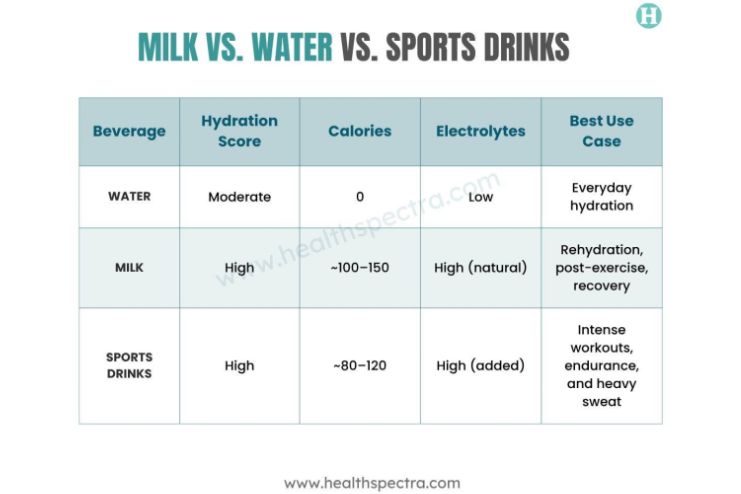 Water is your daily driver: zero calories, easy on the body, and always a good choice for regular hydration. But it flushes through quickly, and if you’re losing a lot of fluid or electrolytes, it may not be enough.
Milk delivers long-lasting hydration and a nutrient boost, especially helpful after a workout or illness. It’s slower to digest, but that’s what makes it effective.
Sports drinks do the job too, especially during prolonged or high-intensity exercise, but they come with added sugars, dyes, and flavorings that aren’t always necessary.
Bottom line? Stick with water most of the time, but when your body needs extra recovery or staying power, milk might actually be the smarter sip.
When Milk Might Be a Better Choice

While water is the everyday go-to, there are moments when milk pulls ahead. Thanks to its nutrient profile and slower absorption, milk can offer more sustained hydration, plus a few added benefits.
1. Post-Exercise Recovery
After a workout, you’re not just sweating out water; you’re also losing electrolytes and putting stress on your muscles. Milk helps with all three: it hydrates, replenishes sodium and potassium, and provides high-quality protein for muscle repair. That’s why chocolate milk, despite the sugar, is often backed by sports science as a solid post-workout recovery drink.
2. After Illness or Dehydration
If you’ve had a fever, diarrhea, or vomiting, you’ve lost more than fluids; you’ve lost salts too. Milk steps in with hydration, electrolytes, and mild calories, making it a gentle and effective recovery option, especially if your stomach can’t handle heavier foods just yet.
3. For Children and Older Adults
Kids can burn through fluids fast, especially during activity. Milk offers hydration and nutrition in one glass. For older adults, who may forget to hydrate or have trouble retaining fluids, milk’s slower absorption helps keep hydration levels more stable over time.
4. For People Prone to Dehydration
Whether it’s due to a busy schedule, certain medications, or health conditions, some people simply don’t drink enough water. If that’s you, adding milk to your routine, even just once a day, might help maintain better overall fluid balance.
Downsides and Limitations of Using Milk for Hydration
Milk has its strengths, but it’s definitely not a one-size-fits-all hydration fix. In some cases, it’s inconvenient, or even counterproductive.
1. Not for Everyone
Let’s start with the obvious: not everyone can tolerate milk. Lactose intolerance affects a large percentage of adults worldwide, causing bloating, cramping, or digestive distress. Dairy allergies, though less common, are even more serious. For these individuals, milk isn’t just ineffective, it’s off-limits.
2. Calories Count
Hydration should ideally come without a calorie load. A glass of whole milk contains around 150 calories, while even reduced-fat options hover near 100. If you’re drinking it regularly throughout the day to “stay hydrated,” those calories can quietly pile up, especially if you’re not offsetting them with physical activity.
3. Impractical for Active Settings
You’re not going to reach for milk mid-run or on a hot summer hike. It’s not refreshing during intense activity, and it spoils quickly without refrigeration. Water and sports drinks are simply more portable, palatable, and practical when you’re on the move.
4. Watch the Sugar Content
Flavored milk, chocolate, strawberry, and vanilla can contain 10 to 20 grams of added sugar per serving. While they’re fine as an occasional recovery drink, they’re not ideal as your main hydration source, especially if consumed daily.
In short, milk has its place, but it’s not a replacement for water in every situation.
What About Plant-Based Milk Alternatives?
With more people leaning into dairy-free lifestyles, plant-based milks, like almond, oat, soy, and coconut, are everywhere. But if you’re thinking about them as a hydration tool, it’s worth managing your expectations.
Short answer: They’re not as hydrating as dairy milk. Why? Most of them are low in protein and electrolytes, which are key to slowing fluid loss and improving water retention in the body. That means while they can hydrate, they don’t stick around in your system quite the same way.
Here’s a quick breakdown:
- Almond Milk– Low in calories, protein, and electrolytes. Very light and refreshing, but not ideal for rehydration.
- Oat Milk– Slightly higher in carbs, which helps a bit, but still lacks protein and natural salts. A better option than almond, but still limited.
- Soy Milk– The closest match to dairy milk in terms of protein. Fortified versions often include calcium and potassium, making it the best plant-based hydration alternative.
- Coconut Milk– It contains some potassium, but it’s high in fat and low in protein. It doesn’t slow fluid loss the same way as dairy.
If you’re drinking plant-based milk for ethical or health reasons, stick with fortified varieties. Just know that when it comes to hydration, they’re still more a “beverage” than a “recovery tool.” Think of them as part of your routine, not your hydration plan.
Should You Replace Water With Milk for Hydration?

Let’s get one thing straight: no, milk is not a substitute for water, and it shouldn’t be treated like one. Water is still the foundation. It’s calorie-free, widely available, and perfectly suited for daily hydration. Whether you’re sitting at your desk, walking the dog, or getting through a workout, water supports every metabolic process without adding anything extra your body doesn’t need.
But in certain situations, milk can do what water can’t. After exercise, during recovery from illness, or in moments where you need hydration and nutrition, milk steps up. It offers electrolytes, slows fluid loss, and adds valuable protein and calories to help your body recover and rebuild.
So, no, don’t ditch your water bottle. But do recognize when milk might actually serve you better. Use it strategically, not as your default. Think of milk as a hydration booster, something you bring in when your body needs more than just liquid.
How to Choose the Right Hydration Strategy for You
Hydration isn’t one-size-fits-all. What works for a long-distance runner won’t be the same for someone sitting at a desk all day. So instead of asking, “Is milk better than water?”, a better question is: What does my body need right now?
Start by considering your activity level. If you’re casually active and eating a balanced diet, water will meet most of your hydration needs just fine. But if you’ve just done an intense workout, or you’re recovering from dehydration, your body might benefit from a drink that helps retain fluid and offers extra nutrients, like milk or a smartly formulated sports drink.
Time of the day also matters. For example, starting your morning with water is smart after a long night without fluids. But a glass of milk with breakfast might help extend hydration longer, especially if your meal is light or delayed. After evening workouts, milk can double as a recovery tool and a pre-bedtime snack that supports muscle repair.
Don’t forget to factor in climate and health conditions. Hot and humid weather increases sweat loss, and so do certain medications or illnesses. If you’re losing more fluid than usual, drinking only water may not be enough. In those cases, choosing fluids that contain electrolytes and a little protein, whether it’s milk, a fortified plant-based drink, or an oral rehydration solution, can make a noticeable difference.
In short, your hydration strategy should flex with your body’s needs, not just follow habits. Water is essential, but smarter hydration comes from knowing when to go beyond it.
Final Takeaway
Milk isn’t the first drink most of us reach for when we’re thirsty, and honestly, it doesn’t need to be. For everyday hydration, nothing beats water. It’s clean, calorie-free, and always available. But hydration isn’t just about what quenches your thirst fastest; it’s about what helps your body retain fluid and recover effectively, especially after stress, exercise, or illness.
That’s where milk earns its spot. Thanks to its natural mix of electrolytes, protein, and carbs, it sticks around longer in your system than water. It hydrates while also offering nutritional benefits that support muscle recovery and energy balance. In the right context, post-workout, after dehydration, or for people who struggle with fluid retention, it can be a smart, science-backed choice.
Still, milk isn’t for everyone. From lactose intolerance to the practicality of drinking milk on the go, there are real limitations. And plant-based alternatives, while a good option for many, don’t quite measure up in terms of hydration power, unless they’re fortified and strategically chosen.
The takeaway? Keep water as your foundation, but don’t ignore the benefits of milk when your body needs more than basic hydration. Use it intentionally. Understand when it helps, when it doesn’t, and how it fits into a bigger picture of hydration that’s about more than just drinking; it’s about absorbing, retaining, and recovering.
References
- https://www.health.harvard.edu/blog/when-replenishing-fluids-does-milk-beat-water-202211142849
- https://www.eatingwell.com/hydration-benefits-milk-11775549
- https://pmc.ncbi.nlm.nih.gov/articles/PMC5122229/
- https://www.sciencedirect.com/science/article/abs/pii/S0958694621003241
- https://www.aol.com/milk-might-actually-more-hydrating-160000611.html
- https://gonnaneedmilk.com/hydration/
- https://timesofindia.indiatimes.com/life-style/health-fitness/diet/study-claims-milk-is-more-hydrating-than-water/articleshow/100205780.cms
- https://nutritionandmetabolism.biomedcentral.com/articles/10.1186/s12986-020-00527-y
- https://www.quora.com/What-are-the-disadvantages-of-adding-water-to-milk
- https://www.healthline.com/nutrition/is-dairy-bad-or-good
- https://www.webmd.com/diet/health-benefits-milk
- https://milk.co.uk/blog/milk-and-nutritious-hydration/
- https://www.pcrm.org/good-nutrition/nutrition-information/health-concerns-about-dairy
- https://www.mysportscience.com/post/the-pros-cons-and-myths-of-milk
In this Article