












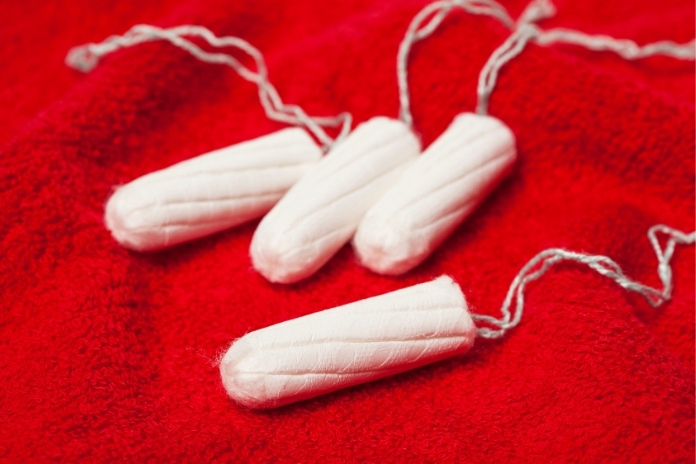
Short answer up front: No, there’s no solid scientific evidence that using tampons causes infertility. The viral posts and alarming headlines linking tampons to endometriosis, PCOS, or long-term fertility problems stretch the facts far beyond what research supports. Tampons have been safely used by millions of people for decades, and while they are regulated as medical devices, most studies have found them to be safe when used correctly.
That said, new findings, like trace amounts of metals or chemicals detected in certain tampon brands, have sparked important questions about product safety and transparency. Regulators and independent scientists are now taking a closer look at what’s in menstrual products and how consistent manufacturing standards really are.
So, while the “tampons cause infertility” claim doesn’t hold up to science, it’s still worth understanding where that myth came from, what research actually shows about tampon safety, and in what rare situations tampon use could pose health risks. Let’s break down the facts, with medical expert insights, real studies, and context, so you can make informed choices about your body with confidence.
Where the Myth Comes From

The fear that tampons could cause infertility didn’t appear out of nowhere; it’s a mix of long-standing cultural taboos, historical health scares, and new research taken out of context. Understanding where these ideas originated helps separate genuine safety questions from internet-fueled panic.
1. Cultural and sexual myths
For decades, tampons have been tangled up with misconceptions about virginity and reproductive harm. Some believe tampon use can “break” the hymen or damage internal organs, but that’s not anatomically possible. As the Mayo Clinic notes, tampons stay in the vaginal canal and don’t reach the uterus, ovaries, or fallopian tubes. They can’t interfere with fertility or sexual health.
2. Chemical and infection scares
Health concerns began after Toxic Shock Syndrome (TSS) cases in the 1980s, when certain high-absorbency tampons were linked to bacterial infections. Although rare now, that episode left a lasting fear around tampon safety. Later, online claims about asbestos, dioxins, and “hidden toxins” reignited the suspicion, despite repeated scientific debunking.
In 2024, a small study detecting trace metals like lead and arsenic in some tampon brands went viral. The headlines jumped straight to infertility claims, even though the researchers themselves clarified that their findings didn’t prove harm, only that more safety studies are needed.
In short, cultural myths and sensationalized science created the perfect storm for misinformation. The evidence just doesn’t back it up.
Read More: Fertility Myths Women Still Believe (and What Science Actually Says)
Medical Facts About Tampons and How They Work
A tampon is an absorbent plug placed in the vagina to collect menstrual blood. Anatomically, the vagina is separate from the uterus and ovaries; a tampon cannot “push” period blood backward into the tubes or ovaries.
FDA-regulated tampons are made of cotton, rayon, or blends, and are evaluated for safety before marketing. The FDA also publishes consumer guidance: use the lowest absorbency needed, change tampons every 4–8 hours, and follow package instructions.
Crucially, no high-quality human study has established a causal link between tampon use and reduced fertility. Reviews of menstrual-product contaminants note that chemicals and metals have been detected in products, but those studies typically do not measure what (if any) amount is absorbed through the vaginal mucosa or whether such exposure causes disease. In other words: detection ≠ of proven harm.
The American College of Medical Toxicology reviewed a recent tampon metals paper and concluded that the findings do not prove tampons cause metal poisoning or fertility effects; they explicitly said they do not recommend against tampon use at this time.
“We do not have evidence for this claim [that tampons are toxic and cause reproductive health problems] at this time,” Jenni Shearston, lead author of the tampon metals study, said in response to media interpretations.
When Tampons Can Cause Health Issues (but not infertility)
There are a few real, evidence-backed risks to understand, none of which are the same as causing sterility:
- Toxic Shock Syndrome (TSS). This is a rare but serious bacterial toxin-mediated illness historically linked to long use of high-absorbency tampons. TSS is life-threatening and requires immediate care, but it is not known to cause infertility later, if treated promptly. Follow FDA and CDC guidance: change tampons regularly and use the lowest absorbency necessary.
- Local irritation or allergic reaction. Some people react to materials or additives (especially scented products). That can cause discomfort, itching, or vaginitis, uncomfortable, but not a recognized cause of infertility.
- Retained foreign body/forgotten tampon. Rarely, a retained tampon can cause persistent infection or scarring if not removed, a situation that should be handled by a clinician. Again, this is an avoidable mishap and not the same as chronic infertility from normal use.
Bottom line: proper use of tampons (correct absorbency, timely changing, good hand hygiene) keeps the risk profile very low.
Why Recent Headlines About Metals Don’t Prove Infertility
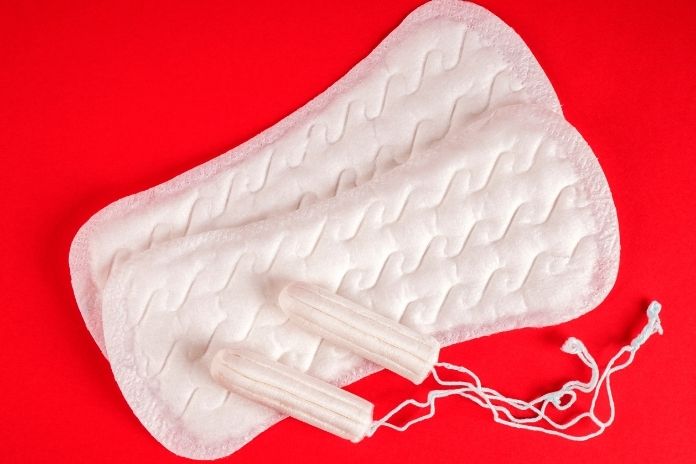
The 2024/2025 tampon metals study tested tampons in strong laboratory conditions and found multiple metals at trace levels. That finding is worth investigating, but it does not prove that those metals get into people’s bodies in biologically meaningful amounts or that they cause infertility.
Several expert groups and fact-checkers have pointed out the limitations: small sample sizes, lab extraction methods that don’t mimic the vaginal environment, and no measures of blood levels or clinical outcomes.
The American College of Medical Toxicology reviewed the data and concluded that the amounts measured would be tiny compared with typical dietary exposures, and there is no evidence of clinically meaningful exposure from tampons. The FDA has launched follow-up testing and a literature review to clarify the picture.
As the ACMT stated after reviewing the paper: “We do not recommend against the use of tampons at this time.”
That is a responsible scientific stance: detect, investigate, contextualize. Detecting trace contaminants in a product is not the same as proving the product causes disease.
Read More: Understanding Infertility: Causes and Treatment Options
Quick Tampon Safety Tips (simple, evidence-based)
Used correctly, tampons are a safe and convenient menstrual option for most people. The key is following a few simple, evidence-backed habits that reduce infection risk and keep your vaginal environment healthy. These guidelines come directly from medical authorities and can help you use tampons confidently and safely:
- Use the lowest absorbency that controls your flow.
- Change every 4–8 hours (FDA guidance) and never leave one in longer than the package recommends.
- Wash your hands before and after insertion to reduce infection risk.
- Avoid scented tampons if you have irritation.
- If you develop high fever, rash, vomiting, or dizziness during your period, remove tampons and seek medical care immediately (possible TSS).
Real Factors that Do Affect Fertility (so focus your worry where it matters)
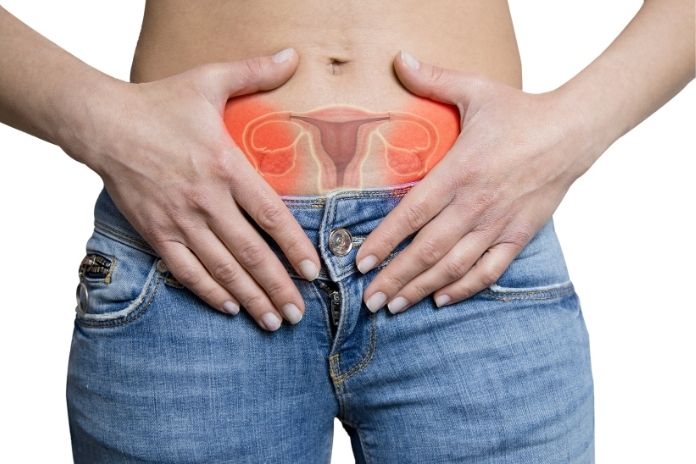
If you’re worried about fertility, these are evidence-based causes to discuss with your clinician, not tampon use:
- Age and ovarian reserve. Female fertility declines with age, especially after the mid-30s.
- Ovulatory disorders (PCOS). Polycystic ovary syndrome is a leading cause of ovulatory infertility.
- Blocked fallopian tubes from untreated STIs. Chlamydia and gonorrhea can cause pelvic inflammatory disease, scarring, and tubal infertility. Screening and treatment reduce this risk.
- Uterine problems (fibroids, adhesions) and certain medical treatments (some cancer therapies).
- Male factor infertility. Remember, fertility is a couple’s issue in most cases; semen quality matters.
- Lifestyle and metabolic health. Heavy smoking, uncontrolled obesity, and poorly controlled diabetes are linked with lower fertility.
Those are the things worth testing and treating if you have trouble conceiving, not your tampon brand.
FAQs
Can teenage or long-term tampon use damage future fertility?
No evidence supports that. Large clinical and epidemiologic studies have not linked tampon use to infertility. If you have specific concerns (e.g., recurrent pelvic infections), discuss them with your doctor.
Do tampons damage the cervix or uterus?
No, tampons sit in the vagina and cannot reach or “poke” the cervix, uterus, or ovaries during normal use.
Are organic tampons safer for fertility?
“Organic” is a marketing term referring to the fiber source; it doesn’t mean a tampon is proven safer. Some studies found metals in both organic and non-organic tampons; current guidance is to use any FDA-cleared product according to instructions.
Is switching between tampons and cups harmful?
No, menstrual cups and tampons both carry a rare TSS risk if left in too long. Use both according to the manufacturer’s guidance. If you have a history of TSS, avoid internal retention products and see your clinician.
Bottom Line
Tampons do not cause infertility, and current scientific evidence doesn’t support that claim. The panic comes mostly from viral posts and misread studies. While a few recent lab tests detected trace metals in some tampon brands, the amounts were extremely small, and researchers clearly said their findings don’t prove harm.
Regulators like the U.S. FDA and ACMT are reviewing these results, but no health agency has advised against tampon use. Tampons have been safely used for decades, and when used correctly, changed every few hours and chosen for comfort and absorbency, they remain a reliable menstrual option.
If you’re thinking about fertility, focus on what truly matters: regular STI screening, managing hormonal or ovulatory disorders, avoiding tobacco, and seeing a doctor if conception takes time. If you’re still concerned about tampon materials, talk to your clinician; informed choices and routine care are what actually protect your reproductive health.
References
- https://www.fda.gov/consumers/consumer-updates/facts-tampons-and-how-use-them-safely
- https://en.wikipedia.org/wiki/Tampon
- https://health.clevelandclinic.org/tampons
- https://www.peesafe.com/blogs/news/the-facts-on-tampons-15-fact-you-should-know-about-tampons
- https://www.nj.gov/health/womenshealth/reproductive-health/periods-menstruation/period-products/tampons.shtml
- https://www.myupchar.com/en/women-health/tampon-kya-hai-upyog-karne-ka-tarika-fayde-aur-nuksan-in-hindi
- https://pmc.ncbi.nlm.nih.gov/articles/PMC6371574/
- https://www.mdanderson.org/cancerwise/are-tampons-safe.h00-159700701.html
- https://www.dawaadost.com/blog/tampon-use-everything-you-need-to-know-before-you-start
- https://www.prevention.com/health/a64438929/the-truth-about-tampons-safety-and-myths/
- https://www.hackensackmeridianhealth.org/en/healthu/2025/03/18/sanitary-napkins-and-tampon-safety-precautions-every-girl-should-know
- https://www.mdanderson.org/cancerwise/are-tampons-safe.h00-159700701.html
- https://embryo.asu.edu/pages/menstrual-tampon
- https://www.brookings.edu/articles/toxic-tampons-and-gender-bias-in-health-research/
- https://mehtahospital.com/obstetrics-and-gynaecology/menstrual-cup-vs-tampon-vs-pads/
- https://www.vox.com/the-highlight/23893044/period-tampon-menstrual-cycle-menstruation-cup-pad
- https://hsph.harvard.edu/research/apple-womens-health-study/study-updates/menstrual-hygiene-products-pads-and-tampons-are-the-go-to-choice/
- https://www.webmd.com/women/pads-vs-tampons-what-to-know
- https://www.natracare.com/blog/4-shocking-facts-period-products/
In this Article