











Let’s cut through the noise.
Lately, your feed has probably been flooded with advice on how to “cleanse” your period. Influencers and wellness gurus swear by everything from yoni steaming and castor oil packs to detox teas that promise to flush out “old blood” and balance your hormones.
The pitch is compelling: get a cleaner cycle, lighter flow, fewer cramps — and maybe even a better mood — all by “detoxing” your uterus. But here’s the thing most of these viral posts won’t tell you: your body doesn’t need help doing something it’s already brilliantly designed to do.
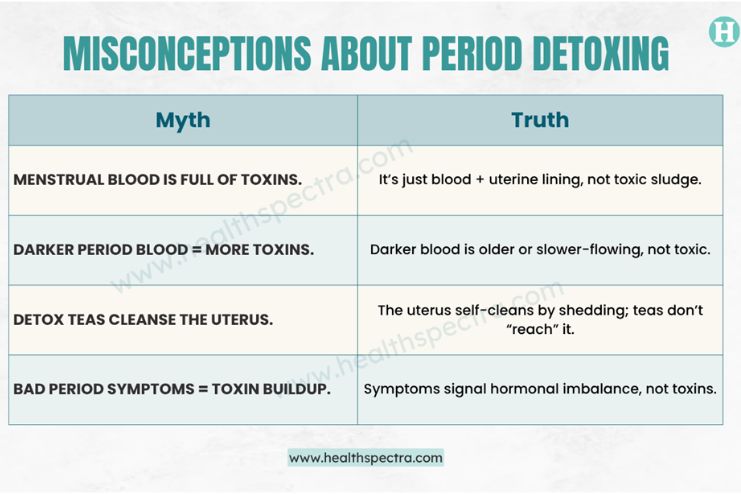
Menstruation isn’t a waste dump. It’s not your body’s garbage removal system for toxins. And despite the avalanche of #wombdetox testimonials, there’s zero scientific evidence that any of these trendy methods can clean your uterus, reset your hormones, or improve your cycle.
So before you drop your hard-earned money on an herbal cleanse or risk burning yourself over a steaming pot of chamomile, let’s get clear on the facts. Here’s what’s actually happening during your period — and why “period detox” is more myth than medicine.
Understanding the Menstrual Cycle and Detoxification
Every month, like clockwork, your uterus prepares for a possible pregnancy. Under the influence of rising estrogen and progesterone, the uterine lining (called the endometrium) thickens to welcome a fertilized egg. If pregnancy doesn’t happen, hormone levels drop, and the body sheds this lining — that’s your period.
Let’s be crystal clear: Your period is not a toxin flush. It’s simply the shedding of tissue and blood that your body no longer needs that month. Nothing more, nothing less. Now, when it comes to actual detoxification, here’s who’s really doing the work every single day:
- Liver: Processes and neutralizes toxins, excess hormones, alcohol, medications, and more.
- Kidneys: Filter waste and excess fluids, producing urine.
- Lymphatic System: Clears out cellular waste and supports immune defense.
In short: Periods ≠ Detox. Your uterus is not a storage closet for toxins. Period blood is just that — blood and tissue, not waste your body is desperate to get rid of.
“The menstrual cycle is not a detox. It doesn’t get rid of toxins because you don’t have toxins,” says Dr. Jen Gunter OB/GYN, author of The Vagina Bible and The Menopause Manifesto.
Popular “Period Detox” Methods and What They Promise
Let’s unpack what’s trending under the “menstrual detox” umbrella and whether any of it holds water.
1. Herbal Teas & Supplements
The claim: These blends “cleanse the uterus,” balance hormones, and promote smoother, lighter periods.
The reality: Ingredients like raspberry leaf, dong quai, ginger, and turmeric may have mild benefits (e.g., easing cramps or inflammation). But there’s zero evidence that they “detox” your uterus. Your cervix and uterus don’t work like a Brita filter — herbs in your tea don’t magically travel there to “clean” anything.
2. Yoni Steaming (Vaginal Steaming)
The claim: Sitting over hot herbal steam removes old blood, clears blockages, and balances hormones.
The reality: Besides sounding medieval, this practice is scientifically baseless and can be dangerous. The vagina is self-cleaning and doesn’t need steam baths. Worse, steaming can:
- Causes burns to sensitive tissues.
- Disrupt your vaginal microbiome, increasing risk of infections.
- Disturb the natural pH balance.
3. Detox Diets and Juices
The claim: Juice cleanses and “hormone reset” diets flush toxins and balance your cycle.
The reality: Your liver and kidneys handle detoxification — kale juice doesn’t turbocharge this process. Extreme cleanses or calorie-restrictive diets can actually backfire by:
- Throwing hormones further off balance.
- Triggering nutrient deficiencies.
- Causing blood sugar crashes and fatigue.
Nutrition matters (we’ll get to that), but starvation diets are not the answer.
4. Castor Oil Packs
The claim: Applying warm castor oil cloths to the abdomen improves circulation, reduces inflammation, and detoxifies reproductive organs.
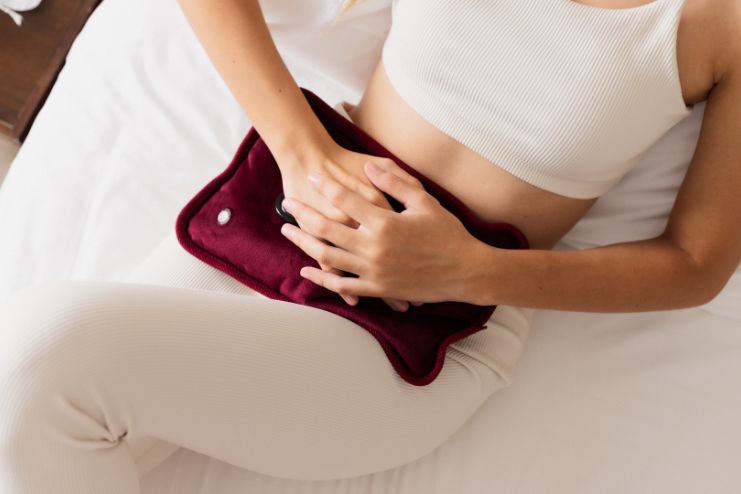
The reality: Castor oil packs can feel relaxing and may improve localized circulation, but they do not cleanse your uterus or ovaries. Think of it more like a warm compress, not a detox miracle.
5. Menstrual Cup “Detox” Theories
The claim: Darker, thicker blood seen with menstrual cups is evidence of detoxification or removal of “old stagnant blood.”
The reality: Blood color reflects flow rate and oxygen exposure, not toxicity. Dark brown or rust-colored blood simply means the blood is older or has oxidized, normal, especially at the start or end of a period. Nothing to detox here.
Read More: 26 Things You Should Avoid During Periods – Experts Advice!
What Science Says: Do These Detox Methods Work?
Let’s make this black and white:
- No method — herbal, dietary, or physical — removes toxins from your uterus.
- Your menstrual blood is not toxic waste.
- Your body already eliminates what it needs to without external help.
Worse, many of these trends carry real risks:
- Steaming and douching can increase infection risk.
- Extreme diets can worsen hormonal imbalances.
- Unregulated supplements can interact with medications or cause side effects.
The wellness industry likes to sell the idea that your body is dirty or dysfunctional, and only their $39.99 tea can save you. Science says otherwise.
“There is no health benefit or medical need to bleed. Whether it’s to avoid having monthly painful, heavy periods, or because you’re planning a beach vacation, people should be informed about their choices to manage their periods,” states Dr. Kimberly Kho, board-certified gynecologist at UT Southwestern Medical Center.
What Actually Helps Support a Healthy Menstrual Cycle?

If you’re serious about supporting menstrual health (without gimmicks), here’s what actually works — backed by research, not influencers.
1. Balanced Nutrition
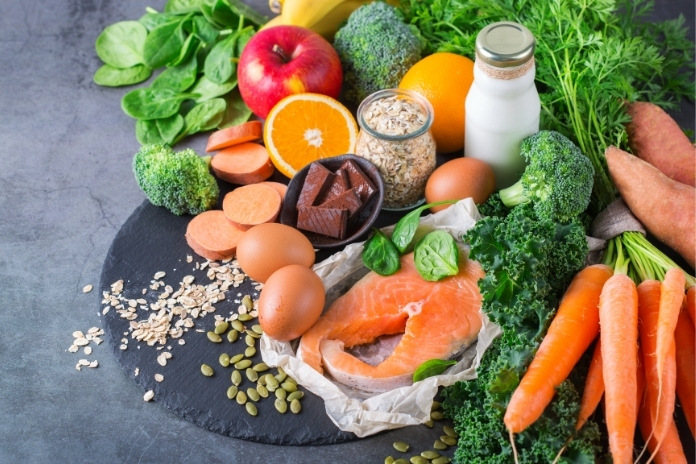
Eating nutrient-dense, whole foods gives your body the building blocks it needs to regulate hormones.
- Healthy fats (avocados, olive oil, nuts, seeds): Support hormone production.
- Leafy greens, berries, and cruciferous veggies: Provide antioxidants and fiber.
- Iron-rich foods (lentils, spinach, red meat): Replenish blood loss during periods.
- Complex carbs (whole grains, legumes): Help balance blood sugar.
No extreme diets required — just consistency.
2. Hydration and Liver Support
Your liver and kidneys love water. Staying hydrated optimizes their natural detox processes. Also helpful:
- Limit excess alcohol.
- Reduce processed foods and added sugars.
- Incorporate liver-supportive foods (e.g., leafy greens, citrus, beets).
3. Exercise and Movement
Regular movement (not overtraining) supports circulation, improves insulin sensitivity, and boosts mood-regulating endorphins — all of which can smooth out cycle symptoms.
- Yoga, walking, pilates: Great for hormonal balance.
- Strength training: Supports metabolism and bone health.
4. Reduce Endocrine Disruptors
Certain chemicals can interfere with hormones over time. To lower exposure:
- Avoid heating food in plastic containers (BPA risk).
- Opt for fragrance-free or low-toxin personal care products.
- Wash produce to reduce pesticides.
5. Consult a Healthcare Provider
If you have:
- Extremely painful periods.
- Heavy bleeding.
- Irregular or missed cycles.
These can be signs of underlying conditions like PCOS, endometriosis, or fibroids, which deserve real medical care, not detox teas.
Read More: The Worst Foods to Eat During Your Period (And Why to Avoid Them)
Myths and Misconceptions About Period Detoxing
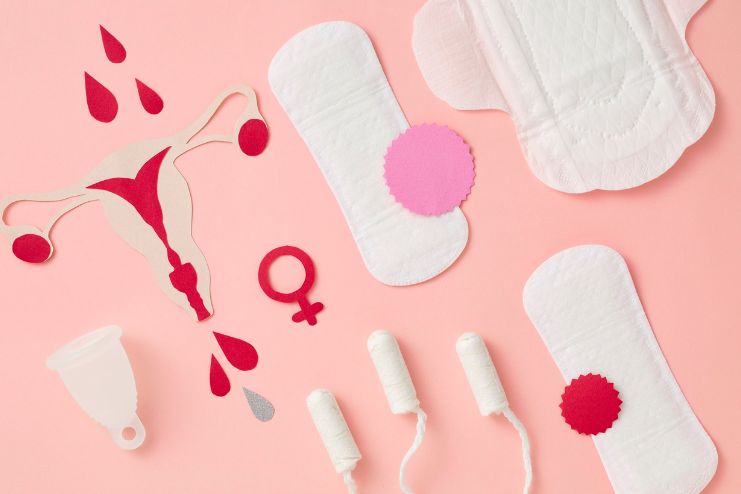
Let’s bust a few common myths floating around social media
 “Women know their cycles, and if something is off, they know about it. We’re our best gauge as to what’s normal,” says Dr. Alyssa Dweck, OB/GYN.
Frequently Asked Questions
- Is there any safe way to “support” my uterus without detoxing?
Yes — but support doesn’t mean cleanse. Practices like staying hydrated, eating anti-inflammatory foods (like berries and leafy greens), managing stress, and getting enough sleep naturally help hormone balance and menstrual comfort. These habits aid your entire reproductive system without interfering with its natural processes.
- Why do some people feel better after using detox teas or steaming?
Placebo effect and relaxation. Many detox methods involve calming rituals — warm teas, quiet time, heat application — all of which can ease cramping and stress short-term. That feeling better is real, but it’s not because toxins were removed. You’re just experiencing relaxation, not detoxification.
- Can certain herbs or supplements genuinely affect my cycle?
Some herbs (like ginger, turmeric, or raspberry leaf) may mildly reduce cramps or inflammation, but they don’t “cleanse” the uterus. Always check with a healthcare provider first, because even natural supplements can interact with medications or impact hormone-sensitive conditions if misused.
- What does it mean if my period has clots or varies in color?
It’s usually normal. Small clots and color changes (from bright red to dark brown) reflect flow speed and oxidation, not toxicity. However, if clots are large, frequent, or paired with severe pain, consult a doctor — that can signal a medical issue like fibroids or endometriosis, not toxin buildup.
- Are there any medical conditions that actually require “cleansing” or clearing of the uterus?
In rare medical situations (like retained tissue after miscarriage or incomplete miscarriage), doctors might perform procedures like a D&C (dilation and curettage) — but this is vastly different from wellness detoxes. It’s a controlled, clinical treatment, not something done with teas or steams at home.
Final Verdict: Should You Try a Period Blood Detox?
The truth is simple: your period doesn’t need a detox, because your body isn’t broken. Your liver, kidneys, and lymphatic system are already hardwired to clear waste efficiently — no tea, steam, or cleanse required. Menstrual blood isn’t a buildup of toxins; it’s a natural, healthy release of uterine lining.
If you want to support a smoother cycle, start with the basics that work — nutrient-rich food, movement, hydration, and reducing real endocrine disruptors. And if you’re facing serious period symptoms like severe pain or irregular cycles, don’t reach for a detox kit. Reach for a healthcare provider. Wellness isn’t about micromanaging every process.
At the end of the day, your menstrual cycle is not dirty, toxic, or in need of fixing. It’s one of the clearest signs that your reproductive system is functioning just as it should. Let’s not allow viral misinformation to convince us otherwise. Respect your body’s natural intelligence — it’s doing more for you than a detox tea ever will. Sometimes the most radical act of self-care is to trust your biology and leave the gimmicks behind.
References
- https://www.betterhealth.vic.gov.au/health/conditionsandtreatments/menstrual-cycle
- https://pmc.ncbi.nlm.nih.gov/articles/PMC9876536/
- https://www.physio-pedia.com/Menstrual_Cycle_and_Physical_Activity
- https://www.taramd.com/post/detoxification-for-womens-health
- https://www.springhillwellnessny.com/blog/detox-may-affect-your-period
- https://www.healthfab.in/blogs/wellness/detox-while-on-your-period
- https://www.intimina.com/blog/does-your-period-detox-your-body/
- https://www.healthline.com/health/womens-health/period-myths
- https://www.unicef.org/rosa/stories/7-alarming-myths-about-periods-we-have-end-now
- https://utswmed.org/medblog/skipping-period-menstrual-suppression/
- https://www.mdanderson.org/cancerwise/the-facts-behind-4-detox-myths-should-you-detox-your-body.h00-159385890.html
- https://www.womenshealthmag.com/health/a19937592/period-myths/
- https://www.thewomens.org.au/health-information/periods/healthy-periods/exercise-diet-periods
- https://www.cdc.gov/hygiene/about/menstrual-hygiene.html
- https://femalehealthawareness.org/en/nutritional-considerations-for-a-healthy-menstrual-cycle/
- https://vajenda.substack.com/p/the-menstrual-cycle-is-not-a-detox
In this Article