














When it comes to replacing missing teeth, the choice is between dental implants and dentures. Both options restore your smile, but understanding the differences can help you choose the best tooth replacement option for your needs.
Dental implants offer a permanent teeth replacement solution by anchoring artificial teeth directly into the jawbone. This approach promotes jaw health and provides a natural look and feel. However, dental implant benefits come with some risks, including surgery and higher costs upfront.
On the other hand, dentures are removable replacements that are less invasive and typically more affordable. Dentures’ pros and cons include ease of use, occasional discomfort, and the need for regular care. Good denture care practices, such as proper cleaning and storage, can extend their lifespan.
Read More: Early-Signs-Of-Oral-Cancer-You-Shouldn’t-Ignore
For those wanting the best of both worlds, implant-supported dentures combine stability with removability, offering enhanced comfort and function. When considering the cost of dental implants vs dentures, it’s important to weigh immediate budgets against long-term benefits. Ultimately, the right option depends on your oral health, lifestyle, and budget. Talking with your dentist can help you navigate these choices confidently.
Key Takeaways — What You’ll Learn
Understand the key differences between dental implants and dentures in comfort, longevity, and care.
- Dental implants offer a stable, long-lasting solution that supports your jaw’s health, while dentures provide a non-surgical, affordable alternative with some maintenance needs.
- Learn the pros and cons of each option: what feels best, lasts longer, and is easier to maintain.
- Consider cost, bone health, and lifestyle factors in choosing the right option for you.
- Discover what most dentists recommend for preserving oral and jaw health long-term.
- Gain the knowledge to make an informed choice that suits your needs and keeps your smile healthy and confident.
Read More: Are-You-Overbrushing-Signs-You-Might-Be-Damaging-Your-Teeth
Understanding the Basics
What Are Dental Implants?
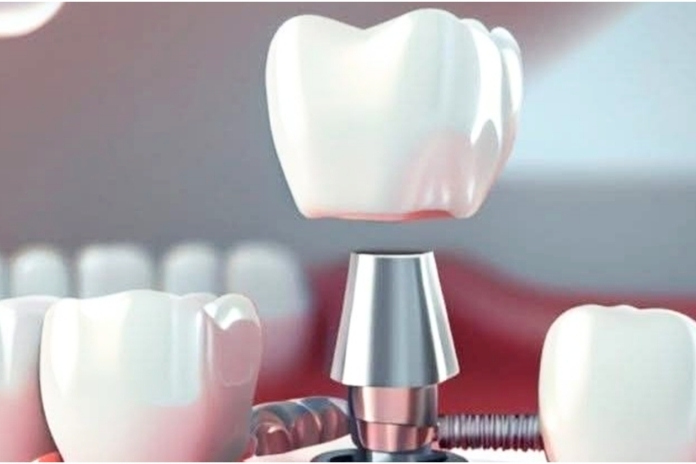
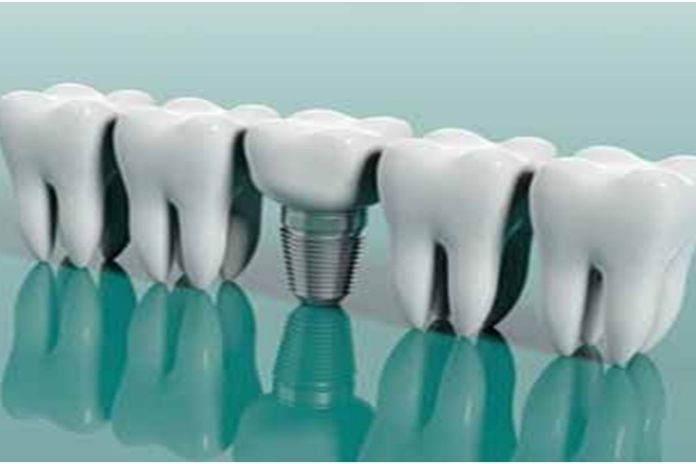
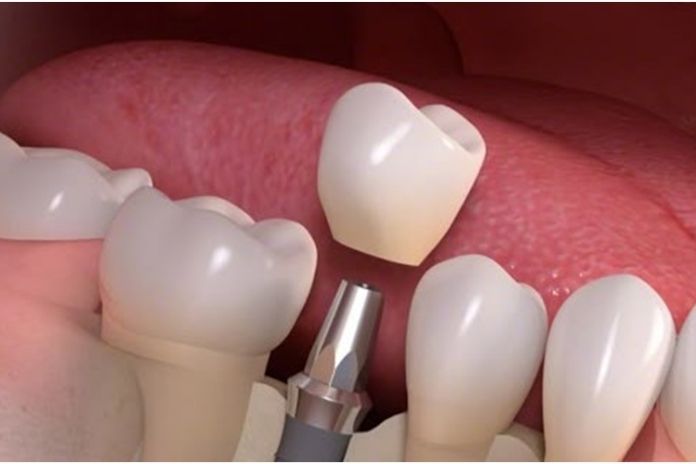
Understanding the basics of dental implants is crucial if you’re considering tooth replacement options. Dental implants are a permanent solution that involves a small titanium post surgically placed into your jawbone. This post acts like a natural tooth root, providing a strong, stable foundation for crowns or bridges.
Once implanted, the post undergoes a process called osseointegration, during which it fuses with the surrounding bone. This biological bonding can take several months, but it is essential for ensuring the implant is secure and functions like a natural tooth. Thanks to this process, dental implants mimic the look, feel, and function of real teeth better than most other options.
The benefit of this strong bond is that implants not only restore your smile but also help maintain your jawbone health, preventing the bone loss that can occur with missing teeth or traditional dentures. This makes dental implants an excellent long-term option for replacing missing teeth and supporting overall oral health.
What Are Dentures?

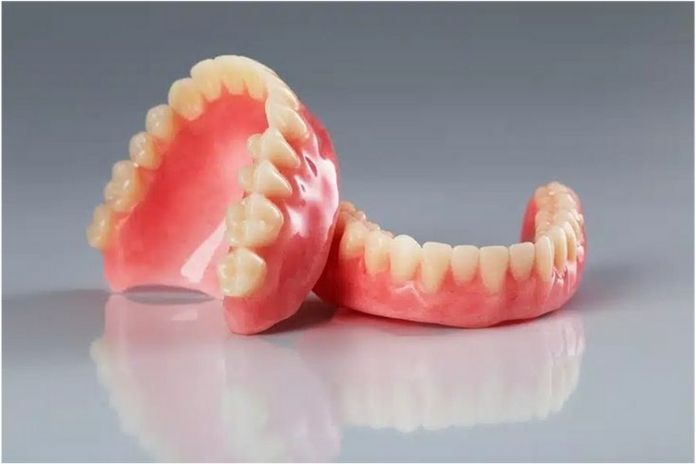
Understanding dentures helps you see why they remain a popular choice for replacing missing teeth. Dentures are removable appliances designed to replace multiple missing teeth comfortably and effectively. Made from materials like acrylic, resin, or flexible nylon-based polymers, these fitting options are crafted to rest snugly against your gums.
There are two main types: partial dentures, which replace some missing teeth and rely on your remaining teeth and gums for support, and complete dentures that replace all teeth in either the upper or lower jaw. Partial dentures may include metal clasps or flexible frameworks for added stability, while complete dentures usually have a base that mimics your natural gum color, providing a natural look.
Read More: Best-Night-Guard-For-Teeth-Grinding
The choice of denture materials affects comfort, durability, and aesthetics. Acrylic dentures are popular for their lightweight feel and ease of adjustment, while flexible dentures offer added comfort and a better fit for some patients. Though dentures are removable, they require regular care to maintain their fit and appearance. Dentures offer an affordable tooth replacement option that can effectively restore your smile and improve chewing function.
Dental implants and dentures offer two distinct ways to replace missing teeth, each with its own advantages and limitations. Here’s a side-by-side comparison to help you understand which might be right for you.
Durability-wise, dental implants typically last 15 to 25 years or more, often a lifetime with proper care. Dentures usually need relining or replacement every 5 to 10 years. When it comes to comfort, implants feel like natural teeth and are fixed securely in place, while dentures can sometimes shift or rub, especially lower ones.
In terms of bone health, implants stimulate the jawbone, helping to prevent bone loss—a benefit dentures do not provide. Aesthetically, implants closely match real teeth, whereas dentures, while natural-looking, can appear slightly artificial over time.
Dental implants require daily brushing and flossing just like natural teeth, but dentures must be removed and cleaned daily to maintain hygiene. Upfront, implants cost more but tend to require less maintenance over a lifetime. Dentures have a lower initial cost but require ongoing maintenance.
Eligibility is another factor: implants require healthy gums and sufficient bone density, while dentures can fit most patients, including those with bone loss. Finally, implants need several months to heal through osseointegration before becoming functional, whereas dentures can be fitted immediately after tooth extraction.
Choosing between dental implants vs dentures depends on your lifestyle, budget, and oral health needs. A dentist consultation can help you decide the best option for long-term health and comfort.
Read More: Foods-To-Eat-After-Wisdom-Tooth-Extraction
Dental implants and dentures offer two distinct ways to replace missing teeth, each with its own advantages and limitations. Here’s a side-by-side comparison to help you understand which might be right for you.
Durability-wise, dental implants typically last 15 to 25 years or more, often a lifetime with proper care. Dentures usually need relining or replacement every 5 to 10 years. When it comes to comfort, implants feel like natural teeth and are fixed securely in place, while dentures can sometimes shift or rub, especially lower ones.
In terms of bone health, implants stimulate the jawbone, helping to prevent bone loss—a benefit dentures do not provide. Aesthetically, implants closely match real teeth, whereas dentures, while natural-looking, can appear slightly artificial over time.
Dental Implants vs. Dentures — A Side-by-Side Comparison
Dental implants require daily brushing and flossing just like natural teeth, but dentures must be removed and cleaned daily to maintain hygiene. Upfront, implants cost more but tend to require less maintenance over a lifetime. Dentures have a lower initial cost but involve continuous maintenance.
Read More: Home-Remedies-For-Shaking-Teeth
Eligibility is another factor: implants require healthy gums and sufficient bone density, while dentures can fit most patients, including those with bone loss. Finally, implants need several months to heal through osseointegration before becoming functional, whereas dentures can be fitted immediately after tooth extraction.
Choosing between dental implants and dentures depends on your lifestyle, budget, and oral health needs. A dentist consultation can help you decide the best option for long-term health and comfort.
The Pros and Cons of Dental Implants
Advantages
Dental implants offer several compelling advantages as a tooth replacement solution. One of their biggest pros is that they are permanent and stable — you don’t have to worry about slipping or the hassle of adhesives like with dentures. This permanence provides great confidence for everyday activities like eating, speaking, and smiling.
Another key benefit is that dental implants help preserve your jawbone structure. When teeth are missing, the jawbone can deteriorate over time, leading to a sunken facial appearance. Implants stimulate the bone, preventing this bone loss and helping maintain your natural facial contours.
Read More: Best-Oral-Care-Products-For-Healthier-Teeth-And-Gums-Dentist-Approved-Essentials
Dental implants also improve chewing efficiency and speech compared to traditional dentures, which can sometimes slip or inhibit clear pronunciation. The secure fit of implants lets you eat a wider variety of foods and speak naturally without discomfort.
Though the upfront cost of dental implants is higher, they tend to be more cost-effective in the long term due to their exceptional durability, often lasting 15 to 25 years or more. With implants, you also benefit from easier maintenance, as you can brush and floss just like natural teeth.
Overall, dental implants combine functionality, aesthetics, and oral health benefits, making them an excellent choice for many seeking to restore their smile and confidence.
Disadvantages
Dental implants come with several disadvantages worth considering before making a decision. One of the most notable drawbacks is the higher upfront cost. Compared to other tooth replacement options like dentures or bridges, implants require a larger initial investment, which can be a barrier for some patients.
Another key disadvantage is that dental implants require surgery. This means undergoing a surgical procedure to place the titanium post into the jawbone, followed by a healing period for osseointegration—the process where the implant fuses with the bone. This healing phase can take several months, making implants a longer process than other dental solutions.
Additionally, dental implants are not suitable for everyone. Patients must have sufficient bone density and healthy gums to support the implant. Those with uncontrolled health conditions, such as diabetes, or smokers, may face higher risks of complications or implant failure. Certain medical issues may exclude some individuals from being good candidates.
Overall, while dental implants offer many benefits, it’s important to be aware of these disadvantages, so that you can make an informed choice in consultation with your dentist.
Cost Comparison
Dental implants and dentures differ significantly in cost, and understanding this can help you budget for your tooth replacement.
In India, a single dental implant typically costs between ₹25,000 and ₹50,000, while in the U.S., the price ranges from $3,000 to $5,000. For those needing full-mouth restoration, costs can exceed ₹5 lakhs in India or $25,000 in the U.S. Insurance may cover part of these expenses if the implants are deemed medically necessary, which can ease the financial burden.
On the other hand, dentures are more affordable upfront. Partial dentures range from ₹10,000 to ₹40,000, and full dentures cost between ₹25,000 and ₹80,000. However, dentures often require regular maintenance and periodic replacements, which can add up over time.
While the initial investment in dental implants is higher, their durability often makes them more cost-effective in the long run. Implants can last 15-25 years or more, reducing the need for frequent replacements. Dentures, though cheaper initially, may need to be replaced every 5 to 10 years, leading to ongoing costs.
Considering both immediate budget and future expenses will help you choose the option that’s right for your oral health and wallet.
Maintenance and Care
Properly maintaining and caring for dental implants and dentures is essential for their longevity and your oral health.
Read More: Dry-Mouth-At-Night-Causes-Symptoms-And-Solutions
For dental implants, consistent brushing and flossing are vital. Use a soft-bristle toothbrush or an electric toothbrush with a soft head to gently clean around the implant and gums, preventing plaque buildup without damaging the implant surface. Floss daily with implant-specific floss or interdental brushes to clean between the implants and adjacent teeth. Regular dental checkups and professional cleanings every few months help monitor implant stability, soft tissue health, and prevent infections. Avoid smoking as it can impair healing and increase the risk of implant failure.
For dentures, care involves removing and rinsing them after every meal to eliminate food debris. Clean dentures daily using a non-abrasive denture cleanser and a soft brush to avoid scratches. It’s essential to store dentures in water or a denture-soaking solution overnight to maintain their shape and moisture. Additionally, regular dental visits are necessary to check gum health, adjust denture fit, and prevent sore spots. Proper maintenance ensures comfort, function, and appearance over time.
Following these care routines helps maximize the lifespan of implants and dentures while supporting your overall oral health.
Which Option Is Right for You?
Choosing between dental implants and dentures depends on your personal needs and health conditions.
Choose dental implants if you want a permanent, natural-looking solution that feels and functions like real teeth. Implants require adequate bone and gum health to support the titanium post, making them ideal for those with good oral health. While the upfront cost is higher, investing more initially often results in long-term comfort, durability, and fewer replacements.
On the other hand, dentures are a better choice if you prefer a non-surgical, lower-cost option. Dentures are removable and typically more affordable initially. You may also consider dentures if you have bone loss or medical issues like diabetes or smoking that prevent implant surgery. Though dentures require daily removal and cleaning, many find this routine manageable.
Ultimately, the right option should align with your oral health, lifestyle, and financial considerations. Consulting with your dentist can help you weigh these factors carefully and select the best solution for a healthy, confident smile.
Quick Recap
Dental implants and dentures are two popular options for replacing missing teeth, each with unique benefits and considerations. Implants are long-lasting and help maintain bone health by stimulating jawbone growth, preventing bone loss, and preserving your facial structure. Although dental implants cost more upfront, their durability often makes them more economical over time, requiring less frequent replacements.
Dentures, in contrast, are more affordable and accessible to most patients. They provide an effective solution without surgery, making them suitable for those with medical conditions or bone loss that prevent implant placement. However, dentures require more maintenance and care, such as daily cleaning and occasional adjustments, which can increase long-term costs.
Read more: Brighten-Your-Smile-The-Top-7-Teeth-Whitening-Pens-For-Effortless-Whitening
Choosing the best option depends on your budget, oral health, and lifestyle preferences. Both choices restore function and aesthetics, but dental implants offer superior comfort and stability. Most importantly, consult a dentist or prosthodontist for a personalized treatment plan tailored to your health needs and goals. Professional guidance ensures you select the option that best supports your smile and oral health for years to come.
FAQs
1. How long do dental implants last?
Dental implants can last 15 to 30 years or even a lifetime with proper care and regular dental checkups.
2. Can dentures look as natural as implants?
Dentures look natural but often appear slightly artificial over time, while implants closely mimic real teeth.
3. Are dental implants painful to get?
Implant placement involves surgery and healing, but is typically well-managed with local anesthesia and post-op care.
4. Can I eat normally with dentures or implants?
Implants allow you to eat almost like natural teeth, while dentures may limit some foods but still restore chewing function.
5. Can both options be combined (implant-supported dentures)?
Yes, implant-supported dentures combine the stability of implants with the removability of dentures for improved comfort and function.
References
- https://green-dental.co.uk/dental-implants-vs-dentures/
- https://my.clevelandclinic.org/health/treatments/10903-dental-implants
- https://my.clevelandclinic.org/departments/facial-reconstruction-nerve-disorders#treatments-procedures-tab
- https://www.mayoclinic.org/tests-procedures/dental-implant-surgery/about/pac-20384622
- https://www.mayoclinic.org/tests-procedures/dental-implant-surgery/about/pac-20384622
- https://www.health.harvard.edu/staying-healthy/lost-a-tooth-what-to-know-about-dental-implants
- https://www.gentledental.com/resources/articles/dental-implants
- https://www.gentledental.com/resources/articles/dental-emergency
- https://www.merckmanuals.com/professional/dental-disorders/common-dental-disorders/dental-appliances?query=dentures
In this Article