














It usually starts quietly. You wake up feeling stiff. By afternoon, you’re foggy, tired, and a little irritable. Nothing feels “wrong” enough to see a doctor, but you know something’s off. Blood tests might even come back “normal,” yet your body feels inflamed, heavy, and worn down.
Here’s the thing: chronic, low-grade inflammation doesn’t come from one bad meal or a skipped workout. It builds slowly through daily habits that nudge your immune system into a constant state of low alert. The good news is this works both ways.
The same small, repeatable behaviors that push inflammation up can also help lower inflammation naturally when done consistently. These micro-habits aren’t treatments or cures. They won’t erase autoimmune disease or replace medical care.
What they can do is support better inflammatory balance over time by stabilizing blood sugar, improving gut health, protecting sleep, and calming stress signaling.
Let’s break it down.
What Chronic Inflammation Really Is (and Why Daily Habits Matter)

Here’s the thing. Inflammation has a branding problem.
Most people hear the word and think something has gone wrong. Pain. Swelling. Disease. But inflammation itself isn’t the villain. It’s a survival mechanism. The problem starts when that mechanism never fully shuts off.
Chronic inflammation doesn’t announce itself with obvious symptoms. It works quietly in the background, shaped less by emergencies and more by how you live day to day. What you eat, how you sleep, how stressed you stay, and how often your body actually moves all send signals to your immune system. Over time, those signals add up.
Let’s break it down.
Acute vs. Chronic Inflammation
Inflammation isn’t the enemy. Acute inflammation is your body’s emergency response system. You cut your finger, catch a virus, or sprain an ankle. Immune cells rush in, control the damage, repair tissue, and then stand down once the job is done. That’s healthy. That’s necessary.
Chronic inflammation is different. It’s low-grade, systemic, and persistent. Instead of switching off, the immune system stays partially activated for months or even years. There’s no clear injury to resolve, no infection to eliminate. Just a steady drip of inflammatory signaling.
Research links chronic low-grade inflammation to insulin resistance, cardiovascular disease, metabolic disorders, depression, cognitive decline, and accelerated aging. Not because inflammation suddenly becomes extreme, but because the body is never allowed to fully reset.
How Everyday Behaviors Influence Inflammatory Signaling
Your immune system doesn’t operate in isolation. It’s constantly responding to internal cues created by your lifestyle, including:
- Blood sugar swings from frequent spikes and crashes
- Sleep quality and circadian rhythm disruption
- Gut bacteria balance and intestinal barrier health
- Chronic stress and cortisol exposure
- Physical inactivity and muscle underuse
These signals directly influence inflammatory markers like C-reactive protein (CRP) and pro-inflammatory cytokines. When the inputs stay dysregulated, the immune system adapts by staying on alert.
What this really means is that inflammation isn’t just about bad luck, genetics, or existing disease. It’s shaped daily, often quietly, through repeated behaviors your body interprets as stress.
Why Consistency Matters More Than Intensity
You don’t lower inflammation with occasional perfect days.
A single clean meal, a random workout, or a great night of sleep doesn’t undo weeks of disruption. The immune system responds to patterns, not moments.
Think of inflammation like background noise. Every blood sugar spike, missed night of sleep, or prolonged stress response turns the volume up a notch. Micro-habits work the opposite way. Balanced meals, regular movement, stable sleep timing, and stress regulation slowly turn the volume down.
Not dramatically. Not overnight. But reliably. That’s why boring consistency beats extreme interventions. Your body isn’t looking for intensity. It’s looking for signals it can trust.
Read More: 6 Everyday Household Items That May Be Triggering Inflammation
Micro-Habits That Can Lower Inflammation Naturally
1. Start the Day With Stable Blood Sugar

Sharp blood sugar spikes followed by crashes increase oxidative stress and inflammatory signaling. Studies show repeated glucose fluctuations raise CRP levels and worsen insulin resistance, even in people without diabetes.
“Inflammatory pathways are central to the development of insulin resistance and metabolic syndrome, linking high blood glucose and abnormal fat metabolism to chronic disease.” – Francine K. Welty, MD, PhD, Beth Israel Deaconess Medical Center, on how inflammation underlies insulin resistance and related metabolic dysfunction.
You don’t need a perfect breakfast. You need a steady one.
Helpful micro-habits include:
- Pairing carbs with protein or fat
- Avoiding sweet coffee drinks on an empty stomach
- Eating within a consistent morning window
Even a modest breakfast with protein and fiber can blunt inflammatory glucose spikes.
Why skipping meals can backfire for some people?
Intermittent fasting works well for some, but for others, it leads to cortisol-driven blood sugar swings. Elevated cortisol itself increases inflammatory markers.
If fasting leaves you jittery, exhausted, or ravenous later, it may be increasing inflammation rather than reducing it.
2. Move Briefly, but Frequently, Throughout the Day

Extended sitting reduces muscle glucose uptake and blood flow. Research shows uninterrupted sitting raises CRP and interleukin-6 levels, even in people who exercise regularly.
One workout doesn’t cancel out ten hours of stillness.
Brief movement acts like a metabolic reset. Even two to five minutes of walking or stretching improves insulin sensitivity and reduces inflammatory signaling.
A randomized crossover trial published in Diabetologia and related journals showed that interrupting prolonged sitting with short bouts of light‑intensity walking every 20 minutes significantly reduced postprandial glucose and insulin levels compared with uninterrupted sitting.
Examples of low-effort daily movement:
- Standing during phone calls
- Walking after meals
- Gentle mobility between tasks
- Stretching while watching TV
This is one of the most underrated daily habits to reduce inflammation.
Read More: Hobby-Based Movement: Turning Everyday Activities into Fitness Opportunities
3. Choose Anti-Inflammatory Drinks as Defaults
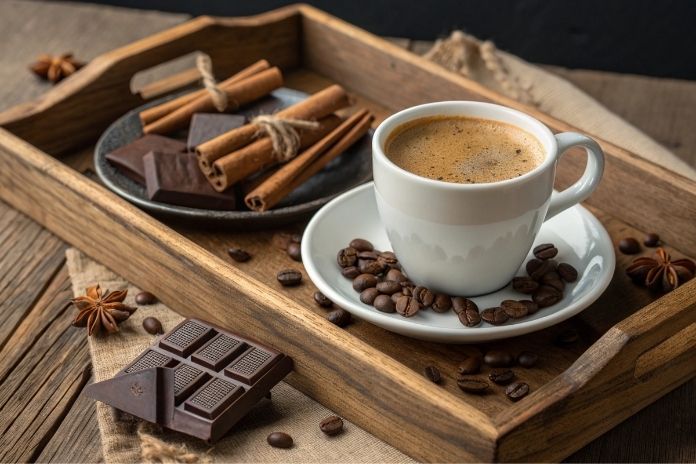
Hydration supports circulation, kidney function, and metabolic waste removal. Unsweetened green tea and coffee contain polyphenols linked to lower inflammatory markers.
According to the Cleveland Clinic, moderate coffee intake is associated with reduced inflammation and a lower risk of metabolic disease.
Why sugary and ultra-sweet drinks increase inflammation?
Sugar-sweetened beverages spike glucose, increase insulin demand, and promote oxidative stress. Liquid sugar is absorbed rapidly, making its inflammatory effects stronger than solid foods.
Timing caffeine to avoid sleep disruption: Caffeine late in the day fragments sleep architecture, even if you fall asleep easily. Poor sleep directly raises inflammatory cytokines the next day.
4. Build One Fiber-Rich Choice Into Every Meal
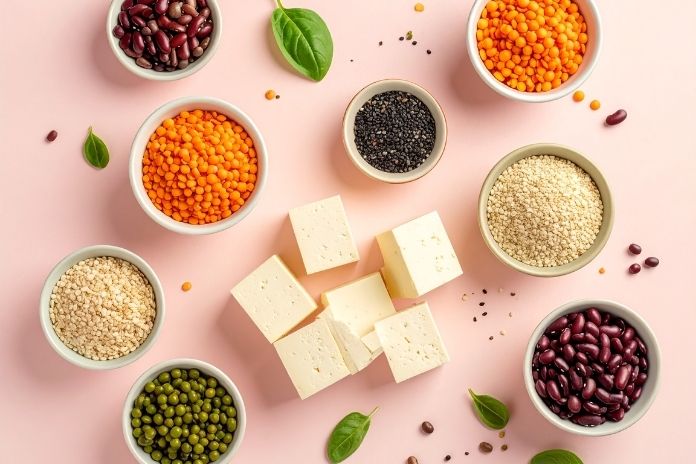
Your gut microbiome helps regulate immune function. When beneficial bacteria ferment fiber, they produce short-chain fatty acids like butyrate, which have anti-inflammatory effects.
Low fiber intake is consistently linked to higher CRP levels.
Fiber feeds microbes that strengthen the gut barrier. A healthier barrier prevents endotoxins from entering circulation, reducing immune activation.
The Gut–Brain Axis. This review by Emeran A. Mayer and colleagues explains how dietary components like fiber shape the gut microbiome, which in turn influences immune function and inflammation in ways that affect both the gut and the brain. It clearly links dietary inputs, microbial activity, immune modulation, and brain‑gut communication.
Simple, realistic fiber additions:
- Beans or lentils added to meals
- Vegetables at breakfast or lunch
- Berries instead of fruit juice
- Whole grains instead of refined
Small swaps matter more than massive overhauls.
5. Prioritize Sleep Consistency (Not Just Duration)

Even one night of poor sleep increases CRP and pro-inflammatory cytokines. Chronic sleep deprivation keeps the immune system in a constant stress response.
According to the Mayo Clinic, disrupted sleep is a major driver of chronic inflammation and metabolic dysfunction.
Your immune system follows circadian rhythms. Irregular sleep confuses those rhythms, increasing inflammation even if total sleep time seems adequate.
Consistency trains your immune system to stand down at night.
Micro-habits that improve sleep quality:
- Consistent sleep and wake times
- Morning sunlight exposure
- Limiting screens before bed
- Cooler sleeping environments
Sleep isn’t passive recovery. It’s active immune regulation.
6. Practice Short, Daily Stress-Reduction Rituals

Stress hormones like cortisol and adrenaline increase inflammatory gene expression when chronically elevated. This creates immune resistance to cortisol’s calming effects.
Long-term stress literally trains the immune system to stay inflamed.
Short, consistent stress-reduction practices reduce sympathetic nervous system activity. Studies show that even brief breathing exercises lower inflammatory cytokines.
Examples of realistic stress-downshifting habits:
- Slow breathing for five minutes
- Short outdoor walks
- Journaling before bed
- Gentle stretching
These are practical anti-inflammatory habits, not wellness theater.
7. Eat More Anti-Inflammatory Fats, Without Overdoing Calories

Omega-3 fatty acids help regulate inflammatory pathways and cytokine production. Diets rich in unsaturated fats are linked to lower CRP levels.
The goal isn’t extra calories. Its replacement.
Swap:
- Processed seed oils with olive oil
- Fatty fish for processed meats
- Nuts for refined snacks
Food-based fat choices that support balance:
Food sources work better than supplements for most people.
- Olive oil
- Avocados
- Fatty fish
- Nuts and seeds
8. Reduce Ultra-Processed Foods One Swap at a Time

Ultra-processed foods disrupt gut bacteria, spike blood sugar, and contain additives linked to immune activation.
Large population studies associate high intake with elevated inflammatory markers.
Strict elimination often backfires through stress and binge cycles. Gradual replacement lowers inflammation without increasing cortisol.
Simple daily swaps that add up. Prioritize:
- Home-cooked meals over packaged ones
- Whole foods over bars and shakes
- Plain yogurt over flavored versions
This is one of the most effective lifestyle habits for inflammation.
Read More: Why Ultra-Processed Foods Are Being Called ‘The Cigarettes of the Future
9. Support Your Gut With Regular Meal Timing

Erratic eating disrupts digestive enzyme release and microbiome rhythms. This can increase gut permeability and immune activation.
Consistent meal timing supports circadian alignment in the gut, reducing inflammatory stress on the digestive system.
Who benefits most from consistent meal timing? People with:
- Digestive issues
- Blood sugar instability
- Chronic stress
- Poor sleep
Routine doesn’t mean rigidity. It means predictability.
10. Get Daily Light Exposure and Fresh Air

Light exposure regulates immune clock genes. Poor light signaling increases inflammatory markers and insulin resistance.
Morning sunlight improves cortisol rhythm, sleep quality, and metabolic signaling. This indirectly lowers inflammation.
- Morning walks
- Outdoor coffee breaks
- Open windows
- Natural light workspaces
It’s simple and wildly underused.
What These Micro-Habits Will NOT Do

Before talking about what micro-habits can improve, it’s important to be clear about their limits. Most confusion around inflammation comes from unrealistic expectations. This section exists to set those straight.
1. They Will Not Eliminate Inflammation Overnight
Chronic inflammation is not an acute problem. It develops slowly, often over years, through repeated exposure to stressors like unstable blood sugar, poor sleep, chronic stress, and inactivity.
Because the immune system adapts to patterns, not isolated events, it does not respond to quick fixes. One good week cannot undo long-term signaling that taught the body to stay on alert.
Micro-habits work by changing the signal environment gradually. Each stable meal, regular sleep window, and low-stress day slightly reduces the need for constant immune activation. The effect is cumulative, not immediate. If the expectation is rapid elimination, the strategy is already misaligned with how inflammation actually works.
2. They Support Regulation, Not Disease Treatment
These habits help the immune system behave more appropriately. They reduce unnecessary inflammatory signaling and support better metabolic and hormonal balance.
What they do not do is treat disease. Autoimmune conditions, chronic infections, inflammatory bowel disease, arthritis, and other inflammatory disorders involve immune dysfunction that cannot be corrected through lifestyle alone. In these cases, medical treatment is not a failure. It’s part of responsible care.
Lifestyle interventions create a healthier baseline. They do not replace diagnosis, medication, or clinical management when disease is present.
3. They Are Preventive and Supportive, Not Diagnostic
Micro-habits can lower background inflammation and reduce long-term risk. They cannot identify the cause of symptoms or rule out serious conditions.
Medical evaluation is necessary when symptoms are persistent, progressive, or unexplained. This includes ongoing pain, extreme fatigue, unintentional weight loss, recurring fever, night sweats, or abnormal laboratory results.
Ignoring these signs in favor of self-management delays answers and can worsen outcomes.
4. Why This Distinction Matters
The biggest mistake people make is treating lifestyle changes as a substitute for medical care or expecting them to act like medication.
The role of micro-habits is quieter and more foundational. They reduce the constant noise that keeps the immune system overreacting. They make the body more resilient and responsive, not cured. When used correctly, they work alongside medical care, not in competition with it.
That’s the difference between informed self-care and false reassurance.
Read More: How to Build an Anti-Inflammatory Morning Routine
Final Takeaway
Lowering inflammation naturally isn’t about detoxes, cleanses, or extreme routines. It’s about creating a daily environment your immune system doesn’t have to fight against.
Every meal that keeps blood sugar stable, every night of protected sleep, every walk that gets muscles contracting, and every moment of managed stress sends a clear signal: the body is safe enough to stand down. Over time, those signals compound.
Micro-habits don’t shut inflammation off completely, and they’re not meant to. They reduce unnecessary activation. They make inflammatory responses more proportional, shorter-lived, and less damaging. That’s where the real benefit lives.
What this really means is consistency beats intensity. The body adapts to what you repeat, not what you attempt occasionally. Small, boring choices done daily reshape inflammatory load in ways no short-term intervention can match.
This approach isn’t flashy. It doesn’t promise instant results. But it works because it aligns with biology, not trends. Given enough time, these habits create changes you can measure, feel, and sustain.
FAQs: Lowering Inflammation Naturally
What are the best daily habits to reduce inflammation?
Consistent sleep, stable blood sugar from balanced meals, regular moderate movement, fiber-rich foods, stress regulation, and minimizing ultra-processed foods all reduce the signals that keep the immune system overactivated. These habits work together to lower baseline inflammatory load over time.
Can you lower inflammation naturally without supplements?
Yes. Diet quality, sleep consistency, physical activity, and stress management have stronger and more consistent evidence than most supplements. These factors act upstream by reducing inflammatory triggers rather than trying to blunt inflammation after it starts.
How long does it take to reduce chronic inflammation?
Some improvement in markers like C-reactive protein can appear within weeks when sleep, diet, and movement improve. However, meaningful and lasting change usually requires months of consistent habits that retrain immune signaling patterns.
Does exercise reduce inflammation?
Regular moderate exercise lowers chronic inflammation by improving insulin sensitivity and circulation. Problems arise when exercise volume is excessive or recovery is poor, which can increase inflammatory stress instead of reducing it.
Is inflammation always bad?
No. Acute inflammation is a normal and necessary part of healing and immune defense. The problem is chronic, low-grade inflammation that persists without a clear threat and gradually damages tissues.
References
- Bell, P., & Angus, F. (2013). Inflammation and disease: The role of diet. PMC.
- Dr. Ruscio. (n.d.). What can I drink to reduce inflammation?
- Feng, Q., Lu, H., Wang, C., Wang, R., & Li, X. (2020). Anti-inflammatory effects of functional beverages: A review. Scientific Reports, 10, 68930.
- WebMD. (n.d.). Hydrogen water: Health benefits.
- Holosophy. (n.d.). Drinks to help reduce inflammation.
- EatingWell. (2023). Best anti-inflammatory drinks you should be buying, according to a dietitian.
- Plantigo. (n.d.). Top 9 anti-inflammatory drinks to reduce bloating and joint pain.
- Fitterfly. (n.d.). 5 best anti-inflammatory drinks for weight loss.
- Helsana. (n.d.). Anti-inflammatory foods.
- Hone Health. (n.d.). Anti-inflammatory drinks.
- OSGPC. (n.d.). Drinks that reduce inflammation.
- Netmeds. (n.d.). 5 best anti-inflammatory drinks for weight loss: Benefits and easy recipes.
- Yahoo Lifestyle. (2023). 6 best anti-inflammatory drinks.
- U.S. Department of Veterans Affairs. (2023). Anti-inflammatory beverages.
- Mayo Clinic. (2023). Lack of sleep: Expert answers.
- Mayer, E. A., Nance, J., & Chen, S. (2022). The gut–brain axis: Mechanisms and clinical implications. Annual Review of Medicine.
- Cleveland Clinic. (2023). The health benefits of coffee.
- Dunstan, D. W., Kingwell, B. A., Larsen, R., Healy, G. N., Cerin, E., Hamilton, M. T., … Owen, N. (2012). Breaking up prolonged sitting reduces postprandial glucose and insulin responses. PubMed.
- Healy, G. N., Dunstan, D. W., Salmon, J., Cerin, E., Shaw, J. E., Zimmet, P. Z., & Owen, N. (2008). Objectively measured sedentary time, physical activity, and metabolic risk: The Australian Diabetes, Obesity and Lifestyle Study (AusDiab). PMC.
- Welty, F. K. (2019). Inflammation and metabolic syndrome: Implications for treatment. PMC.
In this Article