











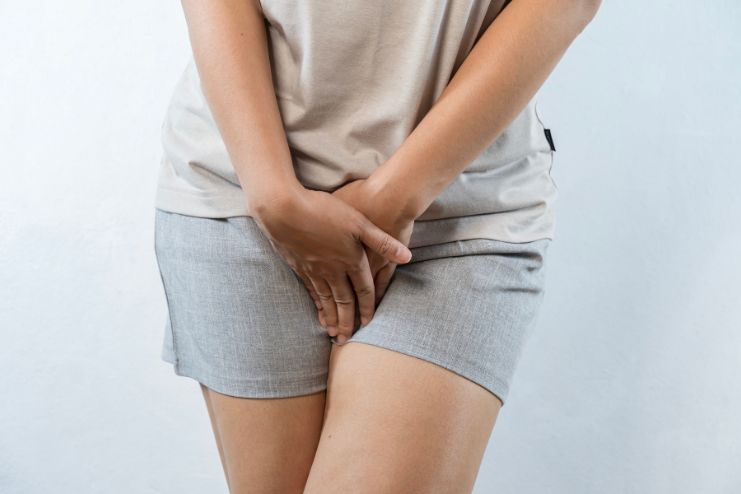
Clitoral itching is a delicate and frequently unspoken issue that plagues hundreds of women but is rarely talked about openly. Whether an occasional annoyance or chronic irritation, clitoral itching can make a significant difference in an individual’s comfort, assurance, and intimate health. Although most instances are benign, persistent or chronic clitoral itching can be symptomatic of an underlying issue that needs to be addressed by a doctor.
This article breaks the stigma around clitoral and vulvar itching and discomfort by offering a medically accurate, evidence-backed, and approachable overview of the issue. We’ll explore the root causes, associated symptoms, home and medical treatments, prevention tips, and guidance on when it’s time to seek professional help.
Read More: 7 Best pH-Balanced Feminine Washes for Vaginal Health
What Causes Clitoral Itching?
Clitoral itching may be only part of a more general condition, pruritus vulvae—vulvar itching. Various potential causes range from infections and allergens to hormonal shifts and hygiene habits. Determining the cause is the first step towards appropriate treatment.
Yeast Infections:
Yeast Infections or candidiasis are a leading cause of clitoral itching. It occurs when there is overgrowth of the Candida albicans fungus and can be worsened by:
- Antibiotic use
- Pregnancy
- Diabetes
- Weak immune system
- High estrogen levels
Symptoms include:
- Severe itching of the clitoris and vulva
- White, thick, cottage cheese-like discharge
- Swelling and redness
- Burning, particularly during sex or urination
Yeast infections can be treated with over-the-counter antifungal creams or oral medication such as fluconazole.
Bacterial Infections:
Bacterial vaginosis (BV) and bacterial infections may also cause itching of the clitoris and vulva. BV is when the normal balance of bacteria in the vagina is imbalanced.
Symptoms include:
- Mild itching
- Thin, pale grayish discharge
- Strong “fishy” odor
Treatment is usually oral or topical antibiotics such as metronidazole or clindamycin. Untreated BV can make one more susceptible to STIs and pelvic inflammatory disease.
Contact Dermatitis:
Clitoral itching can also be due to contact dermatitis, secondary to irritation or allergic response to substances like:
- Fruity soaps
- Body washes
- Laundry detergents
- Sanitary products
- Latex condoms or lubricants
This type of irritation usually results in itching, redness, burning, and flaking skin. Treatment includes stopping the irritant and applying topical corticosteroids with medical care.
Hormonal Changes:
Hormonal changes—specifically drops in estrogen levels—can cause vaginal atrophy or atrophic vaginitis, particularly in women undergoing:
- Menopause
- Postpartum
- Breastfeeding
Low estrogen causes thinning, dryness, and decreased elasticity of vulvar and vaginal tissues, which makes them prone to irritation and infection.
Symptoms include:
- Dryness and burning
- Soreness
- Recurring itching
- Painful sexual intercourse
Treatment can include vaginal moisturizers or topical estrogen treatment.
Poor Hygiene Practices:
While being dirty does promote infection risk, excessive cleanliness is just as dangerous. Excessive application of harsh soap, scrubbing, or douching upsets the protective bacteria and pH level of the vaginal area.
Either too little or too much cleanliness can cause itching, dryness, and irritation.
Allergic Reactions:
Some people react with an allergy to:
- Spermicides
- Fragrance chemicals
- Preservatives in cosmetic products
- Synthetic underwear materials
In these instances, avoidance and identification of the allergen are the primary means of controlling symptoms.
Read More: Top Vaginal Health Supplements You Can Buy Online (Probiotics, Prebiotics & More)
Common Symptoms That Accompany Clitoral Itching
Clitoral itching is an uncommon condition that appears alone. Other symptoms usually accompany it, and these can be useful in diagnosing the condition. These include:
- Burning sensation, particularly on urination or during coitus, suggesting inflammation or infection.
- Abnormal discharge, which is a change in color, texture, or smell, may indicate yeast or bacterial infections.
- Swelling or redness that indicates irritation or an allergic reaction.
- Pain while urinating may signal a urinary tract infection or vulvar inflammation.
- Changes in odor, such as fishy or foul odor, are characteristic of BV or trichomoniasis.
In certain instances, patients may also experience lesions, ulcers, or skin thickening—these need to be brought to the notice of the doctor immediately.
At-Home Remedies for Clitoral Itching Relief
If you experience mild, noninfectious, occasional clitoral itching, it can be relieved with simple home treatments.
Proper Cleansing Techniques:
- Gently clean with warm water and a pH-balanced, fragrance-free cleanser.
- Avoid vigorous scrubbing or douching.
- Lightly blot the area dry after washing or urination.
Cool Compresses:
Place a clean, cool washcloth over the area for 10–15 minutes to relieve irritation.
Avoiding Irritants:
- Stop using perfumed products, abrasive soaps, and synthetic undergarments.
- Switch to hypoallergenic, unscented toiletries.
Loose, Breathable Clothing:
- Wear cotton underwear.
- Avoid tight clothing that holds moisture close to the skin.
Read More: 6 Women’s Health Trends to Watch in 2025 (Backed by Data)
When Home Remedies Are Appropriate
Home remedies can be effective only if the symptoms are mild and are not accompanied by abnormal discharge, sores, or persistent discomfort.
Watch symptoms carefully and see a doctor if no improvement is observed in a few days.
Medical Treatments for Recurrent Clitoral Itching

Recurrent or persistent clitoral itching usually necessitates medical evaluation and directed treatment.
Antifungal Medications:
- Topical: clotrimazole, miconazole
- Oral: fluconazole (usually a single dose)
These are used to cure yeast infections and are most often effective in 1–7 days.
Antibiotic Treatments:
- Metronidazole or clindamycin for BV
- Tinidazole for trichomoniasis (an STI)
Treatment may involve your partner in the case of STIs.
Topical Treatments:
- Hydrocortisone cream for light contact dermatitis
- Prescription corticosteroids for inflammatory conditions such as lichen sclerosus
- Immunomodulators for chronic skin disease
Hormonal Therapies:
- Vaginal estrogen cream, tablets, or rings for postmenopausal itching
- May restore the vaginal lining and relieve dryness
How to Prevent Clitoral Itching
Preventing clitoral itching is a matter of balance, guarding the natural vaginal environment, and steering clear of known irritants.
Proper Intimate Hygiene:
- Shower daily with water and a fragrance-free cleanser
- Avoid internal douching
- Always wipe from front to back
Choosing the Right Products:
- Use fragrance-free sanitary products and soaps
- Change to dye-free laundry detergents
- Use water-based, hypoallergenic lubricants
Clothing Recommendations:
- Select breathable, moisture-wicking cotton underwear
- Avoid wearing wet swimsuits or gym clothing for extended periods.
Sexual Health Considerations:
- Use condoms to prevent the risk of infection.
- Urinate after sex to flush out irritants.
- Have regular STI testing, particularly with new partners.
When to Visit a Doctor for Itching Clitoris

You must visit a doctor for clitoral itching when:
- Itching that persists for more than 7 days
- With sores, blisters, or bleeding
- Painful sex or urination
- Discoloration or thickening of the skin
- Unpleasant or pungent odor
Duration of Symptoms:
Any symptom that persists for more than one week should be examined. Repeating episodes of clitoral itching(more than 4/year) can indicate chronic illnesses.
What to Expect at the Appointment

Once you decide to visit a healthcare professional for treating the itching, here’s what you can expect:
- Pelvic exam
- Vaginal swab or culture
- pH testing
- Skin biopsy, if necessary, for chronic skin problems
Questions to Ask Your Healthcare Provider
Here’s a list of a few important questions you must ask your doctor concerning the clitoris itching:
- What is causing my symptoms?
- Do I require any tests or screenings?
- Should my partner also receive treatment?
- What habits or lifestyle modifications should I adopt?
Getting an answer to the above questions is the key to not just treating the existing infection, but to preventing it from recurring in the future.
Frequently Asked Questions About Clitoral Itching
- Is clitoral itching normal?
Occasional itching is normal, particularly due to hormonal fluctuations or sweating. Ongoing or extreme itching is not and should be investigated.
- Can sex lead to itching?
Yes. Friction, latex allergy, semen, or lubricant can irritate. Use lube and change to latex-free condoms if necessary.
- How long does treatment take?
Most infections clear in 3–7 days with treatment. Skin conditions may need ongoing care.
- Can food influence intimate health?
Yes. Excessive sugar can exacerbate a yeast infection. A healthy diet with probiotics maintains vaginal flora.
Conclusion
Clitoral itch is more than a temporary issue; it can be a sign of infection, irritation, or an underlying gynecological problem. Treating it early and effectively not only enhances comfort but also guards against long-term intimate well-being.
From hygiene practices and home remedies to professional interventions, there are many methods for controlling and preventing clitoral itch. If symptoms are prolonged or get worse, don’t delay in getting medical advice. Educating yourself with facts is the key to relief and improved well-being.
References
- https://www.webmd.com/drugs/2/drug-10402-859/hydrocortisone-topical/hydrocortisone-topical/details
- https://www.sciencedirect.com/topics/medicine-and-dentistry/vulva-pruritus
- https://en.wikipedia.org/wiki/Atrophic_vaginitis
- https://pmc.ncbi.nlm.nih.gov/articles/PMC7789027/
- https://www.pristyncare.com/blog/itchy-vagina-the-top-9-causes-and-treatment-pc1710/
In this Article