












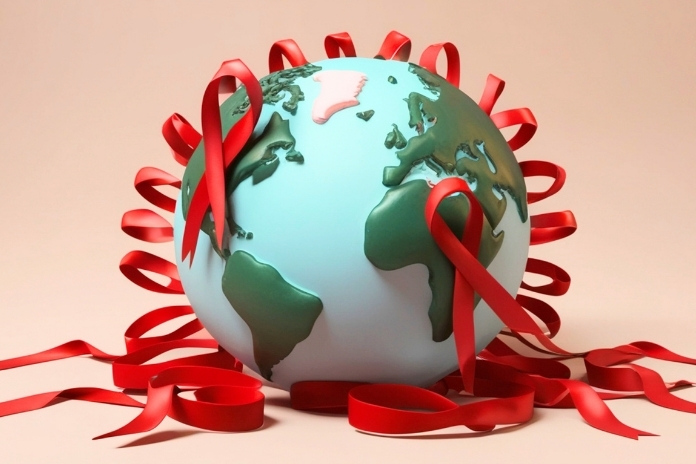
HIV, which was once dreaded due to its fatal nature, has now become a manageable condition. Thanks to advances in antiretroviral therapy (ART), many people living with HIV are reaching their 50s, 60s, and beyond. Today, nearly half of the global population living with HIV is over the age of 50.
However, with longer life expectancy comes a new set of challenges. Aging with HIV is not just about maintaining viral suppression; it is also about managing the physical, emotional, and social changes brought about by time.
As the body grows older, HIV interacts with the natural aging process in unique ways. This article explores how that happens and what steps can help preserve long-term health and quality of life.
Read More: HIV vs. AIDS: Key Differences, Testing, and Prevention Explained
Key Takeaways — What You’ll Learn
- How does aging affect the behavior of HIV within the body?
- Why do some age-related health issues appear earlier in people living with HIV?
- Medication management and the challenges arising from polypharmacy
- Growing Older with HIV: The Emotional and Social Aspects
- Practical steps to stay healthy, active, and connected
How Aging Changes the Way HIV Affects the Body

1. A Weakened but Active Immune System
The immune system doesn’t always bounce back to full strength, even with consistent viral suppression. Over time, chronic inflammation can lead to”inflamm-aging,” which strains the body’s organs.
The CD4 counts may be stable, but the resistance to infection gradually weakens. This constant, low-grade inflammation is partly the reason why older adults living with HIV tend to be more prone to certain chronic diseases.
2. Early Onset of Age-Related Conditions
Research has shown that HIV might accelerate certain aspects of biological aging. Oxidative stress, long-term immune activation, and medication effects may contribute to an earlier onset of cardiovascular disease, diabetes, and osteoporosis.
In fact, many people living with HIV develop age-related health problems five to ten years earlier than HIV-negative individuals due to the influence of the infection on certain aspects of biological aging.
Common Health Challenges in Older Adults with HIV
1. Cardiovascular Disease
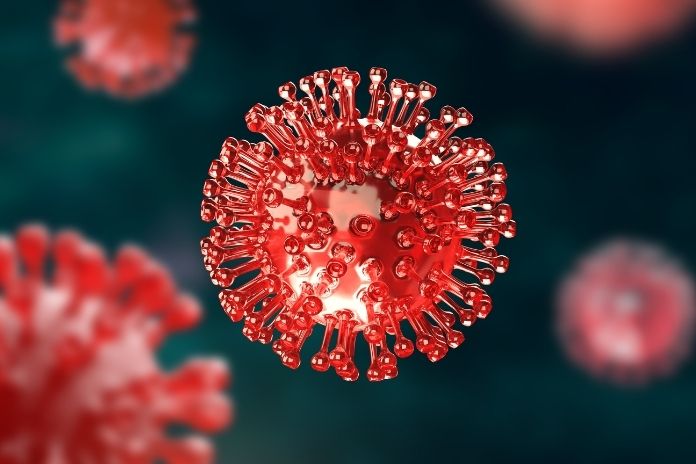
In an aging HIV-positive population, there is an increasing risk of heart disease. The chronic inflammation can be worsened with the use of some antiretroviral therapies and lifestyle factors like smoking or a poor diet. It raises the risk of hypertension, heart attacks, and stroke.
You must prioritize regular blood pressure, cholesterol, and blood sugar checks while maintaining a heart-healthy lifestyle.
2. Bone Density Loss (Osteopenia / Osteoporosis)
Weakened bones are a common feature in aging HIV-positive individuals. The virus itself and some ART medications disrupt bone metabolism. For this reason, calcium and vitamin D are critical to bone health, along with weight-bearing exercise.
Opt for strength training and better nutrition. These changes can prevent fractures and osteoporosis to a great extent.
3. Cognitive Decline and Changes to Memory
With aging, people with HIV may develop cognitive changes. HIV-associated neurocognitive disorder (HAND) overlaps with natural aging in various ways, reflecting symptoms such as forgetfulness, slower thinking, or irritability.
Early diagnosis is important to develop habits for a healthy brain in the future. You must stay mentally active, socially connected, and schedule regular checkups with your doctor for cognitive issues.
4. Kidney and Liver Problems
Long-term use of many medications, as well as diseases such as diabetes and hypertension, can all impact renal and hepatic function. Regular blood tests can ensure that the treatments are safe and effective.
Keeping yourself well-hydrated, avoiding excessive alcohol use, and reviewing medications with the healthcare provider can protect the kidneys and liver.
5. Cancer Risk
Older adults with HIV are at a higher risk for several cancers, including anal, liver, and lung cancers. Regular screening, vaccination against HPV infection, and timely response to symptoms can help with early detection and improve treatment.
Read More: Experimental HIV – 1 Vaccine Induces Positive Immune Responses Against HIV Virus
Managing Medications and Polypharmacy
Managing multiple medications becomes challenging as people age. Many older adults with HIV take antiretroviral therapy in addition to drugs for heart disease, diabetes, or depression. This combination increases the risk for drug interactions and reduces the effectiveness of medicines, or results in side effects.
- It is essential to keep an updated medication list, share it with all healthcare providers, and use only one primary pharmacy.
- Try to have an open communication with the HIV specialists, general practitioners, and pharmacists. Doing this ensures that the treatment remains both effective and safe.
Mental Health, Loneliness, and Stigma
Older adults who live with HIV face a kind of double stigma: one concerning the virus itself, another relating to aging. This may lead to isolation, depression, or anxiety. Fears of disclosure and a lack of peer support make reaching out for help very tough.
A few things that can help are community programs, therapy, and peer support groups. These activities and groups can make a huge difference in bonding and maintaining social connections.
Chronic stress, sleep issues, and the constant burden of medication management can take their toll on mental clarity and mood. The simple, consistent habits of mindfulness, physical activity, and maintaining social ties can strengthen emotional health and help protect cognitive function over time.
Sexual Health and Intimacy After 50

Sexual health is important at any age. For older adults with HIV, sexual activity is an important aspect, too. However, they tend to overlook or underestimate the risk of other sexually transmitted infections.
The patients should have candid discussions with their providers regarding sexual activity, libido changes, or erectile dysfunction. Protection and regular sexually transmitted infections (STIs) screenings help maintain both confidence and safety.
Social, Financial, and Caregiver Challenges
This usually involves the coordination of various specialists to manage both HIV and age-related conditions, but often comes with communication gaps. Integrating HIV care with either geriatric or primary care will aid in the various aspects of treatment and in addressing health more holistically.
Many living with HIV in older adulthood experience housing instability or limited family support. Access to senior centers, HIV community programs, and home-based care services can facilitate daily living and better security. These networks provide not just physical assistance but also emotional stability and companionship.
Staying Healthy: Lifestyle and Preventive Steps

Aging well with HIV requires being proactive about general wellness. Healthy living habits help reduce inflammation, maintain energy levels, and support the effectiveness of medications.
Focus on these key areas:
- Eat a balanced, anti-inflammatory diet full of fruits, vegetables, lean protein, and omega-3 fats.
- You can combine cardio and strength training at least three to five days per week.
- Do not smoke; use alcohol in moderation to avoid heart, liver, and bone disease.
- Schedule regular screenings for heart, bone, kidney, cognitive, and cancer health.
- Keep your vaccinations current, including flu, COVID, pneumococcal, and shingles shots.
Looking Ahead — Building a Holistic Care Plan
Living with HIV as one ages is more than just medical management; it is about living a full life and remaining independent. Integrating care for HIV with geriatric support helps ensure that treatment truly addresses the person and their feelings and not just statistics across the globe.
Open communication with healthcare providers about aging goals, sexual health, and long-term independence builds a care plan that truly reflects your needs.
Read More: How HIV is Transmitted: Myths vs. Facts You Need to Know
Conclusion
With complete and effective care, people over 50 living with HIV can lead long and meaningful lives. The focus should be on maintaining overall health, managing comorbidities, supporting mental well-being, and staying linked to community resources.
While aging with HIV may bring new challenges, proper care, open communication, and a strong support system can help one live not just longer but better.
References
- Penhollow, T. M. (2024). Sexuality in older adults: Comprehensive strategies for clinicians and patient-centered care. American Journal of Lifestyle Medicine, 19(3), 392–402. National Center for Biotechnology Information.
- Shim, M.-S., Kim, I., & Kim, G. (2025). Health problems and challenges due to aging among people living with HIV aged 50 and older: A qualitative study. BMC Public Health, 25, Article 2122.
- Fatokun, B. S., Uwishema, O., Mugisha, N., Abdulraheem, B. O., Rivera-Cazaño, C. V., Jeanne d’Arc, U., & Bekele, H. T. (2025). Psychiatric comorbidities in HIV/AIDS patients and its overlap with neurological disorders. Discover Mental Health, 5(1), Article 165.
- Saint-Charles, P., Didierlaurent, A. M., & Appay, V. (2025). Ageing with HIV-1: Immunological challenges for effective vaccination. Immunity & Ageing, 22, Article 48. National Center for Biotechnology Information.
- Guaraldi, G., Orlando, G., Zona, S., Menozzi, M., Carli, F., Garlassi, E., Berti, A., Rossi, E., Roverato, A., & Palella, F. J. (2018). Premature age-related comorbidities among HIV-infected persons compared with the general population. Clinical Infectious Diseases, 53(11), 1120–1126. National Center for Biotechnology Information.
- Appay, V., & Sauce, D. (2017). Immune activation and inflammation in HIV-1 infection: Causes and consequences. The Journal of Pathology, 232(2), 233–241. National Center for Biotechnology Information.
In this Article