












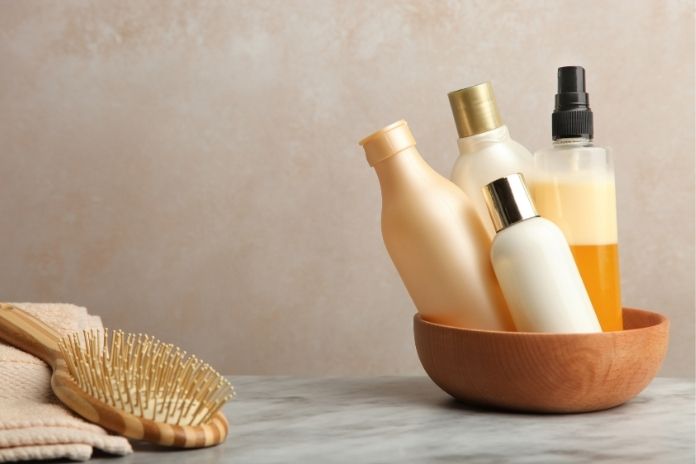
You’re in the shower, half-awake, lathering your hair, when a small thought crosses your mind: Could something as routine as shampoo actually be messing with your hormones? Later, scrolling through social media, you stumble across a post claiming that your favorite brand is “destroying your endocrine system.” Suddenly, a product you’ve trusted for years feels like a potential threat.
It’s easy to feel alarmed. Concerns about endocrine disruptors in everyday personal care items aren’t just clickbait; they stem from real scientific research.
Certain chemicals can, in theory, interfere with hormone signaling, which plays a vital role in growth, metabolism, reproduction, and overall health. But here’s the thing: the headlines often exaggerate risk, ignore dosage, and overlook the difference between lab studies and real-world exposure.
Understanding the science is key. This article will walk you through what endocrine disruptors really are, which shampoo ingredients have raised concerns, what the evidence actually says about hormone effects, and how you can make smart, practical choices for your hair care routine, without unnecessary fear.
Why Hormone Concerns Around Personal Care Products Are Growing
Hormone-related health issues, like early puberty, fertility challenges, and metabolic changes, have been receiving more attention in recent years, and so has the role of chemical exposure in daily life. Researchers now understand that humans are exposed to hundreds of environmental chemicals every day, through food, air, water, and a wide range of consumer products.
Personal care items, including shampoos, are noteworthy because they’re applied directly to the skin, often daily, which increases the potential for chemical absorption. The concern isn’t just about any single product; it’s about cumulative exposure over time. Even small amounts of certain chemicals, when added together from multiple sources, could theoretically affect the endocrine system.
According to the National Institute of Environmental Health Sciences, looking at exposure in context, frequency, dosage, and combined sources is crucial. This perspective helps separate realistic risk from fear-driven headlines, and is key when considering whether your shampoo could be influencing your hormones.
Understanding Endocrine Disruptors: How Everyday Chemicals Can Affect Hormones
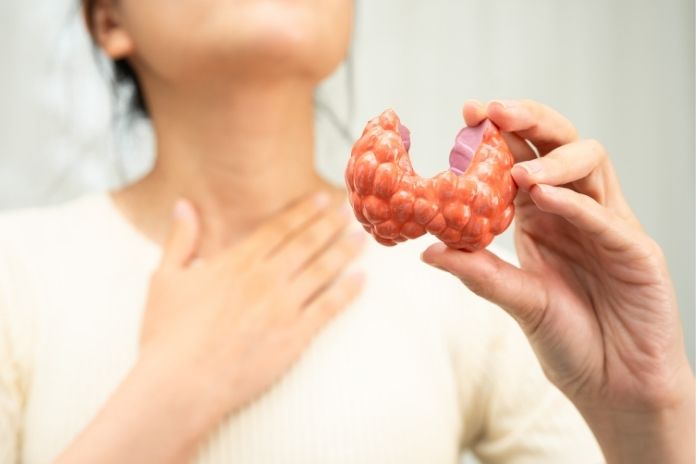
We’re exposed to thousands of chemicals daily, from food and water to cleaning products and personal care items like shampoo. While most are harmless at typical levels, some can interfere with the body’s hormone system. These are called endocrine disruptors.
The endocrine system is a network of glands and hormones that controls growth, metabolism, reproduction, and mood. Even subtle chemical interference can affect how the body functions over time.
What Are Endocrine Disruptors?
Endocrine disruptors are chemicals that interfere with normal hormone signaling. The World Health Organization defines them as substances that alter hormone function and may cause adverse effects in an organism or its offspring. Importantly, their effects are often subtle and long-term, rather than sudden or dramatic.
How They Interfere With Hormones
These chemicals can affect the endocrine system in several ways:
- Mimicking natural hormones, particularly estrogen
- Blocking hormone receptors, preventing normal signals
- Altering hormone production, transport, or breakdown
The impact depends on multiple factors, including how much exposure occurs, when it happens, and how often it’s repeated.
Why Dose, Timing, and Repetition Matter
Hormones operate at very low concentrations, which means even small exposures can be biologically relevant. Exposure during sensitive periods—such as pregnancy or early childhood—is often more concerning. In addition, repeated daily exposure, like using the same personal care product over time, may increase the chance of cumulative effects.
Not every exposure causes harm. But understanding how dose, timing, and repetition influence risk can help people make more informed, lower-risk choices.
Read More: 7 Everyday Products That May Be Disrupting Your Hormones
How Chemicals in Shampoo Can Enter Your Body
Many people assume that because shampoo is rinsed off, the ingredients never reach the bloodstream. That’s not entirely true. While rinse-off products generally pose lower exposure than leave-in products, the scalp is a surprisingly effective entry point for certain chemicals, and repeated use over time can add up.
The scalp is more absorbent than you might think.
The scalp has high blood flow, thinner skin, and a dense concentration of hair follicles. All three factors make it more permeable than areas like the arms or legs. While absorption through skin is not as efficient as swallowing something, this added permeability means certain substances can still enter circulation, especially with frequent or long-term use.
Rinse-off vs. leave-in products matter.
Shampoos fall into the rinse-off category and usually stay on the scalp for only 30 to 60 seconds. That short contact time limits exposure to a single use. But when a product is used daily, or several times a week, small amounts can be absorbed repeatedly over months or years.
Products like lotions, serums, or deodorants stay on the skin for hours instead of seconds. Because of that extended contact, they generally pose a higher exposure risk than rinse-off products, even if the ingredient concentrations are similar. What this really means is that time on skin matters just as much as what’s in the product.
Cumulative exposure is key.
Research from the Centers for Disease Control and Prevention shows that many endocrine-disrupting chemicals can be detected in human urine or blood. These findings reflect repeated exposure from multiple sources over time, not just a single product or use.
Detection doesn’t equal harm. Finding these chemicals in the body isn’t proof of damage, but it does highlight that everyday personal care products, including shampoos, contribute to the overall chemical load we carry.
Long-term patterns matter most. Scientists focus on the cumulative effect of repeated exposures rather than isolated incidents. This perspective underscores that moderation, being aware of ingredients, and choosing safer products are far more important than worrying about occasional shampoo use.
Read More: 6 Organic Shampoos for Strong and Vibrant Locks
Common Shampoo Ingredients Linked to Endocrine Disruption
While most shampoo ingredients are considered safe, a few have raised concerns due to their potential effects on the endocrine system. Understanding these chemicals, their purpose, and the evidence behind the concerns can help you make informed choices without unnecessary alarm.
Parabens
Parabens act as preservatives, preventing bacterial and fungal growth and extending product shelf life. Laboratory studies show that parabens can weakly mimic estrogen by binding to estrogen receptors, though their activity is far weaker than natural estrogen.
Scientific Evidence: Population-level studies, including research published in Environmental Health Perspectives, indicate that low-level paraben exposure is widespread but has not been conclusively linked to disease at the levels found in cosmetics.
The U.S. Food and Drug Administration (FDA) allows parabens in cosmetic products within established concentration limits, noting insufficient evidence of harm at these levels.
Phthalates (Often Hidden in “Fragrance”)
Phthalates help fragrances last longer and improve product texture.
Certain phthalates have been associated with reproductive and developmental hormone effects in animal studies and some human observational research.
Labeling Challenge: Phthalates are rarely listed individually and often appear under the umbrella term “fragrance,” making them difficult for consumers to identify.
According to Tamarra James‑Todd, associate professor at Harvard T.H. Chan School of Public Health, “When you see ‘fragrance’ on the back of a container, that often means hundreds of different chemicals, and companies aren’t required to disclose what they are.”
Triclosan
Triclosan was used as an antibacterial agent in soaps and some hair products. Animal and limited human studies have linked triclosan to potential thyroid hormone disruption.
Current Status: The FDA banned triclosan from over-the-counter antibacterial soaps in 2016. While it is now rare in shampoos, some specialty products may still contain it.
Phenols and Related Compounds
Certain preservatives and antimicrobial agents in shampoos contain phenolic structures. Phenols are being studied for potential endocrine effects, though evidence remains mixed. Most are still under investigation, and current exposure levels in cosmetics are generally considered low-risk.
UV Filters in Hair Products
UV filters protect hair from color fading and sun damage.
Some laboratory studies suggest that certain UV filters can have weak estrogenic activity. Human relevance is uncertain, particularly for rinse-off products like shampoo, where exposure is brief and limited.
Takeaway: While a few shampoo ingredients have shown endocrine activity in lab studies, real-world exposure through rinse-off products is typically low. Awareness and thoughtful ingredient choices can reduce concern, but most evidence suggests that everyday shampoo use is unlikely to cause hormonal disruption.
What the Science Actually Says About Shampoo and Hormones

Concerns about hormone disruption from everyday shampoo can be alarming, but the research tells a more nuanced story than headlines suggest. Here’s a closer look at the evidence and what it really means for typical use.
Large Population Studies: Associations, Not Proof
Epidemiological studies often detect correlations between chemical exposure and subtle hormonal changes. For example, higher levels of parabens or phthalates in urine may be linked to minor endocrine differences.
- Important nuance: These studies show associations, not causation. They cannot prove that shampoo caused the hormonal effect.
- Why findings seem contradictory: Differences in study design, populations, and measurement methods often lead to mixed results, creating confusion in media reports.
Animal Studies vs. Human Reality
Many alarming headlines stem from animal research, which frequently uses chemical doses far above what humans would encounter in normal shampoo use.
- Translation to humans is complex: The National Institutes of Health notes that effects seen in lab animals do not always replicate in everyday human exposure.
- Dose matters: Endocrine effects in animals typically occur at levels far higher than those found in cosmetic use.
Detection Does Not Equal Harm
Modern analytical techniques can detect chemicals at extremely low levels in urine or blood.
- What detection means: It confirms exposure, but it does not confirm disease or predict symptoms.
- Risk factors: Actual harm depends on total dose, frequency, duration, individual susceptibility, and cumulative exposure from all sources, including food, water, and other products.
Who May Be More Sensitive to Hormone Disruptors
Certain groups may benefit from extra caution, even if general exposure is considered low-risk:
Pregnant individuals:
Fetal development is highly sensitive to hormones, and even subtle disruptions could theoretically affect growth and development. Because of this, many clinicians recommend minimizing unnecessary chemical exposure during pregnancy as a precaution.
Being mindful of everyday products, including personal care items, can help reduce potential risks and support a healthier developmental environment for the baby.
Infants and children:
Children have lower body weight and developing endocrine systems, which means they can receive proportionally higher exposure to chemicals per pound of body weight. For this reason, pediatric organizations often recommend using simpler, fragrance-free formulations for young children to minimize unnecessary exposure and support their developing systems.
People with hormone-sensitive conditions:
Certain medical conditions, such as endometriosis, polycystic ovary syndrome (PCOS), thyroid disorders, and hormone-sensitive cancers, can make individuals more susceptible to hormonal fluctuations. While research is not conclusive, reducing avoidable chemical exposure is generally considered a reasonable precautionary measure for people with these conditions.
Takeaway: “The lipstick we wear, the food we eat, and the soap we use to clean our children’s hands often contain harmful chemicals,” said Mia Davis, head of health and safety for the personal care product company Beautycounter. “The load adds up quickly day after day. And as we swallow, breathe in, and lather up, toxins entering our bodies may have a lasting impact.”
Most studies indicate that normal shampoo use poses minimal hormonal risk for healthy adults. The key factors are exposure level, frequency, and overall chemical load from all sources. Awareness and moderation, rather than alarm, are the best strategies for managing potential endocrine disruptors in personal care products.
Read More: Forever Chemicals (PFAS) in Everyday Items: How They Impact Your Body
Hormone Imbalance Symptoms Often Attributed to Shampoo
Many people notice changes in their bodies, like irregular periods, fatigue, thyroid issues, or fertility concerns, and wonder if their shampoo could be responsible. Online forums and social media often amplify these worries, creating a sense that personal care products are the culprit.
Why Shampoo Is Rarely the Sole Cause
It’s important to understand that these symptoms have multiple potential causes. Stress, poor sleep, diet, genetics, underlying medical conditions, and environmental factors are far more likely contributors than everyday shampoo use.
The Role of Medical Evaluation
No symptom can be definitively traced to a single product without proper testing and evaluation. If you notice persistent hormone-related issues, seeing a healthcare professional is essential. Focusing on comprehensive assessment and appropriate testing is far more effective than attributing changes to a specific shampoo ingredient.
How to Choose a Hormone-Safer Shampoo
Selecting a shampoo that minimizes potential hormone-disrupting chemicals starts with understanding ingredients and labeling. Daily-use products matter most because repeated exposure, even at low levels, contributes to overall chemical load.
Ingredients to Watch
- Paraben-free: Avoids preservatives that can mimic estrogen in lab studies.
- Phthalate-free: Reduces exposure to plasticizing chemicals often hidden in fragrances.
- Fragrance-free or transparently labeled: Ensures you know exactly what’s in the product; “unscented” doesn’t always mean free of fragrance chemicals.
Common Label Claims Explained
- Hormone-safe: Not an official term, but usually implies avoidance of known endocrine disruptors.
- Third-party certifications: Independent testing or certifications (like EWG or COSMOS) provide added transparency, though they aren’t guarantees.
Dr. Robin Dodson, research scientist at Silent Spring Institute, states: “When it comes to selecting personal care products like shampoos, being mindful of the ingredients on the label can make a meaningful difference in your overall chemical exposure. Avoiding products that contain parabens, phthalates, and undisclosed fragrance chemicals can significantly lower the levels of these substances in the body over time.”
She also adds that since daily-use products are applied repeatedly, even small amounts of these chemicals can add up, contributing to cumulative exposure. Choosing products with simpler formulations, transparent labeling, and third-party certifications whenever possible provides an extra layer of reassurance, helping consumers make informed decisions that prioritize both safety and long-term health.
Simple Ways to Reduce Overall Exposure (Without Panic)
You don’t need to overhaul your entire personal care routine overnight. Small, consistent changes can reduce chemical exposure without causing unnecessary stress. The goal is to focus on the most impactful habits first.
Practical Steps to Minimize Exposure:
- Choose wisely for daily-use items: Prioritize products you use most often, like shampoo, body wash, and lotion. These contribute the most to cumulative exposure.
- Reduce heavily fragranced products: Fragrances often contain hidden chemicals, including phthalates. Switching to fragrance-free or transparently labeled options can lower potential risk.
- Rotate rather than layer products: Using too many different products at once increases overall exposure. Simplifying your routine helps limit unnecessary chemicals.
- Wash hands before eating: This prevents accidental ingestion of residues that can accumulate on hair, scalp, or skin.
Keep Perspective: Shampoo is rarely the main source of endocrine disruptors in daily life. Diet, environment, and other personal care products contribute as well. Focusing on practical, manageable steps reduces exposure without causing anxiety or overcomplicating your routine.
When Shampoo Is Unlikely to Be the Main Problem
It’s easy to single out shampoo as the culprit when thinking about hormones, but in reality, it’s only a small part of overall chemical exposure. Endocrine-disrupting chemicals are present in many everyday sources that often contribute more to total exposure than personal care products.
Common Major Sources Include:
- Food packaging: Many plastics, cans, and wraps contain chemicals like BPA that can leach into food.
- Household plastics: Containers, water bottles, and storage items may release low levels of hormone-active chemicals over time.
- Household dust: Dust can accumulate residues from cleaning products, flame retardants, and other environmental chemicals.
- Pesticides: Residues on fruits, vegetables, and lawn-treated areas are a frequent source of exposure.
- Contaminated water: Trace chemicals from industrial or agricultural runoff may end up in drinking water.
Data from the CDC and other public health agencies show that dietary and environmental exposures typically outweigh what we absorb from cosmetics like shampoo. This perspective helps put concern about shampoo in context: while it’s reasonable to make safer choices, most hormonal effects are more influenced by lifestyle, environment, and diet than by the products we lather on our hair.
Final Takeaway
It’s true that certain ingredients in shampoo, like parabens, phthalates, or fragrance chemicals, have been linked in studies to hormone-related effects. Repeated use can contribute to your overall chemical exposure, but this doesn’t mean your shampoo is secretly “wrecking” your hormones. The real picture is far more nuanced.
The potential risk depends on multiple factors: the dose of chemicals you’re exposed to, how frequently you use the product, your life stage (for example, pregnancy or childhood), and the total environmental and dietary exposure from other sources. Shampoo is just one piece of a much larger puzzle.
The smarter approach is making informed, balanced choices rather than reacting out of fear. Opting for products with clear labeling, simpler formulations, or fewer questionable ingredients can reduce unnecessary exposure without overhauling your entire routine. Meanwhile, focusing on overall lifestyle factors, nutrition, stress management, and environmental awareness has a far bigger impact on hormone health.
Understanding how shampoo and other personal care products interact with your endocrine system allows you to make practical, evidence-based decisions. With this knowledge, you can maintain your routine safely, reduce unnecessary worry, and focus on what truly influences your health, without panic, guilt, or unnecessary stress.
References
- Centers for Disease Control and Prevention. (n.d.). Frequently asked questions: National environmental exposure report.
- Centers for Disease Control and Prevention. (n.d.). National report on human exposure to environmental chemicals.
- National Institute of Environmental Health Sciences. (n.d.). Endocrine disruptors.
- U.S. Food and Drug Administration. (n.d.). Cosmetics safety Q&A: Parabens.
- Sathyanarayana, S., Karr, C. J., Lozano, P., Brown, E., Calafat, A. M., Liu, F., … Swan, S. H. (2010). Baby care products: Possible sources of infant phthalate exposure. Pediatrics, 121(2), e260–e268.
- Gao, C. J., Kannan, K., Phthalates, parabens, and phenols in personal care products from the United States. (2024). Journal of Exposure Science & Environmental Epidemiology.
- Darbre, P. D. (2006). Environmental oestrogens, cosmetics and breast cancer. Best Practice & Research Clinical Endocrinology & Metabolism, 20(1), 121–143.
- Harvard T.H. Chan School of Public Health. (n.d.). Harmful chemicals in personal care products.
- Harvard T.H. Chan School of Public Health. (n.d.). Is clean beauty for real? (Better Off Podcast).
- Columbia University Irving Medical Center. (n.d.). What’s in shampoo, makeup, and soap — and how chemicals can change you.
- Silent Spring Institute. (n.d.). Choosing safer personal care products can lower exposure to risky chemicals.
- People for the Ethical Treatment of Animals. (n.d.). EPA Endocrine Disruptor Screening Program.
- WebMD. (n.d.). What to know about shampoo ingredients.
- Elchemy. (n.d.). The science behind chemicals for shampoo: Why every ingredient matters.
In this Article