















Most of us toss and turn in the night until wee hours in the morning. Many blame it on the late coffee shot, too much screen exposure, etc. Though these are a few reasons, another reason might surprise you.
If you, too, are lying awake at night, staring at the ceiling, it’s easy to assume the problem is all in your head. Stress, too much screen time, or an extra coffee in the afternoon often gets the blame. But scientists are discovering a surprising truth: the problem may actually begin in your gut.
Your digestive system is home to trillions of microorganisms. These are collectively known as the gut microbiome. The microorganisms don’t just help digest food, but also produce chemicals that influence mood, immunity, and sleep.
Recent studies suggest that when these gut bacteria fall out of balance, your chances of developing insomnia or other sleep issues rise. Even more fascinating, sleep itself affects the gut, creating a two-way relationship that can either support your health or spiral into a cycle of poor rest and poor digestion.
This article helps us understand what science currently knows about the gut-brain-sleep connection, how gut bacteria may contribute to insomnia, and what you can do to restore balance for better sleep.
Read More: Can You Heal a Leaky Gut Naturally? Science-Backed Solutions for Better Gut Health
The Gut-Brain-Sleep Connection Explained
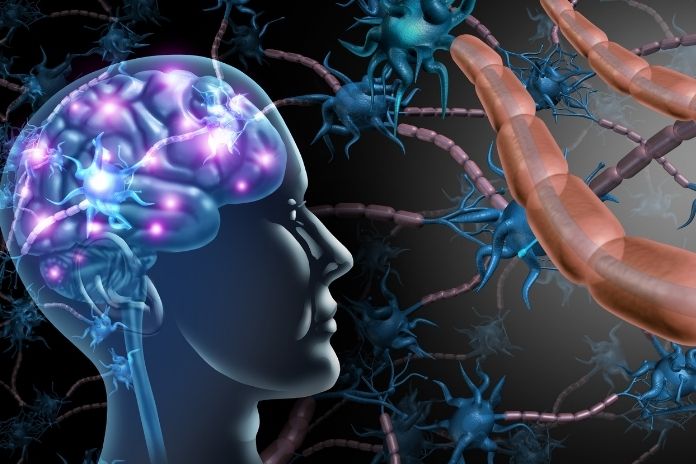
The gut is often called the “second brain” because of the enteric nervous system. It is a vast network of nerves lining your digestive tract. These nerves release chemical messengers that communicate directly with the brain through the vagus nerve. This gut-brain axis is central to how sleep and gut health are linked.
- Neurotransmitters From the Gut: Many of the brain’s sleep-related chemicals originate in the gut. Around 90% of serotonin, a key mood stabilizer and precursor to melatonin, is produced in the digestive tract. Melatonin is the hormone that signals your body when it’s time to sleep. The gut also impacts levels of GABA, a calming neurotransmitter that reduces brain activity so you can drift off.
- The Circadian Rhythm Connection: Your body runs on an internal clock that regulates sleep, hormones, and digestion. Interestingly, your gut bacteria also follow daily rhythms. Certain microbial groups are more active during the day, while others dominate at night. If these circadian rhythms fall out of sync, let’s say, from jet lag, late-night meals, or shift work, both digestion and sleep suffer.
- The Feedback Loop: Poor gut health can make sleep worse, while poor sleep can throw off gut balance. This two-way cycle means even minor disruptions, like a week of poor sleep, can start affecting both systems.This shows that your gut isn’t just quietly digesting food; it is actively influencing when and how well you sleep.
How Gut Bacteria Can Influence Insomnia

When the gut microbiome becomes unbalanced, a condition called dysbiosis, it can lead to several problems that make sleep harder:
- Cortisol and Stress Response: A disrupted gut microbiome leads to higher cortisol, the hormone your body releases under stress. Elevated cortisol at night makes it difficult to fall asleep and may cause frequent waking.
- Specific Bacterial Roles: Research has found that some bacterial strains, such as Lactobacillusand Bifidobacterium, are associated with better sleep quality because they support serotonin and gamma-aminobutyric acid (GABA) Others, often linked to inflammation, may contribute to restless nights.
- Inflammation and Brain Signaling: An unhealthy gut can release inflammatory molecules into the bloodstream. These molecules cross into the brain and interfere with neurotransmitters, making it harder to regulate sleep cycles.
- Mood and Anxiety Links: Dysbiosis is also connected to anxiety and depression, both of which commonly overlap with insomnia.
In short, gut bacteria can disturb the balance between calm, balanced rest and restless, sleepless nights.
Read More: Gut Health and Diet: Foods that Promote a Healthy Digestive System
How Insomnia Can Harm Gut Health

The relationship is bidirectional: just as your gut can disrupt sleep, poor sleep damages gut health.
- Loss of Bacterial Diversity: Studies show that even a few nights of poor sleep reduce the quality of gut bacteria, promoting strains linked to inflammation and poor metabolic health.
- Changes in Appetite and Cravings: Sleep deprivation affects hormones like ghrelin and leptin, which control hunger. When you’re sleep-deprived, you’re more likely to crave processed, sugary foods. These foods feed harmful bacteria, worsening dysbiosis.
- Gut Barrier Weakness: Chronic insomnia may contribute to “leaky gut,” where the intestinal lining becomes more permeable. This allows toxins and bacteria to escape into the bloodstream, fueling inflammation that affects the brain and other organs.
- Immune System Strain: Poor sleep also weakens the immune system, which normally helps regulate gut bacteria and keep harmful microbes in check. This creates a cycle: insomnia worsens gut health, and poor gut health makes insomnia harder to beat.
Improving Gut Health to Support Better Sleep

The good news is that by keeping your gut healthy, you can promote better sleep patterns. Experts recommend a mix of dietary, lifestyle, and stress-management strategies, such as:
- Eat a gut-friendly diet. Focus on whole, fiber-rich foods like vegetables, fruits, legumes, and whole grains. These feed the good bacteria and promote serotonin production. Fermented foods like yogurt, kefir, kimchi, and sauerkraut are rich sources of good gut bacteria.
- Consider probiotics and prebiotics. Research on probiotics for sleep is still emerging, but certain strains (e.g., Lactobacillus rhamnosus, Bifidobacterium longum) show promise in reducing stress and improving sleep quality. Prebiotics, fibers that feed probiotics, also help build a healthy microbiome.
- Manage stress. Stress reduction techniques like yoga, meditation, deep breathing, and regular exercise lower cortisol, which benefits both sleep and gut balance.
- Stick to consistent sleep hygiene. Try to go to bed and wake up at the same time daily, keep your room cool and dark, and avoid late-night heavy meals that disturb both digestion and circadian rhythm.
- Limit alcohol and caffeine. Caffeine and alcohol both irritate the gut and interfere with sleep quality. Cutting down can improve microbiome health and make falling asleep easier.
Over time, these small changes can strengthen the gut-sleep connection, improve sleep quality, and help break the cycle of insomnia.
“Sleep deprivation leads to dysfunction of gut microbiota, and sleep disorders are accompanied by altered gut microbiota composition,” says Dr. Fouzia Siddiqui, neurologist and medical director of the Sleep Center at Sentara Health.
When to See a Doctor

While lifestyle changes can help, chronic insomnia often requires medical attention. Experts recommend consulting a doctor if:
- You struggle to sleep at least three nights or more per week for more than three months.
- Insomnia comes with gut-related symptoms like bloating, gas, diarrhea, or food sensitivities.
- Your sleep problems affect daily functioning, mood, or memory. In short, it impacts your quality of life.
- Over-the-counter remedies or lifestyle adjustments haven’t made a difference, and you still have restless nights.
Consider visiting an expert in this area. A sleep specialist can test for conditions like sleep apnea, while a gastroenterologist can evaluate gut issues. In some cases, a planned and customized approach between both is needed.
Read More: Simple Ways To Tackle Insomnia
Conclusion
Science is making it clear: insomnia is not just a brain problem, but it’s also a gut issue. Your microbiome helps produce sleep-regulating chemicals, influences stress, and affects inflammation. At the same time, poor sleep throws the gut off balance, creating a frustrating cycle that makes it difficult to fall asleep at night.
The good news is that you can manage this with a few solutions. Eating gut-friendly foods, taking probiotics, managing stress, and keeping a consistent sleep routine can make a noticeable difference. If insomnia persists, a doctor can help uncover whether gut health or another underlying condition is at play.
Take care of your gut, and you may finally get that much-deserved restorative sleep you’ve been craving for since a long time!
References
- https://onlinelibrary.wiley.com/doi/full/10.1002/fbe2.12081
- https://www.maxhealthcare.in/blogs/leaky-gut-syndrome-diet-causes-test-symptoms-treatment
- https://onlinelibrary.wiley.com/doi/full/10.1002/fbe2.12081
- https://pmc.ncbi.nlm.nih.gov/articles/PMC5641835/
- https://www.nature.com/articles/s41538-024-00253-2
- https://www.sciencedirect.com/science/article/pii/S1097276500801719
In this Article