














We often discuss pregnancy and conception so much. Not just that, we openly talk about contraceptive methods as well. However, one topic that’s often less discussed is abortion.
Imagine you’ve just had a really personal and potentially life-changing choice—abortion. And now, a storm of questions comes rushing in. “Can I become pregnant again? How quickly? Is my body healthy for a normal pregnancy?” You’re not alone. A lot of women who have an abortion—whether planned or under challenging circumstances—find themselves asking the same thing.
Myths Around Post-Abortion Fertility:
There are unlimited myths out there: that you can’t get pregnant after an abortion, that abortion will ruin your uterus for good, or that it can complicate future pregnancies. These myths usually arise out of fear, misinformation, or personal experience—but not science. The truth is that for the overwhelming majority of individuals, a safe abortion does not affect future fertility.
Understand Your Reproductive Health After Abortion:
Understanding how your body heals after an abortion empowers you to make good choices—whether to prevent another pregnancy or plan one. It also provides you with the emotional foundation you need to begin again with confidence and a clear conscience.
How Abortion Affects Fertility (Short- and Long-Term)
Let’s together understand how abortion affects future conception and overall fertility in women.
Does an Abortion Cause Infertility?
Medical vs surgical abortion impacts the uterus and ovaries. Both surgical and medical abortions are safe and usually do not impact long-term fertility. A medical abortion uses pills to terminate a pregnancy and does not require surgery, whereas a surgical abortion entails a small procedure to get rid of the pregnancy tissue. Neither of the procedures damages the uterus or ovaries when performed by trained professionals.
The American College of Obstetricians and Gynecologists (ACOG), the World Health Organization (WHO), and the UK’s NHS all agree that having a legal abortion in a safe clinic won’t lead to infertility or make conception more difficult later.
When Your Body Starts Ovulating Again
How soon does ovulation resume after abortion? Ovulation may resume as early as two to three weeks after an abortion, depending on how far along you were in your cycle when pregnancy was terminated. That means your body could be ready to get pregnant again before your next period even arrives.
Signs That You Are Fertile Again:
Some of these significant indications include:
- Having a clear, stretchy cervical mucus (similar to egg whites)
- Slight pain or cramps on one side of your abdomen (one of the signs of ovulation)
- A rise in basal body temperature
- Increased sex drive
Read More: Emergency Contraception: What You Need to Know and How It Works
How Soon Can You Get Pregnant After an Abortion?
You can get pregnant as soon as 14 days post-abortion. That’s because ovulation usually occurs before your first post-abortive period. If you have sperm present within your body when you ovulate, you can become pregnant.
Why can pregnancy occur before your next period? This is the key point: your first period after an abortion isn’t the return of fertility—it’s the conclusion of your first complete cycle. Because ovulation precedes menstruation, you could get pregnant without knowing you’re fertile again.
What Gynecologists Recommend:
Most OB-GYNs recommend using birth control immediately after an abortion if you’re not ready to conceive. If you’re planning to get pregnant again soon, doctors suggest waiting at least one menstrual cycle for emotional and physical recovery—but there’s no medical rule requiring long delays.
Things That May Affect Fertility After Abortion
Multiple Abortions and Potential Complications (Rare but Possible)
Having more than one abortion doesn’t necessarily harm your fertility. But multiple surgeries, particularly when performed in unclean environments, can slightly increase risks for things like:
- Thinning of the uterine wall
- Insufficiency of the cervix
- Problems with the placenta in later pregnancies
But again, these are unusual and mostly preventable with good care.
Uterine Scarring (Asherman’s Syndrome)
Asherman’s syndrome is the formation of scar tissue within the uterus, typically after surgical trauma. It is rare but can be seen after multiple or forceful dilation and curettage (D&C) procedures. Symptoms may range from light periods, abnormal bleeding, or difficulty conceiving.
Infections, Pelvic Inflammatory Disease (PID)
If one does an abortion without antibiotics or under unhygienic conditions, infection may spread from the uterus to the tubes. Scarring caused by Pelvic Inflammatory Disease (PID) can clog the tubes and affect fertility. But with preventive measures using antibiotics and sterile conditions, these problems are kept at bay.
Read More: Get to know about Natural Birth Control
Birth Control After Abortion: What You Should Know
Why You Shouldn’t Wait to Use Protection
High Fertility Window after Abortion:
As we’ve mentioned, you’re fertile again within 2–3 weeks post abortion, which is why acting fast is key. If you’re not planning to conceive again right away, use contraception immediately, even before your period returns.
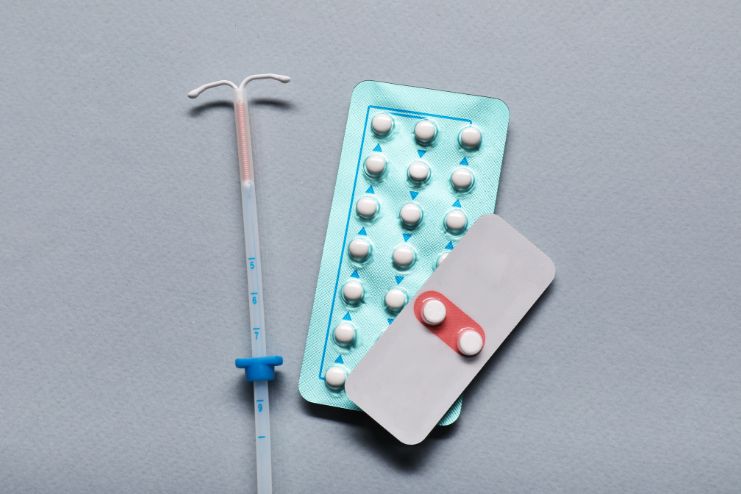
Common birth control options to prevent conception include:
- Oral contraceptives – Can be started the day of the abortion
- IUDs – Often inserted immediately post-surgical abortion
- Contraceptive injection (Depo) – Starts same day
- Implants and rings – safe to start a few days after abortion
- Condoms – instant protection, no hormones
Can You Get Pregnant Right After a Medical Abortion?
As we have already mentioned above, there are two ways to abort: medical abortion and surgical abortion. Medical abortion is the quickest and easiest of them both. Let’s understand how soon or not you can get pregnant after a medical abortion.
Myths About Medication, Abortion, and Fertility
Some people assume that the abortion pill (mifepristone + misoprostol) postpones pregnancy and impacts fertility. It doesn’t. As soon as the pregnancy hormones drop, your ovaries reboot and begin preparing to ovulate again, sometimes just in two weeks.
How soon can we expect ovulation?
Expect ovulation to return 2 to 6 weeks after medical abortion. It depends on your hormonal make-up and how far along you were in the pregnancy.
Read More: Trying to Conceive? The Link Between Vitamin D Deficiency and Infertility
Planning a Pregnancy After an Abortion

If you wish to plan a pregnancy after having an abortion, one question might be bothering you. And that is when it is safe to try again?
There isn’t any firm rule of medicine here. Doctors usually recommend waiting a full menstrual cycle before conceiving again. This allows your uterine lining to regrow and your hormone levels to stabilize.
Healthy Pregnancy Tips:
- Take prenatal vitamins, particularly folic acid.
- Monitor ovulation for improved timing.
- Have a well-balanced, fertility-enhancing diet.
- Be physically active, but avoid strenuous exercise during the recovery process.
- Avoid booze, cigarettes, and excessive caffeine.
- Manage stress along with emotional well-being to support conception.
What To Discuss with Your OB-GYN
After an abortion, you might have many questions. The future might seem uncertain, and professional advice from an OB-GYN is the only answer to this. Here’s what you can ask:
- Is my period normal now?
- Do I require a pelvic ultrasound or hormone test?
- Are my iron levels okay after an abortion?
- Should I be tested for STIs or infections before trying?
Emotional and Mental Health Considerations
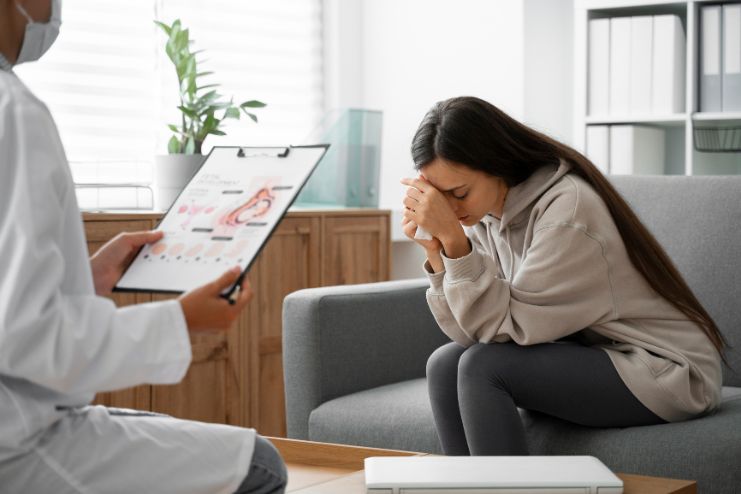
When I went through an abortion, it was a life-changing experience, physically and even more so, emotionally. I was a mixed bag of emotions, mostly worried and sad.
Here are a few common feelings you might have after an abortion:
You may feel relief, or sad, or guilty. Or all experience all the various emotions in waves. This is perfectly alright! Hormonal shifts post-abortion can affect mood, and your decision might continue to emotionally resonate even weeks later.
If you’re thinking about becoming a parent again (or for the first time) but feel unsure, speak to:
- A licensed therapist
- A reproductive counselor
- A family planning nurse or OB-GYN
- Support systems such as Exhale, All-Options, or Planned Parenthood
Talking is helpful. You don’t have to go through it by yourself.
Read More: Understanding Hormonal Imbalance and Its Impact on Fertility
FAQs
- Can abortion lead to miscarriage later?
No. Abortion, if performed safely, doesn’t increase your risk of miscarriage during future pregnancies.
- Will multiple abortions affect future pregnancies?
Maybe—if they were surgical and resulted in scarring. But most women who have had multiple abortions have had healthy pregnancies afterward.
- How can I track ovulation after an abortion?
- Use ovulation prediction kits (OPKs)
- Monitor cervical mucus shifts
- Take basal body temperatures
- Experiment with fertility apps or smartphone hormone trackers
Conclusion – You Can Get Pregnant Again, But Timing Is Everything
The vast majority of individuals become fertile again soon after an abortion, possibly in as little as two weeks. While it’s comforting to many, it also leaves pregnancy a possibility before you’re ready physically or psychologically.
Whether you’re hoping to put pregnancy off or begin a new life soon, understanding your body’s timing, listening to its cues, and speaking with a medical professional are your best resources. You have options. You have time. And most importantly, you still have a future full of promise—no matter where the road takes you.
References
- https://progenesisivf.com/blog/how-does-pelvic-inflammatory-disease-cause-infertility-treatments-for-pid/
- https://www.pennmedicine.org/adam-data/conditions/2025/04/21/20/28/Asherman-syndrome
- https://www.pristyncare.com/blog/pregnancy-after-abortion/
- https://ujalacygnus.com/blog_post/after-an-abortion-is-it-possible-to-get-pregnant/
- https://ujalacygnus.com/blog_post/after-an-abortion-is-it-possible-to-get-pregnant/
- https://www.betterhealth.vic.gov.au/health/healthyliving/Contraception-after-an-abortion
In this Article