










The largest blood vessels in your body, our arteries, are essential for supplying oxygen and nutrients to all of our organs, tissues, and cells. Therefore, maintaining these essential channels in optimal condition is crucial for our well-being.
The superhighways of the circulatory system, the arteries, carry blood from the heart to every cell in our body. These muscular, tube-like structures expand and contract to force life-sustaining blood through our bodies, and organs and tissues require oxygen and nutrition to function correctly. It is why it’s so crucial to keep artery routes free of debris.
The key question asks whether you can reverse or slow down arterial plaque naturally without surgery or heavy medication. Although it is impossible to eradicate plaque, it can be reduced and stabilized with medication and lifestyle modifications.
This article will cover the science behind natural plaque reversal, the value of early intervention, and doable long-term prevention strategies to safeguard your heart health.
Read More: High Protein Diets Can Clog Your Arteries, New Study Suggests
What Is Arterial Plaque (Atherosclerosis)?
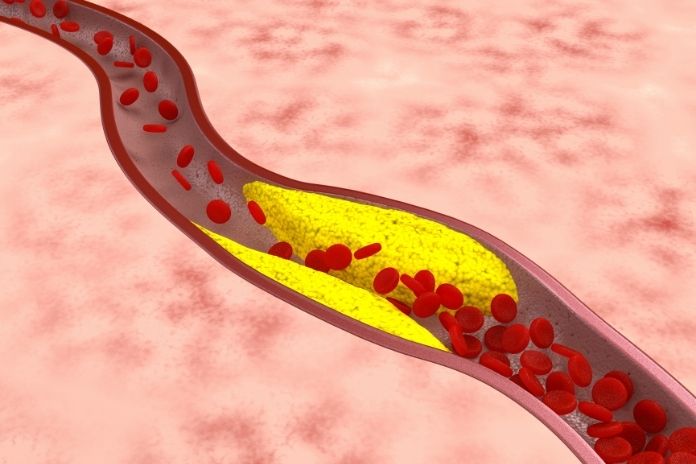
The most frequent cause of heart disease is atherosclerosis. The hardening and constriction of the heart’s arteries is known as atherosclerosis. The accumulation of plaque within the arteries is what defines it.
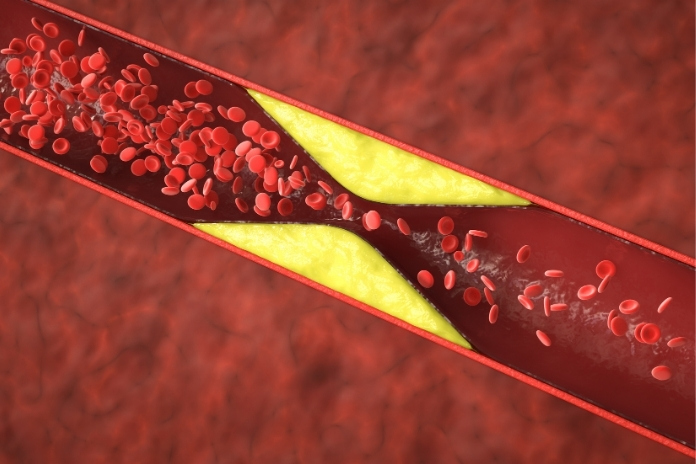
Deposits of calcium, fibrin, cellular waste materials, cholesterol, and fatty substances make up plaque. The arterial walls thicken and stiffen when it accumulates within the arteries.
The slow-moving, degenerative condition known as atherosclerosis can begin in childhood. It can also advance very quickly.
It could be a while before you notice any symptoms. Over time, as plaque builds up and thickens, the artery’s lumen becomes narrower, leaving less room for blood to flow. As a result, your organs and tissues will receive less blood. Furthermore, a blood clot may form as a result of plaque erosion or rupture brought on by the continuous force of blood flow.
A narrowed artery resembles a freeway with only one lane. However, a blood clot is similar to a roadblock. This restricts blood from reaching the tissues or organs that the artery normally nourishes.
Can Plaque Be Reversed — or Just Stopped?
Clearing a clogged drainpipe is possible. Is there a way to make your arteries clear again?
“Unfortunately, plaque buildup cannot be fully reversed,” says Dr. Juan Carlos Rozo, a cardiologist at Houston Methodist. It’s a reality that emphasizes the importance of preventing atherosclerosis in the first place. But while existing deposits may not be reversible, effective management of coronary artery disease can help prevent further plaque buildup.
In particular, doctors seek to treat the weaker plaques before they burst. For example, when a soft plaque causes about a 30% blockage in your artery, the goal is to reduce it by pulling cholesterol out of the deposit so that it narrows to around 15% and leaves the artery clear.
But how exactly can cholesterol be taken out of plaque? Lipoproteins reduce blood cholesterol levels by carrying it through the bloodstream. Cholesterol is deposited into blood vessel walls by low-density lipoprotein (LDL). Complete lifestyle changes are essential to achieving this.
Researchers have presented a novel human study to lessen the early onset of atherosclerosis, which is the accumulation of plaque that clogs arteries and can cause heart attacks and strokes.
A new clinical study to lower apolipoprotein B, often known as apo B lipoproteins, in young and middle-aged adults is suggested in the article, which was published Thursday in the Journal of
American Heart Association (link opens in new window). It analyzes several earlier studies. This collection of blood proteins, which includes LDL, or “bad cholesterol,” has been identified by studies over the past few decades as the primary cause of the onset of atherosclerosis.
“Lowering them may have a big impact on making atherosclerosis go away,” said the study’s lead author, Dr. Jennifer G. Robinson, professor of epidemiology and director of the Prevention Intervention Center at the University of Iowa.
Read More: The Heart Checklist: 14 Must-Have Items for Your Cardiovascular Toolkit
Natural Strategies That May Help Reverse or Reduce Plaque

While acknowledging the value of medication or surgery when necessary, the naturopathic approach to treating clogged arteries aims to find the underlying causes to avoid further cardiovascular issues. Natural medicine seeks to improve the body and foster long-term resilience by treating the whole person rather than just the symptoms.
“The naturopathic medical strategy places a much greater emphasis on nutritional and lifestyle factors,” says Dr. Daniel Chong, founder of Vital-Human.com and cardiovascular specialist at BioLounge in Portland, Oregon. “The therapeutic hierarchy in naturopathic medicine puts safer, more foundational health-promoting interventions first. If those interventions are not working, the more intense and possibly less safe solutions are employed.”
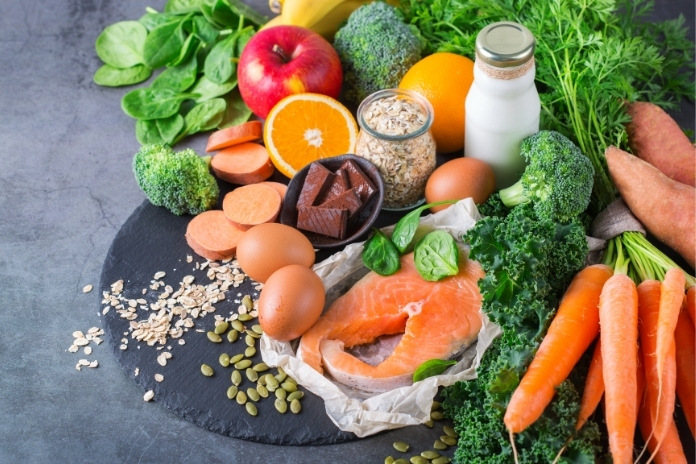
Fatty Fish: Omega-3 fats, which are strong anti-inflammatory unsaturated fats with preventive properties against vascular inflammation and atherosclerosis, are abundant in fatty fish, such as salmon, sardines, anchovies, and mackerel. Additionally, omega-3s can lower triglyceride levels, boost levels of good HDL cholesterol, which helps offset the plaque-depositing effects of bad LDL cholesterol, and decrease platelet aggregation, which reduces the risk of blood clots.
Breaking the Habit: Smoking harms the lining of the arteries, and quitting raises HDL levels.
Exercise: Engaging in aerobic exercise can help reduce blood pressure, burn body fat, increase HDL, and lower blood sugar levels. Exercise and weight loss lower LDL levels. Try to get in at least 150 minutes of moderate-intensity activity per week.
Flax Seeds: Flax seeds are also a good source of fiber, antioxidant plant chemicals called lignans, and omega-3s (alpha-linolenic acid), which are plant-based and have anti-inflammatory properties. Frequent consumption of flaxseed has been linked to better insulin sensitivity and lower blood sugar and insulin levels in overweight and obese people with prediabetes.
Citrus Fruits: Flavonoids are polyphenol chemicals that are abundant in citrus. Because of their potent antioxidant qualities, these citrus bioflavonoids scavenge free radicals that could otherwise lead to oxidative stress and disease processes.
Stress Reduction Strategies: Prolonged stress increases blood pressure, worsens vascular damage, and boosts cortisol levels. Deep breathing techniques, yoga, meditation, and even attending therapy or support groups are examples of mind-body activities that help reduce stress and increase vascular resilience.
Avocado: When it comes to clearing your arteries, avocados have two benefits. Avocados, like olive oil, are rich in MUFAs that optimize cholesterol and stabilize blood sugar. Half an avocado contains about 6.5 grams of fiber, making it an unexpectedly rich source of this nutrient. Eating one avocado daily is also linked to lower LDL cholesterol, according to a recent study.
Enhance the Quality of Your Sleep: Your body heals itself as you sleep. Inflammation, insulin resistance, and blood pressure are all exacerbated by inadequate sleep, and these factors all contribute to plaque. Prioritize getting 7 to 9 hours of quality sleep each night.
Read More: Dietary Guidelines for a Healthy Heart: Foods That Support Cardiovascular Health
Supplements That May Support Arterial Health (Use with medical guidance)
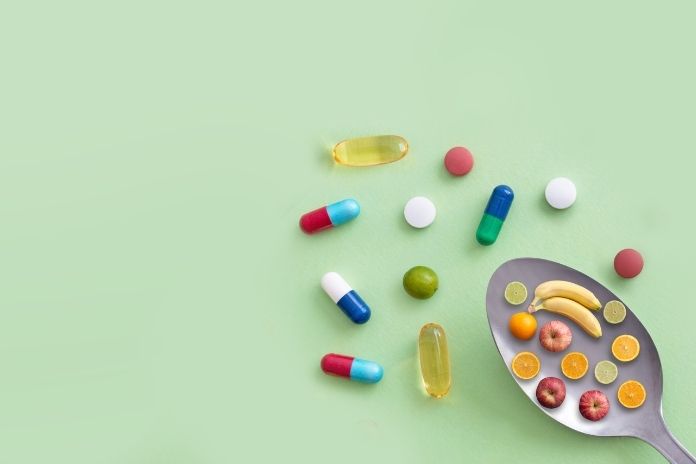
The mainstay of vascular health is still lifestyle modifications, but when taken as directed by a physician, several supplements may offer further assistance.
Fiber: Food is the finest source of fiber. If you decide to use a fiber supplement because you don’t eat enough foods high in fiber, pick one that has both soluble and insoluble forms of fiber. Drink plenty of water when using a fiber supplement. When combined with a diet low in saturated fat and cholesterol, psyllium fiber may help decrease cholesterol.
Magnesium: Studies have shown that low magnesium levels may be a sign of heart disease. Cardiovascular risk factors, including high blood pressure, arterial plaque accumulation, soft tissue calcification, cholesterol, and artery hardening, have all been linked to low magnesium levels.
Magnesium supplements are available in a variety of mineral combinations and forms, including magnesium hydroxide, magnesium citrate, magnesium gluconate, and the well-known magnesium sulfate, sometimes referred to as Epsom salt, which is used in foot soaks and baths to relieve tight, exhausted muscles.
Red Yeast Rice: A particular kind of yeast ferments rice to generate red yeast rice. Monacolin K, the active component of red yeast rice, shares structural similarities with lovastatin, a statin drug that helps reduce the body’s production of cholesterol.
Although the amount of monacolin K in red yeast rice supplements varies greatly, red yeast rice can help reduce high cholesterol.
L-carnitine: Cells use this essential amino acid to deliver lipids to the mitochondria, where they convert them into energy. The heart needs enough energy production to work normally.
L-carnitine may boost heart health and relieve angina, as demonstrated in multiple studies. Insufficient oxygenation of the heart can harm the heart muscle in those with congestive heart failure. Taking L-carnitine as a supplement might help minimize this damage.
Garlic: Many people use garlic orally as a supplement to enhance their food and as a potential treatment for coronary artery disease and high blood pressure.
Garlic may raise your risk of bleeding and have an impact on blood coagulation. Discontinue garlic intake at least two weeks prior to any medical or dental procedure.
How to Monitor Progress

Your healthcare provider will examine and listen to your heart to diagnose atherosclerosis. Physicians begin by reviewing the symptoms along with your family’s medical history. They may refer you to a cardiologist, a physician who specializes in heart conditions. They examine your heart and arteries using tests that help identify the cause and diagnose atherosclerosis.
Blood Tests: Doctors use blood tests to measure cholesterol and blood sugar levels, and high levels of either increase the risk of atherosclerosis. To look for a protein associated with artery inflammation, a C-reactive protein (CRP) test may also be performed.
Electrocardiogram (ECG or EKG): This rapid and painless test gauges the heart’s electrical activity. During an ECG test, an adhesive electrode is attached to the chest, and in some cases, to the arms or legs. These electrodes are linked to the device, which records and shows the heart activity. An ECG can reveal whether the heart receives enough blood.
Doppler Ultrasound: To examine blood flow at various locations throughout your body, a medical expert may utilize a specialized ultrasound device. The results of the test reveal the speed at which the blood moves through the arteries. The test can show any places that are constricted.
Echocardiogram: This examination uses sound waves to show the movement of blood through the heart. It also displays the dimensions and form of the heart’s structures. Doctors may occasionally perform an echocardiography as part of an exercise stress test.
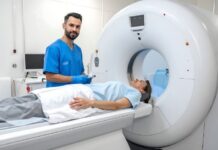
Another name for a Coronary Calcium Scan is a Heart Scan: This test looks for calcium deposits in the arterial walls using computed tomography (CT) imaging. A coronary calcium scan may detect coronary artery disease before you experience symptoms.
Read More: Why Heart Disease Remains the Leading Cause of Death in the U.S.
Final Thoughts
To protect your arteries and lower your risk for heart disease, you can make significant strides even after hardened plaque has formed. Although you cannot easily remove plaque, you can decrease inflammation, improve blood vessel elasticity, and stabilize existing plaque to reduce the risk of rupture and life-threatening consequences such as a heart attack or stroke.
The timing improves your ability to stop progression. Through the cumulative effect of small changes over time, you can start measuring benefits to cardiovascular health based on changes you’re implementing, such as adopting an anti-inflammatory diet, exercising daily, practicing stress management, quitting smoking, and getting adequate sleep.
References
- https://www.health.harvard.edu/heart-health/can-we-reduce-vascular-plaque-buildup
- https://www.heart.org/en/news/2018/10/04/researchers-suggest-way-to-possibly-eliminate-artery-clogging-condition
- https://naturemed.org/how-to-reverse-clogged-arteries-naturally/
- https://www.hopkinsmedicine.org/health/conditions-and-diseases/atherosclerosis
- https://www.victorchang.edu.au/heart-disease/atherosclerosis
- https://my.clevelandclinic.org/health/diseases/16753-atherosclerosis-arterial-disease
- https://www.health.harvard.edu/heart-health/ask_the_doctor_is_it_possible_to_reverse_coronary_artery_disease
- https://www.ahajournals.org/doi/full/10.1161/JAHA.118.009778
- https://www.houstonmethodist.org/doctor/juan-c-rozo/
- https://www.public-health.uiowa.edu/people/jennifer-robinson/
- https://www.vital-human.com/about
- https://www.medicalnewstoday.com/articles/atherosclerosis-natural-treatments#omega-3-fatty-acids
- https://academic.oup.com/jn/article/150/2/276/5588100?login=false
- https://www.hopkinsmedicine.org/health/wellness-and-prevention/the-truth-about-4-popular-heart-health-supplements
- https://www.peacehealth.org/healthy-you/8-heart-health-supplements-take-and-one-avoid
- https://www.heart.org/en/health-topics/consumer-healthcare/what-is-cardiovascular-disease/heart-health-screenings
- https://www.mayoclinic.org/diseases-conditions/arteriosclerosis-atherosclerosis/diagnosis-treatment/drc-20350575
- https://www.hopkinsmedicine.org/health/conditions-and-diseases/coronary-artery-disease-prevention-treatment-and-research
In this Article