














Most people think malaria is a “one-time” disease, that if you get over it, you’re immune forever. But this is a dangerous myth.
The truth? You can contract malaria more than once. Some have had it repeated many times. Through reinfection, relapse, or treatment failure, malaria can recur — sometimes even months later.
Knowing how this occurs is crucial to avoiding subsequent bouts and noticing symptoms early. Whether you are staying in a malaria-endemic area or have foreign travel planned, this information will help you better understand malaria immunity, the distinction between malaria relapse and reinfection, and how to remain protected.
Understanding Malaria Basics

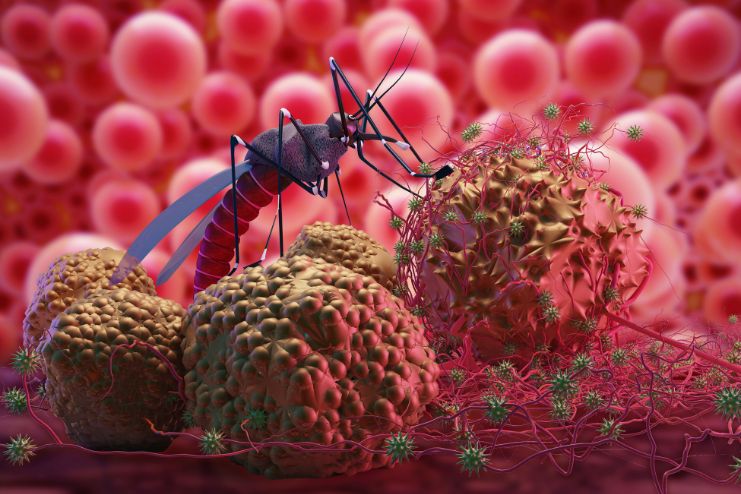
Malaria is a parasitic infection caused by the bite of an infected female Anopheles mosquito. When the mosquito bites a human, it injects the Plasmodium parasites into the blood.
Five species of Plasmodium infect human beings. They include:
- Plasmodium falciparum – most common and deadly
- Plasmodium vivax tends to relapse
- Plasmodium ovale tends to cause relapse, but less frequently
- Plasmodium malariae tends to cause chronic infections.
- Plasmodium knowlesi – a zoonotic parasite that occurs mainly in Southeast Asia
After entering the body, the parasites migrate to the liver, develop, and then re-enter the bloodstream to infect red blood cells. This cycle is responsible for the characteristic symptoms of malaria, including:
- Cyclical fever and chills
- Sweating
- Headache and muscle pain
- Weakness and malaise
- Nausea, vomiting, or diarrhea
If not treated, malaria can develop into serious complications like cerebral malaria, organ failure, or even death, particularly in P. falciparum infection.
Read More: 17 Potent Natural Remedies to Treat Malaria and Its Associated Symptoms
Yes, You Can Get Malaria More Than Once — Here’s How
Malaria is not a guarantee of immunity. Some people have repeated episodes even within the same year. Here’s why malaria comes back:
1. Reinfection: A New Bite, A New Parasite
The simplest explanation for why a person would contract malaria again is reinfection — being bitten by another infected mosquito.
This is particularly common in high-transmission areas and where measures to control mosquitoes are poor or intermittent. Reinfection is possible:
- When protective measures such as bed nets or repellents are not utilized
- After prematurely discontinuing antimalarial prophylaxis
- In persons with no or reduced immunity
- Significantly, reinfection brings a new strain or clone of the parasite, so it is a distinct illness from the first one.
Key point: If you’re curious, “Can you catch malaria twice?” — the answer is yes, particularly if you’re re-exposed in a malaria-endemic region.
2. Relapse: Dormant Parasites Reactivate
Relapsing malaria species are a leading cause of recurrent malaria, particularly in Asia, Latin America, and sub-Saharan Africa.
As opposed to other forms, Plasmodium vivax and Plasmodium ovale have a special capacity for producing hypnozoites — latent liver-stage parasites that can be reactivated weeks or months following the original infection.
- Such infection is referred to as a relapse of malaria.
- The parasites never exited the system; they merely went dormant.
- Relapse does not include a second mosquito bite.
- Symptoms can resemble the initial infection and complicate diagnosis.
Treating this infection does not destroy hypnozoites. This is why patients take drugs such as primaquine or tafenoquine to eliminate the liver stage. Without it, relapse is still a major risk.
3. Recrudescence: When Treatment Isn’t Enough
Recrudescence is the term for malaria symptoms returning because the initial infection wasn’t fully eliminated, usually because:
- Drug resistance (particularly with P. falciparum)
- Inadequate or incorrect treatment
- Ineffective drug absorption due to vomiting or malnutrition
Here, parasite numbers in the blood fall below detectable levels, but the parasites live and reproduce again, causing a recurrence. This type of recurrence can be more difficult to diagnose and may be mistaken for a new infection.
Does Malaria Give You Immunity?

Partial Immunity, Not Lifetime Protection
Most believe that a survivor of malaria is protected for life. The reality is more complex.
Individuals in malaria-endemic areas can develop partial immunity with time, particularly with repeated exposure. This immunity does not block infection, but can:
- Reduce symptom severity
- Decrease parasite density in the blood.
- Shorten illness duration
Yet, partial immunity to malaria is species-specific if the exposure is stopped. Based on this research on acquired immunity, immunity to malaria is complex and age-, frequency-, and immune memory-dependent, deteriorating rapidly once one leaves the endemic area.
Should one relocate from an area of malaria risk for even a year or two, one can lose this partial immunity and become susceptible again.
Read More: 10 Incredible Health Benefits Of Papaya Leaf Extract
Travelers and First-Time Infections: Zero Immunity

Individuals who are from non-endemic regions (such as the majority of the USA) have no natural immunity. For them:
- Initial infections are usually severe.
- Complications can set in very quickly.
- Treatment needs to be started immediately
That is why malaria prevention, including drugs such as doxycycline or atovaquone-proguanil, is highly advised for tourists traveling to risky areas.
For how long is malaria immunity maintained? Only when regular exposure exists. Otherwise, immunity fades rapidly.
How to Prevent Recurrence or Reinfection
Prevention of malaria is not merely symptom treatment — it’s making sure the parasite is completely removed and new infections don’t develop. This is how:
- Complete the Full Course of Treatment: Don’t ever discontinue medication even when symptoms disappear. This kills all parasites from the blood. Incomplete treatment increases the danger of recrudescence.
- Take Liver-Stage-Clearing Drugs If Advised: If you are diagnosed with P. vivax or P. ovale, you might have to take primaquine or tafenoquine. These medications attack hypnozoites to avoid relapse.
Note: G6PD testing must be done before using these medications because of possible side effects.
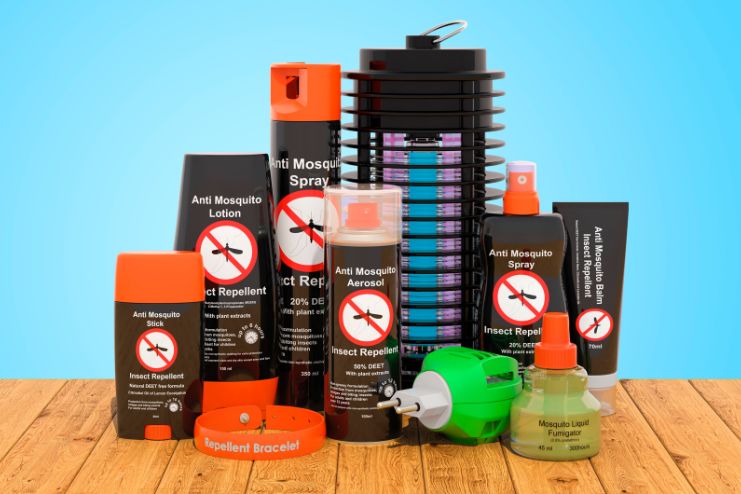
- Use Protective Measures in Endemic Areas: To protect yourself from malaria, opt for bed nets treated with insecticide, DEET-based mosquito repellents, or indoor residual spraying. Ensure you always wear protective clothing such as long sleeves, socks, etc.
- For Travelers: Start Prophylaxis Early: If you are travelling, do the following things to prevent malaria:
- Start 1–2 days before travel (or as recommended)
- Resume during the trip and after return for the given amount of time
- Follow the instructions specific to your destination of travel
Preventing a malaria relapse is a long-term game — it takes treatment, follow-up, and ongoing mosquito protection.
Read More: 10 Best-Known Home Remedies For Mosquito Bites
When to See a Doctor After Recovery
Most individuals ignore recurring symptoms and assume that malaria is the cause. However, if you experience fever, chills, or flu-like symptoms weeks or months after recovery, it may be malaria again.
What to Say to Your Doctor:
- Your history of travel (list countries and dates)
- Previous occurrences of malaria
- Whether or not you finished your previous antimalarial treatment
Physicians often send you for RT-PCR, blood tests, or RDTs to determine if you’re experiencing a relapse, recrudescence, or new infection.
The infections that follow are just as risky, even more so if you’re misdiagnosed or not treated.
Final Thoughts
Is it possible to contract malaria? Yes — and not only once. But several times, depending on your exposure, treatment, and reaction.
Malaria isn’t a simple infection. It can return months later, strike again through reinfection, or resurface due to incomplete treatment. And while partial immunity exists, it isn’t foolproof, especially for travelers or people who’ve left endemic regions.
Stay protected by:
- Completing the treatment and medical course fully
- Asking your doctor about liver-stage medications
- Using mosquito repellents
- Being aware of your recurring symptoms
Malaria is curable — but not necessarily a one-and-done disease. Knowing its patterns of recurrence will keep you on guard and healthy, wherever your travels may lead.
In this Article