














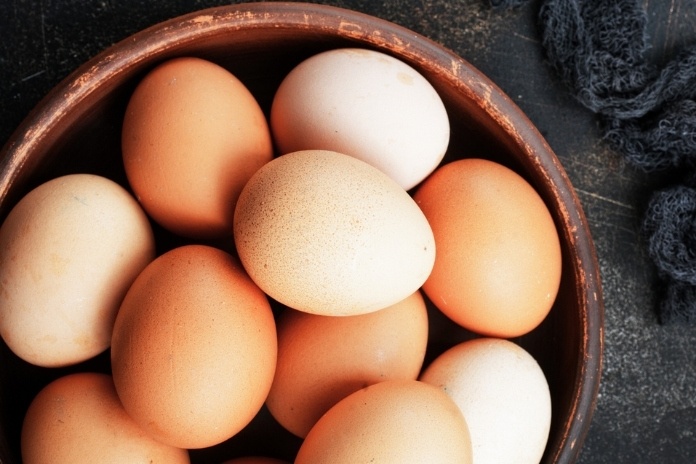
Eggs, Cholesterol, and Confusion
Many people with high cholesterol often wonder if eggs are safe to include in their diets. Eggs contain dietary cholesterol, but newer research shows this cholesterol has a much smaller effect on blood cholesterol than once believed.
What matters more is your saturated fat intake, overall diet quality, and genetics. This evolving science has dispelled many old fears about eggs and cholesterol, helping people understand how eggs can still fit into a heart‑healthy diet.
For years, eggs were under scrutiny for their cholesterol content, with one large egg containing roughly 186 mg, most of it in the yolk. Newer studies, including a 2025 clinical trial, show that eating up to two eggs a day in a low–saturated‑fat diet can lower LDL (“bad”) cholesterol compared with high‑fat, meat‑heavy diets that exclude eggs.
In most people, it is saturated fat from foods like bacon and sausage, not the cholesterol in eggs, that raises LDL. These findings challenge older “eggs vs. cholesterol” myths and shift the focus toward overall heart‑healthy eating patterns.
Everyone’s body reacts differently to dietary cholesterol because of genetic differences. Some people, often called “hyper‑responders,” see a larger jump in blood cholesterol when they consume cholesterol‑rich foods.
For most individuals, though, pairing eggs with fiber‑rich foods such as vegetables or oats supports healthier cholesterol levels and overall nutrition. Current evidence supports moderate egg consumption for people with high cholesterol, as eggs provide high‑quality protein and essential nutrients without increasing the risk of heart disease when the rest of the diet is balanced.
In moderation, most people with high cholesterol can safely include eggs in their diet.
Having 1–2 whole eggs per day within a low‑saturated‑fat meal plan can help manage cholesterol while still meeting protein and nutrient needs. If you enjoy eggs daily, egg whites are a cholesterol‑free option that delivers protein without the yolk’s fat and cholesterol.
Emphasizing whole foods over processed or fried items aligns with current dietary guidelines for cholesterol management and heart health.
Read More: Bored of Eggs? Try 6 Healthy Avocado Recipes
Understanding Cholesterol in Eggs

One large egg contains roughly 186–200 mg of cholesterol, almost all in the yolk. Older US dietary guidelines advised limiting dietary cholesterol to 300 mg per day, but updated guidance no longer sets a strict daily cap.
Instead, the focus is on overall diet quality and patterns that support healthy cholesterol levels. For most people, dietary cholesterol from foods like eggs is not a major concern when intake is moderate and the diet is otherwise heart‑healthy.
The amount of dietary cholesterol you eat is not as critical as many people believe. Blood cholesterol is influenced more strongly by saturated and trans fats, and your liver regulates much of your circulating cholesterol.
Eggs contain only about 1.6 grams of saturated fat per large egg, making them a lower‑risk choice than many other animal foods. Several studies, including a 2025 study, show that two eggs per day on a low‑saturated‑fat diet do not raise LDL and may even improve overall cholesterol profiles.
What Research Says: Are Eggs Safe to Eat if You Have High Cholesterol?
Studies show that egg consumption and dietary cholesterol have little to no effect on blood cholesterol levels, addressing the question of whether eating eggs with high cholesterol is safe. Cholesterol found in eggs isn’t given much importance when including them in a diet. Current research shows that eating one egg a day is healthy.
The question now arises: Are eggs beneficial for people suffering from high cholesterol?
For people with high cholesterol, eggs are best consumed alongside vegetables, which add fiber and nutrients that support heart health. In contrast, foods to avoid include processed meats, as they are known to raise cholesterol levels.
Egg whites are a healthier option for people with high cholesterol, but the entire egg offers many health benefits and carries little risk for most people.
Most Healthy People Can Eat Eggs Without Raising Heart Disease Risk
Research shows that most people can safely consume eggs without increasing the risk of heart disease, since eggs do not significantly raise LDL, or “bad,” cholesterol levels; this dispels common misconceptions about egg and cholesterol intake.
Also, it indicates that daily ingestion of one to three eggs enhances HDL and large LDL particle functionality and composition, which replicates a non-atherogenic pattern beneficial for young and otherwise healthy individuals, in line with general guidelines on recommended cholesterol intake.
How many eggs should one eat a day with high cholesterol? A person in good health can consume 1-2 or 7-12 eggs per week without any adverse effects on lipids. Also, in at-risk individuals needing fortified eggs, no increase in lipid levels is observed.
What do I do if I have high cholesterol and eat eggs? Most people with this condition can eat eggs because the body also lowers cholesterol production.
HDL (“Good”) Cholesterol Benefit
Eggs can raise HDL levels that help eliminate LDL from the blood. This provides a crucial element for addressing the conflict between HDL and LDL cholesterol. Eating eggs daily in a high-cholesterol diet has been shown to increase HDL levels and blood antioxidant levels.
Are eggs considered good and bad sources for individuals with high cholesterol? Suitable for those with high cholesterol, 12 fortified eggs per week showed minimal elevation in cholesterol and increased HDL levels in seniors.
For individuals with high cholesterol, eggs can be beneficial when consumed appropriately, as part of a well-balanced diet that manages saturated fat intake and supports healthy cholesterol ratios.
How many eggs should you eat with high cholesterol? Research has shown that a limit of 2-3 eggs per day can stimulate improvements in HDL.
Who Should Be More Cautious?
Patients with diabetes, familial hypercholesterolemia, or pre-existing heart problems may require a stricter restriction on eggs and cholesterol. High egg dietary frequency (≥3/week) is associated with higher risks of cardiovascular diseases in diabetic patients, with a hazard ratio of up to 5 times in those consuming less than 1/week.
Persons with genetic lipid disorders may be most sensitive to cholesterol eggs, increasing LDL cholesterol compared to HDL cholesterol. Patients with heart disease may face increased dietary risks from eggs, making it essential to consult a healthcare professional about appropriate daily intake when cholesterol is high.
In some cases, limiting consumption to egg whites may be advised.
High-cholesterol diets to avoid include excessive egg consumption in vulnerable individuals. With a recommended daily cholesterol limit of under 300 mg, intake is often limited to no more than one to two eggs per day. Pairing eggs with foods high in saturated fat can further compound cholesterol-related risks.
Read More: How Long Does Food Stay in Your Stomach? Digestion Timeline Explained
How Many Eggs Can You Eat With High Cholesterol?

For most people with high cholesterol, an easy guideline is to limit whole eggs to about one per day within a heart‑healthy, low‑saturated‑fat diet. Mayo Clinic and recent research show that this level of egg consumption does not significantly raise LDL in most individuals.
In people without diabetes or existing heart disease, up to two eggs daily can fit into a balanced eating pattern. Those at higher risk may need to limit intake to around 3–5 whole eggs per week and focus more on egg whites.
Egg whites are a wise choice because they contain zero cholesterol and very little fat while providing high‑quality protein. Whole eggs can still be enjoyed; however, people with diabetes, those who are overweight, or individuals with a genetic sensitivity to cholesterol should be more selective about both the frequency of consumption and preparation methods.
The most heart‑friendly strategy is to pair eggs with vegetables or whole grains and avoid cooking them in butter or serving them with bacon, sausage, or other fatty meats. For precise guidance, it is best to talk with a healthcare professional who can tailor recommendations to your lab results and overall risk.
Read More: Guilt-Free Eating: Delicious Foods That Satisfy Without the Sacrifice
Smart Ways to Include Eggs in a Heart‑Healthy Diet
When you combine eggs with high‑fiber foods like whole grains, vegetables, and fruits, you help lower LDL cholesterol because fiber reduces cholesterol absorption in the gut.
Adding eggs to dishes such as oatmeal, grain bowls, or veggie‑packed omelets boosts both protein and fiber. This combination balances the cholesterol in eggs and improves overall diet quality.
For people with high cholesterol, building meals around fiber‑rich sides makes egg dishes more heart‑friendly.
Cook Eggs the Healthy Way
Healthy cooking methods matter just as much as how many eggs you eat. Boiling, poaching, or scrambling eggs with a small amount of healthy oil keeps saturated and trans fats low.
These methods help maintain lower LDL levels than frying eggs in butter or ghee. Skipping high‑fat add‑ons like bacon, sausage, and creamy sauces keeps your egg meals more cholesterol‑friendly.
Watch What You Eat With Eggs
It is also essential to look at everything you eat with eggs, not just the egg itself. Traditional sides such as bacon, sausage, cheese, and refined breads can add a lot of saturated fat and extra calories.
Choosing vegetables, whole‑grain toast, and small portions of healthy fats like avocado keeps the meal more in line with a heart‑healthy diet. This “whole‑plate” approach lets you enjoy eggs without pushing cholesterol into the danger zone.
Consider Egg Whites or Egg Substitutes
If you are watching your cholesterol closely, egg whites or egg substitutes are excellent options. They provide the protein benefits of eggs without cholesterol, making them suitable for daily use on many high‑cholesterol diets.
Egg whites and substitutes are especially useful for people who need to avoid yolks due to diabetes, genetic risk, or cardiologist advice. This way, you enjoy the nutritional strengths of eggs without significantly affecting your cholesterol numbers.
Read More: Why Ultra-Processed Foods Are Being Called ‘The Cigarettes of the Future
When You Should Talk to Your Doctor

If your LDL cholesterol or triglyceride levels are very high, it is essential to see your doctor to discuss the best way to manage them. LDL levels above 190 mg/dL often need medication in addition to lifestyle changes.
A strong family history of early heart disease also calls for regular screening and professional guidance on cholesterol management. People with diabetes and high cholesterol should discuss their numbers and diet regularly with their healthcare provider to reduce complications.
If you are not sure how eggs fit into your cholesterol‑lowering plan, your doctor can give individualized advice based on your genetics, current lipid levels, and medical history. Regular cholesterol checks every four to six years, or more often if you are high risk, help track progress and fine‑tune treatment.
With personalized medical guidance, you can safely integrate eggs into your meal plan while still protecting your heart. Combining professional input with smart food choices offers the best long‑term results.
Read More: High Cholesterol but Healthy: When Statins Might Not Be Enough
Quick Recap
Most people with high cholesterol can safely enjoy eggs in moderation, roughly one per day, as part of a heart‑healthy, balanced eating pattern.
Newer research consistently shows that dietary cholesterol in eggs has a much smaller effect on LDL than saturated fat and overall diet quality. People with diabetes or genetic cholesterol disorders may need to limit whole eggs to about 3–5 per week and rely more on egg whites.
With heart‑healthy cooking methods like boiling or poaching and plenty of fiber‑rich sides, eggs can support good cholesterol management and overall well‑being.
Read More: Cholesterol-Lowering Supplements: Do They Really Work?
References
- Carter, S., Connole, E. S., Hill, A. M., Buckley, J. D., & Coates, A. M. (2023). Eggs and cardiovascular disease risk: An update of recent evidence. Current Atherosclerosis Reports, 25(7), 373–380. ncbi.nlm.nih+1
- Spence, J. D. (2016). Dietary cholesterol and egg yolk should be avoided by patients at risk of vascular disease. Journal of Translational Internal Medicine, 4(1), 20–24. ncbi.nlm.nih
- Clayton, Z. S., Fusco, E., & Kern, M. (2017). Egg consumption and heart health: A review. Nutrition, 37, 79–85. ncbi.nlm.nih
- Alexander, D. D., Miller, P. E., Vargas, A. J., Weed, D. L., & Cohen, S. S. (2016). Meta-analysis of egg consumption and risk of coronary heart disease and stroke. Journal of the American College of Nutrition, 35(8), 704–716. ncbi.nlm.nih
- Zhao, B., Wang, Y., Xu, S., et al. (2025). Dietary cholesterol intake and egg consumption in relation to all-cause and cardiovascular mortality after stroke. Scientific Reports, 15, Article 19028. nature
- Li, M. Y., Chen, L., Zhang, D., et al. (2020). Association between egg consumption and cholesterol levels: A systematic review and meta-analysis. Journal of the American Heart Association, 9(13), e015743. ncbi.nlm.nih+1
- Zhao, B., Zhang, J., Liu, Y., et al. (2022). Associations of dietary cholesterol, serum lipids, and egg consumption with overall and cause-specific mortality. Nutrients, 14(7), 1456. ncbi.nlm.nih+1
- Zhong, V. W., Van Horn, L., Cornelis, M. C., et al. (2019). Associations of dietary cholesterol or egg consumption with incident cardiovascular disease and mortality. JAMA, 321(11), 1081–1095. jamanetwork
- Sun, Q., Shi, L., Rimm, E. B., et al. (2020). Egg consumption and risk of cardiovascular disease: Three large prospective US cohort studies, systematic review, and updated meta-analysis. BMJ, 368, m513. bmj
- Mayo Clinic Staff. (2024, March 6). Eggs: Are they good or bad for my cholesterol? Mayo Clinic. mayoclinic
- American Heart Association. (2023, August 25). Here’s the latest on dietary cholesterol and how it fits in with a healthy diet. mayoclinic
- American Heart Association. (2018, August 15). Are eggs good for you or not? mayoclinic
- American College of Cardiology. (2024, March 28). Eggs may not be bad for your heart after all [Press release]. mayoclinic
- Heart Foundation New Zealand. (n.d.). Eggs and cholesterol. Heart Foundation. ncbi.nlm.nih
In this Article