



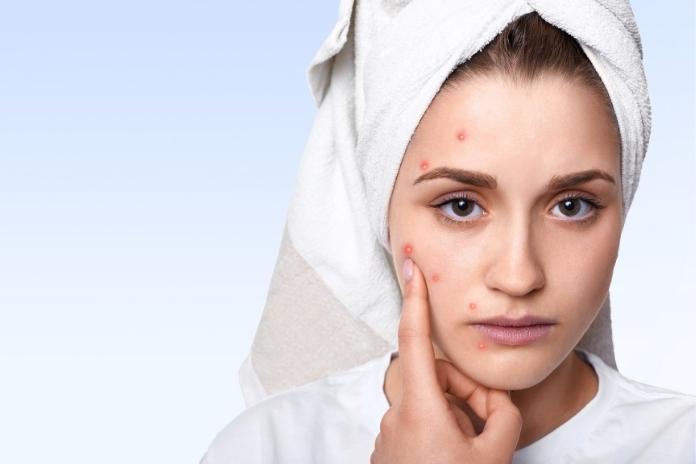
Biotin, also known as Vitamin B7, has become a beauty-cabinet favorite, and for good reason. It plays a crucial role in supporting healthy skin, hair, and nails. Scroll through social media or stroll through any supplement aisle in a supermarket or pharmacy, and you’ll see it everywhere: glowing reviews, glossy ads, and promises of thicker hair, clearer skin, and stronger nails. It’s marketed as the missing link in your self-care routine, and many people jump on board, hoping for fast, visible results.
And for some, it seems to work. Hair feels fuller. Nails break less. Skin looks brighter. No wonder biotin has earned a reputation as a go-to beauty booster.
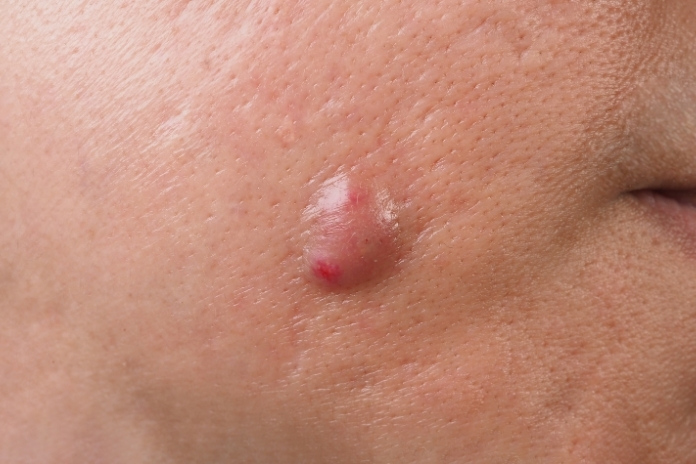
But here’s where it gets complicated: not everyone gets that glow-up. In fact, a surprising number of users report the exact opposite. Instead of smooth, clear skin, they’re dealing with sudden breakouts, stubborn pimples, clogged pores, oily patches, and acne that wasn’t there before. What gives?
Is biotin really to blame? Or is it just a coincidence?
This article unpacks the real science behind biotin and acne, what biotin actually does in your body, why it may backfire for some people, and how to get the benefits without triggering breakouts. If you’re wondering whether to stick with it or toss the bottle, this is for you. Let’s break it down.
What Is Biotin and Why Do People Take It?
Biotin, also known as Vitamin B7 or Vitamin H, is a water-soluble B-vitamin that plays a key role in how your body turns food into usable energy. It supports important enzymatic reactions involved in breaking down fats, carbohydrates, and proteins. Simply put, biotin helps keep your metabolism running smoothly.
But biotin’s spotlight doesn’t come from metabolism; it comes from its connection to keratin, the main structural protein in your hair, skin, and nails. Because of this, biotin is often marketed as the secret to thicker hair, stronger nails, and glowing skin.
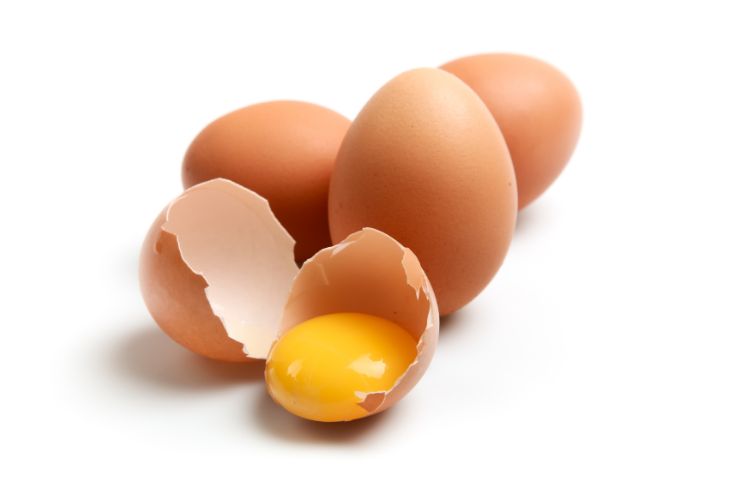
Here’s the twist: Biotin deficiency is extremely rare. Most people already get enough from a regular, balanced diet. Common sources include:
- Egg yolks
- Nuts and seeds (like almonds, walnuts, sunflower seeds)
- Leafy greens such as spinach and broccoli
- Whole grains
- Dairy and meat products
Despite this, shelves are stocked with biotin supplements, often at doses of 5,000 to 10,000 micrograms per pill. For perspective, the recommended daily intake for adults is just 30 to 100 micrograms. That means most supplements provide more than 150 times what your body actually needs.
So why are people taking so much?
Marketing, mostly. The beauty industry has built biotin up as a miracle fix for thinning hair or brittle nails. Influencers rave about it. Brands label high doses as “extra strength.” And since it’s a B-vitamin, which your body flushes out if unused, many assume it’s harmless in any amount.
But here’s the catch: more doesn’t always mean better. In fact, overdoing biotin can lead to some unexpected side effects, including, for some people, breakouts and irritated skin.
According to Dr. Matthew Goldman, MD, an executive health practitioner at the Cleveland Clinic, “Even the biotin content found in common multivitamins can interfere with lab tests. Higher doses, like the amounts found in supplements for hair and nail health, are more likely to cause issues.”
Does Biotin Cause Acne? What the Research and Experts Say
Let’s clear up the big question first: there’s no solid clinical proof that biotin directly causes acne. No large, peer-reviewed study has confirmed a cause-and-effect relationship between biotin supplementation and breakouts. So technically, the science is inconclusive.
But here’s the thing: anecdotal evidence is piling up. Dermatologists, estheticians, and everyday users have noticed a pattern: breakouts often begin after starting high-dose biotin, and they tend to clear up when the supplement is stopped. It’s not just a handful of cases either; enough people have reported it, that dermatologists now routinely ask acne patients, “Are you taking biotin?”
So what could be causing this?
Experts think the issue isn’t necessarily biotin itself, but how it interacts with other nutrients in your body, especially Vitamin B5 (pantothenic acid). Both biotin and B5 are absorbed in the intestines via the same receptors. When you flood your system with excess biotin, it may crowd out B5, lowering your levels.
That’s a problem because Vitamin B5 plays a major role in regulating oil (sebum) production in your skin. A deficiency can throw that balance off, leading to clogged pores, inflammation, and acne-like breakouts.
Others speculate that high biotin levels might also subtly stimulate oil glands, increasing sebum on their own. Again, this hasn’t been definitively proven in studies, but it aligns with the oily skin and breakouts reported by many users.
The leading hypothesis is that high-dose biotin can interfere with Vitamin B5 (pantothenic acid) absorption, since they share intestinal uptake pathways. Pantothenic acid supports sebum regulation, and a drop in B5 may disrupt that balance and lead to oiliness or clogged pores.
Bottom line: Not everyone reacts the same way, but high-dose biotin seems to trigger acne in a subset of people, especially those prone to oily skin or breakouts to begin with. While the effect isn’t universal, it’s significant enough that experts take it seriously.
Read More: Skincare Mistakes That Make Acne Worse (And How to Avoid Them)
How Biotin Might Trigger Acne: Theories and Mechanisms
While there’s no hard proof yet, several scientifically plausible theories help explain why some people break out after taking high-dose biotin. The mechanisms aren’t about biotin being “toxic” or inherently bad; it’s about how it interacts with other nutrients and how your body responds.
Let’s break down the main theories:
1. Vitamin B5 (Pantothenic Acid) Competition
This is the most widely accepted explanation. Biotin and Vitamin B5 both use the same transport channels in your gut for absorption. When you take large amounts of biotin, it can effectively “crowd out” B5, limiting how much of it your body absorbs, even if your diet is otherwise balanced. Why is this a problem?
Vitamin B5 is crucial for:
- Regulating oil (sebum) production.
- Supporting the skin’s natural barrier.
- Reducing inflammation.
Without enough B5, your skin may start producing excess oil, leading to clogged pores, breakouts, and irritation. And since B-vitamin imbalances don’t always show up on standard blood tests, you might not realize what’s going on beneath the surface.
Dr. Michele Green, MD, a board‑certified dermatologist in New York, explains, “Biotin, also known as vitamin B7, and pantothenic acid, also known as vitamin B5, tend to compete with each other, and as a result, can have negative effects on our bodies, such as causing acne. An excess of biotin results in an overproduction of skin cells and a shortage of vitamin B5, resulting in a lack of moisture in the skin. The catalyst of the two can result in acne.”
2. Increase in Sebum Production
Another theory is that biotin itself, especially in high doses, may stimulate oil production in the skin. While this hasn’t been rigorously studied, many people report oilier skin after starting biotin, particularly those who already have acne-prone or combination skin.
More oil isn’t inherently bad, but it increases the risk of:
- Pores getting blocked.
- Bacteria like acnes multiplying.
- Inflammation and pimples forming.
So even if biotin isn’t the direct cause of acne, it may be tipping the scales in people already predisposed to it.
3. Detox Myth vs. Real Reaction
Some supplement companies say breakouts are part of a “detox phase” and that you just need to push through it. But that’s misleading.
Your skin is not your body’s primary detox system; your liver, kidneys, and gut handle that job. If you consistently break out only when taking biotin, and those breakouts stop when you stop the supplement, that’s not detox. That’s a real biological response, likely tied to imbalance or sensitivity.
The bottom line? Biotin doesn’t cause acne for everyone. But for some, especially at high doses, it can set off a chain reaction: reduced B5 absorption, more oil production, and skin that’s more vulnerable to breakouts. Understanding these mechanisms helps you make smarter decisions about how (and whether) to supplement.
Signs Your Acne Might Be from Biotin Supplements
Wondering if your supplement stack is messing with your skin? Here are signs your biotin might be to blame:
- Breakouts began shortly after starting biotin, especially within a week or two.
- You’re using high doses (more than 500 mcg per day).
- Acne appears around the chin, jawline, or forehead.
- Pimples persist despite skincare, diet, or other changes.
- Skin improves when you stop taking biotin.
The pattern is usually clear once you connect the dots. In many cases, people report trying every acne treatment with no improvement, until they ditch biotin and see results within days.
How to Take Biotin Without Causing Breakouts
Here’s the good news: if you suspect biotin is messing with your skin, you don’t necessarily have to quit it cold turkey. For many people, the issue isn’t the vitamin itself; it’s the dose, the balance, or how it’s being combined with other factors. The key is to be smarter about how you supplement.
Here’s how to make biotin work for you, not against your skin.
1. Stick to the Recommended Daily Intake
Most adults only need 30 to 100 micrograms of biotin per day, a small but sufficient amount for healthy hair, skin, and nails. Compare that to popular supplements that pack 5,000 to 10,000 micrograms in a single dose. That’s over 100 times what your body actually needs.
Instead of jumping to mega-doses, start small. Look for:
- A low-dose multivitamin.
- A biotin supplement under 300 mcg.
- Food-based supplements or whole-food powders.
More isn’t always better, especially with vitamins.
2. Balance It With Vitamin B5 (Pantothenic Acid)
If you’re taking biotin, you might also want to supplement with B5 to keep your nutrient levels balanced. Pantothenic acid helps regulate oil production and supports skin barrier function, two things you don’t want to mess with.
A common approach:
- Add 500–1000 mg of B5 per day alongside biotin
- Or, eat more B5-rich foods like:
- Avocados
- Mushrooms
- Chicken and turkey
- Sunflower seeds
- Sweet potatoes
Some people report that their skin clears up within weeks of adding B5 back into the mix.
3. Prioritize Food-Based Biotin Sources
Whole foods are your safest bet. They provide biotin in naturally balanced amounts, alongside other nutrients that help your body absorb and use it properly.
Biotin-rich foods include:
- Egg yolks (cooked, raw egg whites can interfere with absorption)
- Nuts and seeds
- Legumes like lentils and peanuts
- Leafy greens and cruciferous veggies
- Dairy, meat, and fish
You’re far less likely to overload on biotin when you’re getting it from real food.
4. Keep Your Skincare Routine in Check
Even if biotin is part of the problem, poor skin hygiene or comedogenic products can make it worse.
If you’re prone to acne:
- Use a gentle, non-comedogenic cleanser twice daily.
- Consider active ingredients like salicylic acid or niacinamide.
- Moisturize daily; even oily skin needs hydration.
- Avoid heavy, pore-clogging makeup or thick creams.
Supplements won’t cancel out a messy skincare routine.
5. Zoom Out: Hydration, Sleep, and Other Triggers
Sometimes the issue isn’t just biotin, it’s the bigger picture. Dehydration, high stress, lack of sleep, hormonal shifts, or other supplements (like iodine, whey protein, or B12) can all contribute to breakouts.
Make sure you’re:
- Drinking plenty of water.
- Managing stress where you can.
- Sleeping at least 7–8 hours a night.
- Watching for other acne-linked supplements.
Tracking your routine can help you spot patterns and pinpoint the real culprit.
The takeaway: You don’t have to ditch biotin entirely. Just be mindful of how much you’re taking, how your body responds, and how it fits into the rest of your wellness routine. Most importantly, listen to your skin. It usually knows before you do.
Read More: Is Your Diet Causing Acne? 10 Foods to Cut Back On (and What to Eat Instead)
When to See a Dermatologist or Stop Biotin
Not all acne is created equal. If your skin is breaking out badly, and it’s affecting your confidence or quality of life, it’s time to call in the pros.
You should also consult a dermatologist if:
- Your acne is cystic (large, painful bumps).
- It’s spreading rapidly or leaving scars.
- You’ve stopped biotin and still see no improvement.
- You’re taking multiple supplements and unsure which is the culprit.
A dermatologist can help pinpoint the cause and may suggest switching to other hair-supporting options, like collagen peptides, zinc, or silica, which are less likely to interfere with your skin.
Conclusion
Biotin is widely loved for its beauty benefits, but it’s not without drawbacks, especially if you’re prone to breakouts or using high doses without understanding how it affects your body.
While science hasn’t confirmed a direct link between biotin and acne, the anecdotal and clinical patterns are hard to ignore. It likely comes down to how biotin interacts with other nutrients and your skin’s oil balance, rather than the vitamin itself being “bad.”
If you’re considering or already using biotin:
- Start with a low dose.
- Monitor how your skin reacts.
- Make sure your B-vitamin intake is balanced.
- Prioritize whole-food sources over isolated megadoses.
And remember: clear skin and healthy hair can go hand-in-hand, but only when you support your body in a smart, sustainable way. Listen to your skin, track what you put in your body, and don’t be afraid to adjust your approach if something feels off.
References
- https://www.healthline.com/nutrition/biotin-acne
- https://curology.com/blog/does-biotin-cause-breakouts/
- https://www.hims.com/blog/can-biotin-cause-acne
- https://www.goodrx.com/conditions/acne/supplements-that-cause-acne
- https://www.byrdie.com/can-biotin-cause-acne-5213753
- https://www.webmd.com/skin-problems-and-treatments/acne/what-to-know-biotin-acne
- https://ods.od.nih.gov/factsheets/Biotin-HealthProfessional/
- https://wildnaturals.com/blogs/blog/deep-dive-does-biotin-cause-acne
- https://www.ipsy.com/blog/biotin-acne
- https://clearstem.com/blogs/skin-care-learning-center/why-biotin-is-breaking-you-out
- https://nakednutrition.com/blogs/supplements/does-biotin-cause-acne
- https://www.hims.com/blog/can-biotin-cause-acne
- https://www.healthline.com/health/biotin-side-effects
- https://curology.com/blog/does-biotin-cause-breakouts/
In this Article