













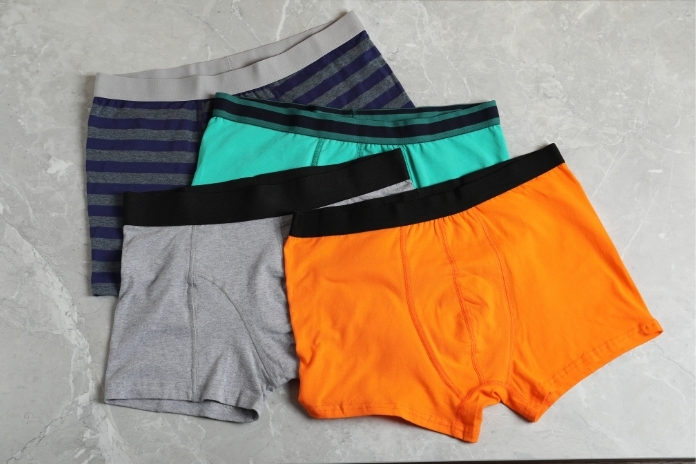
For decades, the debate has centered on whether to wear boxers or briefs, particularly regarding sperm count.
The inability of a couple to conceive is called infertility, and it is a widespread problem in the United States. Doctors usually diagnose it after both partners engage in frequent, unprotected intercourse for at least a year without achieving pregnancy.
According to specific research, men who wear tight clothing or undergarments have fewer sperm. While it’s unclear how it affects the fertility—the ability to be a father of a child—it likely doesn’t lower the sperm count enough to function as an effective form of birth control.
People often believe briefs raise scrotal warmth because they fit more snugly and sit closer to the body, which may impair sperm production. However, because they give greater breathing space, boxers may help keep the testicles colder, which promotes the creation of sperm.
This article investigates the relationship between male fertility and underwear fashion. We’ll examine what researchers have discovered, if switching to boxers has an impact, and how men may make wise decisions to promote their reproductive health.
Read More: How Soon Should You See a Fertility Specialist? Signs It’s Time to Get Help
Why Testicle Temperature Matters for Fertility
Approximately one in seven couples experience male infertility. A male may become infertile for a variety of causes, including insufficient sperm production, blockages, or defective sperm function. Another factor is testicular overheating.
“The biggest myth is that infertility is a woman’s problem,” Dr. Lucky Sekhon, a board-certified OBGYN, endocrinologist, and infertility specialist based in New York City, tells TODAY.com.
The ideal temperature for sperm production is two to four degrees below body temperature. As a result, the body places the testicles outside in the scrotum. Because sperm production is so sensitive to temperature variations, sperm cells will perish under excessive heat.
High temperatures have both environmental and medicinal causes. The testicles may become overheated if a person has a high temperature.
Heat sources in the environment can be unexpected. Heat generated by activities such as cooking, grilling, motorcycling, saunas, and cycling can all have an impact on the testicles. Long periods of use on computers or cellphones may lead to overheating issues.
Conditions like varicocele, obesity, and delayed testicular descent can raise testicular temperature, potentially affecting the production of healthy sperm.
Experts frequently advise wearing underwear made of cotton and other breathable materials because they improve moisture absorption and air circulation. It aids in keeping the area surrounding the testicles colder, which is essential for the best possible sperm production.
However, synthetic materials like polyester or nylon have the potential to retain moisture and heat, which could eventually raise the scrotal temperature and degrade sperm quality.
What the Research Says About Tight Underwear

Experts believe sperm production is very sensitive to temperatures over 34 °C (92 °F), which is why testicles are positioned away from the body to stay cooler.
While some underwear types, like boxer shorts, are looser and calmer, others, like jockey shorts or briefs, draw the scrotum closer to the body, warming the testicles.
Researchers at Harvard TH Chan School of the Public Health in the United States found that males wearing boxer shorts had a 25% higher concentration of sperm than men wearing tight-fitting underwear in a study including 656 men. The cause can be cooler temperatures near the testicles.
According to experts, men’s fertility may increase with this easy lifestyle adjustment.
Men wearing looser-fitting boxer shorts to a reproductive clinic had higher sperm concentration, a 17% higher total sperm count, and 33% more swimming sperm than men wearing tighter-fitting underwear, according to the most extensive study of its sort to date.
Researchers hypothesize that the increased heat within pants is the cause of the issue after accounting for other variables that can impact sperm, such as age, body mass index (BMI), and behaviors like smoking and using a hot tub.
Wearing tighter underwear, such as briefs or boxers that fit tightly, has been linked in several studies to increased scrotal temperatures and possibly decreased sperm counts. Individual differences may exist in the effect, though, and essential variables like lifestyle and general health are also important.
Read More: Fertility Nutrition: What to Eat (and Avoid) When Trying to Conceive
How to Choose A Suitable Men’s Underwear for Fertility
Choosing different types of underwear to enhance fertility calls for attention to several factors :
Design: Boxers or boxer briefs are recommended over tight underwear as they allow for improved airflow and help regulate temperature more effectively.
Materials: Choose cotton over synthetic materials, as it is natural, absorbent, and breathable.
Size: Ensure the underwear is neither too tight nor too loose, providing reasonable support. Maintaining this equilibrium supports keeping the scrotal temperature within its ideal range.
Other Lifestyle Factors That Affect Sperm Quality
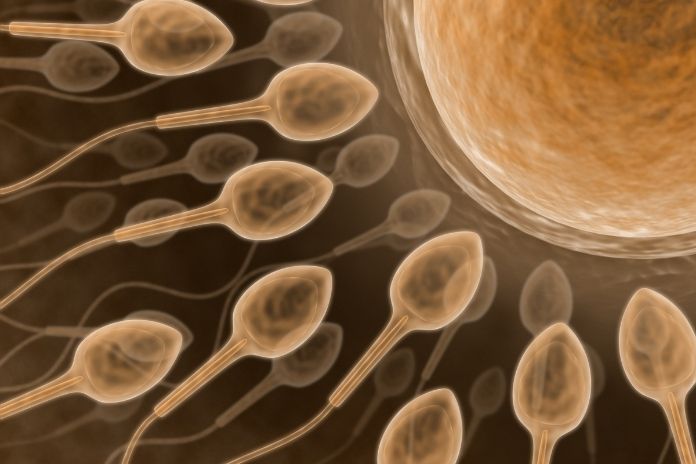
Male fertility can be affected by more than just underwear; sperm quality is also greatly influenced by several daily routines and lifestyle decisions.
Drug Use: Using anabolic steroids to increase muscle mass and strength may cause the body to produce less sperm. Additionally, using cocaine or marijuana may reduce the quantity and quality of sperm.
Alcohol Use: Excessive or continuous alcohol consumption might reduce testosterone levels and reduce sperm production.
Tobacco Smoking: Compared to nonsmokers, smokers may have fewer eggs.
Emotional Stress: Long-term emotional stress, including concerns about infertility, can negatively affect semen quality.
Weight: Obesity may directly impact sperm. Alternatively, it can result in hormonal changes that reduce fertility.
Some Medications: Some medications for conditions like arthritis, depression, anxiety, low testosterone, digestive issues, infections, high blood pressure, and cancer might cause the body to produce less sperm.
Sleep: Researchers have found that both excessive and insufficient sleep may influence male infertility. But let’s face it, getting too little sleep generally won’t help us, and you can usually tell when you’re tired. The 7-8 hours-per-night rule is a reasonable goal.
Using computers: Although you may have seen some frightening headlines about this subject, is it true that using a laptop damages your sperm? Temperature is critical in this case because it has been linked to a decrease in sperm production when testicles warm. Of course, if you’re sitting with your laptop on your lap for hours on end, things may become a little too hot.
Read More: Struggling to Conceive? Your Thyroid Could Be the Missing Piece in Your Fertility Puzzle
What to Do If You’re Trying to Conceive
Minor adjustments to your daily routine can have a significant impact on your fertility if you intend to start a family. The only thing that many cis guys know about the process of attempting to conceive is that it involves sex, but when? What is the amount? And how may the chances of getting pregnant be improved?
The fertilization of an egg by sperm is necessary for pregnancy. It implies that the testes must produce sperm, which must then ejaculate—or leave the penis—and enter the female reproductive system. Pregnancy may be more challenging to achieve if there are issues with any aspect of this process. You can maximize your fertility by doing the following six things:
Engage in Regular Exercise: Engaging in regular exercise has several health benefits, including improved fertility. Regular exercise has been shown in certain studies to raise testosterone levels and improve the quality of sperm. Instead of strolling, focus on running and lifting weights; these exercises will help the testes produce sperm as effectively as possible.
Take Vitamin C: This vitamin, which is naturally present in citrus fruits, tomatoes, and bell peppers, is known to support a healthy immune system, particularly during the cold and flu season. It can also improve fertility. Since vitamin C is an antioxidant, it can aid in the body’s ability to repair damaged cells brought on by oxidative stress.
Get Adequate Vitamin D: Also referred to as the “sunshine vitamin,” this vitamin may also help testosterone levels. Vitamin D helps the body absorb calcium and form strong bones. Additionally, it has a significant impact on fertility in both men and women. For a year, taking 2,000–3,000 IU of vitamin D3 per day may maximize and improve results. Consult your physician about the recommended daily intake of vitamin D.
Get Adequate Zinc: Zinc is an essential mineral that supports cell growth, regulates testosterone levels, and strengthens the immune system. Low zinc levels can have an impact on sperm quality and testosterone levels. Regardless of reproductive status, those who smoke may have considerably lower amounts. Optimizing testosterone levels and sperm production may be possible with the use of a zinc supplement.
When to Talk to a Doctor

It might be time to see a doctor if you and your spouse have been actively trying to conceive for around six to twelve months without success. Although it’s normal for conception to take some time, ongoing problems may indicate underlying problems that require medical care.
Discuss with your doctor any tests you may require and whether you should stop taking any medications you may be taking. If your sperm are healthy, your chances of getting pregnant are higher. Since heat impairs your testicles’ capacity to produce sperm, keeping them cool is the most effective method to ensure that you have an abundance of healthy sperm.
However, a primary care physician may refer you to a specialist if you have a known illness that causes infertility or if your tests show any abnormalities.
Be prepared to respond to inquiries from your physician, such as:
- Have you experienced any sexual issues in this relationship, such as trouble keeping an erection, premature ejaculation, or difficulties ejaculating?
- Have you ever been a father?
- Do you take illegal substances like cocaine, marijuana, or anabolic steroids?
- Have you ever been regularly exposed to poisons like chemicals, pesticides, radiation, or lead?
- Have you ever experienced undescended testicles before?
Read More: Semen Quality Is Declining Worldwide – What Can Men Do to Protect Their Fertility?
Conclusion
Tight underwear alone does not cause infertility, but it can mildly impair the sperm quality—especially when combined with additional heat exposures like hot tubs, heated seats, or laptops on your lap. Over time, these small elements may accumulate and obstruct the body’s ability to produce healthy sperm.
Changing to looser-fitting underwear, such as boxers, can be an easy, risk-free way to promote better testicular health if you’re trying to conceive. It’s a simple action that may help increase sperm production, particularly when your partner is fertile.
Remember, your choice of underwear is not the only thing that affects fertility.
References
- https://kidshealth.org/en/teens/tighties.html
- https://www.today.com/health/men-s-health/male-fertility-myths-rcna212306
- https://newayfertility.com/high-heat-exposure-to-testicles-infertility
- https://www.bbc.com/news/health-45116609
- https://www.givelegacy.com/resources/how-your-underwear-choice-really-impacts-your-fertility/
- https://www.tandfonline.com/doi/full/10.1080/20905998.2024.2421626#abstract
- https://www.mayoclinic.org/diseases-conditions/low-sperm-count/symptoms-causes/syc-20374585
- https://londonandrology.com/9-common-lifestyle-factors-that-could-affect-male-fertility/
- https://www.givelegacy.com/guides/mens-guide-to-trying-to-conceive/
- https://www.tommys.org/pregnancy-information/planning-a-pregnancy/are-you-ready-to-conceive/how-improve-male-fertility
- https://www.mayoclinic.org/diseases-conditions/male-infertility/diagnosis-treatment/drc-20374780
- https://www.pregnancybirthbaby.org.au/preconception-health-for-men
In this Article