














Asthma is tough, especially during a flare-up when you can hardly catch your breath. The tightness in the chest, wheezing, and breathlessness can be frightening and exhausting.
While medications play an important role, more and more people are now leaning toward natural options to help them manage their symptoms, and that is where essential oils come in.
Using essential oils for asthma is no longer a fad—it’s a genuine tool in your arsenal for breathing and soothing discomfort. Some possess powerful properties to decrease inflammation, relax your airways, and ease your breathing.
When using aromatherapy for asthma, oils such as eucalyptus, peppermint, and lavender can be vaporized in diffusers, used in steam inhalations, or rubbed on the chest for natural relief.
In this article, we will introduce 8 of the best essential oils for asthma relief, explain how they work, and make sure you know how to use them safely. You have come to the right place if you are looking for natural remedies for asthma or for ways to breathe easily besides medication. Let’s begin and help you breathe a little easier—the natural way.
Read More: All About Asthma – Key Symptoms, Causes, and Effective Treatments
The Science Behind Essential Oils and Asthma Relief
Efficacy of Essential Oils
Essential oils may prove to be useful for asthma by reducing inflammation, eliminating germs, and dilating the air passageways. Some essential oils are natural bronchodilators, making breathing easier during an asthma flare-up.
Aromatherapy Functioning
Inhalation of essential oils through a diffuser or steam brings them into direct contact with the lungs and airways. It can help you relax and breathe more easily while also lowering stress, which can worsen asthma symptoms.
Precautions
Always use essential oils with caution. Dilute them before applying to the skin, and do not swallow them. Consult your doctor before regularly using essential oils, especially if you have asthma or other health conditions.
1. Clary Sage Essential Oil
Clary Sage essential oil has several therapeutic uses, including hormonal balance, stress relief, and digestion. Here’s why and how it can help and how to apply it:
How It Helps:
Clary sage oil is among the finest essential oils for asthma due to its antispasmodic properties. When you have asthma, the airways tighten up, and you experience difficulty in breathing. Clary sage tends to relax these bronchial spasms, allowing easier passage of air through the respiratory tract. Blended with soothing oils such as chamomile, its action can be intensified, providing further airway constriction relief.
Caution:
Clary sage is considered estrogenic because it contains natural phytoestrogens. Therefore, it must not be used by pregnant women or women with hormone-related conditions. Do not mix it with alcohol, as it might lead to dizziness or hallucinations.
How to Use It:
Add one drop to hot water, cover your head with a towel, and inhale the steam to promote relaxation and respiratory support.
We love this Clary Sage Essential Oil
2. Eucalyptus Essential Oil
How It Helps:
Eucalyptus (Eucalyptus globulus, E. smithii, E. radiata) oil includes 1,8-cineole, a robust compound that promotes respiratory relief. Clinical trials indicate that 1,8-cineole can relieve asthma, bronchitis, rhinosinusitis, and even COPD symptoms in individuals by reducing airway inflammation and enhancing respiratory strength.
Eucalyptus oil helps stimulate the opening of air passages. It clears congestion, promotes airflow, and reduces lung inflammation.
How to Use It:
Add one drop to a diffuser or inhale from a tissue; use in steam inhalation; or dilute with a carrier oil and rub onto the chest.
3. Peppermint Essential Oil
How It Helps:
Peppermint (Mentha Piperita) oil contains menthol, which clears air passages and reduces inflammation. It opens the air passages and helps relieve respiratory distress from an asthma attack.
How to Use:
Diffuse or use a diluted blend on the chest or temples for immediate relief.
Safety Note: Peppermint has a low risk of irritating the mucous membranes, so steaming is not recommended. Oils with menthol can produce a cooling effect that feels like better airflow, but this can suppress symptoms and postpone emergency treatment in certain cases. Essential oils are not a substitute for asthma medication. Always consult your doctor before using them. Using oils as a substitute for prescribed treatment can endanger your health severely.
4. Lavender Essential Oil
How It Helps:
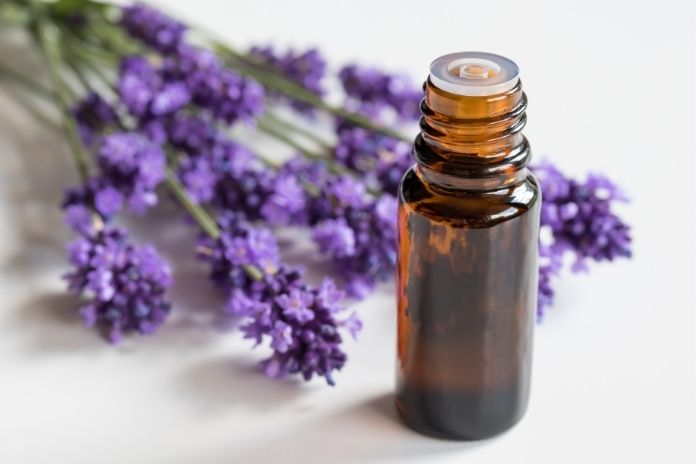
Stress is one of the triggers of asthma attacks, and lavender, known for its calming qualities, can help keep you calm and reduce flare-ups. Lavender (Lavandula Angustifolia, L. spica) calms your breathing by relaxing muscles in the airways. It is also an anti-inflammatory, helping to open up your lungs for easier breathing.
How to Use:
Add a few drops to the diffuser and let it fill the room. You may also inhale the steam by adding no more than 1-2 drops of lavender essential oil to hot water. Mix it with a carrier oil, like coconut or almond oil, for chest massage.
Safety Note: Essential oils are not a substitute for asthma medication. Always consult with your doctor before using them. Using essential oils in place of prescribed treatment may cause serious health issues.
Buy Pure Lavender Essential Oil
5. Sweet Marjoram Essential Oil
How It Helps:
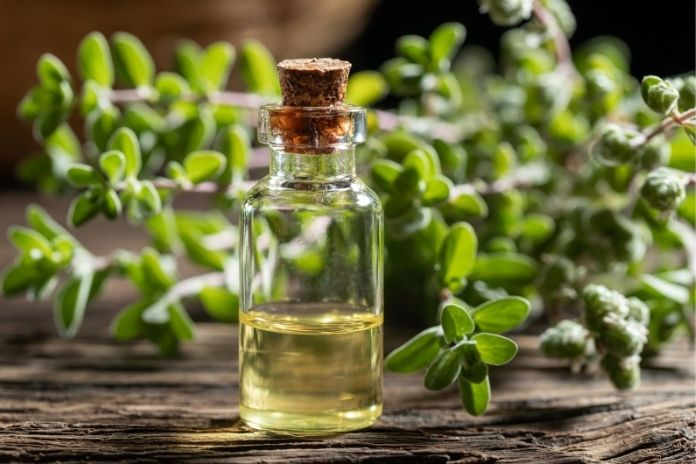
Marjoram (Origanum Majorana) essential oil is also reported to help manage asthma, bronchitis, cough, and sinusitis. It is believed to do this by calming the airways and facilitating congestion relief.
Marjoram oil, as a vasodilator, dilates and relaxes the blood vessels, facilitating the flow of blood and lowering blood pressure, which can reduce the risk of heart attacks, strokes, and brain hemorrhage.
How to Use?
Add 1-2 drops of marjoram essential oil to a bowl of hot water. Wrap a towel over your head and inhale the steam for 5–10 minutes.
6. Rosemary Essential Oil
How It Helps:
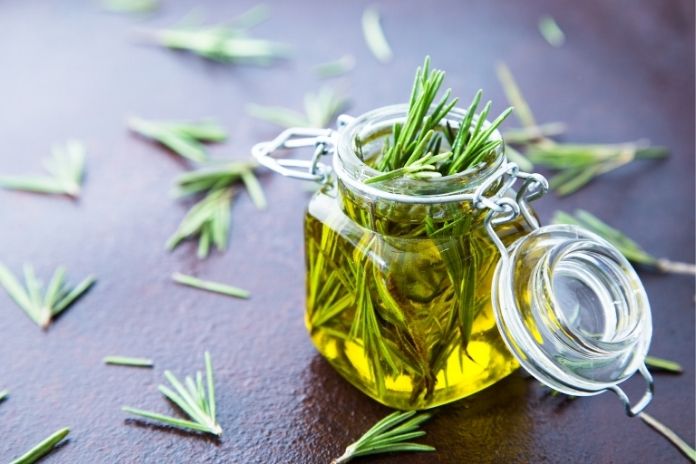
Rosemary (Rosmarinus Officinalis) oil has chemicals such as 1,8-cineole and rosmarinic acid, which have anti-inflammatory and antispasmodic effects. These chemicals can relax the smooth muscles of the respiratory tract, thereby relieving the difficulty in breathing that occurs in asthma.
Inhalation of rosemary oil can also help in lowering airway inflammation and clearing mucus, relieving congestion, and enhancing the general function of the respiratory system.
How To Use?
Boil water and pour it into a large bowl. Add no more than 1-2 drops of rosemary essential oil to the hot water. Place your face over the bowl, with your head covered by a towel to help retain the steam.
7. Frankincense Essential Oil
How It Helps:
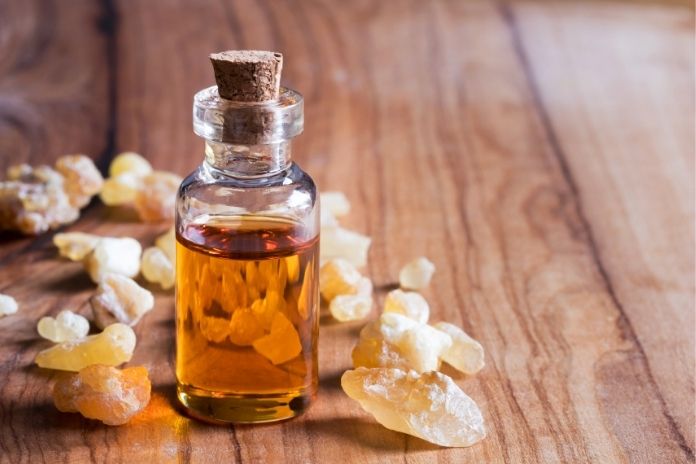
Frankincense (Boswellia Sacra) oil has the potential to work as an anti-inflammatory and immune-stimulating agent, making it more effective in managing asthma. In addition to reducing inflammation, it strengthens lung function and reduces asthma-related symptoms.
How to Use:
Diffuse, inhale in steam, or apply diluted oil to the chest.
Buy Organic Frankincense Essential Oil
8. Tea Tree Essential Oil
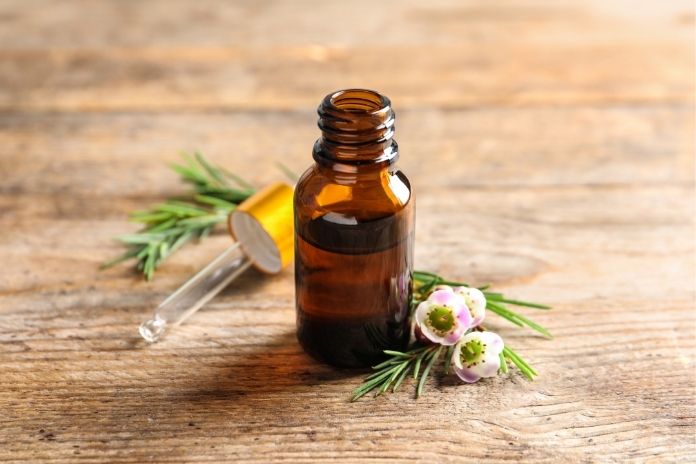
How It Helps:
Tea tree (Melaleuca Alternifolia) oil has antibacterial and anti-inflammatory properties, which help clear the airways of allergens and pathogens. It also soothes irritations, helps clear mucus, and may help prevent asthma attacks triggered by infections and allergens.
How to Use:
Diffuse into the air, apply diluted to the chest, or inhale through steam inhalation.
Buy Organic Tea Tree Essential Oil
How to Safely Use Essential Oils for Asthma
- Dilution: Always dilute essential oils with a carrier oil such as coconut or almond oil before using them on your skin. Undiluted oils may cause irritation and/or allergic reactions, and sensitive areas are especially prone to such reactions.
- Inhalation: The safest and best ways of inhaling essential oils are through a diffuser, steam inhalation, or a few drops put on a tissue and gently inhaled. Avoid placing them too close to the nose or inhaling directly for an extended period.
- Topical Application: Whenever you apply essential oils, like those on the chest, back, or pulse points, always dilute them into a carrier oil or blend. This helps with easy breathing and reduces inflammation, but the skin reaction needs to be examined.
- Precautions: Before using an essential oil regularly, consult with a healthcare provider, especially for those with severe asthma, allergies, and other respiratory conditions. All essential oils should be used sparingly and as recommended.
- Safety Note: Essential oils are not a substitute for asthma medication. Always consult with your doctor before using them. Using essential oils in place of prescribed treatment may cause serious health issues.
Combining Essential Oils with Other Natural Remedies

Compatibility with Other Treatments:
Essential oils can be used alongside other natural treatments for asthma, such as yoga, breathing exercises, and dietary changes. For example, incorporating deep breathing techniques or diaphragmatic breathing with essential oils like lavender or eucalyptus can enhance relaxation and help open the airways.
A balanced diet rich in anti-inflammatory foods, such as omega-3 fatty acids and antioxidants, supports lung health, while essential oils can reduce inflammation and ease breathing.
Lifestyle Modifications:
Creating an asthma-friendly environment at home is crucial for managing asthma. Regular cleaning and using air purifiers can help reduce allergens, and keeping windows closed during high pollen seasons can minimize triggers.
Additionally, incorporating essential oils into daily routines, such as diffusing calming oils like lavender or frankincense in the evening, can promote relaxation and improve sleep, which is essential for controlling asthma symptoms.
Read More: Can Your Diet Help Control Asthma? Discover Foods That Make a Difference
Conclusion
Aromatherapy, using essential oils, offers a valuable alternative in asthma treatment. The right essential oils can significantly improve asthma management by soothing inflammation, clearing airways, and relaxing smooth muscles. When combined with treatments like breathing exercises, yoga, a healthy diet, and essential oils, respiratory health and overall well-being can be enhanced.
Regular application or inhalation of essential oils, along with asthma-friendly lifestyle changes, can create a more comfortable and controlled living environment. However, always use essential oils with caution—consult with a healthcare provider and adopt holistic health measures for optimal results.
Share your experience with essential oils in asthma management! Were any of the listed oils able to help with the management of your asthma? Please feel free to chime in on the comments section below.
Do subscribe to our blog for more information about natural health tips and remedies. Stay updated and empower yourself to reclaim your health naturally!

References
- https://pubmed.ncbi.nlm.nih.gov/16504433/
- www.ifaroma.org/application/files/3415/2345/0616/Aromatherapy_and_Asthma.pdf
- https://www.everydayhealth.com/lung-respiratory/essential-oils-for-asthmatics/
- https://pubmed.ncbi.nlm.nih.gov/24909715/
- https://www.aentassociates.com/do-essential-oils-help-asthma-symptoms/
- https://pmc.ncbi.nlm.nih.gov/articles/PMC7821947/
- https://www.webmd.com/vitamins/ai/ingredientmono-752/roman-chamomile
- https://pmc.ncbi.nlm.nih.gov/articles/PMC8762307/
- https://www.lung.org/blog/essential-oils-harmful-or-helpful
In this Article