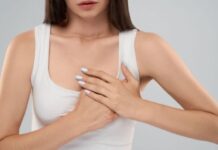







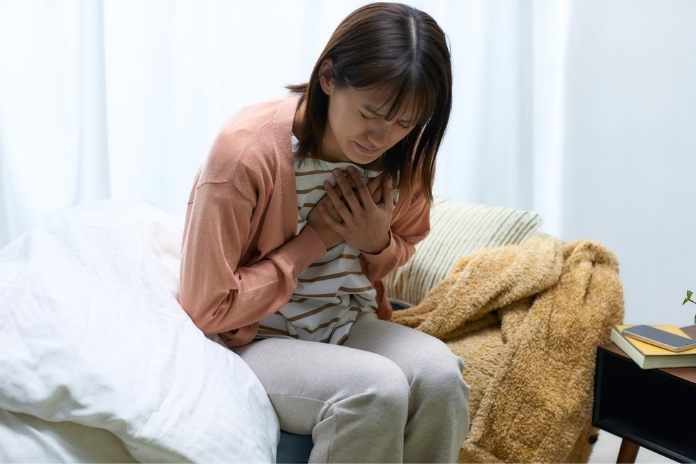
Are you having trouble with achy, aching breasts before your period? Regardless of the breast size or form of their breasts, some people find that the discomfort in their monthly irritation they’ve already become accustomed to. Yes, it could serve as a helpful indicator that your menstruation is approaching.
Each woman experiences soreness to varying degrees and in different ways. It could be mild, throbbing, painful, stabbing, or acute. The discomfort can occur in one breast, both breasts, or throughout all breast tissue. The condition may also affect the area under the arms.
The discomfort is hardly perceptible for many ladies. Others experience such intense pain that it interferes with their daily life.
For some individuals, breast tenderness is one of the signs of premenstrual syndrome (PMS). Experts consider it very common, but not everyone will experience it.
Mastalgia, another name for cyclical breast/chest pain, is a typical premenstrual symptom that follows a regular pattern associated with your menstrual cycle.
Fortunately, breast pain can be prevented and treated.
Read More: Say Goodbye to Breast Pain with These 10 NATURAL Remedies!
Why Breast Pain Happens Before Your Period
As many as 70% of women experience breast pain, known as mastalgia, at some point. So, if you notice it recurring each month before your period, you’re far from alone. Although each person’s experience is unique, fluctuating hormone levels cause breast pain before your period, just like they trigger other premenstrual symptoms such as mood swings, cramps, and skin breakouts.
Many females have breast pain before the onset of their periods. A drop in hormones, such as progesterone and estrogen, which control a girl’s menstrual cycle, is the cause of the aches.
As they get older, these aches become less frequent for some girls. However, that isn’t always the case. It’s common for some women to experience breast pain during their menstrual cycles.
What can you do then? Reducing dairy, sugar, caffeine, and salt may be beneficial. During this period, wearing a supportive bra may make you feel more at ease. You can lessen pain by taking an over-the-counter medication such as naproxen or ibuprofen.
You might start to feel pain, tenderness, or swelling in the run-up to your period, usually after you ovulate (release an egg). This time is known as the luteal phase of your cycle, when the hormone progesterone starts to rise in preparation for you to potentially get pregnant.
If you get a similar type of pain or discomfort every month, this is known as cyclical breast pain because it follows a pattern related to your menstrual cycle, says Dr. Jenna Flanagan, assistant professor of obstetrics and gynecology at the University of Utah, Utah, US. The signs that a period is coming aren’t the same for everyone, and they can even change from month to month.
What’s Considered Normal Breast Pain Before a Period
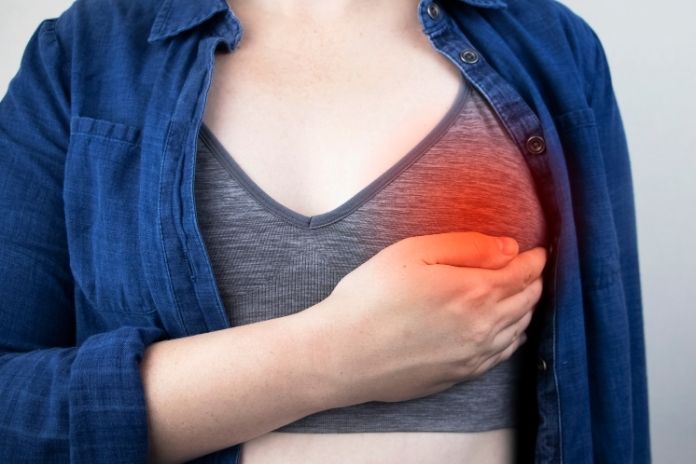
Cyclical breast or chest pain usually occurs at specific times during each menstrual cycle and comes with the following symptoms:
- It begins following ovulation. “It would happen around the same time each cycle,” says Dr. Flanagan. Everyone is different, but if your cycle is typically 28 days, then ovulation might happen on or around day 14.
- The chest and breasts may feel heavy, painful, and aching, but the discomfort may also be acute or shooting.
- Breasts or chest that feel bloated or lumpy in the days leading up to the onset of your period.
Sometimes, chest and breast pain can be so bad that it interferes with intercourse and physical activity. Although it is less often, some people also claim that their breast or chest pain interferes with their ability to work, study, or sleep.
It’s worth seeing a doctor to have your breast discomfort examined if it doesn’t seem to be cyclical or if it feels more like a tight, scorching, or stabbing pain than an ache. After investigating, they should be able to reassure you.
Read More: Breast Health Essentials: 7 Products for Breast Care and Comfort
When Breast Pain May Not Be Normal
Inflammation, infection, or damage in the breast or rib cage can cause non-cyclical pain (pain that does not go away or is not linked to the menstrual cycle), or it may signal cancer.
Always have a healthcare professional investigate non-cyclical breast pain that is chronic in one location, particularly if there is a breast or chest lump present. Other choices, such as starting prescription medication, can be discussed with them.
“If the breast pain does not improve with management and is affecting your day-to-day life, it should be [checked],” says Dr. Flanagan. “Of course, if the pain is associated with a new lump or mass, this is also a reason to be evaluated,” she adds. It’s uncommon for breast pain alone to signal anything more serious, such as cancer, so try not to worry too much.
Breast or chest pain may also signal early pregnancy. If you are pregnant, your period may be delayed, and your breasts or chest may feel sore. It is always a good idea to take a pregnancy test.
Other Possible Causes of Breast Pain Outside PMS
Additional causes of breast pain include:
- An obstructed or blocked milk duct.
- Nursing may cause mastitis, which is an infection of the breast.
- Breasts with fibrocystic tissue are thick and lumpy, which may hurt more during your menstruation.
- Large and heavy breasts.
- Previous breast surgery.
- Taking medications for hormone therapy.
- Using certain medicines like oxymetholone, digitalis, methyldopa, spironolactone, diuretics, or chlorpromazine.
- A trauma to the breast.
- Fluid retention.
Rarely, breast cancer can lead to breast pain since the disease typically evolves very slowly and produces other symptoms before it results in pain.
Having this knowledge of these potential causes, it is easier to distinguish between benign cyclical pain and other illnesses, seek treatment promptly, and have peace of mind regarding breast health.
Read More: 12 Possible Causes of Breast Pain
How to Relieve Breast Pain Before Your Period
Although premenstrual breast pain can be extremely challenging, some simple strategies may lessen the pain. Use these self-care tips to decrease breast pain:
Manage Stress: Find what will help you relax, as stress can exacerbate premenstrual breast pain. Exercise is a great way to relieve stress, and may have the added benefits of elevating your mood and lowering pain severity. Other ways to cope with stress can include: taking time for a hobby, watching a funny TV show or film, or listening to music. Journaling, meditation, or deep breathing can also help reduce tobacco and other stress impacts.
Use Painkillers: Over-the-counter pain relief medications may help with pain, such as ibuprofen, acetaminophen, or paracetamol. Also, if you prefer not to swallow a painkiller, try an anti-inflammatory pain relief gel, which should work similarly. As usual, it is always a good idea to talk with your doctor to help with choosing a suitable treatment through medication.
Wear a Well-Fitting Bra: If your breasts are well supported, you may reduce some pain by decreasing the movement of your breasts. In the days before your period, wear a supportive full-coverage bra that fits you well, and consider wearing a sports bra over it for added support when you exercise.
Use Heat and Cold: Heat and/or cold therapy can help reduce menstrual pain and alleviate associated discomfort. Use ice packs, heating pads, a steaming water bottle, and/or a heat wrap whenever necessary.
Make Dietary changes: Changing your diet might help reduce the menstrual-related breast pain. Avoid products containing caffeine—such as energy drinks, coffee, tea, chocolate, and certain over-the-counter medications—as they may worsen breast pain during menstruation. Carefully read labels to limit your intake of fat- and sodium-rich foods, because studies have linked them to an increased risk of breast soreness.
When to See a Doctor

It’s crucial to remember that you shouldn’t have to endure breast pain in silence, even though it may be a perfectly typical aspect of the monthly cycle. It’s a good idea to contact your healthcare provider for assistance in finding a solution that works for you if the pain makes your life difficult or annoys you excessively.
Even though breast discomfort is frequent and often typical, there are situations in which it has to be treated by a doctor:
- Breast pain that comes on suddenly.
- Breast pain combined with additional symptoms, like discharge from the nipples.
- Breast discomfort that does not correspond with menstruation is known as non-cyclical breast pain.
- A breast lump.
- Skin changes on your breasts, such as a persistent rash, thickening, or dimpling of the skin.
- Persistent breast discomfort.
Read More: 10 Exercises To Reduce Breast Size Naturally- Quick & Easy!
Conclusion
Before periods, many women experience mild breast soreness, which is usually related to regular hormonal changes during the menstrual cycle. Swelling, tenderness, or dull discomfort in both your breasts is often considered normal if they start 1-2 weeks before menstruation and go away after your period begins.
Nonetheless, it’s important to monitor any symptoms that appear suddenly or persist over time. You should have a medical professional evaluate pain in one breast, pain that occurs outside your menstrual cycle, or pain accompanied by lumps, nipple discharge, changes in breast shape, or skin changes.
References
- https://flo.health/menstrual-cycle/health/period/breast-tenderness-before-period
- https://www.hopkinsmedicine.org/health/conditions-and-diseases/breast-pain-10-reasons-your-breasts-may-hurt
- https://www.thewomens.org.au/health-information/breast-health/breast-soreness
- https://helloclue.com/articles/cycle-a-z/breast-pain-and-the-menstrual-cycle
- https://flo.health/about-us/jenna-flanagan
- https://www.naturalcycles.com/cyclematters/why-do-my-breasts-hurt-before-period
- https://kidshealth.org/en/teens/breasts-period.html
- https://mana.md/breast-pain-whats-normal-and-whats-not/
- https://www.medicalnewstoday.com/articles/323998#other-causes-of-breast-pain
- https://www.mayoclinic.org/diseases-conditions/breast-pain/symptoms-causes/syc-20350423
- https://www.myhealth.va.gov/mhv-portal-web/ss20211001-breast-pain-talk-to-doctor
- https://my.clevelandclinic.org/health/diseases/15469-breast-pain-mastalgia
- https://www.merckmanuals.com/home/women-s-health-issues/breast-disorders/breast-pain#Treatment_v11606442
- https://nbcf.org.au/about-breast-cancer/detection-and-awareness/breast-pain-and-aches/
- https://healthcare.utah.edu/the-scope/health-library/all/2023/07/am-i-normal-my-breast-tender-i-dont-feel-lump
- https://www.nationalbreastcancer.org/breast-pain/
In this Article