








Contrary to popular belief, selecting the appropriate underwear is crucial for intimate health.
Selecting the right underwear is crucial because it serves a purpose beyond being just a piece of clothing. Finding the best underwear for women’s health is essential, as gynecologists stress that a woman’s choice of underwear greatly influences the health of her vagina.
Dr. Alyssa Dweck, a gynecologist based in Westchester County, New York, and co-host of the “Business of the V” podcast, notes that some women are fortunate enough to wear any kind of underwear—or even go without underwear—without experiencing discomfort.
However, specific individuals, particularly those with sensitive, intimate skin or those prone to infections such as bacterial or yeast vaginosis, may find it beneficial to use fabrics that allow the genital area to “breathe.” After all, bacteria and yeast mostly prefer damp, gloomy environments.
Based on the recommendations of the gynecologists, we will examine the best underwear choices in this article to preserve the greatest possible vaginal health.
Read More: Stay Confident: The Top 7 Postpartum Bladder Leak Underwear for Women
How Underwear Affects Your Vaginal Health
We frequently overlook the fact that underwear’s primary function is to protect our private areas when making our selections. While attractive patterns and lacy features may be visually appealing, there are other factors to consider when selecting the best pair for your vaginal health.
Numerous factors can disrupt our vaginal pH, increasing our susceptibility to infections such as bacterial vaginosis (BV), yeast infections, and urinary tract infections (UTIs).
Although underwear by itself won’t infect you, several types and materials can make it more likely for germs or other microorganisms to develop.
- Too-tight underwear can irritate and create chafing on the vaginal and vulva’s delicate skin.
- Since cotton is airy and better absorbs moisture from perspiration or discharge than other textiles, it is undoubtedly the ideal material for underwear. Additionally, manufacturers use few chemicals or dyes when creating it, making it naturally hypoallergenic and gentle on the skin. Avoiding synthetic textiles, such as spandex and nylon, is recommended, as they can retain moisture and provide a breeding ground for bacteria.
- Although thongs have a negative image, there is no solid proof that they increase the likelihood of infections. In fact, scientific studies have confirmed that wearing thongs does not increase the likelihood of developing vaginal infections. Ultimately, comfort is the most crucial element in this situation.
- Most people recommend changing your underwear daily to maintain hygiene. However, you might need to change your underwear more than once if you’ve worked out a lot or walked around for a while on a hot summer day. It’s best to be safe than sorry and get a new pair if you see excessive dampness.
Best Fabrics for Vaginal Health and pH Balance
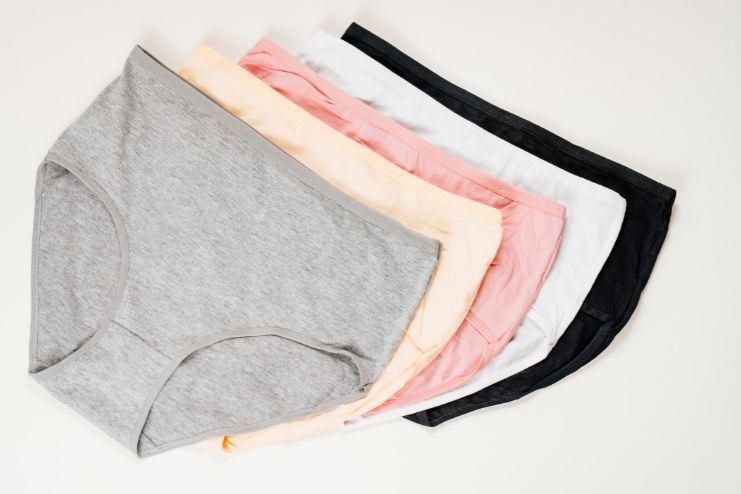
“Bacteria and yeast can overgrow if you wear undergarments that do not breathe, such as those that are made of man-made fiber,” Dr. Diana Hoppe, OB-GYN, women’s health expert, and author of “Healthy Sex Drive, Healthy You,” told BRIDES.
These are the most beneficial fabrics to seek out if you’re wondering about the best underwear fabric for vaginal health:
1. Cotton Undergarments:
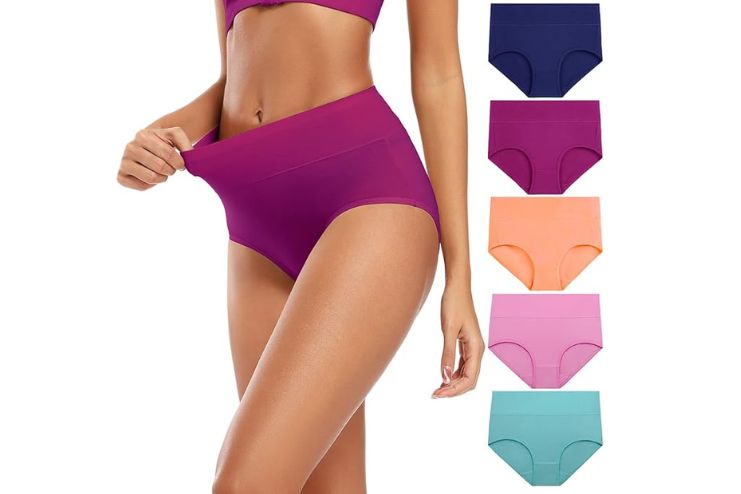
Cotton is favored for women’s underpants since it is breathable, comfortable, and provides enough air circulation. Cotton is a natural, non-allergenic material; women’s underpants made from 100% cotton minimize the risk of irritation and promote a healthy vaginal environment.
Shop Here: Cotton Undergarments
2. Merino Wool:
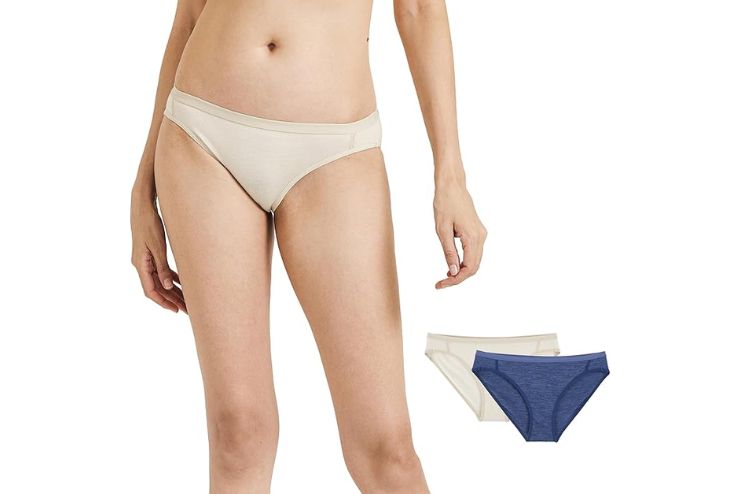
A fiber that draws sweat away from the body, merino wool is perfect for a wide range of temperatures. It regulates temperature, is very comfortable, and is an ideal choice for women interested in other kinds of fabrics.
Shop Here: Merino Wool
3. Natural Threads:
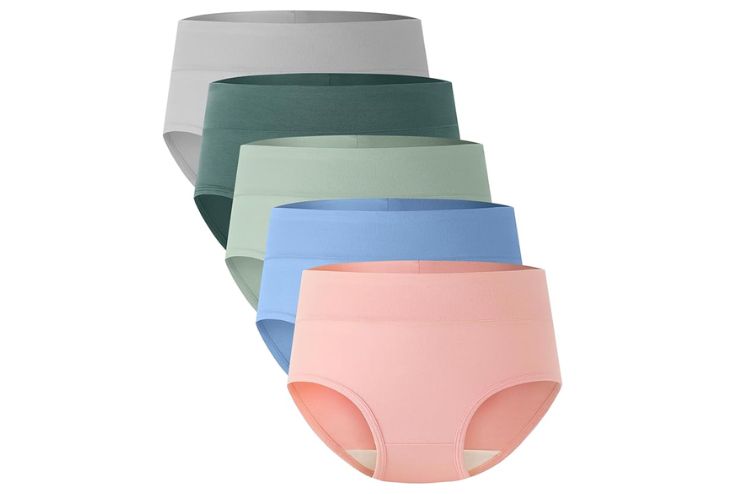
Natural fibers, such as bamboo and modal, combine comfort and breathability effortlessly. Wicking blends of synthetic and natural fibers enhance moisture management while preserving the benefits of both artificial and natural materials.
Shop Here: Natural Threads
4. Chemical-Free and Organic Choices
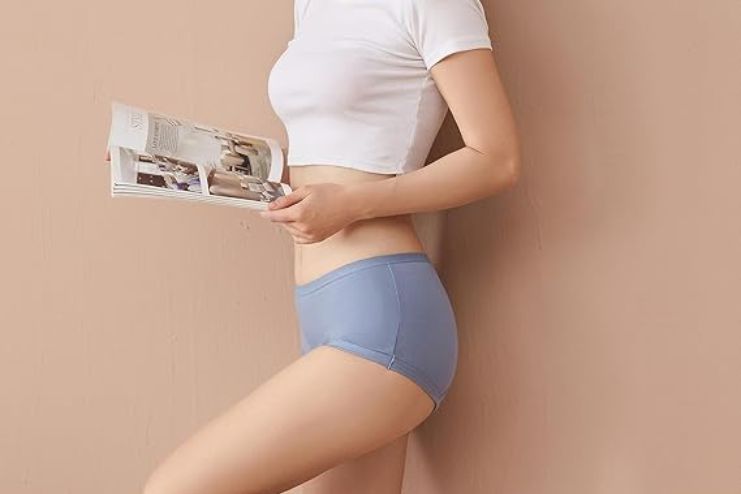
Wearing underwear that is both chemical-free and organic can help reduce allergic reactions and irritation. They are perfect for sensitive users as they ensure the health and wellness of the vaginal area. For increased comfort and enhanced health, purchase women’s underwear made entirely of organic cotton.
Shop Here: Chemical-Free and Organic Choices
5. Wet-wicking fabrics
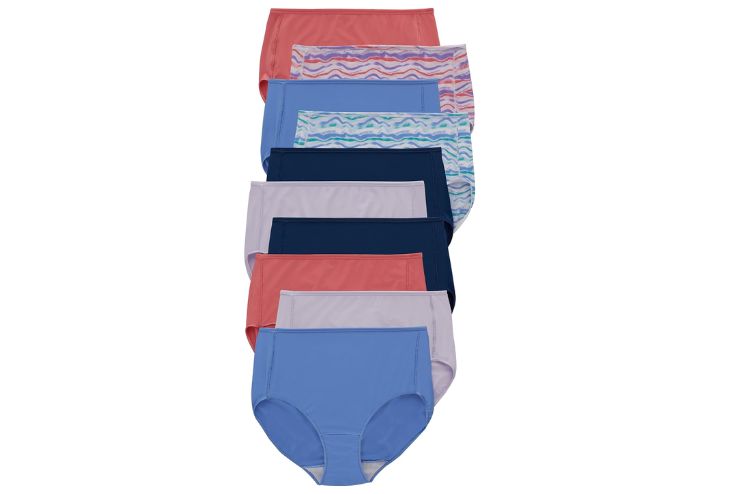
Wet-wicking fabrics, such as Lyocell or Tencel, are fantastic for moisture control. By simply wicking away moisture, they reduce the risk of bacterial or fungal growth and dry the vaginal area. These are also known for their softness and flexibility.
Shop Here: Wet-wicking fabrics
Read More: Sleep Underwear-Free For Incredible Benefits
Cotton vs Synthetic: What’s Better for Intimate Health?
The type of underwear fabric you wear has a very significant impact on your everyday comfort and health. You can make an informed choice about what to wear every day by reviewing the numerous possibilities with the guidance of our comprehensive panty fabric comparison.
The Cotton Edge:
Cotton is a highly soft material with numerous benefits for skin-to-skin contact underwear. As a natural fiber, cotton is an ideal choice for daily underwear because it allows for greater ventilation and does not accumulate heat and dampness.
Health Benefits and Vaginal Well-being: Individuals with sensitive skin or allergies can significantly benefit from the hypoallergenic properties of cotton. The natural breathability of the material prevents infections and irritations, while also helping to maintain the material at an ideal temperature.
Softness and Breathability: Cotton’s natural softness makes it highly comfortable to wear on your daily basis. Each set of cotton underwear is smooth and silky against your skin, making you feel great all day. Natural fibers fit well with your body, thereby providing greater breathability and comfort than synthetic alternatives.
Synthetic Options:
Synthetic materials, like polyester and nylon, also offer advantages in specific ways. Synthetic fibers have undergone significant evolution over the years, offering enhanced performance characteristics.
Performance Characteristics: The enhanced sweat evaporation of contemporary synthetic materials makes them particularly beneficial for intense physical activity. They dry you out during exercise by pulling the sweat from your body and evaporating it faster than cotton.
Style Perks and Panty Lines: Synthetic fibers tend to be superior in reducing visible panty lines. They work wonderfully under fitted garments such as spandex, tight-knit t-shirts, or those that closely follow the body contour. Whether the overall style of what you wear ultimately becomes better can be significantly determined by the underwear you wear. Synthetic fabrics typically offer a virtually unnoticeable appearance, which is often preferred for fitted apparel or more formal occasions.
How to Choose the Right Underwear Fit for Vaginal Health

Finding the proper undergarment that fits your comfort level and body shape is more important than style. There are so many to select from, and there are just so many things to consider to determine that you’re picking the best one for you.
Comfort is your primary concern. The most comfortable undergarment is one that feels like it’s your second skin.
Size and Fit: Make it suitably tight or loose.
Material and Fabric: Women’s undergarments made of organic cotton are an excellent idea as they are free from chemicals, light, and soft. The comfort and air supply provided by different fabrics vary.
Style and Design: Pick a style that suits your sense of fashion.
Occasion and Outfit Compatibility: Certain styles are more suitable for specific occasions and outfits than others.
Test During Activity: Ensure your undergarments feel comfortable and secure when you are engaged in physical activity, especially if you are physically active.
Opt for a Cotton Gusset: Based on comfort and sweat-wicking capacity, make the crotch section (gusset) 100% cotton, even if the undergarment itself is synthetic.
By taking a moment to consider these things, you’re investing in confidence and comfort, rather than in underpants. Keep in mind that properly fitting underwear can boost both your confidence and your overall appearance.
Even though it’s frequently overlooked, the kind of underwear you choose plays an important role. What we opt for has implications for our vagina’s health. Natural fabrics, such as cotton, are ideal choices and are commonly preferred for this reason. Hemp, bamboo, and linen are other excellent natural choices, says Dr. Suzy Lipinski, M.D., a board-certified OBGYN at Obstetrix of Colorado, a subsidiary of Pediatrix Medical Group.
Read More: Stay Fresh All Day: 6 Odor-Control Panty Liners for Intimate Health
Best Underwear Styles for Different Activities
A whole look can be made or broken based on the choice of underwear. Being comfortable is essential, but so is ensuring your clothing looks great and performs as needed. Different styles of underwear are designed to suit various outfits and occasions, enhancing comfort, appearance, and practicality.
Daily Use: For daily use and meetups, briefs or hipsters made of cotton are the best. They are some of the most breathable underwear, offering a close-to-body fit, comfort, and a feeling of wellness throughout the day.
Special Occasions: Opt for lace or silk thongs if you want to feel special when dressing up for an evening out, such as a dinner for two, a gala, or any other occasion. They provide no panty lines and add an extra touch of sophistication and class.
Workout or Active Wear: The best underwear to wear when working out is one that can handle sweat and friction. To avoid chafing and stay dry, select underwear made from fabrics that wick away moisture.
Period Underwear: They are specially designed to control menstrual flow, providing extra safety and comfort. For added protection, they may have a leak-proof liner and absorbent layers. For added safety, some companies include PFAS-free period underwear.
Maternity and Postpartum: Comfortable and supportive underwear is ideal for wear during pregnancy and the postpartum period. The best postpartum underwear would be a high-waisted pair with increased stretch, which might support the growing tummy and provide gentle compression post-delivery.
When to Replace Your Underwear for Optimal Health
Vaginal health depends on wearing clean, well-maintained underwear, yet many women don’t realize how important it is to replace them on time. Even after frequent washing, underwear eventually accumulates bacteria, particularly if it is composed of absorbent materials like cotton. You don’t need a scientific formula to figure out when it’s time to change your underwear. It is an artistic endeavor.
- Your underwear’s elastic bands play a crucial role in supporting and holding it in place. The elastic bands may become stretched out and less elastic with time. Your underpants may feel loose and start to come loose as a result of this. It’s an indication that you should get new underwear if you find yourself pulling them up during the day.
- A hole in your underwear is the clearest sign that it’s time for a replacement. Holes not only expose your skin to external fabric, making them unsanitary, but they can also lead to awkward situations. The last thing you want is to find yourself in a scenario where your holes are visible.
- Normal wear and tear, as well as the use of bleach and other laundry chemicals, can eventually cause your underwear to dull and lose its original color. In addition to being unsightly, discolored underwear may indicate that the fabric has deteriorated.
- A strong odor coming from your undergarments signals bacterial buildup. Bacteria can accumulate in your underwear, especially if you don’t wash it properly. Worn-out clothing can also trap sweat and bacteria, leading to unpleasant odors. Maintain proper hygiene and replace your old underwear with fresh ones.
Read More: 7 Best pH-Balanced Feminine Washes for Vaginal Health
Underwear Mistakes That Can Cause Vaginal Infections
Your vaginal health can be significantly affected by certain habits, but your underwear does not necessarily appear to have an effect. Wearing clothing that is the wrong size, type, or material can increase the risk of infection by creating a haven for yeast and bacteria.
- The wearing of non-breathable, heat-retaining, and moisture-retaining synthetic materials like polyester or nylon is one of the most common mistakes. This heat and moisture provide a breeding ground for bacterial growth.
- Wearing close-fitting or ill-fitting briefs is another mistake that can cause friction, irritation, and even minor skin tears, providing an entry point for infections to develop.
- Another life-threatening hygiene mistake is not changing your undergarments daily or after workouts. Continuous sweat and discharge can create infections by disrupting your vagina’s pH.
- Do not wear tight or synthetic ones for extended periods, purchase 100% cotton undies, and adhere to strict cleanliness to maintain vaginal health.
Read More: I Switched to Organic Pads for 2 Months — Here’s What Changed (And What Didn’t)
Conclusion
Selecting the right kind of underwear is the key to a healthy vagina, which is more than hygiene. The smallest detail can make a difference, from the material, size, and shape. Ventilation-friendly materials, such as 100% cotton, are generally recommended by gynecologists to promote a healthy environment and reduce the risk of irritation, infection, and discomfort.
Steering clear of common errors, such as wearing tight, old, or chemically treated undergarments, can make a real difference. For complete comfort and safety, choose your underwear based on your daily activities, such as exercise, sleep, or air travel.
Comfort, breathability, and hygiene are the keys. Considering your underwear as part of your self-care routine is an easy, progressive step toward overall wellness.
References
- https://www.qforquinn.com/pages/best-underwear-for-vaginal-health
- https://www.huffpost.com/entry/gynecologists-recommend-underwear_l_60a55f3ee4b014bd0cb42643
- https://www.healthline.com/health/womens-health/underwear-hygiene
- https://www.drdweck.com
- https://obgyn.onlinelibrary.wiley.com/doi/10.1111/jog.13958
- https://axiawh.com/resources/how-your-underwear-can-affect-your-vaginal-health
- https://amazingover40.com
- https://www.qforquinn.com/pages/styles-types-of-womens-underwear
- https://www.pediatrix.com/find-care/doctors/lipinski-suzy-1821208281
- https://www.pediatrix.com/about/for-media/news/underwear-and-vaginal-health
- https://www.thehealthy.com/yeast-infection/underwear-mistakes
In this Article