














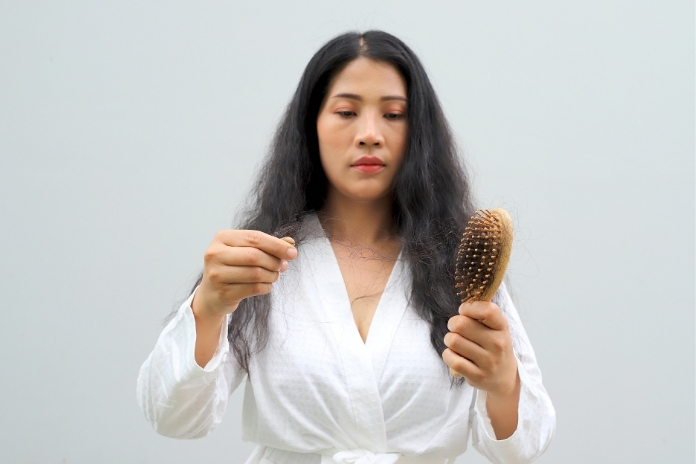
Menopause brings about significant changes, including sleep disturbances, mood fluctuations, skin issues, and, yes, your hair. Thinner strands, increased shedding, and a coarser texture are common complaints because falling estrogen levels and increased androgen activity alter how hair follicles function.
Menopause Alters Follicle Biology. Hormonal changes during menopause shorten the hair’s growth (anagen) phase and may shrink follicle size. Reduced scalp blood flow and slower follicular metabolism also contribute to thinning, especially around the crown and temples.
Hair that once grew thick and fast may now feel dry, brittle, or noticeably sparse.
For many women, this shift can feel like a blow to their confidence, even if it’s a completely natural part of the hormonal transition. Here’s the thing: no shampoo can “cure” menopausal hair loss, but the right one can make a real difference.
In this article, we’ll unpack what’s really happening to your hair during menopause, the science behind hormonal hair changes, the ingredients that actually help, and how to use them effectively.
What Happens to Hair During Menopause
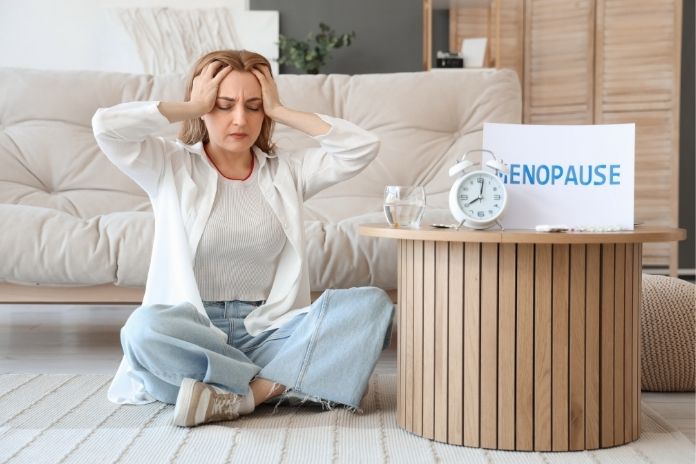
During menopause, falling estrogen and progesterone levels trigger a cascade of changes that affect hair growth and texture. These hormones normally help extend the hair’s growth (anagen) phase, promote healthy blood flow to the scalp, and maintain the thickness and strength of each strand.
When their levels drop, androgens like DHT (dihydrotestosterone) become relatively more active, and the balance shifts. Hair follicles may start to miniaturize, producing finer, shorter strands that don’t grow as long as before. Over time, this leads to visible thinning, particularly along the part line or crown.
But hormones aren’t the only factor. Midlife also brings slower cell turnover, reduced collagen and elastin in the skin and scalp, and weaker circulation. These changes mean less oxygen and nutrients reach the follicles. Add in common nutritional gaps such as low iron, vitamin D, or biotin, and you’ve got a perfect storm for fragile, easily-shedding hair.
As one review noted, “Estrogen has vasodilatory effects; with its decline, scalp blood vessels may constrict, potentially reducing blood supply to follicles.” This helps explain why some women experience dullness, dryness, or a sudden shift in hair texture around menopause; hair may feel wirier or less responsive to styling.
Here’s why all this matters: shampoos can’t single-handedly reverse follicle miniaturization, but they’re far from useless.
Ingredients to Look for in a Shampoo for Menopausal Hair Loss
The right shampoo formula supports scalp health by reducing inflammation, clearing buildup that clogs follicles, and improving the delivery of active ingredients like caffeine, niacinamide, or saw palmetto. Hydrating agents like amino acids, ceramides, and mild surfactants also help minimize breakage and dryness.
Think of a good shampoo as part of a team, working alongside balanced nutrition, stress management, and medical treatments (like topical minoxidil or hormone therapy) to help your hair look and feel stronger through menopause and beyond.
The shampoo won’t stop hormonal hair loss entirely, but it can support scalp health, reduce breakage, and create better conditions for growth.
When choosing a shampoo, focus on formulas that strengthen strands, calm the scalp, and include evidence-backed ingredients rather than marketing buzzwords.
Here’s a breakdown of key ingredients worth knowing and what they actually do.
1. Biotin (Vitamin B7), Structural Support
Biotin is frequently added to shampoos for its link to stronger, thicker-looking hair. While it’s essential for keratin production, research shows it only promotes new growth in people who are biotin-deficient, a relatively rare condition. For most users, topical biotin improves the appearance and resilience of hair shafts rather than regenerating follicles.
Note: High-dose biotin supplements can interfere with certain lab tests (like thyroid or heart markers), so discuss dosage with your clinician.
Read More: Biotin for Hair Loss & Growth: Does it Really Work for Hair Loss
2. Saw Palmetto, Pumpkin Seed, Nettle, Mild DHT Modulators
These botanical extracts show modest ability to inhibit 5α-reductase, the enzyme that converts testosterone into DHT, a key driver of follicle shrinkage. Clinical data is still limited but encouraging, with some studies reporting reduced shedding. Expect subtle, gradual effects rather than dramatic regrowth.
3. Caffeine and Niacin (Vitamin B3), Scalp Stimulants
Caffeine penetrates follicles and, in multiple trials, has been shown to reduce shedding and increase hair density, with some studies indicating comparable results to minoxidil. Niacin complements it by improving scalp microcirculation. Caffeine-based shampoos or leave-on products are easy, safe, and well-tolerated options to enhance routine care.
4. Peptides, Aminexil, Stemoxydine, Procyanidin B2, Growth-Phase Supporters
These compounds are designed to strengthen follicle structures and prolong the hair growth phase (anagen). Small-scale studies show improved density, especially with peptide or procyanidin formulations. However, evidence remains mixed, and effects are generally milder compared with prescription treatments like minoxidil.
5. Topical Minoxidil Is the Best-Evidenced Treatment
Minoxidil (2% or 5%) remains the most proven option for increasing hair density in women with pattern or persistent thinning. It extends the growth phase and boosts follicle activity. Shampoos can’t replace minoxidil, but they work well alongside it to improve scalp condition and product absorption.
6. Ketoconazole, Anti-Inflammatory & DHT-Lowering Potential
Used in 1–2% medicated shampoos, ketoconazole helps calm scalp inflammation, a factor that can worsen hair thinning. It may also reduce local DHT activity, making it a valuable add-on for menopausal or androgen-related hair loss. Dermatologists often recommend rotating it into your routine once or twice weekly.
7. Moisture and Shaft Repair Agents, Argan Oil, Keratin, Ceramides, Amino Acids
Menopausal hair often becomes drier, coarser, and more prone to breakage. Look for formulas that blend actives with nourishing agents, such as argan oil or ceramides, to restore smoothness and shine without weighing hair down.
Bottom Line: The strongest science supports topical minoxidil as the first-line treatment for menopausal or pattern hair loss, with caffeine and botanical DHT blockers offering mild additional benefit.
Shampoos play a supportive role; they improve scalp health, reduce breakage, and help active ingredients work more effectively when combined with medical and nutritional strategies.
Features to Prioritize in Menopause-Friendly Shampoos
- Leave-In Contact Time: Choose shampoos that recommend keeping the lather on your scalp for at least 1–2 minutes before rinsing. This increases active absorption.
- Massage-Friendly Lather: A rich lather allows gentle scalp massage, which can improve circulation and relaxation.
- Sulfate- and Fragrance-Sensitive Formulas: If your scalp is sensitive or your hair is color-treated, opt for SLS-free and lightly fragranced products.
- Transparency and Accessibility: Look for brands that clearly list ingredient concentrations and have credible U.S. availability. Avoid “miracle growth” claims; hair biology simply doesn’t work that way.
Top 5 Shampoos to Consider in the U.S
Below are five well-regarded shampoos available in the U.S. that target thinning hair and scalp health during menopause. Each product offers a distinct ingredient profile and formulation approach. Always review the current ingredient list on the brand’s official site, as formulations can change over time.
1. DS Laboratories, Revita High-Performance Shampoo
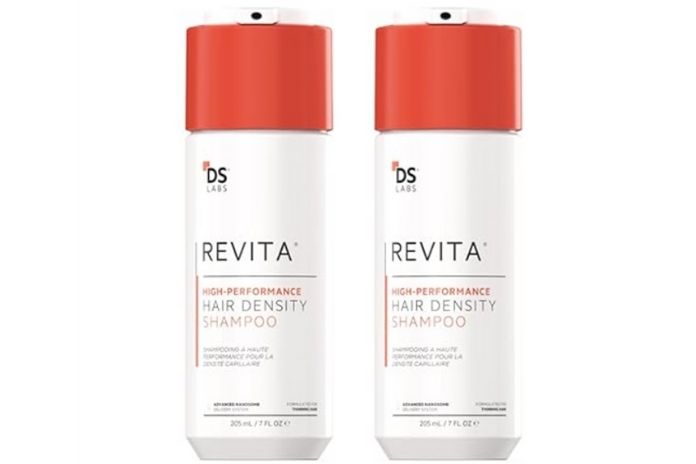
Why It’s Recommended: This multi-active formula combines caffeine, ketoconazole, biotin, and peptides to support scalp circulation, follicle vitality, and overall density. Dermatologists often cite it as a reliable option for promoting scalp health in women experiencing hormonal thinning.
Pros: Evidence-based ingredient mix, color-safe formula, designed for thinning and fragile hair.
Cons: Higher price point compared with mass-market options; active concentrations are proprietary.
Where to Buy: DS Labs Revita Shampoo
2. Ultrax Labs, Hair Surge (Caffeine Shampoo with Saw Palmetto)
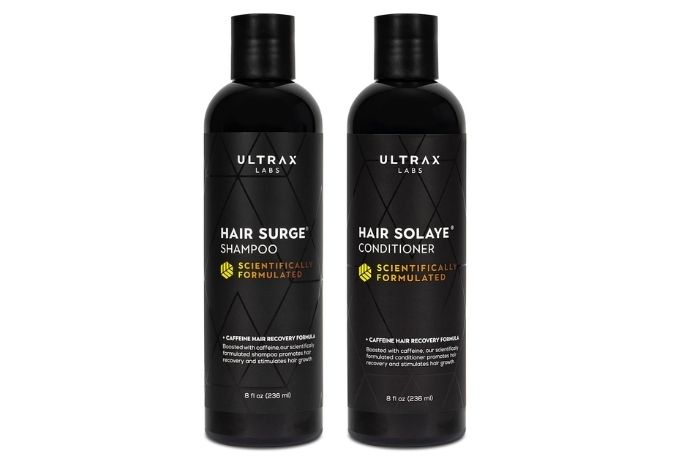
Why It’s Recommended: Formulated with caffeine, saw palmetto, peppermint oil, and niacin, this shampoo is intended to stimulate scalp circulation and provide mild DHT modulation. It’s particularly popular for its invigorating, cooling sensation.
Pros: Strong consumer following; effective for those who prefer noticeable scalp stimulation.
Cons: Menthol intensity may irritate sensitive scalps; scent can be polarizing.
Where to Buy: Hair Surge Shampoo and Hair Solaye Conditioner
3. PURA D’OR, Original Gold Label Anti-Thinning Shampoo
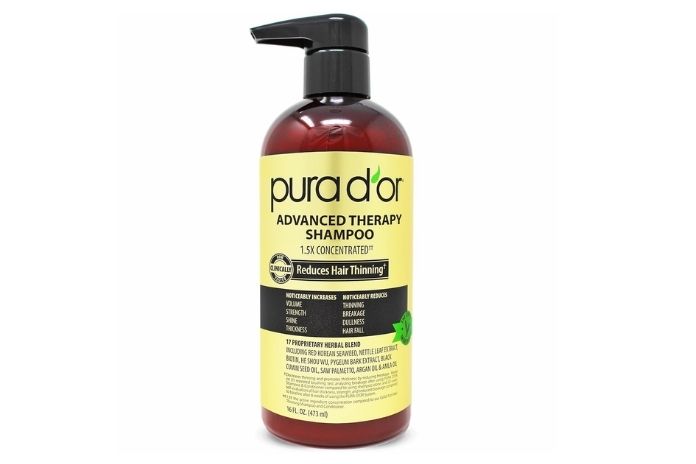
Why It’s Recommended: This widely available, budget-conscious option relies on a botanical complex featuring biotin, nettle, pumpkin seed, and argan oil. It emphasizes shaft strength and reduced breakage rather than direct follicular stimulation.
Pros: Affordable, sulfate-free, large user base, suitable for daily use.
Cons: Effects are modest; botanical composition can vary slightly by batch; fragrance may bother sensitive users.
Where to Buy: PURA D’OR 16 Oz Advanced Therapy Shampoo
4. Vegamour, GRO Revitalizing Shampoo
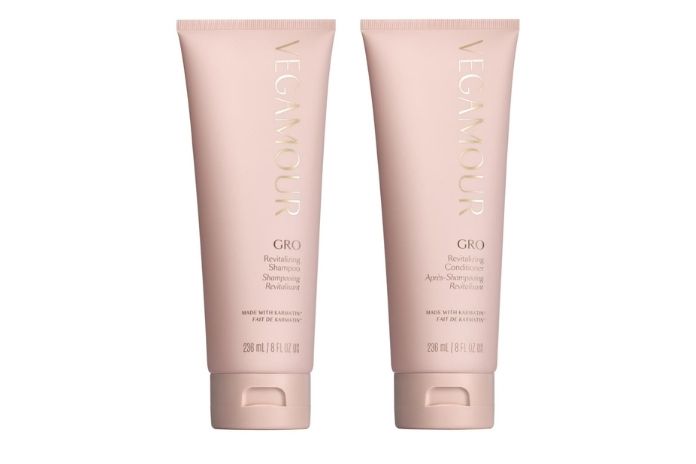
Why It’s Recommended: A clean, plant-derived formulation containing biotin, peptides, and the brand’s proprietary “Karmatin” complex, designed to preserve density and smoothness. Ideal for those prioritizing vegan, non-toxic hair care.
Pros: Gentle and color-safe; vegan formulation; subscription options available.
Cons: Premium pricing; limited independent clinical validation compared with drug-based products.
Where to Buy: VEGAMOUR GRO Revitalizing Shampoo and Conditioner Duo Kit
5. L’Oréal Professionnel Paris Volumetry Volumizing Shampoo
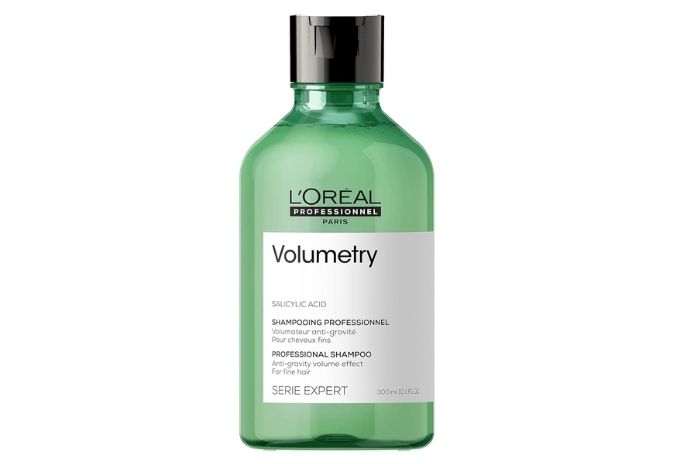
Why It’s Recommended: Formulated for fine and thinning hair, this shampoo uses salicylic acid to deep-clean the scalp and remove residue that weighs hair down. Its “Intra-Cylane” technology helps strengthen and lift strands from the roots, adding body without heaviness.
It’s ideal for menopausal or mature hair that feels limp or flat. The formula also supports better scalp balance and freshness over time.
Pros: Provides noticeable volume and lift after washing; leaves scalp feeling clean and refreshed. Color-safe and suitable for daily use on fine or thinning hair.
Cons: Contains sulfates, which may not suit very dry or sensitive scalps. Focuses on volume and cleansing rather than directly targeting follicle stimulation.
Where to Buy: L’Oréal Professionnel Paris Volumetry Volumizing Shampoo
How to Use These Shampoos for Best Results
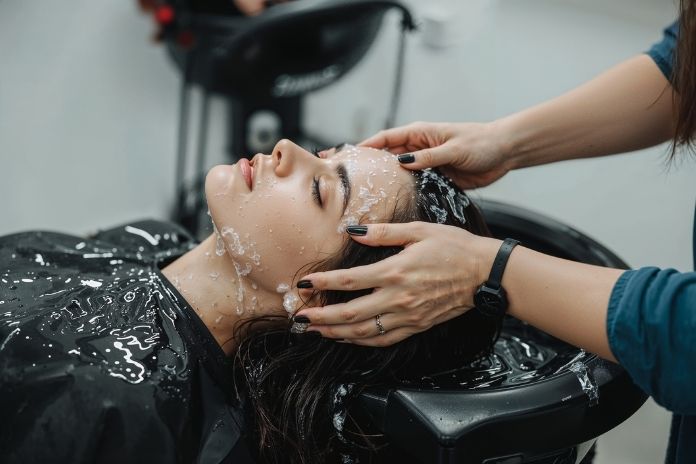
Even the best formulas won’t deliver much if they’re used incorrectly. How you wash, how long you leave the product on, and how consistent you are all affect outcomes. Here’s a practical routine that helps you get the most from shampoos designed for menopausal hair thinning.
- Wash Technique Matters: Start with a fully wet scalp. Apply the shampoo directly to the roots and use your fingertips to gently massage for 1-2 minutes. This step increases scalp circulation and helps the active ingredients penetrate better. Most hair-thickening or caffeine-based shampoos work best when the lather sits for 1–2 minutes before rinsing.
- Focus on the Scalp, Not the Ends: Your follicles live on your scalp; that’s where the actives need to go. Concentrate the product there, not on your hair length. If your hair feels dry, apply a separate conditioner or mask to the mid-lengths and ends after rinsing the shampoo out.
- Be Consistent: Hair growth cycles move slowly. Non-prescription shampoos and topicals typically need at least 8–12 weeks before you notice less shedding, and around 3–6 months to see visible density changes. If nothing improves after six months, it’s worth reassessing your plan with a dermatologist.
- Rotate if Needed: Some people do best alternating between two shampoos, for example, using a scalp-focused formula (like one with ketoconazole or caffeine) a few times a week and a hydrating or biotin-rich shampoo on other days. This keeps the scalp balanced while maintaining moisture and strand strength.
- Avoid Harsh Add-Ons: Limit chemical relaxers, excessive heat styling, and tight hairstyles that pull on the follicles. These can worsen breakage and slow progress.
- Test for Sensitivity: If you notice redness, itching, or irritation that persists, stop using the product and get your scalp checked. Sensitivity reactions are uncommon but can happen, especially with menthol, botanical extracts, or fragrance-heavy formulas.
“The way you use your shampoo matters just as much as what’s in it. A gentle scalp massage during washing boosts blood flow and allows active ingredients like caffeine or niacinamide to work more effectively. Leave the lather on for a minute or two; it gives your follicles time to absorb the benefits.” – Dr Michele Green, M.D., board-certified dermatologist.
When to See a Dermatologist or Trichologist
Shampoo can improve scalp health and reduce breakage, but it can’t fix every cause of hair loss. Some situations call for medical attention rather than just topical care:
- Rapid or patchy hair loss: Sudden bald spots or thinning in specific areas can signal conditions like alopecia areata.
- Persistent scalp irritation: Ongoing itching, redness, flaking, or pain may point to psoriasis, severe seborrheic dermatitis, or infection.
- Heavy shedding or systemic symptoms: Noticeably more hair in the drain, coupled with fatigue or feeling unusually cold, can indicate thyroid issues, iron deficiency, or autoimmune disorders.
- No improvement after consistent use: If you’ve followed a good routine for six months with no change, it’s time to see a dermatologist. They can evaluate your scalp, run relevant tests, and suggest prescription treatments like topical or oral minoxidil, anti-androgens, or in-office procedures such as PRP or microneedling.
“Shampoos don’t stop hormonal hair loss on their own; they support scalp health, reduce breakage, and provide a better environment for growth. The real change comes when you combine a good formula with nutrition, stress control, and medical guidance.” – Dr Debra Jaliman, M.D., board-certified dermatologist.
Doctors often check for thyroid, iron, and hormonal imbalances in women with ongoing thinning. In complex cases, a scalp biopsy or trichoscopy can help pinpoint the cause. If you suspect an underlying health issue, don’t delay; get a professional diagnosis before trying another product.
Read More: How to Naturally Slow Down Age-Related Hair Loss
Conclusion
Menopause doesn’t mark the end of healthy hair; it simply signals a shift in what your scalp and strands need.
As estrogen declines, the hair growth cycle shortens and follicles can become more sensitive to androgens, leading to finer, weaker strands. That’s why addressing menopausal hair changes isn’t about finding a “miracle shampoo”; it’s about creating the right environment for your follicles to thrive again.
The right shampoo helps by improving scalp circulation, cleansing gently, and delivering actives like caffeine, niacinamide, or saw palmetto that can support density and reduce breakage. But products alone rarely solve the full picture.
A holistic routine, balanced nutrition, medical evaluation for thyroid or iron levels, and, when indicated, proven treatments like topical minoxidil, work best over time.
What this really comes down to is patience and consistency.
Hair growth is slow, and visible change can take several months. Keep expectations realistic, rotate products thoughtfully, and treat your scalp as the living skin it is. If shedding continues or new symptoms appear, seek professional help early. With care and persistence, menopausal hair can stay full, healthy, and strong, not by fighting age, but by adapting wisely to it.
FAQs
Can a shampoo alone stop menopausal hair thinning?
No, shampoos help with scalp health and breakage, but are rarely sufficient alone to reverse patterning or severe follicle miniaturization. Combine with medical review and, if indicated, minoxidil or other therapies.
How long before I see results from a thinning-hair shampoo?
Expect 8–12 weeks for reduced shedding and 3–6 months for density changes; if you see nothing at six months, reassess.
Is biotin safe for menopausal women?
Oral biotin is generally safe but often unnecessary; it can interfere with lab tests, so check with your clinician before taking high doses. Topical biotin in shampoos poses minimal systemic risk.
Should I change my shampoo routine after menopause?
Yes, gentler, hydrating, and scalp-focused formulas; avoid harsh chemical treatments and reduce heat styling.
What is the difference between thinning hair and hair loss during menopause?
Thinning = reduced density/diameter (diffuse). Hair loss = increased shedding or focal bald patches. Menopause typically causes diffuse thinning rather than focal loss, but medical evaluation is important.
References
- https://pmc.ncbi.nlm.nih.gov/articles/PMC10669803/
- https://health.clevelandclinic.org/heres-how-menopause-affects-your-skin-and-hair
- https://www.mdpi.com/2227-9059/11/11/3041/review_report
- https://www.dramersi.com/blog/what-causes-women-to-lose-hair-during-perimenopause-and-menopause
- https://thane.hiranandanihospital.org/blog-details/71
- https://www.breastcancer.org/treatment-side-effects/menopause/hair-changes
- https://www.philipkingsley.com/hair-guide/female-hair-loss/menopause-and-your-hair.html
- https://pmc.ncbi.nlm.nih.gov/articles/PMC10092469/
- https://mydoctor.kaiserpermanente.org/mas/news/hair-thinning-and-menopause-why-it-happens-and-remedies-2248340
- https://www.oprahdaily.com/beauty/hair/a40517158/menopause-hair-loss-thinning-treatment/
- https://www.menopausenaturalsolutions.com/blog/hydrogen
- https://www.goodrx.com/conditions/menopause/hair-loss-in-menopause
- https://www.joinmidi.com/post/menopause-and-hair-loss
- https://lizearlewellbeing.com/read/health/menopause/menopause-hair-loss/
- https://www.mymenopausecentre.com/symptoms/hair-changes/
- https://time-clinic.com/blog/clinic-news/hair-loss-during-menopause-heres-what-you-can-do-about-it
- https://wimpoleclinic.com/blog/best-shampoos-for-menopausal-hair-loss-damage/
- https://www.skin.software/journal/menopause-hair-loss
- https://www.hairmdindia.com/blog/menopause-hair-loss-causes-treatments
- https://onlinedoctor.superdrug.com/hair-loss-and-menopause.html
- https://www.nbcnews.com/select/shopping/menopause-hair-rcna198644
- https://www.treatmentroomslondon.com/hair/what-causes-hair-loss-during-menopause/
- https://www.newvictoria.co.uk/about-us/news-and-articles/menopause-and-hair-loss-top-myths-debunked
- https://www.hairdoctors.com.au/blog/menopause-and-hair-loss/
- https://www.myalloy.com/blog/is-menopausal-hair-loss-permanent
- https://helloclue.com/articles/skin-and-hair/hair-and-skin-changes-perimenopause-and-menopause
In this Article