











You’re eating “clean.” You’re tracking calories. You’re trying to stay in a deficit. And yet, the hunger keeps showing up. Not just a mild rumble before meals, but real, distracting hunger that makes it hard to focus and harder to stay consistent.
That’s usually when people start searching for the best over-the-counter appetite suppressant. Not because they want shortcuts or magic pills, but because constant hunger wears you down. When your willpower is being tested every few hours, even a solid plan can start to feel unsustainable.
Here’s what most people aren’t told: feeling hungry in a calorie deficit isn’t a personal failure. It’s biology. When you eat less, your body responds by increasing hunger signals and dialing back feelings of fullness. That pushback is normal—and it’s why fat loss often feels easier at first and harder over time.
So it makes sense that appetite suppressants sound appealing. If something could take the edge off hunger, sticking to your plan would feel more realistic. You wouldn’t be fighting your appetite at every meal. You’d have a little breathing room.
But it’s important to be clear upfront about expectations. Most over-the-counter appetite suppressants offer mild, temporary support, not dramatic appetite control. Some can help in specific situations. Many do very little. A few can even backfire by increasing anxiety, disrupting sleep, or leading to rebound hunger later.
This article breaks down what over-the-counter appetite suppressants actually are, how they work in the body, which options have evidence behind them, and which ones are mostly marketing. No hype. No fear-mongering. Just practical physiology.
Read More: 7 Easy and Effective Ways to Suppress Appetite for Healthy Living
What Is an Over-the-Counter Appetite Suppressant?
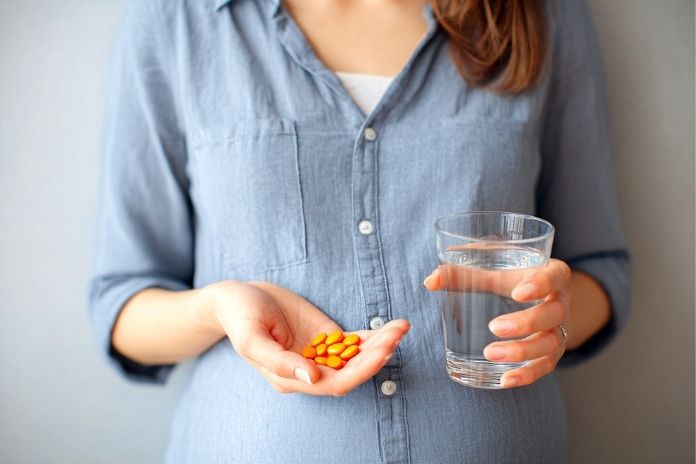
An over-the-counter appetite suppressant is any non-prescription product marketed to reduce hunger, delay eating, or increase feelings of fullness. You’ll typically find them sold as capsules, powders, drinks, teas, or blended “fat burners” in pharmacies, supplement stores, and online.
These products are supplements, not weight-loss drugs—and that distinction matters. Unlike prescription medications, OTC appetite suppressants don’t directly control the brain’s main appetite pathways. Instead, they work indirectly.
Some increase stomach fullness through fiber or fluid volume. Others use mild stimulants like caffeine to blunt hunger signals. Some rely on protein or fats to slow digestion and extend satiety. The effect is usually modest: a slight reduction in hunger or an extra hour or two of feeling satisfied.
That’s why appetite suppression doesn’t mean you’ll never feel hungry or that weight loss suddenly becomes effortless. It doesn’t override biology. It doesn’t replace good food choices, adequate protein and fiber, quality sleep, or stress management. Products that promise otherwise are selling fantasy, not physiology.
In real life, appetite suppression looks simple and unglamorous: feeling full a little sooner, staying satisfied a bit longer between meals, delaying the urge to snack, and making calorie control slightly easier on tougher days.
Medical organizations like the Cleveland Clinic are clear on this point: non-prescription appetite suppressants should be treated as add-ons, not primary weight-loss tools. If your diet lacks protein, fiber, or sufficient food volume, no supplement can fix that foundation.
So the most honest way to think about over-the-counter appetite suppressants is this: they’re tools, not solutions. They can help a little in the right context. They won’t carry a bad plan, and they won’t silence hunger entirely. But when used with realistic expectations, they can make consistency feel more manageable, and that’s where their real value lies.
How Appetite Suppressants Work in the Body
Appetite isn’t controlled by a single switch. It’s regulated by a layered system that includes hormones, brain signaling, stomach stretch, blood sugar changes, and nutrient sensing in the gut. All of these signals talk to each other to decide when you feel hungry, how full you get, and how long that fullness lasts.
Over-the-counter appetite suppressants only touch small pieces of this system. They don’t reset your hunger biology. They don’t reprogram your metabolism. At best, they create short-term changes that make hunger feel a little quieter for a while.
The Role of Hunger Hormones: Ghrelin and Leptin
Two of the most important hormones in appetite regulation are ghrelin and leptin.
Ghrelin is often called the hunger hormone. It rises before meals and pushes you to eat. When your stomach is empty or your calorie intake drops, ghrelin climbs, and hunger gets louder.
Leptin works in the opposite direction. It reflects your body’s long-term energy status and signals fullness and energy sufficiency to the brain. When body fat drops or dieting goes on too long, leptin falls, and appetite tends to increase.
As hormone expert Michelle Sands, ND, puts it, “In a perfectly working body, ghrelin tells us to eat so we don’t starve, and leptin tells us when to stop.” Together, these hormones help regulate energy balance, not just meal-to-meal hunger.
Most OTC appetite suppressants don’t meaningfully change leptin at all. That’s a long-term energy signal, and supplements simply aren’t powerful enough to move it. Some products can blunt ghrelin slightly and temporarily, usually through physical fullness in the stomach or higher protein intake. But once that effect wears off, ghrelin comes right back up.
Stomach Fullness vs Brain Signaling
The main way most non-prescription suppressants work is mechanically. A lot of these products create satiety by absorbing water, expanding in the stomach, or slowing down how fast food leaves your stomach. Fiber supplements, glucomannan, and volume-based powders fall into this category.
When your stomach stretches, it sends fullness signals to your brain. You feel more satisfied sooner. The catch is that this only works while the product is physically present. Once it moves through your digestive tract, the effect fades. There’s no lasting appetite control. It’s a temporary nudge, not a permanent shift.
Stimulation vs Satiety
Some appetite suppressants rely on stimulation rather than fullness.
These products use caffeine or caffeine-like compounds to reduce perceived hunger. Stimulants can dampen appetite for a few hours by increasing alertness and slightly suppressing hunger signaling in the brain. This can feel helpful at first, especially if you’re tired or dieting hard.
As Dr. Leah Panek-Shirley, co-author of a study on caffeine and food intake, explains, “Caffeine is frequently added to dietary supplements with claims that it suppresses appetite and facilitates weight loss. Previous research has speculated that caffeine speeds metabolism or affects brain chemicals that suppress appetite.”
But stimulation comes with trade-offs. The appetite-suppressing effect is short-lived. When the stimulant wears off, hunger often rebounds stronger. In some people, it also increases anxiety, disrupts sleep, and raises cortisol, which can actually make appetite regulation worse over time.
Why No OTC Product Truly “Turns Off” Appetite
Over-the-counter appetite suppressants don’t override hunger hormones. They don’t shut down brain signaling. They don’t cancel out the body’s defense against calorie deficits. They nudge the system. That’s it.
Sometimes that nudge is useful. It might help you delay a snack, feel fuller at a meal, or get through a rough dieting day with less mental friction. Other times, it does almost nothing noticeable.
So the honest question isn’t “Will this stop me from being hungry?” It’s “Will this slightly reduce hunger for a few hours without causing problems elsewhere?” That’s the realistic frame. Anything beyond that is marketing.
Read More: 18 Foods That Suppress Appetite for Weight Management
OTC Appetite Suppressants With the Most Evidence
Most over-the-counter appetite suppressants don’t do much. That’s not being cynical. That’s what the data actually shows.
But a few options do have real evidence behind them. Not miracle-level results. Just modest, predictable effects that can take the edge off hunger when used correctly. If you’re going to try anything in this category, these are the ones that are at least grounded in physiology instead of hype.
Fiber-Based Options (Glucomannan, Psyllium)
Soluble fiber is one of the most reliable non-prescription tools for appetite control. It works mechanically. It absorbs water, expands in the stomach, slows digestion, and increases fullness signals to the brain. Some forms also enhance satiety hormones like GLP-1.
A meta-analysis in The American Journal of Clinical Nutrition found that soluble fiber modestly reduced appetite and calorie intake, especially when taken before meals.
Glucomannan, derived from konjac root, is highly viscous and can increase fullness when taken with enough water. Psyllium is more commonly used, better tolerated, and also supports digestive regularity. Fiber works best for people who eat large portions, eat fast, or struggle with post-meal hunger. It’s not dramatic, but it’s reliable when used consistently.
Protein and Amino Acid Supplements
Protein isn’t marketed as an appetite suppressant, but functionally, it’s one of the most effective appetite-regulating tools available.
It reduces ghrelin more than carbs or fat, increases satiety hormones like PYY and GLP-1, and slows gastric emptying. Harvard Health Publishing notes that higher-protein diets consistently improve appetite control during calorie restriction.
Protein powders often outperform pills because they provide real volume, trigger stronger hormonal responses, and help preserve muscle. Protein works best at breakfast, before known overeating windows, and when total daily intake is adequate. If hunger is the problem, protein usually does more than supplements ever will.
Caffeine and Stimulant-Based Suppressants
Caffeine is one of the few substances that reliably reduces appetite in the short term. It works by stimulating the nervous system and temporarily suppressing hunger cues. The downside is tolerance, rebound hunger, and side effects like anxiety and poor sleep.
Mayo Clinic explains that caffeine’s appetite-suppressing effects are temporary and unreliable, particularly in people who consume it regularly.
Caffeine can help in certain situations. It is not a long-term appetite strategy.
Green Tea and Plant Extracts
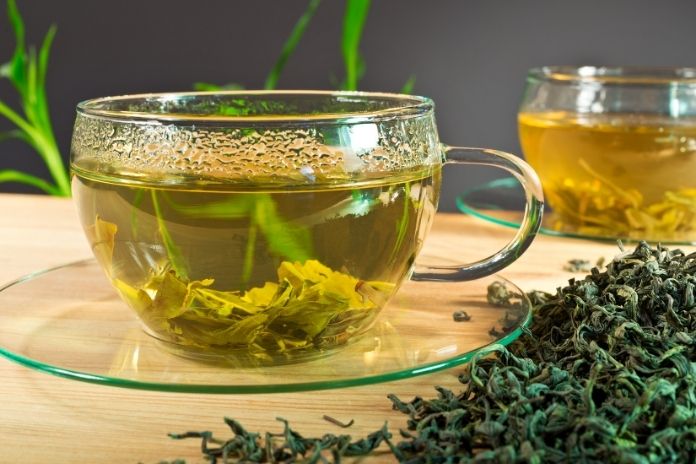
Green tea extract, EGCG, and similar plant compounds are often marketed as appetite suppressants. The evidence shows weak to modest effects, with small appetite reductions in some studies. Results are inconsistent and often driven by caffeine content.
A review in Obesity Reviews found that plant extracts show minimal independent appetite suppression, with effects often overstated in marketing.
They may help slightly. They do not override hunger biology.
Quick Takeaway: Soluble fiber and protein have the strongest evidence. Caffeine works short-term with trade-offs. Plant extracts are weak and mostly hype. None of these turns off hunger. But a few can make it easier to manage.
Appetite Suppressants That Are Popular but Poorly Supported
Some appetite suppressants stay popular even though the evidence behind them is weak or nonexistent.
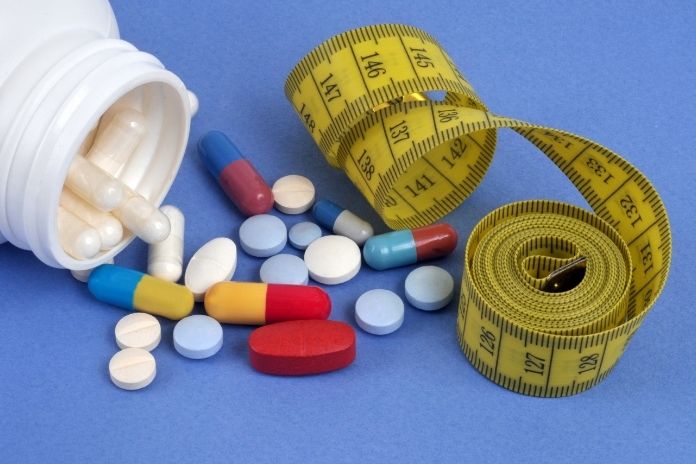
This usually includes multi-herb blends with proprietary formulas, “fat burner” hybrids that claim appetite suppression, and products built around vague metabolic or detox language. They sound scientific. They look impressive on the label. And they rarely deliver anything measurable.
There are a few clear red flags to watch for. No dosage transparency is a big one. If you don’t know how much of each ingredient you’re taking, you can’t evaluate safety or effectiveness. Claims about “melting fat” or “shutting down hunger” are another. That’s marketing, not biology. Heavy influencer promotion without any real clinical data should also make you skeptical.
According to the National Institutes of Health, many weight loss supplements fail independent testing for both accuracy and safety. Some don’t contain what the label says. Others contain more stimulants than disclosed. A few contain things that shouldn’t be there at all.
Bottom line: popularity is not proof. A big following and flashy packaging don’t turn weak supplements into effective ones.
Who OTC Appetite Suppressants May Help
Over-the-counter appetite suppressants aren’t useless. They’re just narrow in who they actually help. They may be useful for:
- People dealing with mild overeating, habitual snacking, or low-grade hunger that shows up out of routine rather than true energy need.
- People who are already eating reasonably balanced meals and just need a small nudge to tighten consistency.
They can also help in the short term as an awareness tool. Sometimes the value isn’t the chemical effect itself. It’s the pause it creates before mindless eating.
What they don’t do well is fix deep metabolic hunger from aggressive calorie deficits or emotional hunger tied to stress, anxiety, or sleep deprivation. In those cases, supplements usually mask symptoms while the real driver stays untouched.
Who Should Avoid OTC Appetite Suppressants
For some people, appetite suppressants are more risk than reward.
They should be avoided or used only under medical guidance if:
- You have a history of eating disorders
- Are pregnant or breastfeeding
- Have heart rhythm disorders or uncontrolled high blood pressure
- Have anxiety disorders that are sensitive to stimulants
In these groups, suppressing appetite without context can worsen health, destabilize mental well-being, or create dangerous side effects. Appetite signals exist for a reason. Blunting them blindly isn’t neutral.
Side Effects and Safety Concerns to Know
Even the “better” OTC appetite suppressants come with trade-offs.
Fiber-based products commonly cause bloating, gas, and constipation, especially when hydration is low. Stimulant-based products can cause jitteriness, insomnia, anxiety, and crashes. Both can raise heart rate or blood pressure in susceptible people.
Some risks have nothing to do with the ingredient itself. Supplements aren’t tightly regulated. That means inconsistent dosing, contamination, and poor quality control are real issues, not rare flukes.
If someone is going to use an OTC appetite suppressant at all, third-party testing and full ingredient transparency shouldn’t be optional. They’re the bare minimum for safety.
Why Appetite Suppressants Often Stop Working

Most people notice the same pattern. An appetite suppressant helps at first. Hunger drops. Snacking feels easier. Then, a week or two later, it barely does anything.
That’s not random. It’s biology.
First, tolerance develops, especially with stimulants. Caffeine-based products blunt appetite by stimulating the nervous system, but the brain adapts fast. What feels effective early on fades quickly. People then raise the dose, which increases side effects without restoring real appetite control. When the stimulant wears off, hunger often rebounds harder.
Second, the basics get ignored. Protein, fiber, sleep, and food volume are the real long-term appetite regulators. If meals are low in protein or rushed, no pill creates lasting fullness. If sleep is short, hunger hormones shift in the wrong direction, no matter what supplement you take.
Third, supplements are used to fight biology instead of supporting it. Hunger isn’t a glitch. It’s a survival signal. In a calorie deficit, your body is supposed to push back. Appetite suppressants can take the edge off that signal for a while, but they can’t override it. The steeper the deficit, the faster they stop helping.
Bottom line: hunger is adaptive. Suppressing it without meeting underlying needs rarely lasts. Appetite suppressants work best as short-term support tools layered on top of a solid diet, not as a substitute for one.
Read More: 4 Breathing Techniques That Help Burn Fat and Control Appetite Naturally
Final Takeaway
Over-the-counter appetite suppressants can slightly reduce hunger, but they are support tools, not solutions. Used wisely, they can create a little breathing room. They can help you notice your eating patterns, pause before mindless snacking, and smooth out rough days in a calorie deficit. In the right context, they can make consistency feel less exhausting. But they don’t fix the root problem.
They don’t replace protein. They don’t replace fiber. They don’t replace sleep. They don’t replace realistic calorie targets. They don’t replace stress control or habit structure. When a supplement is layered on top of those basics, a few OTC options can be mildly helpful. When it’s used as a substitute for them, it almost always disappoints.
This is where most people get misled. They expect a pill to overpower hunger biology. That’s not how the body works. Hunger is a survival signal. Your body is designed to defend against calorie deficits, not cooperate with them. No non-prescription product can shut that system down. At best, it can nudge it for a few hours.
What actually works long term is boring and unglamorous: enough protein to control ghrelin, enough fiber and food volume to stretch the stomach, enough sleep to keep hunger hormones stable, and a calorie deficit that isn’t so aggressive that your body goes into full rebellion mode.
So the honest framing is this. If an appetite suppressant helps you pause before mindless snacking, feel fuller at meals, or stick to your plan on tough days, it’s doing its job. If you’re expecting it to erase hunger, melt fat, or carry a broken diet, it’s the wrong tool.
Long-term appetite control isn’t swallowed. It’s built.
References
- Cleveland Clinic. (n.d.). Appetite suppressants: What they are, types & effectiveness.
- Cleveland Clinic. (n.d.). H2 blockers.
- Drugs.com. (n.d.). Obesity.
- DrugBank Online. (n.d.). Caffeine.
- GoodRx Health. (n.d.). Best treatments for acid reflux: Antacids, H2 blockers, and PPIs.
- Harvard Health Publishing. (n.d.). Extra protein at breakfast helps control hunger.
- HealthCentral. (n.d.). How hunger hormones control weight loss.
- Mayo Clinic. (n.d.). Calories: How many do you need?
- National Center for Complementary and Integrative Health. (n.d.). Weight control. National Institutes of Health.
- National Center for Biotechnology Information. (n.d.). Histamine H2 receptor antagonists. In StatPearls.
- Panek-Shirley, L. M., et al. (2019). Caffeine does not appear to suppress appetite or energy intake. Journal of the Academy of Nutrition and Dietetics.
- Patient.info. (n.d.). H2 blockers.
- PubMed. (1997). Caffeine effects on appetite and food intake.
- Santos, E. A., et al. (2019). Unravelling the effects of soluble dietary fibre supplementation on energy intake and perceived satiety: A systematic review and meta-analysis. Foods, 8(1), 15.
- Sharma, A. M., et al. (2019). Appetite-suppressing and satiety-increasing bioactive phytochemicals: A systematic review. Obesity Reviews.
- WebMD. (n.d.). Appetite suppressants.
In this Article