







Ever notice how dedicated runners always seem to have that “get up and go” mentality? They consistently get out there, enjoy their runs, and compete in races regardless of other challenges. What’s their secret? Nutrition! Ask any runner you admire about their diet, and you’ll likely discover they never take nutrition for granted. Instead, they carefully prioritize eating the best foods to fuel their performance.
For runners, food functions as fuel rather than just sustenance. The three main macronutrients—carbohydrates, fats, and protein—each serve as essential fuel sources for the body. Using the wrong fuel can do more harm than good.
Every step you take while running can damage blood cells, and your muscles sustain microscopic damage too. In this article, we’ll explore the top 10 foods for runners. These nutrient-rich foods enable you to run more effectively, recover faster, and perform at your maximum potential.
Read More: Cycling vs. Running: Which One Burns More Calories?
Why Nutrition Matters for Runners
Everyone has different perspectives on what constitutes an optimal runner’s diet. While fuel is necessary for survival and movement, the human body is far more complex than a machine. We can’t simply view our stomachs as fuel tanks and oversimplify nutrition as basic energy input.
Smart nutritional choices keep runners healthy and motivated, but meal timing is crucial for maintaining hormonal balance and supporting immune system function and bone health.
Muscle cells require protein for growth and repair, while they can be powered by both fat and carbohydrates. These nutrients come from food or the body’s stored energy reserves. During a run, your body initially uses blood sugar, then draws from stored sources as needed.
Even though you may not feel hungry immediately after running, consuming a snack or light meal containing complex carbohydrates and protein within the first hour post-run helps restore glycogen levels, supports recovery, and rebuilds stressed muscles.
When creating a balanced training diet, start with plenty of whole foods while limiting processed items. Processed foods typically have long ingredient lists with components created in laboratories rather than found in nature. The added sugars, salt, unhealthy fats, and artificial additives in highly processed foods can cause inflammation and unwanted weight gain.
10 Essential Foods for Runners
1. Bananas
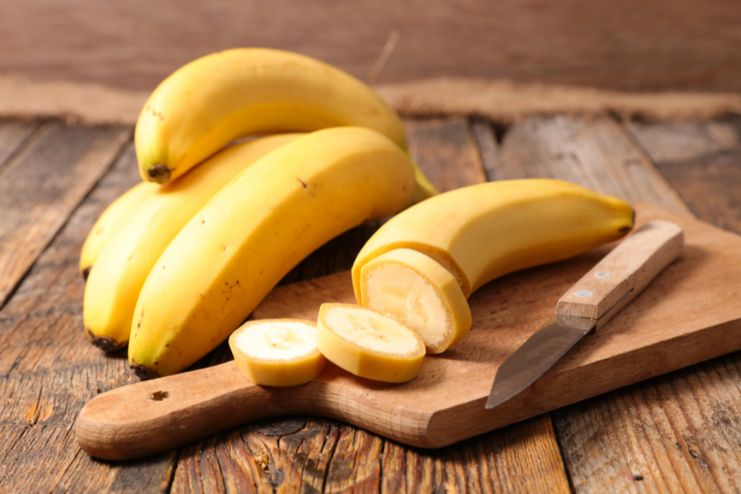
Bananas are the ultimate convenience snack food. They’re easily accessible, require no preparation, and come in their own biodegradable packaging, making them the healthy equivalent of fast food.
This superfood is packed with runner-friendly nutrients. Rich in potassium, bananas help prevent muscle cramping. They also contain high amounts of fiber plus vitamins C and B6.
Choose greener bananas for sustained energy release or riper, browner fruit for quick energy. The banana’s lighter color indicates higher fruit sugar content, making it an excellent post-run recovery snack.
Read More: Top Barefoot Running Shoes for Injury-Free Training & Natural Movement
2. Eggs
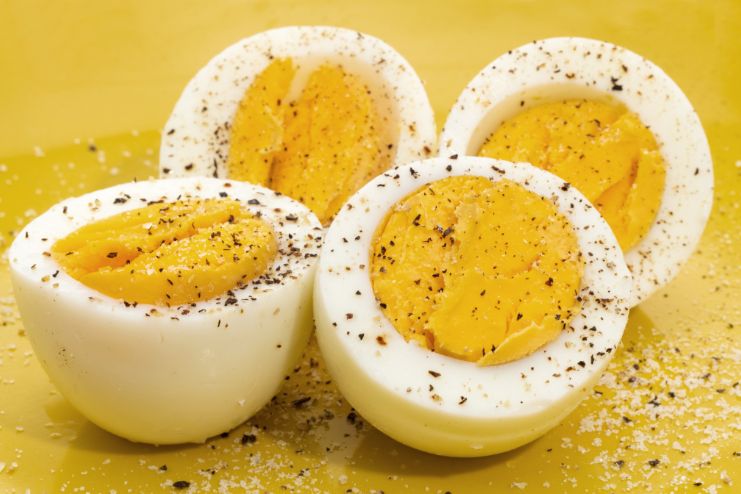
Looking for a portable, affordable protein source? Eggs are nutrient powerhouses, containing essential vitamins and minerals.
Eggs are considered nature’s perfect protein food. They provide vitamin D in the yolks, healthy fats, and all the amino acids needed for muscle growth and repair. Vitamin D is crucial for healthy bones and proper nerve and muscle function.
Eggs are versatile and easy to prepare. Whether you enjoy a veggie omelet for breakfast, a vegetable frittata for dinner, or hard-boiled eggs as a snack, they’re consistently nutritious and convenient.
3. Sweet Potatoes
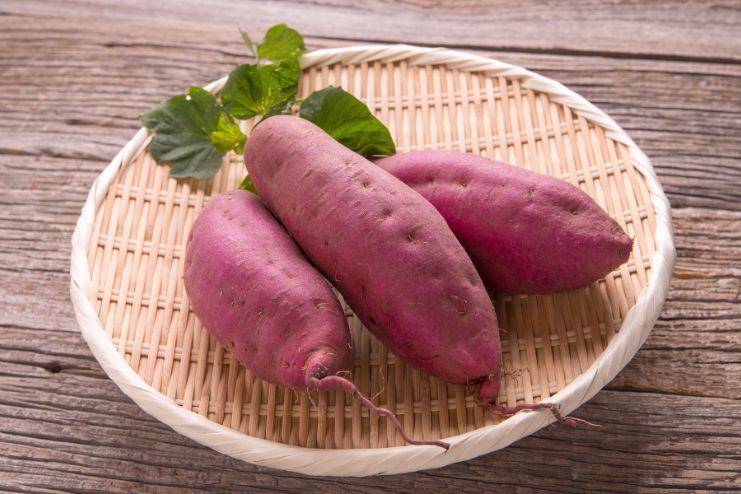
A single 100-calorie sweet potato provides over 250% of the daily value for vitamin A through the powerful antioxidant beta-carotene. Sweet potatoes also supply potassium, iron, vitamin C, and essential minerals like manganese and copper.
Many runners don’t get enough manganese and copper, which are vital for optimal muscle function and can impact performance when deficient. Purple-fleshed sweet potato varieties contain anthocyanidins—the same powerful antioxidants found in berries.
4. Almonds
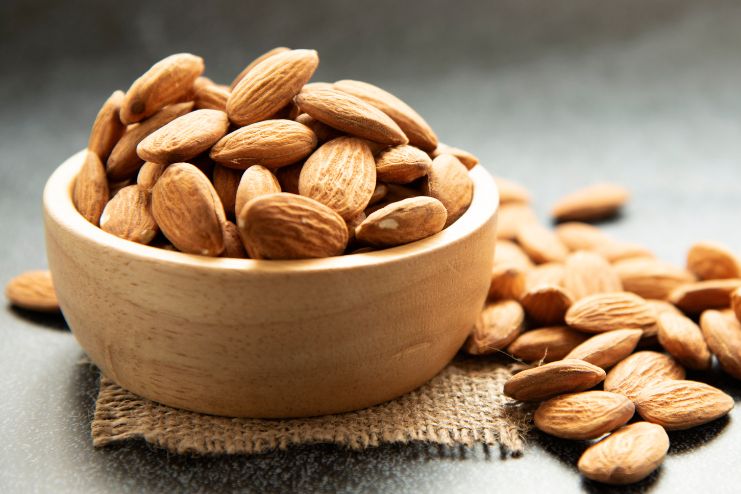
Runners should incorporate a handful (about one ounce) of almonds into their diet three to five times weekly. Few foods provide vitamin E as effectively as almonds do, making them an excellent choice since many runners are deficient in this important antioxidant.
Regular nut consumption reduces blood cholesterol, particularly the artery-clogging LDL type, which lowers heart disease risk. Additionally, nuts contain gamma-tocopherol, a form of vitamin E not commonly found in supplements, which may help prevent cancer.
Read More: How to Breathe While Running: Techniques to Boost Endurance and Performance
5. Chicken Breast
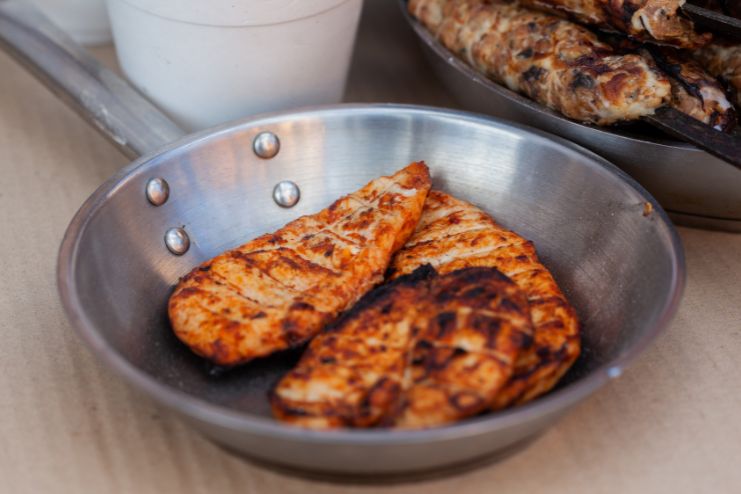
A runner’s diet requires adequate protein, but excess fat isn’t beneficial since it’s calorie-dense and may negatively affect performance. Chicken breast provides an excellent protein source with only 3 grams of fat and an impressive 26.68 grams of protein per serving.
Chicken can be consumed a couple of hours before or after running. This versatile, mild-flavored protein works well in salads, roasts, casseroles, stews, soups, and curries for lunch or dinner on training days.
6. Quinoa
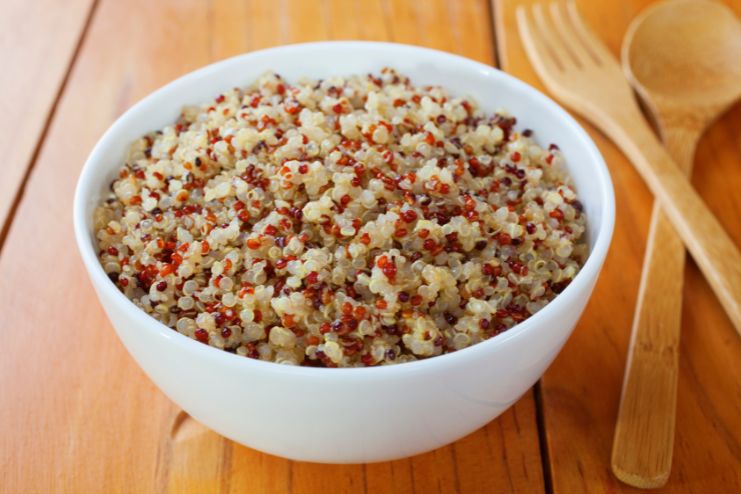
Quinoa is a complete grain that’s high in fiber and exceptionally nutritious. Its standout feature is that it contains more protein than most other grains, particularly valuable for vegetarian runners seeking additional protein sources for muscle building.
Quinoa can be used similarly to rice and other grains in various preparations. Create a nutritious side dish by mixing it with sautéed onions, carrots, and peas, or transform your salad into a protein-rich grain bowl.
7. Greek Yogurt
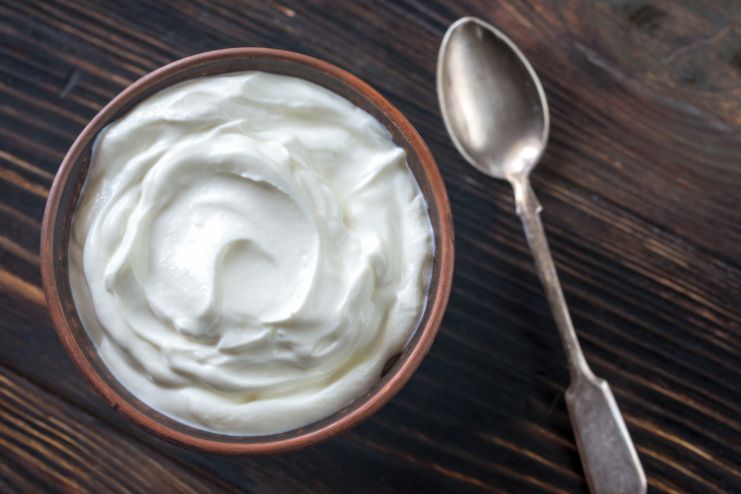
Greek yogurt is packed with probiotics—beneficial bacteria that support healthy digestive function. Perfect for breakfast or snacks, it’s also rich in calcium for bone health and protein for muscle development.
Greek yogurt provides an excellent combination of carbohydrates for energy and protein for muscle support, plus essential vitamins and minerals. Its convenience, easy digestibility, and versatility make it ideal for runners, especially when preparing quick meals or race-day nutrition.
Greek yogurt typically contains less sugar than regular yogurt varieties. Check nutrition labels to be sure, or choose plain Greek yogurt and add natural sweeteners like honey or jam if desired.
Read More: 5 Running Gear Essentials: Must-Have Items for Every Runner’s Arsenal
8. Blueberries
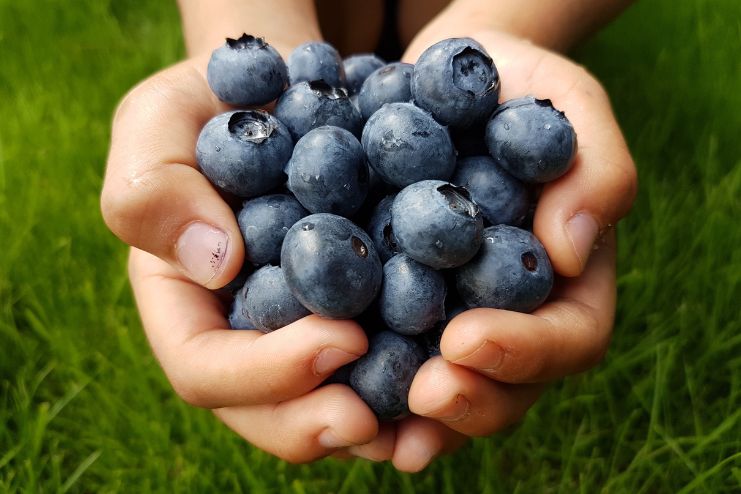
These small blue gems are rich in fiber and vitamins C and K. They can be added to yogurt, oatmeal, pancakes, smoothies, or eaten frozen. Granola with blueberries and yogurt makes an excellent pre-run meal when consumed a few hours before training.
9. Oranges or Orange Juice

You can’t go wrong with fruits and vegetables. Besides providing vitamins, minerals, and electrolytes like potassium and magnesium that aid rehydration, they offer plenty of fiber to support digestive health. Oranges are particularly beneficial when exercising in the heat due to their high potassium content.
Oranges contain over 100% of the daily value for vitamin C, a powerful antioxidant. Additional antioxidant properties come from hesperidin, found in the fruit’s zest, which also helps regulate blood pressure and cholesterol levels.
Orange pulp and juice can enhance sauces for fish, pork, or poultry, while orange slices add brightness to both fruit and green salads.
10. Kale
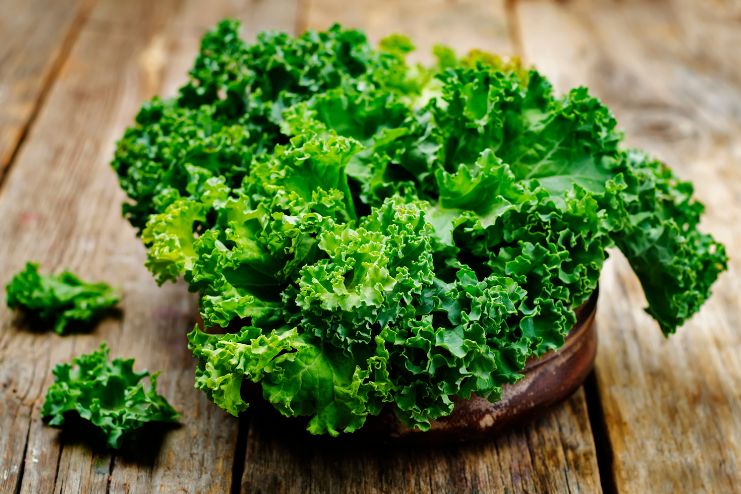
Kale is loaded with antioxidants and anti-inflammatory compounds while being extremely low in calories—just eight calories per cup! This nutrient-dense green provides potassium along with vitamins A and C, calcium, phosphorus, and folate.
After running, include some greens in your recovery meal. Kale can be baked until crispy for a healthy snack, added to mixed-green salads, or incorporated into nutritious soups.
Read More: Building Endurance: Daily Running Challenges for Beginners
Sample Meal Plan for Runners
Pre-Run Snack (early morning or light run):
- A banana with one tablespoon of almond butter
Breakfast (typical morning or post-run):
- Greek yogurt bowl with honey, blueberries, and chia seeds
- Whole grain toast with almond butter
Mid-Morning Snack
- Green smoothie with spinach, banana, and coconut water
Lunch
- Grilled chicken quinoa bowl with roasted sweet potato pieces and steamed spinach
Afternoon Snack
- A small handful of almonds and dried blueberries
Dinner
- Baked sweet potato topped with black beans, sautéed spinach, and feta cheese
Hydration Tip: Sip water throughout the day, and consider adding electrolyte tablets or coconut water after long runs.
Read More: 12 Foods To Eat After Running (5 Foods That You Should Avoid)
Conclusion
Proper nutrition is just as important as your training plan. A balanced diet tailored to your running needs can enhance energy levels, improve endurance, and reduce recovery time—all essential factors for becoming a stronger, more efficient runner. Our top 10 foods provide a powerful combination of vital nutrients, antioxidants, and energy to support your running journey.
Remember that no single nutrition strategy works for everyone. Experiment with these foods to discover what best supports your training, performance, and recovery, as every person’s body responds differently.
What are your favorite runner-friendly foods? Share your go-to pre-run snacks or post-run meals in the comments below!
References
- https://runnerstribe.com/news/10-power-packed-foods-for-runners/
- https://www.realbuzz.com/articles-interests/running/article/the-10-foods-every-runner-should-have-a-home
- https://www.hopkinsmedicine.org/health/wellness-and-prevention/runners-diet
- https://medium.com/running-for-your-life/12-best-foods-for-runners-what-to-eat-and-when-184237d03016
- https://www.runnersworld.com/uk/nutrition/diet/a39672411/runners-diet/
- https://ocrworldchampionships.com/what-should-you-eat-while-running-whole-foods-to-carry-during-your-next-race/
- https://irishlifedublinmarathon.ie/wp-content/uploads/2015/04/top10foods.pdf
- https://listonic.com/meal-plans/en/7-day-meal-plan-for-runners
- https://marathonhandbook.com/runners-meal-plan/
In this Article